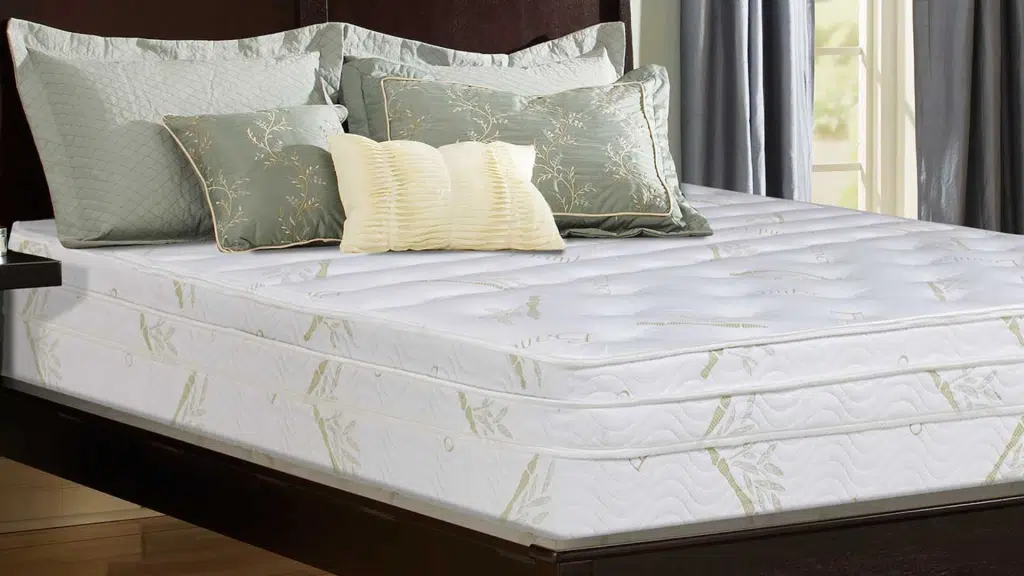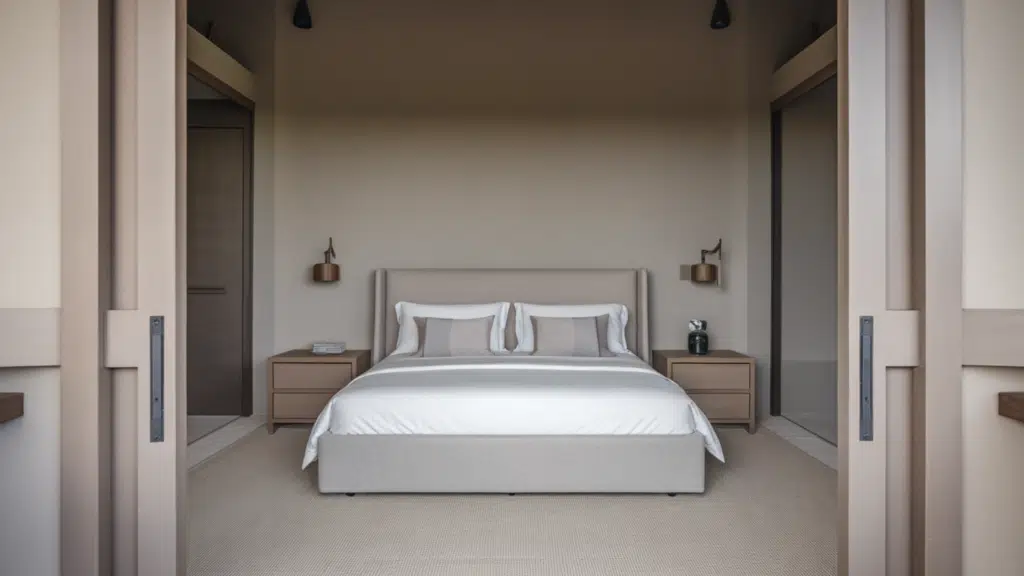

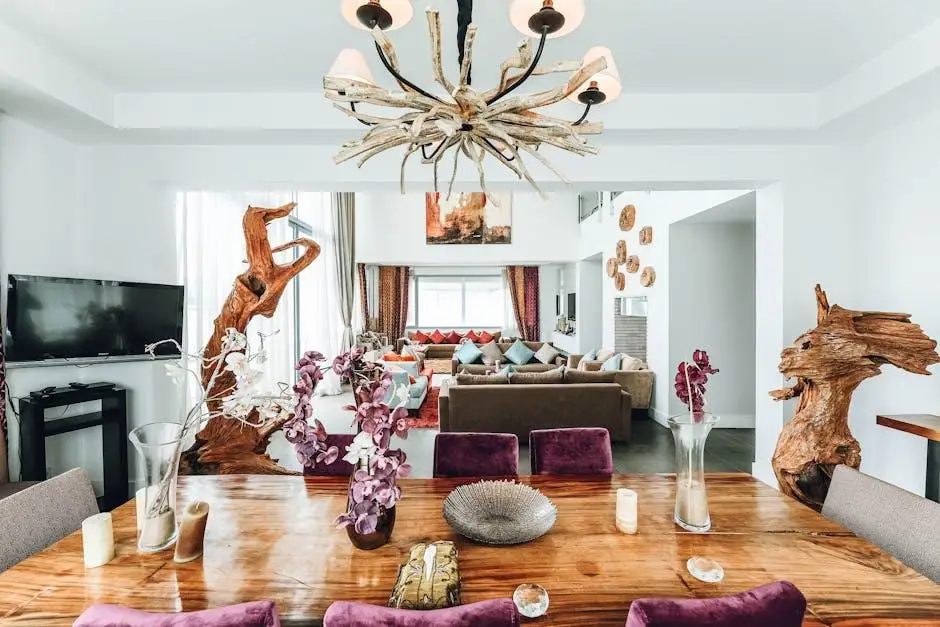
Sleep quality is shaped by more than the mattress and the room temperature. The materials, finishes, and visual character of the furniture in the home meaningfully affect how the nervous system winds down at the end of the day. A home built mostly out of veneer-and-particleboard furniture reads differently from one built around solid wood pieces, and the difference shows up in how easily people transition into rest.
The pattern matters across the whole home, not just the bedroom. The dining table is where families wind down at the end of the day. The natural-wood pieces produced by workshops like Parkman Woodworks carry a tactile and visual quality that mass-market furniture cannot match. The framework below walks how furniture material choice connects to sleep environment quality. The same material-choice logic surfaces in whether your floors could be the secret to a calmer home.
Why Does Furniture Material Affect Sleep Environment?
Three structural realities connect material choice to rest.
The first is the indoor-air dimension. Veneer-and-particleboard furniture off-gases formaldehyde and other volatile organic compounds for years after manufacture. Solid wood with a low-VOC oil finish does not. Indoor air quality affects sleep more than most people realize.
The second is the visual-calm dimension. The eye reads natural materials differently from synthetic surfaces. Solid wood grain, with its irregularity and depth, gives the visual system a softer landing than uniform laminate or plastic. The bedroom and adjacent rooms benefit measurably from this.
The third is the durability dimension. Wobbly, creaking, or aged-poorly furniture creates micro-stressors during the day that add up by bedtime. Solid wood pieces age well and stay quiet. The reduction in low-level annoyance compounds across years.
What Should Homeowners Verify Before Buying Handmade Wood Furniture?
Six criteria belong on every shortlist.
- Wood source. Urban-salvaged, reclaimed, or FSC-certified
- Construction. Solid wood throughout, no veneer or particleboard
- Finish. Low-VOC oil, water-based, or hard wax
- Joinery. Mortise-and-tenon, dowel, or dovetail
- Workshop scale. Named craftspeople, small batches
- Warranty. 10-year or lifetime structural warranty
A workshop that gives clear answers across these six points signals a partner worth ordering from. A workshop that deflects on any signals a shortcut buyers should investigate. The EPA’s care-your-air guide on indoor air quality covers the broader framework on material choice and indoor air that shapes sleep environment.
How Does the Bedroom-Centric Application Look?
Three furniture pieces shape the bedroom environment most.
The bed frame is the largest. Solid wood frames are quieter, more durable, and visually warmer than metal or veneer alternatives. The frame sits in the visual field for hours each night.
The bedside table is second. Even a small piece in solid wood adds a tactile and visual layer that mass-market alternatives lack. The drawer pulls, the corner finish, and the surface feel all read in the few moments before sleep.
The dresser or wardrobe is third. A large surface in the room benefits from solid-wood construction more than any other piece. The off-gassing risk on a particleboard wardrobe is real over years of bedroom use.
A bedroom built around these three solid-wood pieces feels measurably calmer than one built around veneer alternatives. The NHLBI’s sleep health hub covers the broader framework on how sleep environment affects rest.
Where Does the Dining Room Come Into It?
The dining table is the room that anchors the family’s daily wind-down. The pre-bed hours that families spend at the dining table shape how rest unfolds.
A handmade dining table changes the room’s character in three ways.
- Material warmth. Solid wood reads warmer than laminate or glass on the eye and on the hand.
- Acoustic quality. Wood absorbs sound rather than reflecting it. Conversations at a solid wood table read softer.
- Durability over years. The table doesn’t acquire new visual stressors (chips, seam swelling, wobble) the way mass-market alternatives do.
The bedroom and the dining room share the same material logic. A home that runs solid wood across both rooms feels noticeably calmer than one that mixes materials inconsistently.
Quick Reference: Material Comparison
Furniture Element | Mass-Market Path | Handmade Wood Path |
|---|---|---|
Bed frame | Particleboard or metal | Solid hardwood with mortise-and-tenon |
Bedside table | Veneer | Solid hardwood |
Dresser | Particleboard with veneer | Solid hardwood |
Dining table | Laminate or veneer | Solid hardwood with low-VOC finish |
Lifespan | 5 to 8 years | 30 to 60 years |
Off-gassing | Years of VOCs | Negligible after curing |
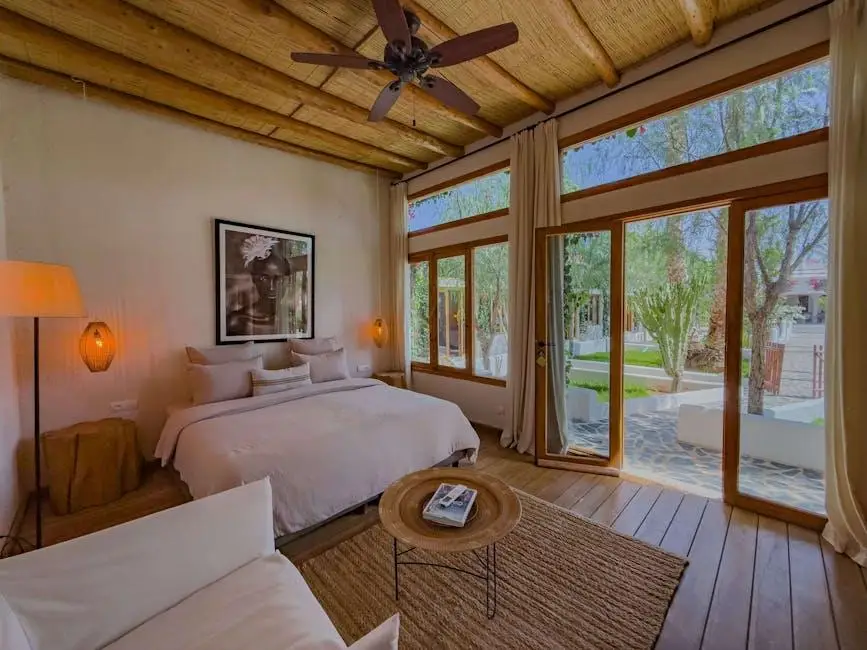
The lifespan column favors the handmade path across most ownership horizons. The cost-per-year math usually favors the handmade choice for households planning to stay in the home more than a decade.
What Errors Surface in Furniture-Choice Sleep Planning?
Five errors recur.
- Buying on headline price without modeling the 30-year lifecycle and indoor-air impact
- Skipping the finish check which determines the off-gassing profile
- Mixing materials inconsistently across the bedroom and adjacent rooms
- Forgetting the bedside table as a small piece that matters more than its size suggests
- Treating the dining table as separate from the sleep environment when it shapes evening wind-down
Coverage of why your bedroom still feels cluttered even when it isn’t reminds readers that the visual environment matters as much as the literal mess. Material choice is a layer of the same visual environment.
Pre-Order Checklist for Sleep-Conscious Homeowners
- Measure the rooms twice before committing to dimensions
- Confirm the wood source in writing
- Specify a low-VOC finish for indoor air quality
- Choose the joinery type with the workshop directly
- Plan a 30-year horizon for the cost-per-year math
- Coordinate the bedroom and dining-room aesthetic for visual consistency
The Bottom Line for Sleep-Conscious Homeowners
Furniture choice is one of the quieter levers on sleep environment quality. The mattress matters most, but the material context around the mattress matters meaningfully too. A bedroom and adjacent rooms built around solid wood pieces read calmer than one built around veneer-and-particleboard alternatives.
The cost-per-year math favors handmade wood across most household horizons. The indoor-air and visual-calm benefits compound across years. Households planning to stay in the home more than a decade usually find the handmade path makes practical and aesthetic sense at the same time.
Frequently Asked Questions
Does Furniture Off-Gassing Really Affect Sleep?
Yes, for sensitive sleepers and for households with new furniture. Particleboard and MDF furniture can off-gas formaldehyde and other VOCs for years. The effect compounds in bedrooms because the exposure runs for 7 to 9 hours each night.
How Long Does a Custom Handmade Bed Frame Take to Build?
Most workshops run 6 to 14 weeks from order to delivery. Custom dimensions or wood-species sourcing can extend the timeline. Workshops with strong order books often quote 5 months out.
Is Solid Wood Always Better Than Engineered Wood?
For long-term ownership horizons (10-plus years), usually yes. Engineered wood has improved meaningfully but still cannot match solid wood on durability, repairability, or indoor-air profile. Solid wood ages better visually too.
What Maintenance Does Solid Wood Bedroom Furniture Need?
Light dusting weekly, an oil or wax refresh every 6 to 12 months, and a full refinish every 15 to 25 years. The maintenance is light and the appearance compounds positively across decades.