
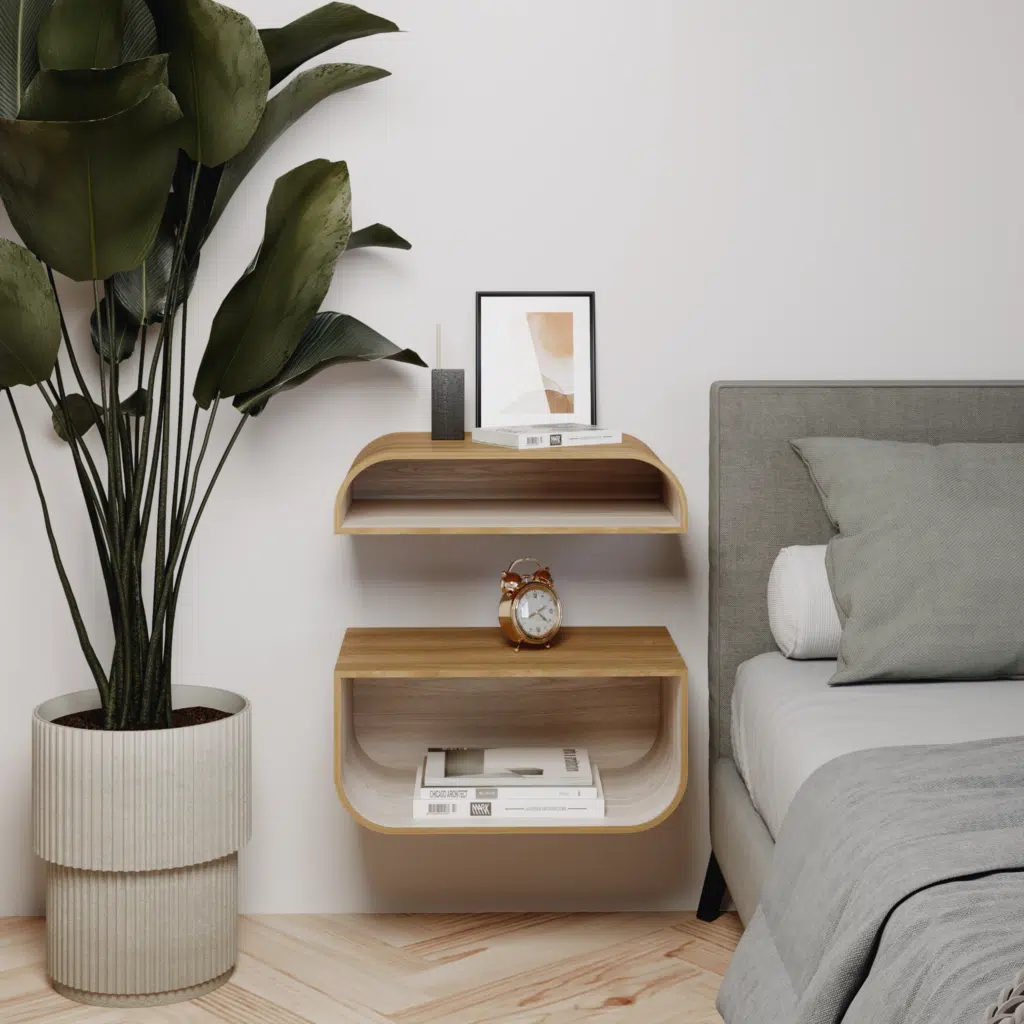
The Strange Feeling of a Clean but Cluttered Bedroom
You’ve cleared surfaces, put everything back in place, and yet something still feels off.
The room looks tidy, but it does not feel calm.
In many cases, the issue is not how much you own, but how your furniture is arranged. Bulky bedside tables, heavy storage pieces, and floor based furniture can make even a clean bedroom feel crowded.
This is why more people are moving toward lighter solutions like a floating night stand instead of traditional bedside furniture. The difference is not dramatic at first glance, but it changes how the entire room feels.
You’ll see this approach more often in modern interiors, especially in spaces that use handcrafted wood pieces from brands like EWART WOODS, where the focus is on keeping things functional without adding visual weight.
A Different Approach to the Bedside Area
The space next to your bed plays a bigger role than most people expect.
A floating bedside table gives you just enough room for essentials without adding unnecessary weight to the floor. In slightly larger setups, a floating nightstand set of 2 creates balance on both sides of the bed while still keeping the space open.
Because these pieces are mounted on the wall, they leave the area underneath clear, which immediately makes the room feel lighter.
When Storage Moves Off the Floor
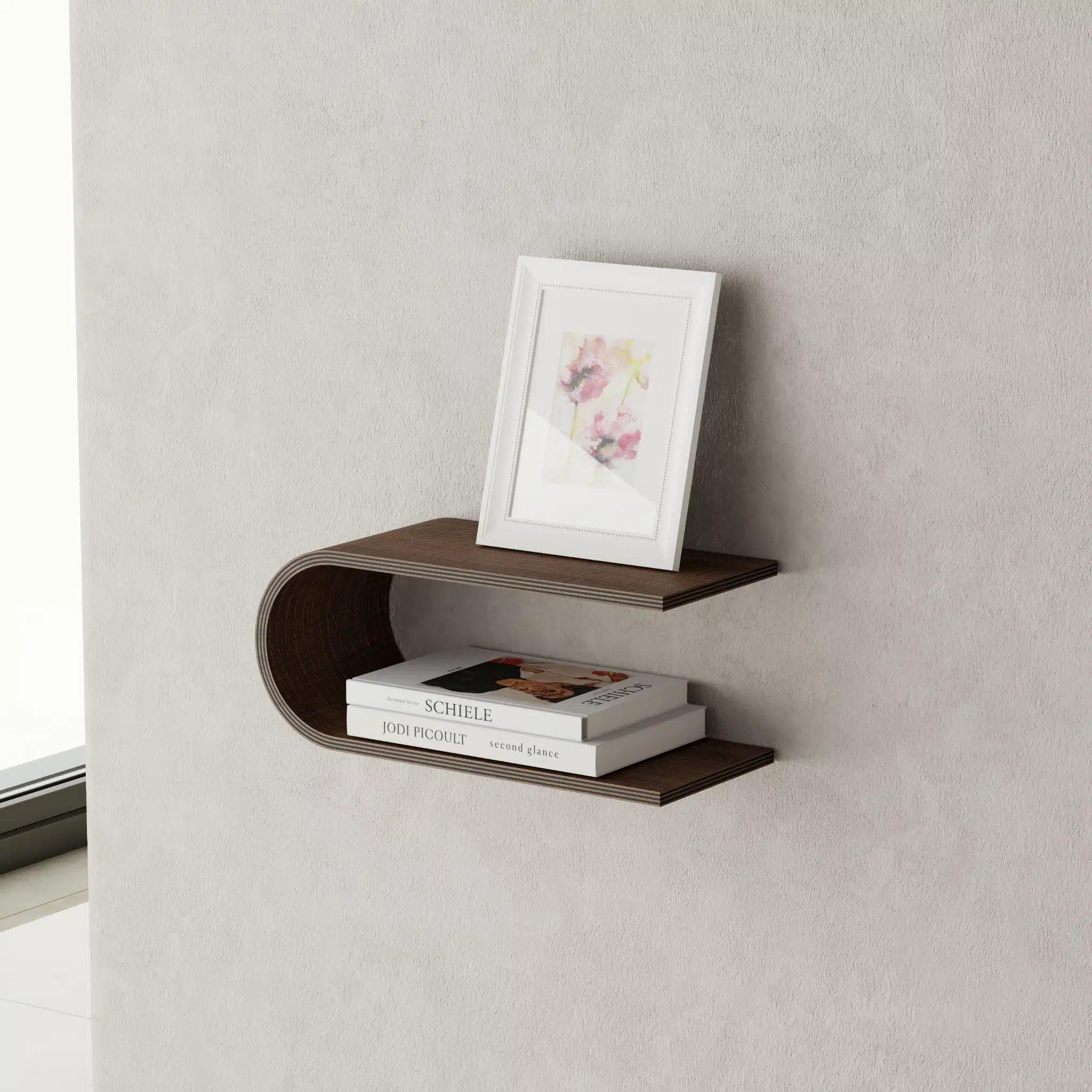
Not everything needs to sit on the ground.
A simple bedside shelf wall mount can replace bulkier furniture and still serve the same purpose. It works especially well in smaller bedrooms where every bit of visible space matters.
This shift toward a wall mounted nightstand or even a compact floating side table is less about trends and more about how the room is experienced.
What Is Actually Causing the Feeling of Clutter
Clutter is not always about objects. It is often about visual weight.
When too many solid pieces sit on the floor, especially around the bed, the room starts to feel dense. Your eye has nowhere to rest, and the space feels more limited than it actually is.
A typical bedroom setup often includes heavy bedside tables and additional storage units that all compete for the same visual space.
The result is a room that looks organized but feels slightly overwhelming.
Why Wall Mounted Furniture Feels Different
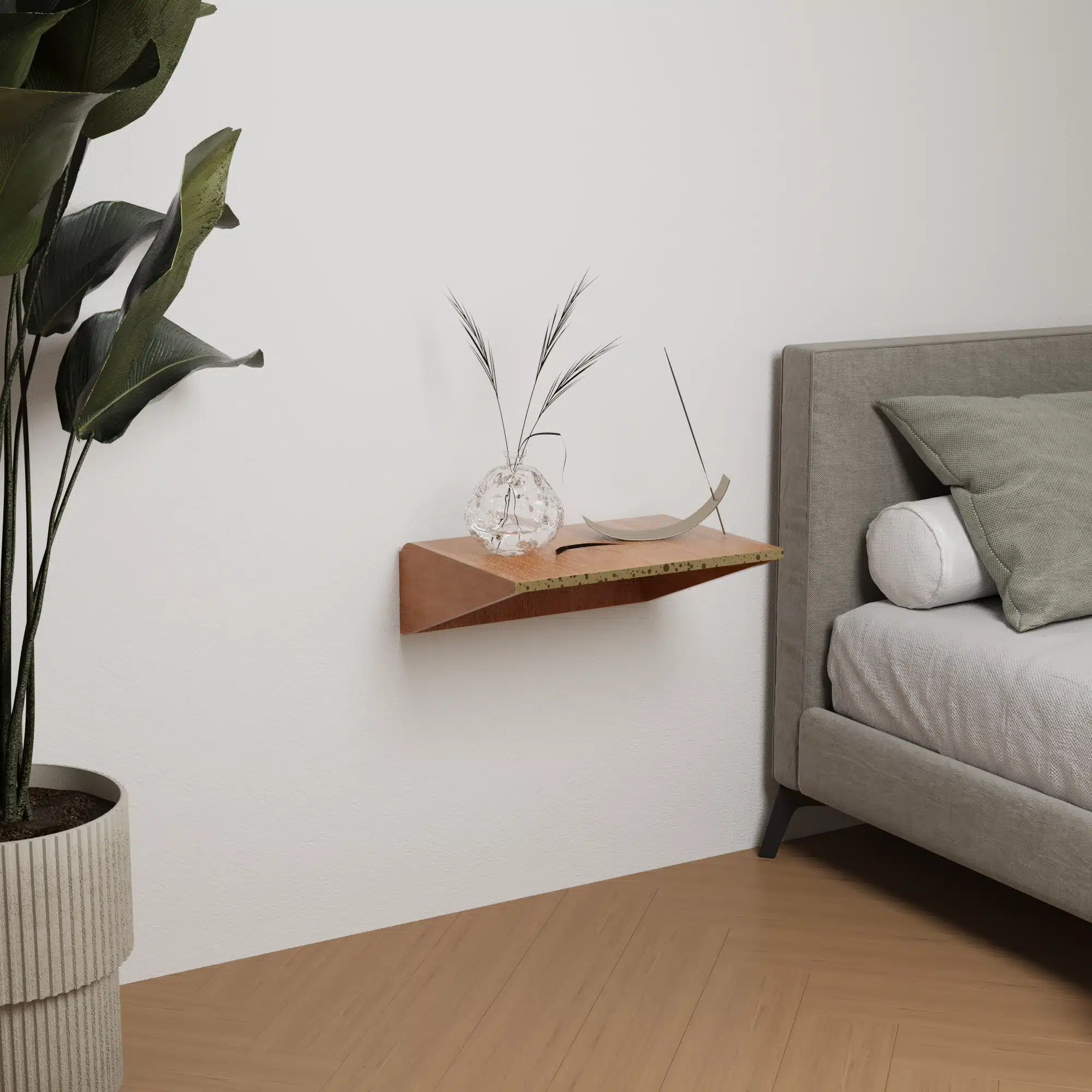
One of the simplest ways to change the atmosphere of a bedroom is to lift some of the furniture off the floor.
A wall mounted nightstand or a floating side table keeps the function you need but removes the bulk that creates visual pressure.
The space underneath stays open, which allows the room to feel more breathable. Even though the difference is subtle, it has a strong impact on how the room is experienced.
Instead of everything sitting heavily in one place, the room begins to feel lighter and more balanced.
The Bedside Area Is Where It All Starts
The area around your bed is usually the most visually dominant part of the room.
If that space feels heavy, the entire bedroom feels heavy.
Replacing traditional bedside tables with a floating bedside table or a bedside shelf wall mount creates a cleaner and more open look. You still have space for essentials, but without the unnecessary volume.
For many bedrooms, especially smaller ones, this is one of the most effective changes you can make.
Shifting From Floor Storage to Wall Storage
Most bedrooms rely too much on floor based furniture.
Adding more pieces rarely solves the problem. It usually just makes the room feel tighter.
Wall mounted solutions offer a different approach.
Using floating wall shelves and wall mounted nightstands spreads functionality across the room instead of concentrating it in one place. This creates a more natural balance and reduces the feeling of crowding.
It also allows you to use space that would otherwise remain empty.
Why Removing Furniture Is Not Always the Answer
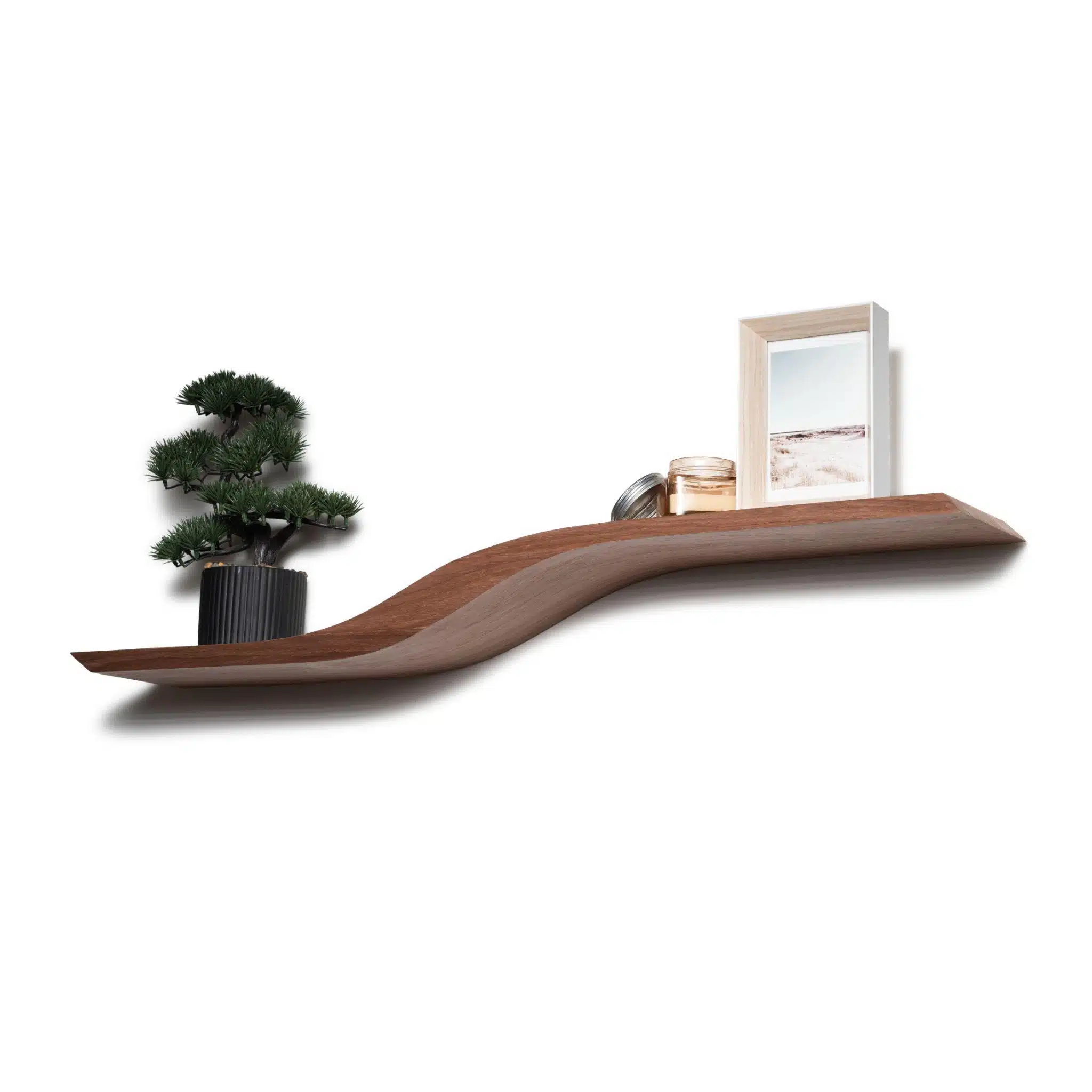
When a room feels cluttered, the first instinct is often to remove things.
But the issue is not always quantity. It is often about the type of furniture being used and how it interacts with the space.
You can keep the same level of function while changing how it is presented.
A floating nightstand or a wall mounted solution gives you storage and usability without adding visual weight. The room works the same way, but it feels completely different.
What many people overlook is how furniture “sits” in the room. Pieces that go all the way to the floor, especially with solid sides and closed shapes, tend to block light and interrupt visual flow. Even if they are not large, they create a sense of heaviness.
There are a few different ways to approach this without simply removing furniture.
One option is to switch to raised or open base designs. Furniture with legs allows you to see more of the floor, which instantly makes the room feel less crowded.
Another approach is reducing depth. Many bedside tables and storage pieces are deeper than necessary. Choosing slimmer designs keeps the function but frees up movement space around the bed.
You can also rethink placement. Instead of keeping everything at the same level, spreading elements across the wall and vertical space helps balance the room. This is where solutions like a floating night stand or a wall mounted nightstand naturally fit in, without dominating the layout.
Even small adjustments like leaving intentional gaps between furniture pieces can make a difference. When everything is pushed tightly together, the room feels compressed. A bit of spacing allows the layout to breathe.
In the end, it is not about having less. It is about making sure each piece earns its place and does not take more from the room than it gives back.
Small Changes That Have a Big Impact
You do not need to redesign your entire bedroom to fix the feeling.
Even one adjustment can shift the space.
Replacing a single bulky bedside table with a floating alternative can open up the room more than expected. It clears the area around the bed and makes movement feel easier without changing how you use the space.
Creating a bit more visible floor space helps the room feel less restricted. This can be as simple as pulling furniture slightly away from each other instead of placing everything tightly together.
Leaving some areas intentionally empty allows the layout to breathe. Not every corner needs to be filled, and a small gap can make the whole room feel more balanced.
Lighting also plays a role. Swapping a table lamp for a wall mounted light frees up surface space and keeps the bedside area cleaner. It also spreads light more evenly, which helps the room feel softer.
Textiles can make a difference as well. Lighter bedding, simple curtains, and fewer contrasting patterns reduce visual noise and make the space feel calmer without removing anything important.
Even small details like cable management or reducing the number of items on a surface can shift how the room feels day to day.
These changes are simple, but they are effective. They do not require a full redesign, just a more thoughtful approach to how the space is used.
Materials Also Influence How the Room Feels

The choice of material can either add to the visual weight or reduce it.
Heavier finishes tend to make furniture feel more solid and dominant. Lighter, natural materials create a softer presence.
Wood is often a good balance. It adds warmth without overwhelming the space, especially when used in simple, clean forms.
That is why many floating nightstands and wall mounted shelves work so well in modern bedrooms.
A Bedroom That Feels Calm Without Being Empty
A calm bedroom is not one without furniture.
It is one where everything feels intentional and well placed.
When visual weight is balanced and the layout allows space to move, the room becomes more comfortable without needing less functionality.
That is the real goal.
A well designed bedroom should also support quiet, everyday moments. Simple routines like reading in bed, having a slow morning coffee, or working for a short time from your bed should feel easy, not cluttered or inconvenient.
This is where small, flexible additions come in. A bed serving tray, for example, creates a temporary surface without permanently adding another piece of furniture to the room. It gives you a place for a cup, a book, or a laptop, and then disappears when you no longer need it.
Unlike traditional furniture, it does not take up space all day. It supports the moment and then steps back, which is exactly what a calm bedroom needs.
This idea applies more broadly as well. The most comfortable spaces are not the ones filled with fixed objects, but the ones that can adapt slightly depending on how you use them.
When everything in the room has a purpose, but nothing feels excessive or permanent, the space naturally becomes more relaxing to spend time in.
That balance between function and flexibility is what makes a bedroom feel complete without ever feeling full.