For millions of people, the end of the day is a familiar routine: scrolling through social feeds, replying to messages, or watching videos on a bright handheld screen right up until they hit the pillow. Smartphones today keep us connected. However, prolonged screen time, especially during evening hours, takes a heavy toll on visual comfort, circadian rhythms, and overall sleep quality.
Screen fatigue and digital eye strain are emerging health issues, and a new hardware paradigm is emerging: screenless ambient technology. Smart glasses with open-ear directional audio, hands-free media capture, and conversational AI assistants provide an alternative to constant screen interaction.
Screenless technology is empowering users to remain connected while protecting their visual ergonomics and promoting better nightly rest by transferring digital tasks from glowing displays to voice-activated, eyes-up wearables.
The Hidden Price of Nighttime Screen Time
Hours of staring down at glowing smartphone or tablet screens daily creates a compound problem for visual health and sleep hygiene:
- Digital Eye Strain (Computer Vision Syndrome): Constant close-up viewing of backlit screens can reduce natural blinking by up to 50 percent, causing eyes to become dry, burning, or gritty by the middle of the day.
- Melatonin Suppression: Bright blue-wavelength light from LED displays tricks the brain into suppressing melatonin production, disrupting the natural sleep-wake cycle and delaying sleep onset.
- Cognitive Hyperarousal: Scrolling through feeds keeps the central nervous system in a state of heightened alertness, making it harder to unwind before bed.
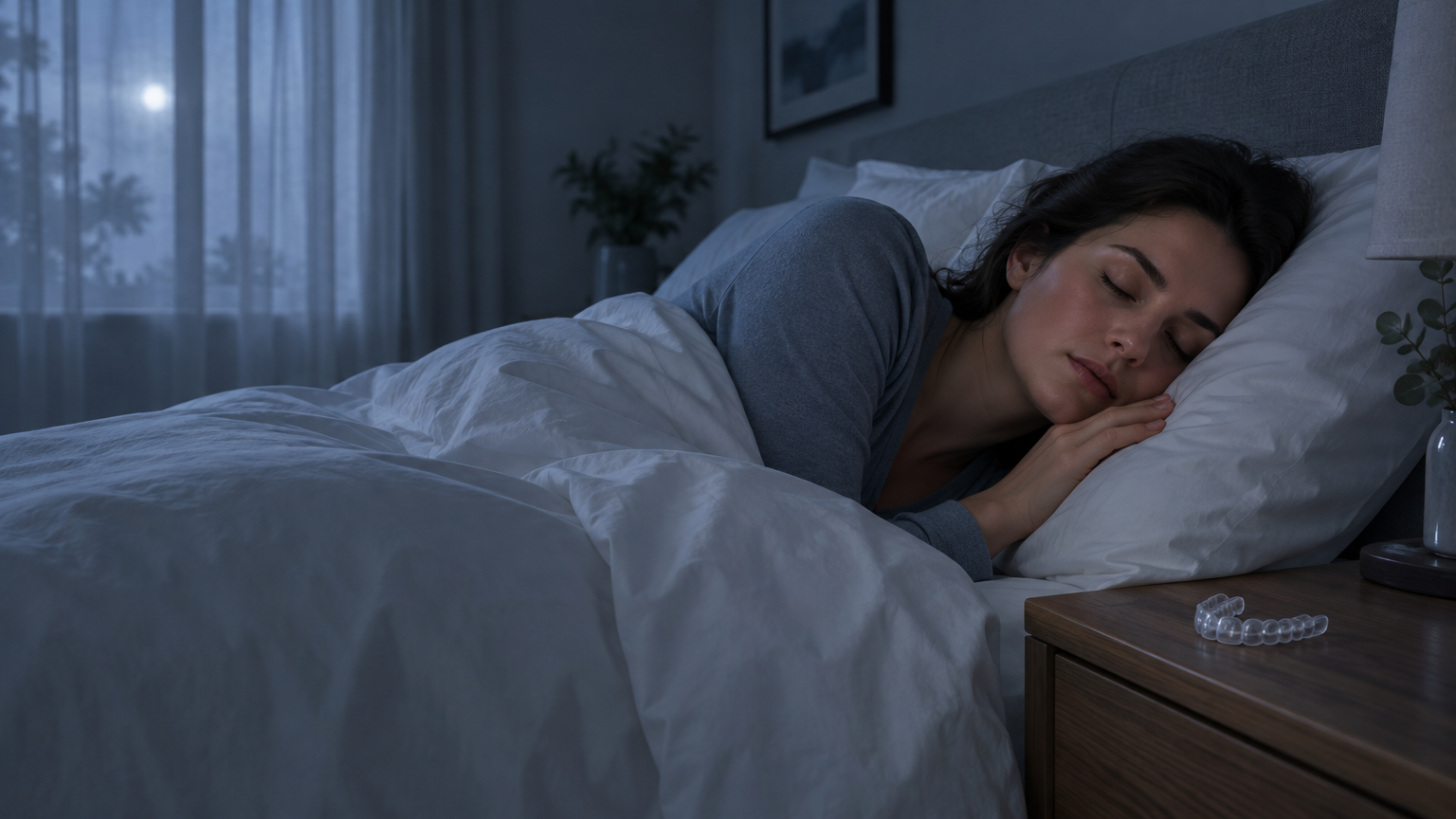
Learning the impact of sleep deprivation on eye health highlights the vital repair mechanisms occurring during sleep. Sleep at night allows the eyes to regain the balance of their tear film, to relax muscle tension, and to reduce the surface inflammation generated by daily environmental aggressors. When sleep is at a premium, the eyes often pay the price.
Screenless Ambient Interaction: A Healthier Alternative
Rather than forcing users to stare down at glass displays, smart eyewear takes digital interaction to natural eye level through ambient voice queries, micro-speakers, and subtle audio cues.
| Visual Ergonomics Dimension | Traditional Smartphone | Screenless Smart Eyewear |
|---|---|---|
| Focal Distance | Constant near-distance focus | Natural far-distance viewing |
| Light Emission | High blue light emission | Zero display light emission |
| User Posture | Head-down neck posture | Eyes-up neutral spine posture |
| Tear Film Impact | Decreased blink rate & dry eyes | Normal tear balance of the eye |
Ambient wearables enable users to ask questions, take first-person notes, check schedules, or stream podcasts on open-ear audio—so they don’t have to stare at a screen for routine digital tasks.
For those interested in hands-free wearables, modern Meta sunglasses show how traditional sunglass framing can be combined with screenless artificial intelligence to deliver ambient utility without the eye strain of a screen.
Ocular Physiology: What Happens During Nightly Eye Repair
To understand why screenless technology can play a protective role in health, it is essential to look at the cellular biology of the eye during sleep. The human ocular surface is in a constant state of micro-damage and repair throughout the day due to atmospheric exposure, wind, airborne dust, ambient UV radiation, and visual focus strain.
When we sleep, several critical physiological restorative processes take place:
1. Corneal Epithelium Regeneration
During deep sleep stages, the body increases cell division rates in the corneal epithelium. Microscopic sloughing of surface cells that occurs during daytime blinking is replaced overnight by new, healthy epithelial cells, maintaining a smooth optical surface. Prolonged blue light exposure that delays sleep delays this cellular regeneration cycle.
2. Lipid and Aqueous Tear Film Replenishment
During closed-eye sleep, the meibomian glands along the eyelid margins secrete essential lipids that seal the tear film, preventing rapid evaporation when the eyes open the next morning. Staring continuously at glowing screens reduces blink frequency, causing the lipid layer to break down prematurely and leading to chronic evaporative dry eye disease.
3. Ciliary Muscle De-accommodation
The ciliary muscles inside the eye continuously contract to adjust the crystalline lens whenever we focus on near-range targets like smartphone screens. Sleep provides the only prolonged period during which the ciliary body can fully relax. Interrupted or insufficient sleep prevents muscle recovery, leading to visual fatigue, fluctuating blurriness, and tension headaches the following day.
How Hands-Free Audio Supports Evening Wind-Down Routines
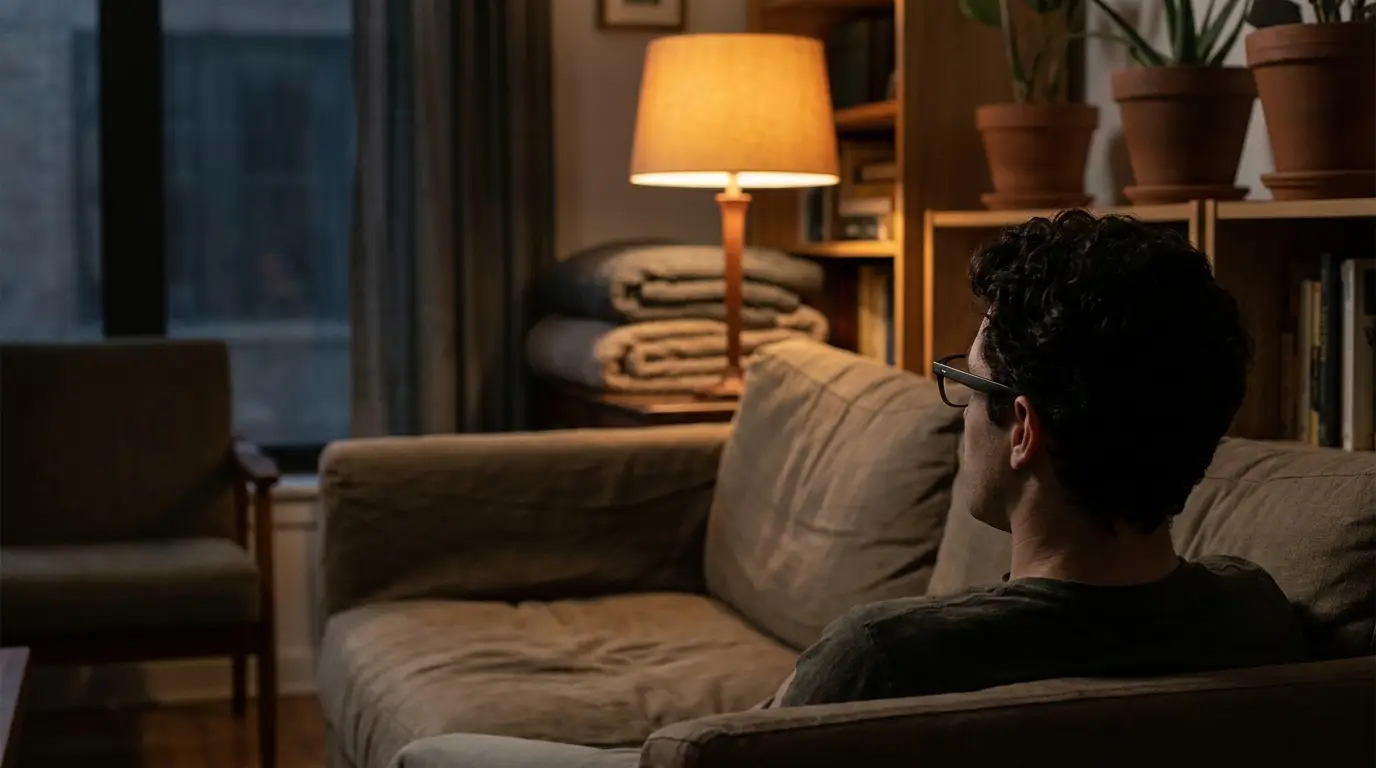
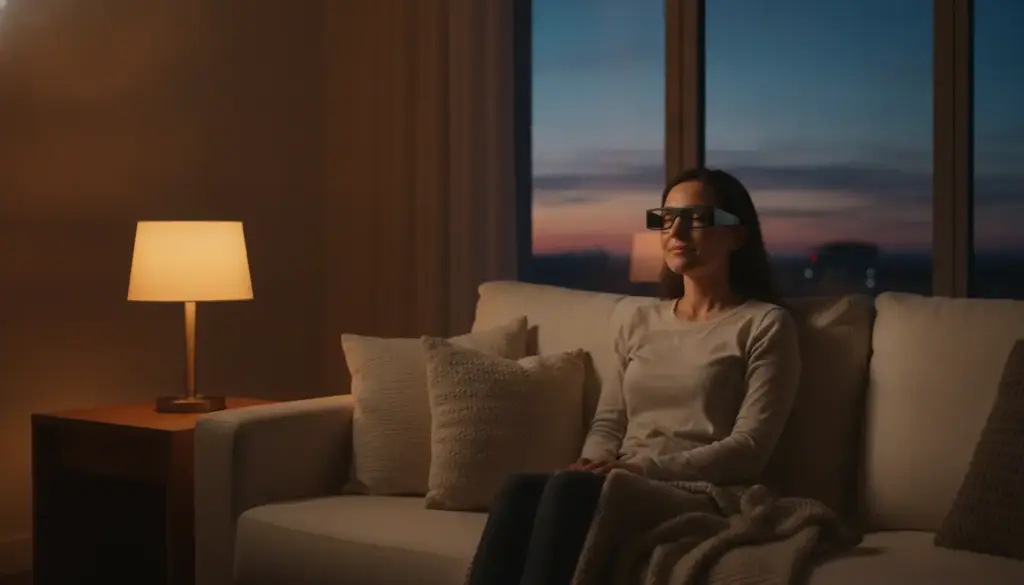
Transitioning away from visual media in the evening requires replacing screen habits with engaging alternatives. Open-ear audio smart eyewear allows users to maintain digital connectivity without subjecting their visual system to glowing displays.
By shifting late-night media consumption from visual processing to directional audio listening, users can begin lowering central nervous system arousal up to two hours before going to bed. Open-ear micro-speakers project sound directly toward the wearer’s temples while keeping the ears open, allowing users to remain aware of their home environment and family members.
Practical Daily Strategies for Restorative Sleep and Eye Care
To help reduce digital fatigue and prepare your body for deep restorative sleep, health experts recommend building visual rest into your daily routine:
- Follow the 20-20-20 Rule: After every 20 minutes of screen work, rest your eyes by looking at something 20 feet away for at least 20 seconds to relax your eye muscles.
- Try a Screen-Free Buffer: Turn off smartphones, tablets, and televisions at least 60 minutes before bed to allow natural melatonin levels to build.
- Leverage Hands-Free Audio: Instead of reading articles or watching videos at night, switch to listening to audiobooks, podcasts, or voice-based assistants with open-ear smart eyewear for hands-free audio.
- Avoid Glare from the Environment: Polarized lenses are a must-have outside, protecting your eyes from harsh UV rays and glare while easing overall optical strain all day long.
Recognizing the common signs of lack of sleep eyes, such as redness, puffiness, twitching, and persistent dryness, is an important reminder that ocular recovery is highly reliant on quality sleep hygiene.
Guidelines for Visual Ergonomics and Ocular Health
Health authorities at Johns Hopkins Medicine emphasize that recommendations on clinical visual ergonomics stress the importance of reducing glare from the environment, positioning monitors slightly below eye level, and taking periodic screen breaks to avoid chronic ocular fatigue and strain.
Research published by the Sleep Foundation also reinforces that managing blue light exposure in the hours leading up to bedtime is essential to preserving circadian rhythms and achieving deep, uninterrupted sleep cycles.
The Road to Better Sleep
Technology doesn’t need to be at odds with your health and sleep quality. Switching from head-down screen interaction to screenless, hands-free wearables lets you stay in touch while giving your eyes—and your mind—the time they need to recharge. One of the best things you can do for your nightly restorative sleep is to protect your vision throughout the day.