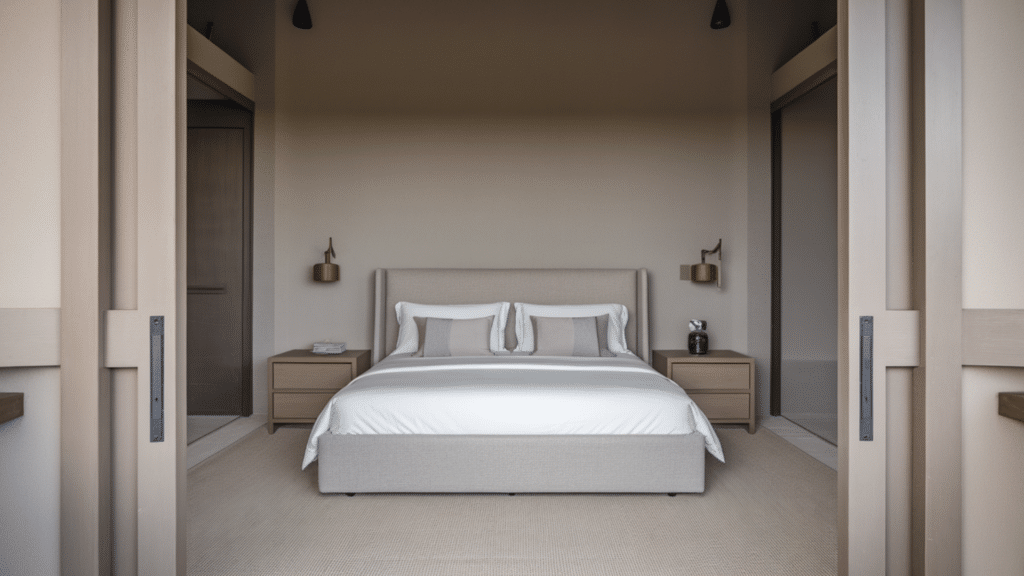



Creating a calm bedroom environment is important for getting good sleep. Sleep affects many parts of our lives, like our mood, thinking, and health. By making your bedroom peaceful and inviting, you can relax more easily and enjoy better sleep.
Transforming your bedroom doesn’t have to be hard. Small changes can greatly improve your sleep experience. By focusing on comfort, controlling lighting and temperature, managing sound, decluttering, and adding personal touches, you can create a peaceful space for restful sleep. These changes can help improve not just your sleep, but also your overall well-being. A few thoughtful choices can lead to peaceful nights and refreshing mornings.
Here are some simple ways to turn your bedroom into a sleep sanctuary.
Comfortable Bedding
The first step to a good sleeping environment is your bedding. A good mattress is key to your comfort. If you often toss and turn, it might be time to look for a better mattress that fits your body well. Choose breathable materials to help control your temperature at night.
Pillows are also very important. A good pillow can improve comfort and support. Pick a pillow that matches your sleeping position, whether you sleep on your side, back, or stomach. Finally, select soft sheets that feel nice against your skin. Cotton or bamboo sheets are excellent choices because they are breathable and comfortable, helping you relax at night.
Window Replacement
If you’re thinking about a big upgrade, consider window replacement Portland. Modern windows often have better insulation and soundproofing. They can help create a quiet space for sleep by reducing noise and controlling indoor temperature.
Upgrading to double- or triple-pane windows can block outside noise, such as traffic or construction. New windows act as a barrier, keeping your sleep environment peaceful. This not only improves your sleep quality but also refreshes the look of your space.
Lighting Control
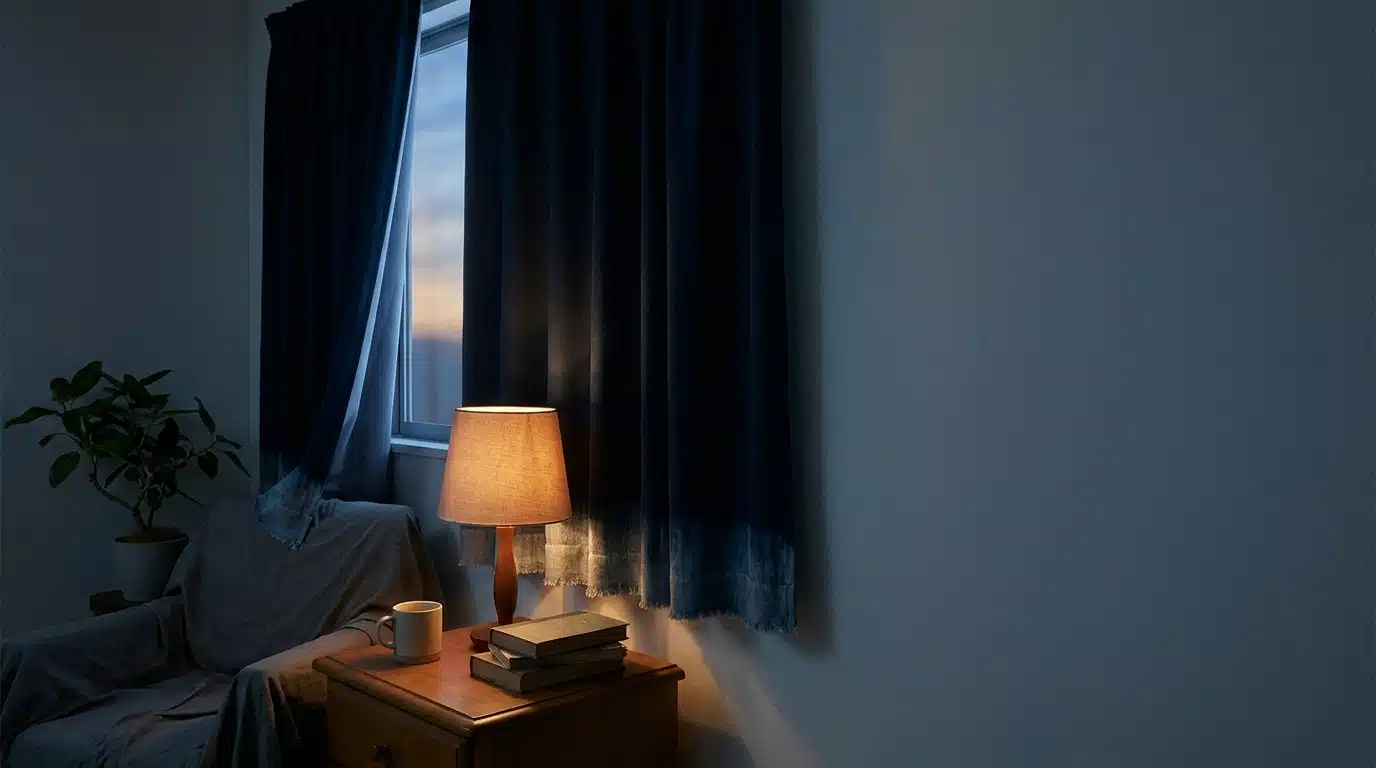
Good lighting helps create a relaxing atmosphere and can affect how easily you fall asleep. Use adjustable lighting, like dimmers or soft bedside lamps, to control the brightness as you get ready for bed. Keeping the lights dim signals your body that it’s time to wind down.
For complete darkness, consider using blackout curtains. These curtains block outside light and help keep your bedroom at a comfortable temperature at night. Less light helps your body produce melatonin, a hormone that controls sleep. With the right lighting, you will find it easier to drift off into a peaceful sleep.
Temperature Control
Keeping your room cool is important for a good night’s sleep. The best temperature for sleeping is around 60-67 degrees Fahrenheit. You can reach this by adjusting your thermostat or using fans to improve air circulation.
Choose bed linens made from breathable materials for better temperature control. While flannel sheets are warm in winter, lightweight cotton or linen works better in summer. Layer your blankets so you can adjust your bed’s warmth by season. A cool, comfortable room helps you sleep deeply through the night.
Sound Management
Noise can disrupt your sleep. If outside sounds keep you awake, try using white noise machines or soothing sound apps to hide those distractions. Getting a window replacement may also help, especially if it gets noisy outside. These devices create a steady sound that helps you relax and fall asleep without being disturbed.
You can also soundproof your bedroom. Adding carpets, heavy curtains, or wall hangings can absorb unwanted noise and make the room quieter. By reducing noise, you can improve your chances of getting a restful night’s sleep.
Decluttering
A neat space helps you feel calm and ready for sleep. Start by decluttering your bedroom. Keep surfaces clear and remove anything that might distract you from sleeping. Embrace minimalism by choosing functional and attractive items for your space.
Closets can collect unwanted items, so take some time to sort through your belongings. Donate or throw away what you don’t need. A tidy space can help clear your mind, making it easier to fall asleep. An organized bedroom shows that this space is for relaxation.
Personal Touches
Don’t forget to add your personal touch. Soft colours like blues and greens promote calmness, while whites and greys create a clean feeling.
Include personal items like artwork or photos that bring you joy and comfort. Choose things that make you feel happy and peaceful, as this encourages you to unwind after a long day.