



Back when I first heard about waterbeds making a quiet comeback, I asked the same thing you might be wondering now: Do they still make waterbeds?
Waterbeds may not be as ubiquitous as they were in the ’80s, but they never completely disappeared. And today’s models? They’re warmer, stronger, and way more practical than you’d expect.
You’ll learn what waterbeds are, how they’ve changed, and why they faded from the spotlight. The pros, the cons, and how to find one are all covered here.
If you’re chasing better sleep, pressure relief, or just a nostalgic vibe, a waterbed might still be worth a look.
Do They Still Make Waterbeds Today?
Yes, waterbeds are still being made, sold, and even upgraded with smarter features. A waterbed is a type of mattress filled with water instead of foam or springs, sealed inside a durable vinyl layer.
They can be hardside models with a rigid frame or softside versions that look like standard mattresses. Some move gently with your body, while others use waveless technology to reduce motion.
While they’re no longer common in big-box mattress stores, they haven’t disappeared. Do waterbeds still exist? Absolutely. And are waterbeds still a thing? For a niche group of sleepers, yes, especially those seeking warmth, pain relief, or nostalgia. You can still find them through specialty retailers and online shops.
Today’s models include softside designs, waveless motion control, and energy-efficient heating. They’re more practical, supportive, and easier to maintain than you might expect, quietly holding their place in a market that values comfort and customization
Invention of Waterbeds: History and Advancements
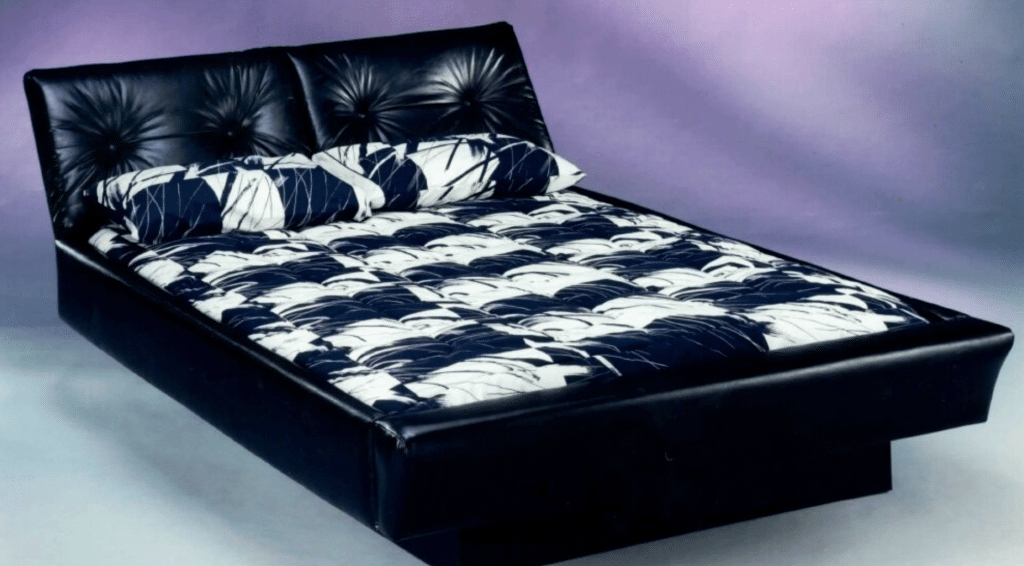
Waterbeds were invented in the late 1960s by Charles Hall, a design student seeking new comfort solutions.
By the 1970s and ’80s, they had become a cultural trend, known for their novelty, full-body support, and heated surfaces. At their peak, nearly 20% of U.S. mattress sales were waterbeds, popular for their unique design and comfort.
Modern Improvements Over Time
Early waterbeds often had wave motion and required frequent maintenance, but today’s models are far more practical. Waveless technology with fiber layers or baffles reduces motion, while softside designs fit standard sheets.
Stronger vinyl, dual-zone heating, and easier fill/drain systems are now common, making them more durable and user-friendly.
Why They Declined in the 90s
By the 1990s, waterbeds had declined due to their size, weight, and complex setup. Leaks, heater issues, and regular water treatment turned off many buyers.
At the same time, memory foam and hybrid mattresses offered similar comfort with less upkeep, and big-box retailers phased waterbeds out, shifting them into a niche market.
Modern Waterbeds – What’s Changed
Today’s waterbeds are designed to be more practical and comfortable than the ones from decades ago.
Manufacturers have addressed many of the issues that once made them inconvenient, such as excessive motion, risk of leaks, and the need for heavy frames.
Waveless technology is now common, using internal layers to reduce the rolling sensation that older beds were known for.
Multi-chamber systems provide better body support, helping keep the spine aligned while minimizing pressure points.
Built-in temperature controls let you keep the water warm in the winter and cooler in the summer, making them comfortable year-round.
You can still choose between hard-side and soft-side designs. Hard-side beds offer the classic waterbed feel, while soft-side models fit inside standard bed frames and look more like regular mattresses.
Modern construction also includes stronger seams, protective liners, and reinforced materials to greatly reduce the risk of leaks.
Benefits of Sleeping on a Waterbed
Waterbeds may not be as common as they once were, but they still offer unique benefits. These features can improve sleep quality and comfort for many people.
- Comfort and spinal alignment: The bed contours to your body, keeping your spine in a natural position and reducing pressure points.
- Back pain relief and medical uses: Gentle, even support can ease back pain and help with conditions like sciatica.
- Customizable firmness and warmth: You can adjust water levels for your preferred firmness and use built-in heaters for a cozy, muscle-relaxing surface.
For the right sleeper, these benefits make waterbeds a comfortable and supportive choice.
Are Waterbeds Still Worth It?
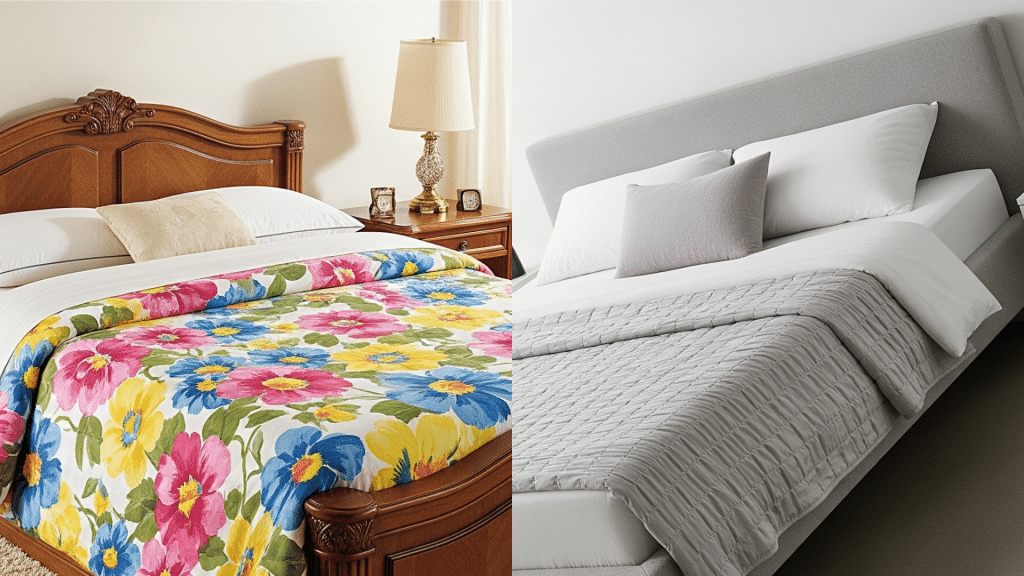
Waterbeds aren’t for everyone, but they offer a different kind of support some sleepers really appreciate, especially the heat and pressure relief. They may be worth considering.
But they also come with quirks that might not suit everyone’s lifestyle.
Pros and Cons of Waterbeds
Waterbeds offer unique comfort and support, but they also come with downsides. Here’s a quick comparison to help you decide:
| Pros | Cons |
|---|---|
| Even full-body support | Heavy and difficult to move |
| Heated surface relaxes muscles | Risk of punctures if not handled carefully |
| Can relieve joint and back pain | Requires regular maintenance and water level adjustments |
| Floating sensation, unlike traditional mattresses | Some people dislike the motion or temperature control setup |
While waterbeds provide real comfort for some, they may not suit everyone’s lifestyle or expectations around convenience and upkeep.
How to Choose the Right Waterbed
Buying a waterbed is different from choosing a regular mattress. Knowing the main options will help you find one that fits your comfort and space needs.
- Waveless vs. free flow: Waveless designs use fiber layers to reduce motion, while free flow models give you the full wave experience.
- Hard-side vs. soft-side: Hard-side beds require a special frame, while soft-side beds fit into standard bed frames.
- Size and frame compatibility: Make sure the bed size matches your space and works with your current or planned frame.
- Heating system considerations: Look for a reliable, adjustable heater to keep the water at a comfortable temperature year-round.
Choosing the right type ensures you’ll get the comfort you want without running into fit or setup problems later.
Buying Guide: Compare Today’s Top Models
Choosing the right waterbed depends on your budget, comfort needs, and how much upkeep you’re okay with.
| Model Type | Price Range | Waveless | Heating | Back Support | Sheet Compatibility | Best For |
|---|---|---|---|---|---|---|
| Basic Hardside | $89 – $300 | No | Optional | Low | No | Budget Shoppers |
| Mid-Range Softside | $400 – $800 | Partial | Yes | Medium | Yes | Everyday Comfort |
| Premium Waveless | $900 – $1,400 | 90–99% | Yes | High | Yes | Back Pain Relief |
| Luxury Softside Bundle | $1,500 – $2,400+ | 99% | Dual-Zone | High | Yes | Luxury and Maximum Comfort |
This all-in-one comparison helps you weigh features, pricing, and comfort benefits to find the right waterbed for your specific needs.
Where Can You Buy Waterbeds Today?
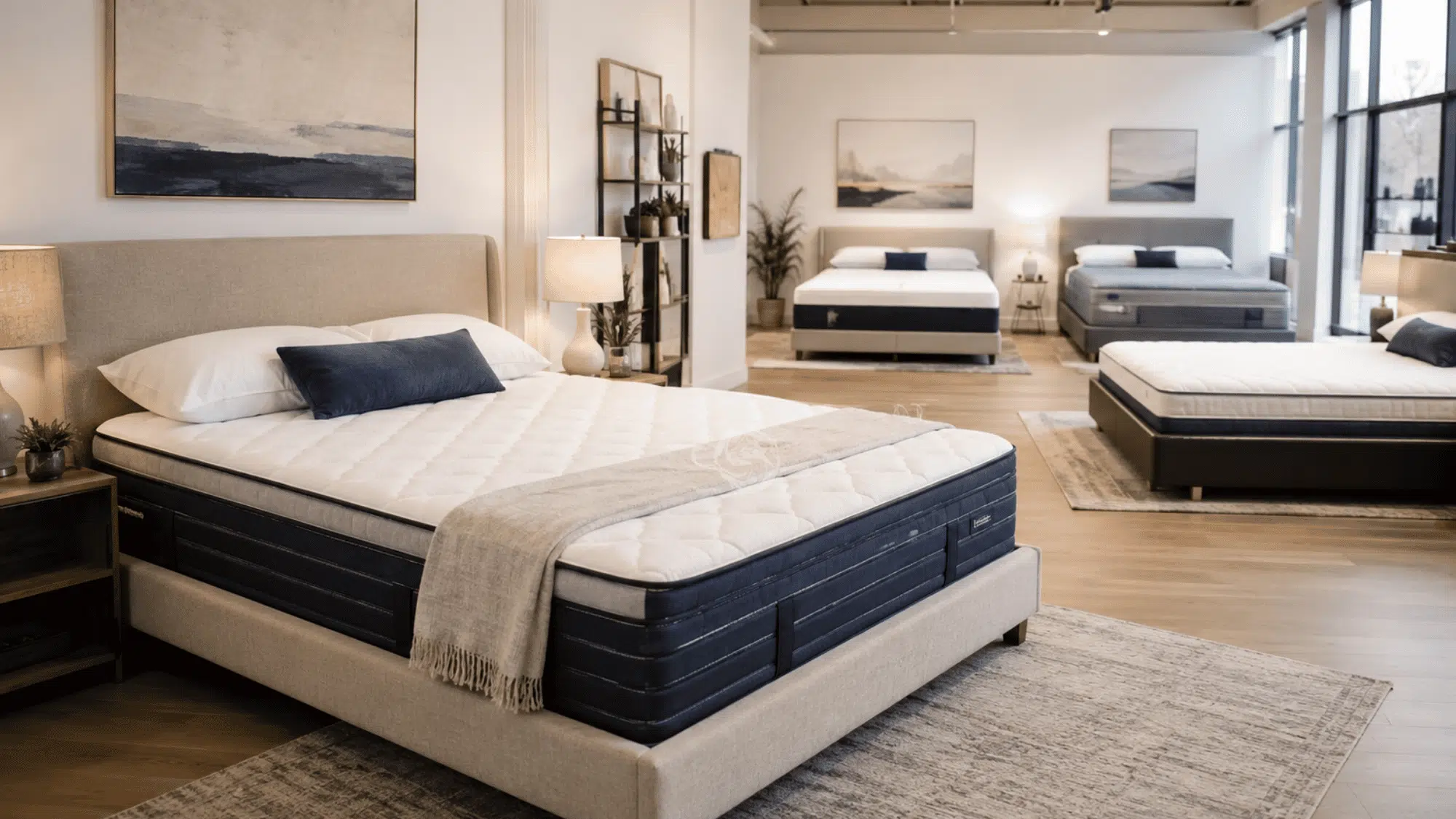
While waterbeds aren’t widely sold in big-box stores, they’re still available through reputable specialty brands and online retailers. Companies like Strobel, Sterling Sleep, and Land O’ Dreams continue to manufacture and sell modern waterbeds.
You can also find options on trusted platforms like Amazon and Wayfair, which often carry both budget and premium models.
Some local mattress shops still carry softside or waveless designs upon request. These sources make it easier for interested buyers to find different types, compare features, and choose what fits their needs best.
Conclusion
Waterbeds may not be as popular as they once were, but if you’re wondering, “Do they still make waterbeds?” the answer is definitely yes. Today’s versions are warmer, stronger, and more practical, offering comfort and support that some people just can’t find in a traditional mattress.
Now that you know the history, pros, cons, and where to find them, you can decide if a waterbed is the right fit for your lifestyle. Think about your comfort preferences, the space you have, and how much maintenance you’re willing to take on.
With the right choice, you could enjoy sleep benefits for years to come.
If you’d like more tips and guides on finding the perfect bed or creating a better sleep setup, check out my other blogs for practical advice that works in real life.





4 Responses
Thank you for this weath of information. It was interesting to learn of the history of its start in popularity and some reasons for the scarcity of local brick and mortar stores at present times. I believe that I find myself in need of replacements for my king-size waterbed mattress as it has started to leak. The store where I made my purchase has gone out of business.
Unfortunately most people don’t know about the soft sided as it is much lighter and comfortable as it gets. I have been using a waterbed since 1983 and started using the soft sided in 1997 and I can’t imagine being without one.
Thank you for the informative information. I do believe that my next bed will be partial wave soft side. Back in the day, I loved my water bed.
My husband and I had a waterbed for about 10 years or so. When we moved house it did not move well and we were unable to use it. However, although we have a very good bed at the moment, I still long for another waterbed and will follow up on your advice on where to get one. Thank you