

Most people judge their sleep by the clock. They count the hours, note how long it took to drift off, and decide the night was either a success or a failure based on those numbers alone. What rarely enters the calculation is the position the body held for all those hours, and whether that position allowed the muscles to release or quietly forced them to keep working.
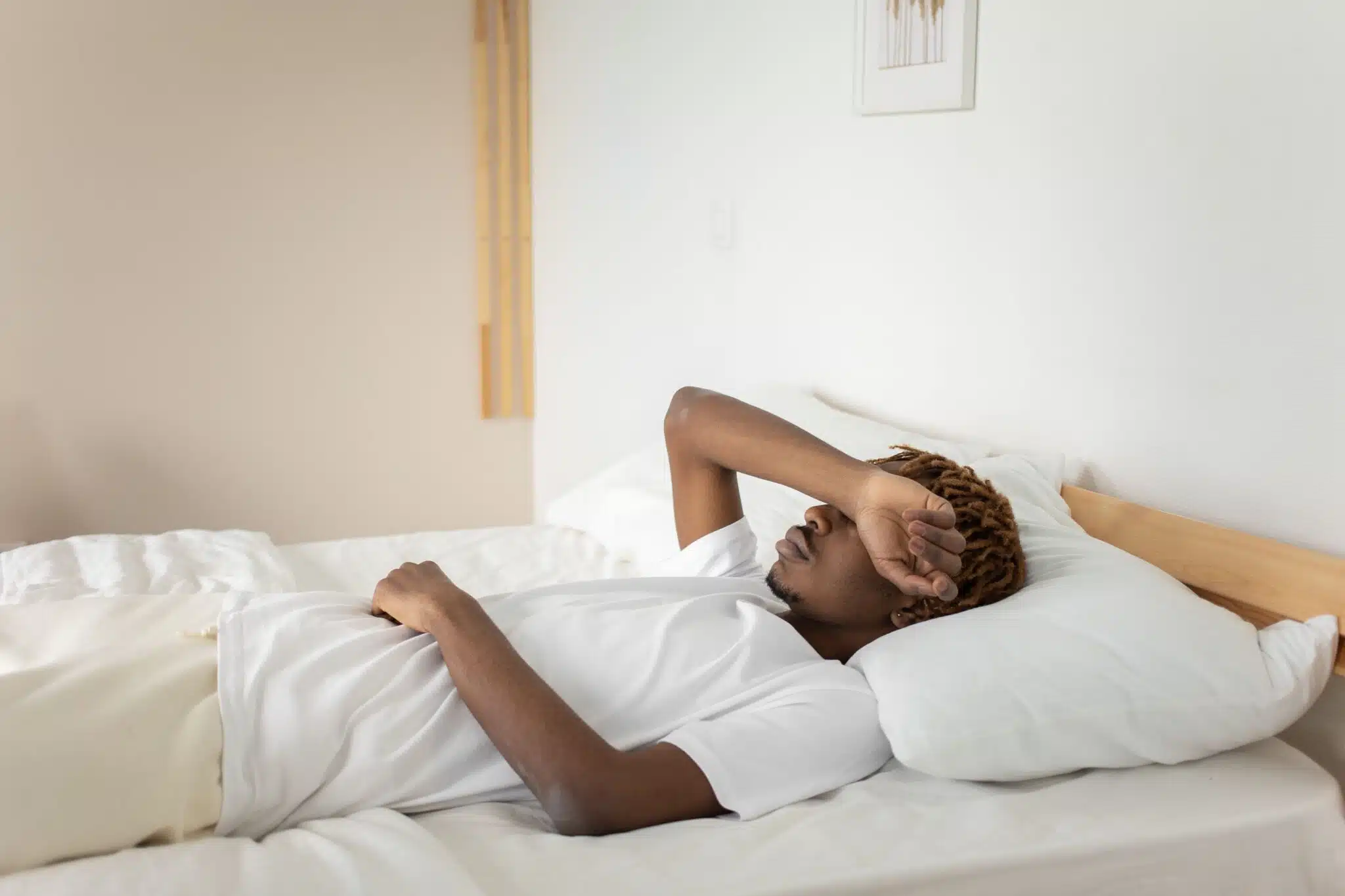
Rest is supposed to be the one stretch of the day when the body stops bracing itself. Yet plenty of people wake stiffer than they were when they lay down, carrying a tightness through the shoulders and upper back that no amount of stretching seems to shift. The explanation is usually simpler than it appears, and it has far more to do with support and posture than with willpower or sleep hygiene.
What Happens to the Body During Hours of Stillness
Lying down removes the load that standing and sitting place on the spine, but it does not automatically put the body in a restful shape. Neck pain is one of the most persistent problems to bring into bed, because holding an unsupported position for six or seven hours can tighten the very muscles that were meant to switch off.
A sleep surface that keeps the upper spine level with the rest of the body is the most direct way to break that pattern. Anyone who has spent months sleeping with neck pain tends to notice the difference within the first couple of weeks once the support underneath them finally matches the way they actually lie.
How Alignment Shapes the Quality of Rest
Alignment simply means the spine keeps its natural curve rather than being pushed out of shape by whatever it rests on. When that curve is respected, the muscles running along either side of the spine have no reason to engage. They lengthen, blood moves through them freely, and the body settles into the deeper stages of sleep without interruption.
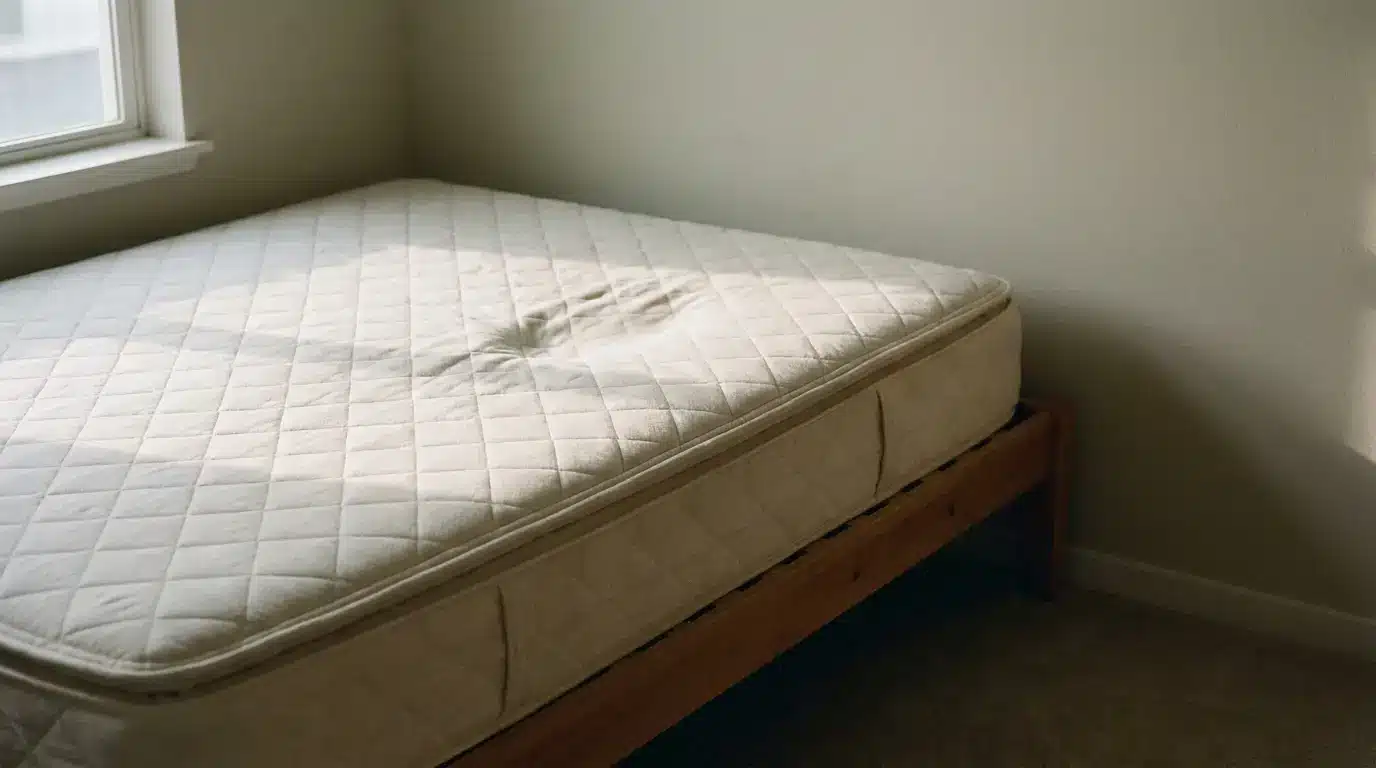
When alignment is lost, the opposite happens. A surface that sags in the middle lets the hips drop lower than the shoulders, which bends the spine into a shallow curve it was never meant to hold overnight. A surface that is too rigid creates the reverse problem, leaving gaps where the body’s natural hollows should be cushioned.
The Role Muscle Tension Plays Overnight
Muscle tension is not always something you can feel while it is happening. A muscle can stay lightly contracted for hours without producing any sensation strong enough to wake you, which is why so many people are surprised by how sore they feel at the first movement of the day.
That low-level contraction has a cost. Working muscles use oxygen and produce waste products that would normally be cleared during rest. Held in place all night, they accumulate. The result is the heavy, gripped feeling across the shoulders that so often greets people before they have even sat up, along with a restricted range of motion that can take an hour or more to loosen.
Choosing a Sleep Surface That Supports the Spine
The most useful quality in a mattress is not softness or firmness in the abstract. It is the ability to hold the heavier parts of the body at the same height as the lighter parts, so the spine runs in a straight, natural line from the base of the skull to the tailbone.
Medium to medium-firm surfaces achieve this for most people. They give enough at the shoulders and hips to let those areas sink slightly, while staying firm enough under the waist and lower back to stop the middle of the body from dropping.
Why Pillow Height Deserves More Attention
A good mattress can be undone by the wrong pillow. The pillow’s only real job is to fill the space between the shoulder and the head so the upper spine continues in the same line as the rest of the body. Too much height tilts the head forward. Too little lets it fall back.
The correct height depends entirely on sleeping position. Side sleepers have the widest gap to fill and need the most loft. Back sleepers need noticeably less. Stomach sleepers need almost none at all, and many do better with no pillow under the head.
Sleeping Positions and What Each One Asks of the Body
Back sleeping distributes weight most evenly and places the least strain on the spine, provided the pillow keeps the head from being pushed forward. Side sleeping is the most common position and works well when the surface allows the shoulder to settle in and a pillow between the knees keeps the hips square.
Stomach sleeping is the hardest position for the body to hold. It turns the head to one side for hours and presses the lower back into an arch. Anyone who cannot give it up should at least use the thinnest pillow possible and place a flat cushion under the hips to reduce the arch.
Signs Your Current Setup Is Working Against You
There are reliable clues. Waking stiff and easing out of it as the morning goes on points to something in the sleep setup rather than an injury. So does sleeping better in a hotel bed than at home, or finding that the discomfort eases on days spent away from your own mattress.
Visible sagging, a surface more than eight or nine years old, or a pillow that no longer springs back when squeezed are all straightforward signals. None of them require a specialist to interpret.
Building a Routine That Protects Your Rest
Better sleep is rarely the result of a single change. It comes from a surface that holds the spine level, a pillow matched to the way you lie, a position the body can hold without strain, and a few minutes of unwinding before the lights go out.
Each of these is small on its own. Together they decide whether the hours spent in bed genuinely restore the body or simply pass. Given how much of a life is spent lying down, the setup underneath deserves more thought than it usually gets.