
Sleepers often blame nighttime discomfort on room temperature, blankets, or the mattress. Fabric choice also affects how quickly heat and moisture leave the skin. Eucalyptus-based lyocell feels cooler because its smooth fibers manage perspiration and airflow differently than cotton. That difference becomes clearer after several hours under bedding, when heat builds faster than it can escape. Knowing how these materials work helps shoppers choose sheets for steadier comfort and fewer wake-ups.
People comparing sheets should examine more than softness. Fiber, yarn, weave, and finishing treatment influence heat release, moisture movement, and skin contact. A set of eucalyptus sheets emphasizes fiber behavior because TENCEL lyocell creates a smooth surface that moves perspiration away from the skin. That difference matters after midnight, when moisture makes cotton feel warmer and heavier.
Why Fiber Structure Changes Heat
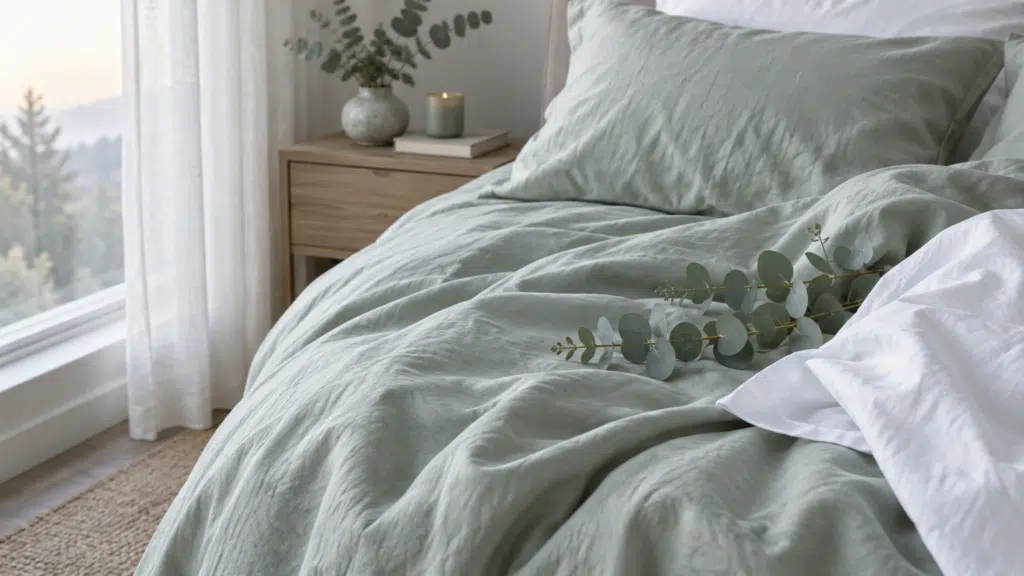
Eucalyptus sheets use TENCEL lyocell, a regenerated cellulose fiber made from wood pulp. The fiber forms a smooth, even surface that rests lightly against the body. That construction reduces the rough, clingy sensation that makes warm bedding more noticeable.
Thermoregulatory fabrics such as cotton absorbs moisture into its structure. This quality makes cotton comfortable in many settings, but damp fabric can remain close to the skin. As the body releases heat during sleep, wet cotton holds warmth longer than fabric that moves moisture toward evaporation.
Sheet construction also affects the result. A loose, breathable weave allows more air movement than a dense weave made from the same fiber. Fiber content matters first, but yarn size, weave density, and finishing still shape the final sleep experience.
How Moisture Leaves the Skin
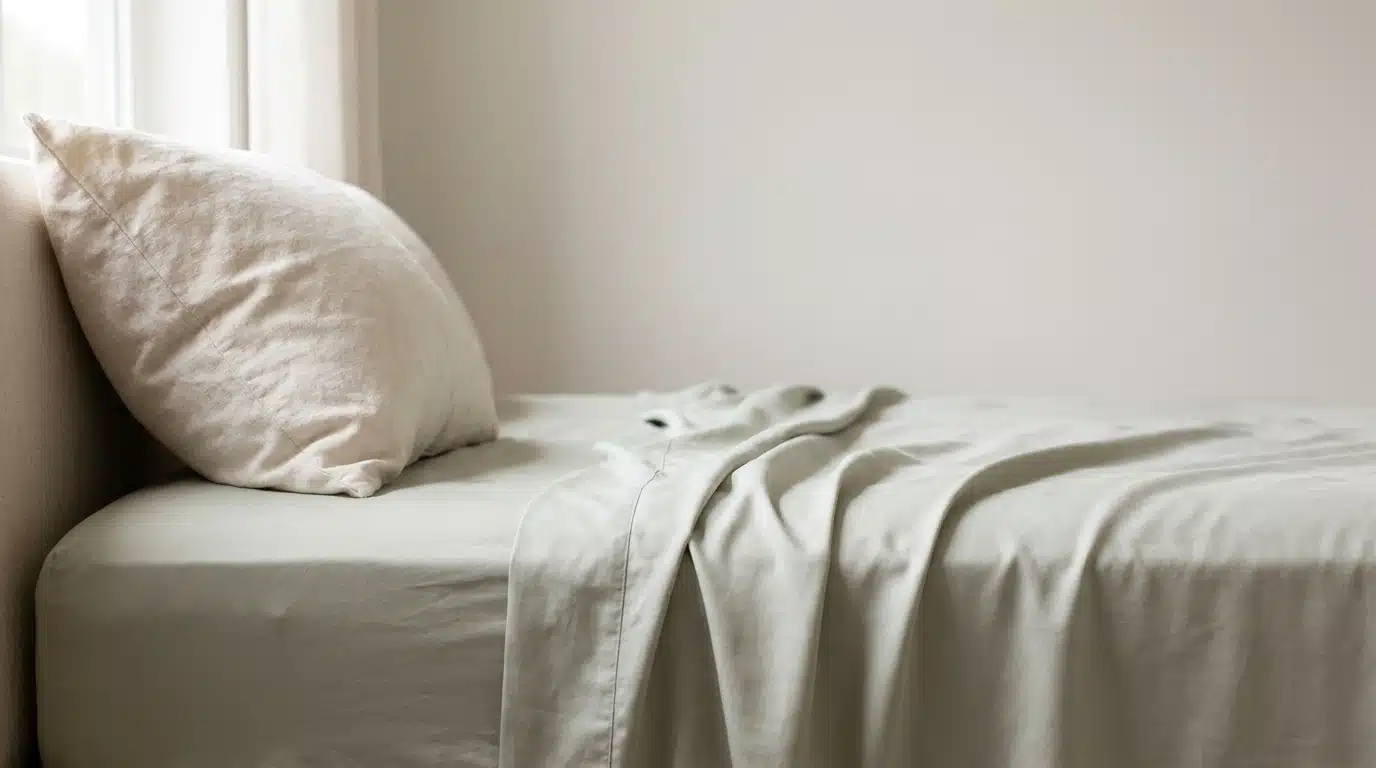
The body releases heat through perspiration as well as direct contact with bedding. A cooling sheet must move moisture away from the skin, spread it across the fabric, and allow it to dry. TENCEL lyocell supports this process through its moisture-management properties.
A smooth lyocell surface also creates less friction against the body. That matters for sleepers who shift positions or dislike fabric that clings around their legs. The sheet feels cooler because the skin stays drier and receives less trapped heat from damp material.
Cotton can remain comfortable in a dry bedroom with moderate temperatures. During humid nights or heavier perspiration, however, absorbed moisture changes the fabric’s feel. The sheet becomes warmer against the body as drying slows.
Why Cooling Lasts Through the Night
Many fabrics feel cool when first placed on the bed. A sheet stays cooler when it continues managing heat and moisture after hours of contact.
TENCEL lyocell helps maintain that balance because its surface moves moisture across the fabric instead of keeping it concentrated beneath the sleeper. Air then reaches a larger area, supporting faster evaporation. The sleeper experiences less dampness and fewer temperature swings.
Cotton’s performance varies with its weave and weight. Lightweight cotton can breathe well, while dense cotton can hold more warmth. Even breathable cotton still absorbs perspiration, so comfort depends heavily on bedroom humidity and the sleeper’s perspiration level.
What to Check Before Buying Cooling Sheets
Start with the fiber label. A sheet marketed as cooling should identify its primary fiber rather than relying on vague claims about softness or freshness. TENCEL lyocell gives shoppers a clear material reference for comparing eucalyptus bedding.
Next, check the fabric weight and weave. Lightweight construction usually releases heat faster than heavy construction, though an extremely thin sheet can feel less substantial. A smooth finish can also reduce friction and keep the fabric comfortable against bare skin.
Care instructions deserve attention because residue affects fabric performance. Detergent buildup, fabric softener, and over-drying can change a sheet’s feel. Washing according to the care label helps preserve its original texture and moisture movement.
Room conditions still matter. A cooling sheet cannot remove heat from a hot, humid bedroom, but it can keep bedding from holding as much moisture against the body. Pairing breathable sheets with a lighter blanket creates a steadier sleep setup.
Conclusion
Cooling bedding works best when its fiber moves heat and moisture away from the sleeper instead of holding both close to the skin. Eucalyptus-derived TENCEL lyocell supports that result through a smooth surface and moisture management, while cotton’s absorbent structure can feel warmer as dampness accumulates.
The practical next step is simple: compare fiber content, weave, and care instructions before buying, then choose the lightest sheet combination suited to the bedroom and sleeping habits.