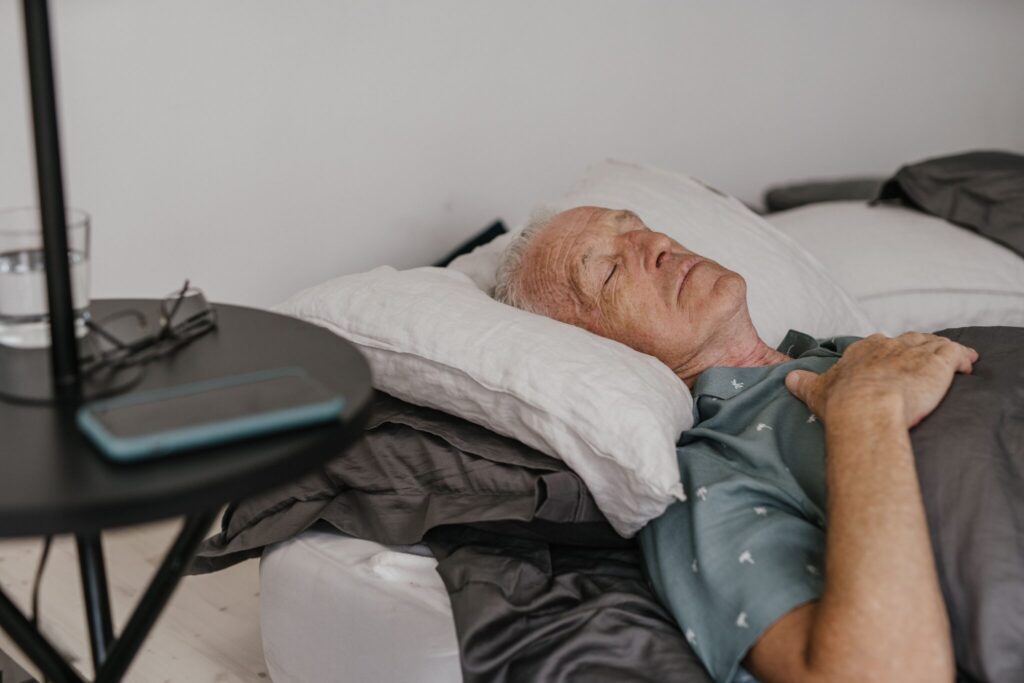
Getting a good night’s sleep is vital for everyone, but it can be especially tough for seniors. Changes in the body, medications, and lifestyle shifts can affect sleep patterns. Many older adults wake up during the night, get up too early, or don’t sleep as well as they did when they were younger. This can lead to tiredness, irritability, and poor health. Fortunately, there are practical ways to help seniors improve their sleep.
The first step is to understand your sleep challenges. It might feel daunting, but with some changes, you can enjoy better sleep. Let’s look at ways to improve sleep habits for seniors.
Comfortable Sleep Environment
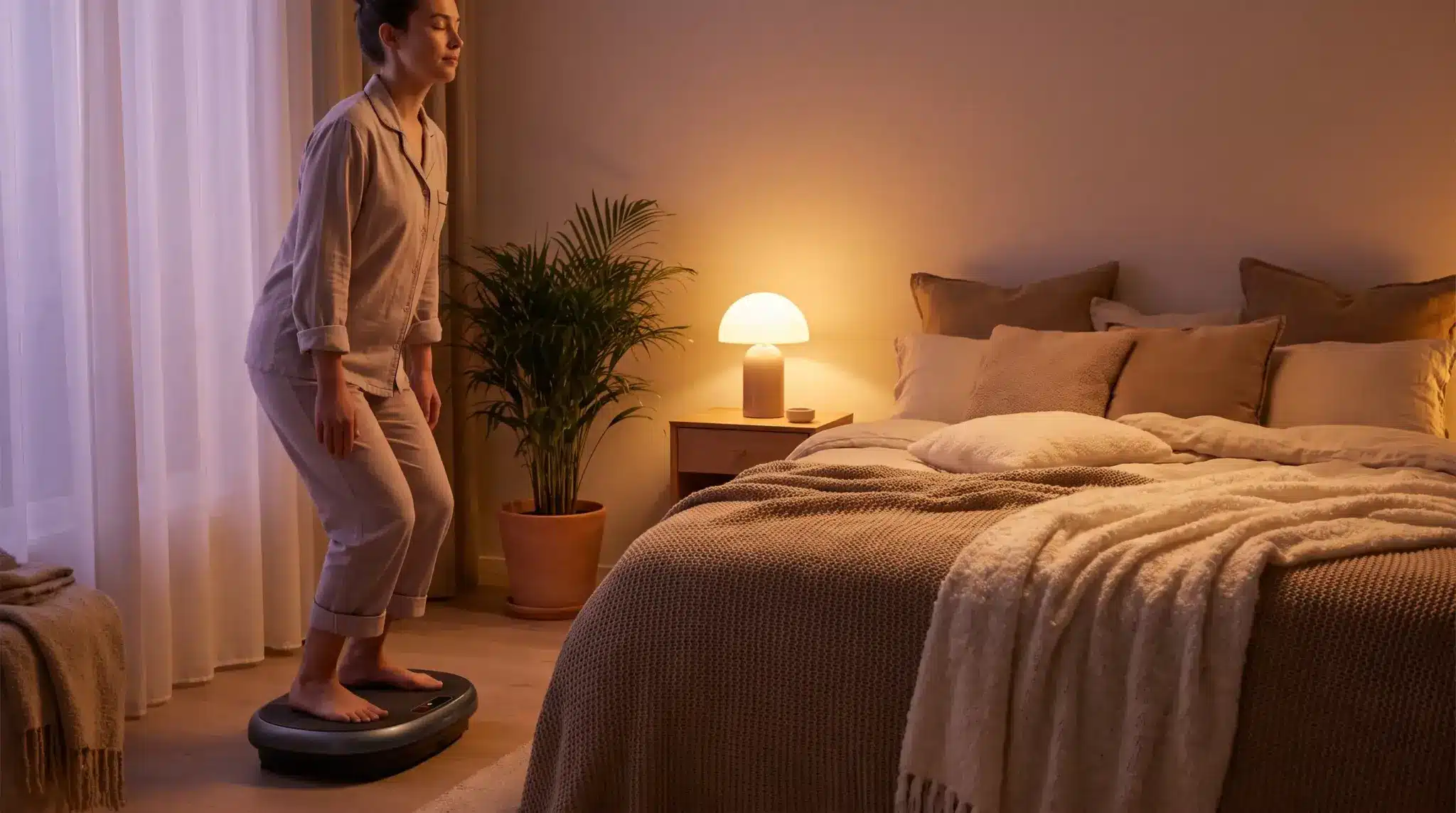
A comfortable sleeping area is important for better sleep. Check your bedroom setup. The mattress should be supportive but not too hard, and pillows should support your head and neck without causing pain. Keeping the room cool can also help many people sleep better.
Light and noise are important too. Use blackout curtains to block out morning light or a white noise machine to cover up distracting sounds. Small changes, like turning off screens at least an hour before bed, can also lead to better sleep.
Make the bedroom calming. Declutter the space and use soft colours in the decor to create a peaceful area for rest.
Balanced Diet and Hydration
What you eat and drink can greatly affect your sleep. A balanced diet is key; focus on whole grains, fruits, vegetables, lean proteins, and healthy fats. Avoid big meals right before bed, as heavy or spicy foods can disrupt sleep.
Staying hydrated is also crucial, but timing is important. Drink enough water throughout the day, but limit fluids a few hours before bed to avoid late-night bathroom trips. Herbal teas can be calming in the evening, but watch out for caffeine.
Some foods can help promote sleep. Consider adding almonds, cherries, or warm milk to your evening routine for better rest.
Routine and Relaxation Techniques
Create a bedtime routine to tell your body it’s time to sleep. Go to bed and wake up at the same time each day, even on weekends. This helps regulate your body clock and makes it easier to fall asleep and wake up refreshed.
You might find relaxation techniques helpful before bed. Light reading, gentle stretches, or meditation can calm your mind. Try different activities to see what helps you relax most.
For those who enjoy socializing, joining community activities at a retirement home can be beneficial. Group relaxation exercises or yoga can be a fun way to unwind and connect with others, improving your sleep through positive interactions.
Assisted Living
For some seniors, assisted living communities can support better sleep. These facilities often offer wellness programs that include sleep health. Staff can help with medications, diet, and keeping a regular routine, which helps residents improve their sleep patterns.
Residents also gain from communal living, which can lessen feelings of loneliness or anxiety, leading to better mental health and improved sleep. Many facilities provide quiet hours and peaceful surroundings, along with activities that promote a balanced lifestyle.
Physical Activity and Sunlight Exposure
Staying active can greatly improve your sleep. Regular exercise helps set a good sleep schedule and reduces insomnia. Activities like walking, swimming, or aerobics are great for your health and can lead to better sleep. Try to work out during the day instead of close to bedtime, as exercising too late can make sleep harder.
Getting sunlight during the day also helps control your body’s sleep-wake cycle. Spend time outdoors or near windows to get natural light. This helps your body know when to be awake and when to sleep, leading to better rest.
Improving your sleep habits is possible, especially for seniors. Making small, intentional changes can bring big benefits over time. Taking steps to enhance your sleep can lead to a healthier and happier life.
Cognitive Behavioural Techniques
Cognitive Behavioural Therapy for Insomnia (CBT-I) helps seniors sleep better by changing unhelpful thoughts and behaviours. It encourages people to challenge negative ideas about sleep and build positive habits. Seniors may find it useful to work with a therapist who specializes in sleep issues or use self-help resources available online. By using these techniques, they can improve their sleep quality and develop a healthier attitude towards sleep.
Technology Aids for Better Sleep
While too much screen time can hurt sleep, some technologies can help improve it. Sleep-tracking apps or devices can show sleep patterns and help identify problems affecting rest. These tools track sleep cycles and provide feedback on how lifestyle changes may affect sleep.
Seniors can also try relaxation apps that offer calming music, nature sounds, or guided meditations to assist with sleep. Setting reminders for bedtime routines or meditation sessions can help establish healthy sleep habits. By using technology wisely, seniors can create a better sleep environment.