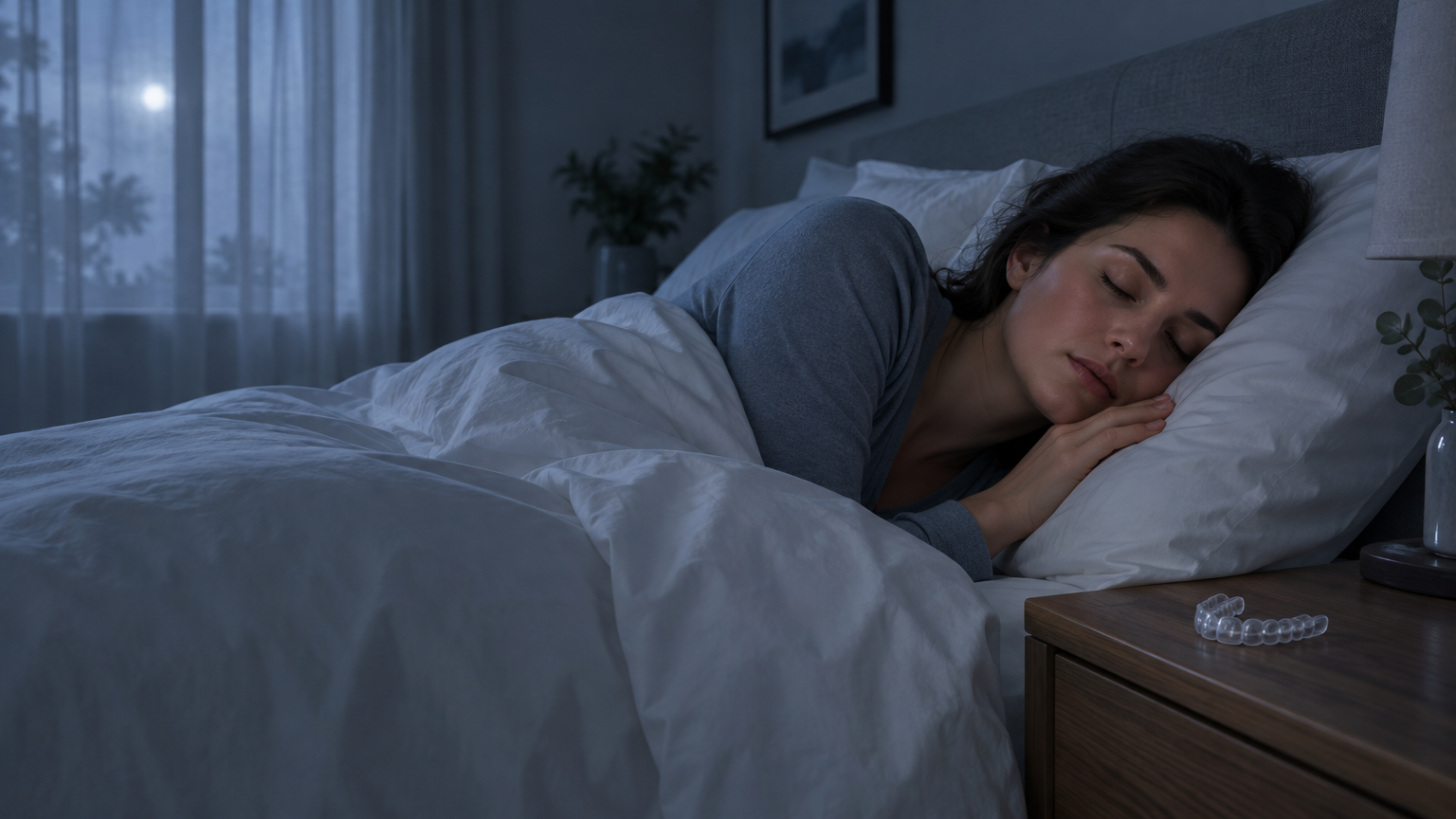

A sleep aid device can be a practical addition to a healthy recovery routine, especially when stress, muscle tension, and an overactive mind make it difficult to fall asleep or wake up feeling refreshed.
Good sleep is often treated as the reward for a productive day, but in reality, it is one of the foundations that make productive days possible in the first place.
Many people spend time improving their workouts, eating healthier meals, or stretching after exercise, yet overlook the quality of their sleep even though it influences physical recovery, mental focus, mood, and long-term wellness.
If you’re exploring ways to improve your nightly routine, learning how a sleep aid device can complement movement practices like Gyrotonic classes is a smart place to start.
Why Recovery Doesn’t End After Exercise
Recovery begins the moment your workout ends, not when your next session starts.
During sleep, your body repairs muscle tissue, restores energy stores, regulates hormones, and processes the physical demands of the day.
Without enough quality sleep, even a well-designed fitness program can deliver disappointing results.
Think about someone who finishes an intense workout in the evening but spends the next three hours scrolling through social media before finally falling asleep.
Despite exercising consistently, they may still wake up feeling tired, stiff, and mentally drained because their recovery window was interrupted.
This is why recovery strategies should include both movement and relaxation instead of focusing on exercise alone, and practices like gyrotonic classes Palo Alto can complement that approach by improving mobility, reducing muscle tension, and encouraging the mindful movement that supports better recovery and sleep.
The Connection Between Stress and Poor Sleep
Many sleep challenges are closely linked to stress rather than a lack of physical tiredness.
The body can remain in a heightened state of alert even after a long day, making it difficult to relax enough to fall asleep naturally.
This is especially common among professionals balancing demanding jobs, parents caring for young children, or students preparing for important exams.
Their bodies may feel exhausted, but their nervous systems continue signaling that it’s time to stay alert.
Over time, this pattern can affect energy levels, concentration, emotional resilience, and overall recovery.
Creating a calming evening routine helps send clear signals that the day is winding down.
How Relaxation Technology Fits Into a Healthy Routine
Modern wellness tools are designed to support relaxation instead of replacing healthy habits.
Many devices focus on encouraging calm through gentle sensory experiences that help users transition from a busy day into a more relaxed state.
Rather than forcing sleep, these tools aim to create an environment where falling asleep feels more natural.
When combined with consistent sleep schedules, reduced evening screen time, and good sleep hygiene, relaxation technology can become one piece of a broader recovery strategy.
The goal is not perfection but consistency.
Small improvements repeated every night often have a greater impact than dramatic changes that are difficult to maintain.
Why Gyrotonic Classes Palo Alto Support Better Recovery
Movement plays an equally important role in improving sleep quality.
Gyrotonic classes use flowing, circular movements combined with controlled breathing to improve mobility, posture, coordination, and body awareness.
Unlike high-impact workouts that may leave the body feeling depleted, these sessions encourage balanced movement while reducing unnecessary tension.
For people who spend hours sitting at a desk, the difference can be noticeable.
Gentle spinal movements, improved joint mobility, and focused breathing can help counteract stiffness that builds throughout the day.
Instead of ending the evening with tight shoulders and an aching lower back, participants often leave class feeling more open and relaxed.
That physical ease may also make it easier to settle into sleep later in the evening.
Combining Movement and Relaxation for Better Results
Recovery works best when multiple healthy habits support each other.
Imagine someone who attends an evening Gyrotonic session after finishing work.
The class helps release muscle tension that accumulated during hours of sitting, while slow breathing encourages the body to shift away from stress.
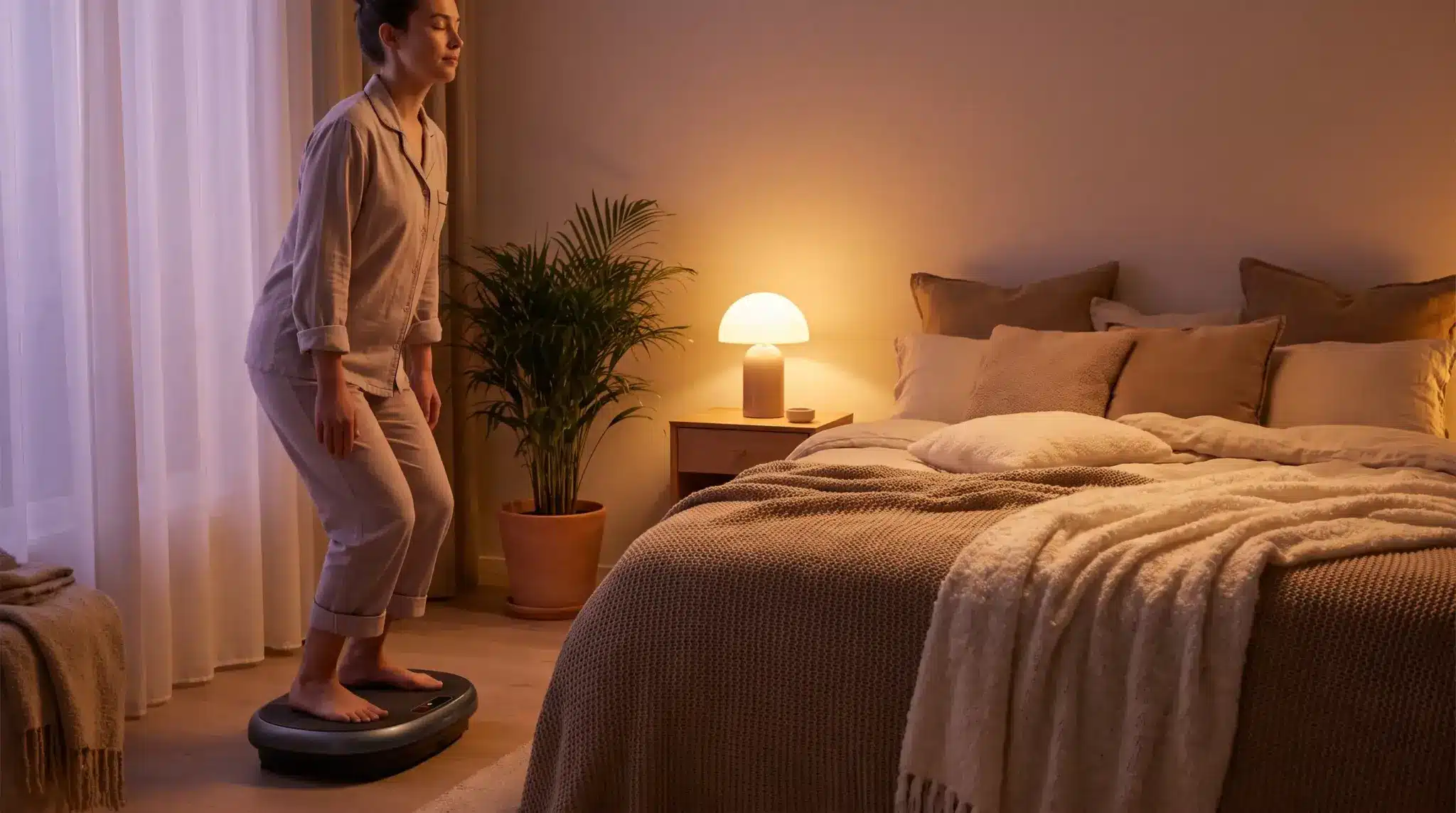
Later that night, they dim the lights, avoid checking work emails, and spend a few minutes using a relaxation tool before bed.
No single habit transforms their sleep overnight.
Together, however, these consistent choices create a routine that encourages deeper rest and more effective recovery.
This layered approach is often easier to maintain than searching for one perfect solution.
Building an Evening Routine That Actually Works
An effective nighttime routine does not have to be complicated.
Simple habits performed consistently usually produce better results than elaborate routines that quickly become overwhelming.
Consider finishing dinner at least a couple of hours before bedtime whenever possible.
Reduce bright screens during the last hour of the evening to minimize unnecessary stimulation.
Keep your bedroom cool, quiet, and comfortable.
If your schedule allows, try going to bed and waking up at roughly the same time each day, including weekends.
Adding gentle stretching, breathing exercises, meditation, or calming sensory tools before bed can further reinforce those healthy habits.
Over time, your brain begins associating these routines with relaxation instead of activity.
Who Can Benefit From This Approach?
Better recovery is valuable for far more than athletes.
Office workers dealing with daily stress can benefit from routines that help them disconnect after long workdays.
Parents juggling family responsibilities often need practical strategies that fit into busy evenings.
Older adults may appreciate movement practices that improve mobility while supporting overall wellness.
Even recreational exercisers who simply want to wake up feeling more refreshed can benefit from combining mindful movement with healthy sleep habits.
The common thread is not age or fitness level.
It is the need for consistent recovery that allows both the body and mind to perform at their best.
Small Changes Often Lead to Big Improvements
People frequently look for dramatic solutions when the biggest gains come from simple, repeatable habits.
Going to bed thirty minutes earlier, limiting late-night caffeine, moving your body regularly, and creating a calming bedtime environment can collectively make a meaningful difference.
Adding supportive relaxation practices to that routine may help reinforce those positive habits over time.
The focus should remain on building a lifestyle that encourages recovery rather than chasing quick fixes.
Final Thoughts
Quality sleep is not separate from physical wellness—it is one of its strongest foundations.
Pairing mindful movement like Gyrotonic classes with relaxation-focused bedtime habits creates a balanced approach that supports both recovery and overall well-being.
Instead of relying on a single strategy, combining healthy exercise, stress management, consistent routines, and supportive wellness tools gives your body the best opportunity to recover fully.
When recovery becomes part of your daily routine instead of an afterthought, better sleep, improved energy, and greater resilience often follow naturally.