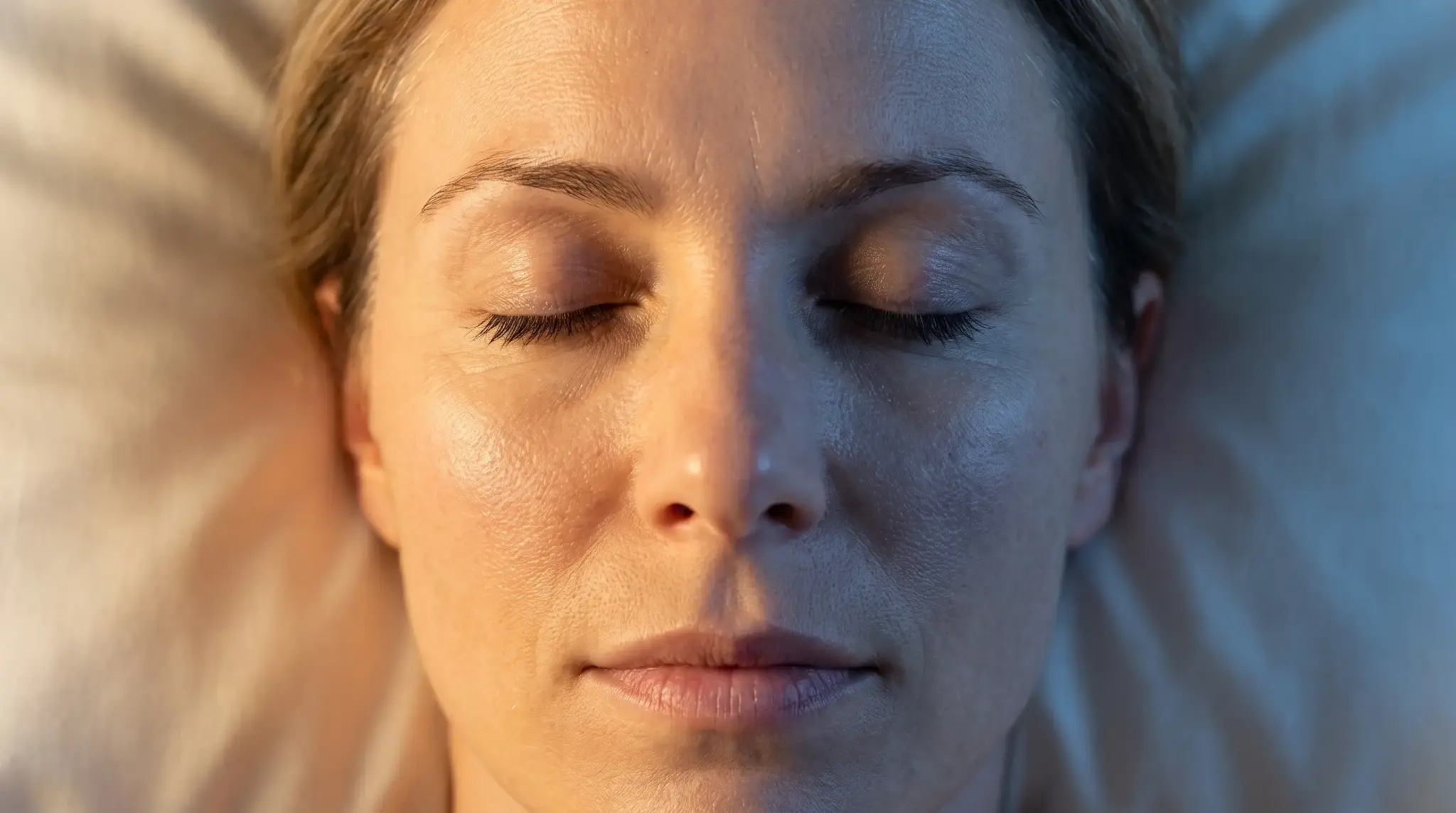

The right room temperature can help you sleep better and wake up feeling refreshed. A comfortable atmosphere makes it easier to relax instead of tossing and turning because you’re too warm or too cold. The ideal sleeping temperature is usually between 60 and 67 degrees Fahrenheit (15 to 19 degrees Celsius), but you may prefer something different. Comfort is personal, and knowing how to adjust your room helps you sleep well.
Temperature affects your sleep cycles and how quickly you fall asleep. When you sleep, your body’s core temperature drops, signalling that it’s time to rest. If your room is too hot, this cooling process can be interrupted, leading to restless nights. On the other hand, if your room is too cold, it can be uncomfortable and make it hard to settle down. Let’s find the best sleeping temperature for you.
Thermostat Setting
A reliable thermostat can help you set the right bedroom temperature for sleep. Start with a setting between 20 and 24 degrees Celsius. This range helps your body cool down naturally, which promotes better sleep. If you prefer it a bit warmer or cooler, adjust the temperature by one or two degrees until you find what feels good for you.
Don’t forget about changing seasons. In hot summer months, a cooler setting may be more comfortable, while in winter, a slightly warmer temperature might feel better. Humidity also matters. High humidity can make warm temperatures feel hotter, so you might want to lower the temperature further. If it’s too humid, consider using a dehumidifier to create a more comfortable environment.
Air Conditioner Installation
Air conditioner installation Saskatoon helps you control your bedroom temperature. A good AC unit cools the air during hot summer months, creating a peaceful place for sleep. Every living space is different, but an AC system tailored to your room’s needs offers consistent comfort.
Modern air conditioning systems are energy-efficient, so they can cool your room without significantly raising your energy bills. Buying a quality AC unit is a smart long-term investment. It not only controls temperature but can improve air quality. Proper installation prevents leaks, ensures good airflow, and maximizes the system’s effectiveness. This makes it a great choice for those wanting the perfect sleep environment.
Bedding Choices
The type of bedding you use can greatly affect your sleep temperature. Lightweight, breathable materials like cotton and linen work well for warm nights because they let air flow and keep you cool. Heavier fabrics like flannel are better for colder nights. Layering sheets, blankets, and comforters lets you adjust to temperature changes during the night.
Also, think about your pyjamas! Moisture-wicking fabrics work well for hot sleepers, while warmer fabrics are nice when it’s cold. Choosing the right bedding and sleepwear can help keep your body temperature steady while you sleep, leading to better rest.
Repair and Maintenance
Keeping your air conditioner in excellent condition is just as important as the initial installation. Regular AC repair and maintenance helps it run smoothly and maintain your preferred temperature. Simple tasks like cleaning or changing filters can boost efficiency, improve cooling, and extend the unit’s lifespan.
When problems occur, prompt AC repair is crucial. For example, if your unit is blowing warm air or not staying at the set temperature, a repair service can quickly identify and fix the problem. Regular check-ups can catch larger issues early, keeping your air conditioner in good shape. Investing time in maintenance pays off, ensuring your sleep space stays how you like it.
Ventilation Options
If you can’t install an air conditioner, consider other ways to keep your room comfortable. Fans can circulate air effectively, making the room feel cooler. Ceiling fans, desk fans, or oscillating fans create a gentle breeze that helps lower the perceived temperature. Opening windows at night can also bring in fresh air if the outdoor temperature is cooler, creating a pleasant sleeping environment.
Remember to close windows and blinds during the day to keep the heat out, especially in warmer weather. Some people find that blackout curtains help keep their room cooler and block light for better sleep. Good airflow in your room is key to regulating temperature and ensuring restful nights.
Personal Preferences
Everyone has different preferences for sleeping temperature. Spend time experimenting with various settings and elements in your sleeping area. You might want to track how different temperatures affect your sleep quality. The goal is to find a balance that keeps you comfortable and relaxed.
Small changes can lead to better sleep and improved well-being. Don’t hesitate to adjust your environment until it feels just right for you. A comfortable sleep temperature is vital for recharging each night.