
Walk into any mattress store, and you’ll hear about “cloud comfort,” “adaptive support,” and “cooling technology”, but ask what’s actually inside, and sales staff often can’t explain the difference between latex and polyfoam.
Understanding standard mattress sizes is just as important as knowing the materials used, as choosing the right size can significantly impact your comfort and sleep quality.
I’ve spent years testing materials to understand why some mattresses stay supportive for a decade while others sag within three years.
The truth is simpler than the industry wants you to believe. Foam density, coil construction, and material sourcing predict sleep quality far better than brand reputation or price tags.
This guide walks you through the materials that actually matter, helping you match construction types to your body weight, sleep position, and temperature needs without the sales pitch.
Marketing Labels Don’t Define Sleep Experience
The composition of a mattress determines every aspect of rest quality. Support and pressure relief depend on whether materials contour slowly (memory foam), respond instantly (latex), or provide targeted zones (innerspring coils).
Cell structure in foam layers controls airflow, open-cell designs ventilate heat, while dense structures trap warmth against the body.
Durability varies dramatically across materials: natural latex maintains integrity for 15+ years, while polyfoam often sags within 5-7 years.
Coil systems wear differently from foam, typically losing tension before developing permanent indentations. Price differences reflect material sourcing, processing, and density.
Higher costs often indicate natural materials, better certifications (CertiPUR-US for foam, GOLS/GOTS for organic content), and stricter manufacturing standards that reduce chemical off-gassing and allergen exposure.
Mattress Materials and How They Perform
1. Memory Foam
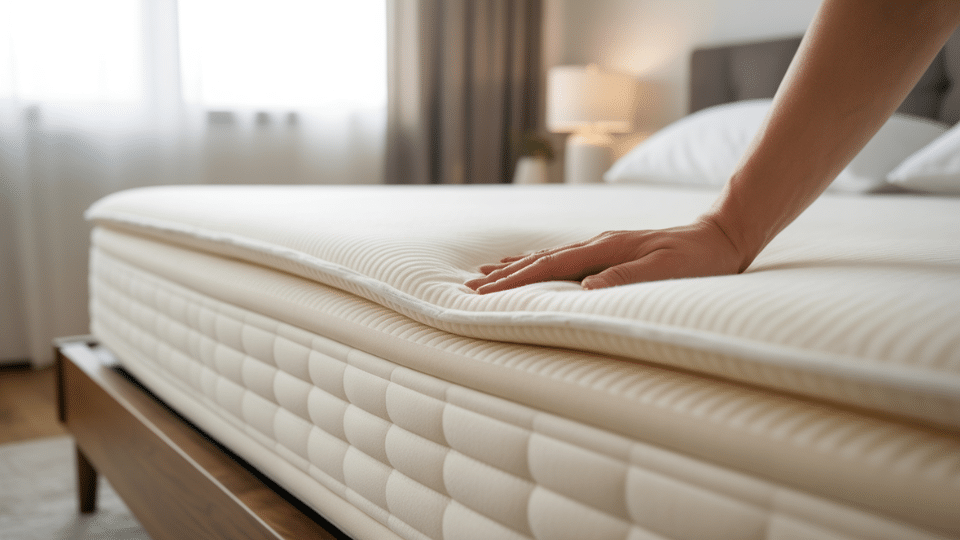
Memory foam remains popular for pressure relief and affordability. Here’s what to expect from construction, comfort, pricing, and how long it lasts.
| Component | Memory Foam |
|---|---|
| Material & Construction | Polyurethane treated with chemicals that soften with heat and pressure, creating a slow-sinking, supportive surface |
| Feel & Support | Deep contouring with slow response; sleepers sink “into” the mattress rather than rest “on” it |
| Key Benefits | Pressure relief, motion isolation, and affordable options are available |
| Drawbacks | Traps heat, lingering chemical odors, and difficult repositioning for combination sleepers |
| Lifespan | High-density: 6-8 years; Low-density: 3-5 years (body impressions develop) |
| Price Range | $300 – $2,000 |
Memory foam works well for side sleepers and those on a budget, but heat retention and slow response may challenge active sleepers.
2. Latex (Natural and Synthetic)
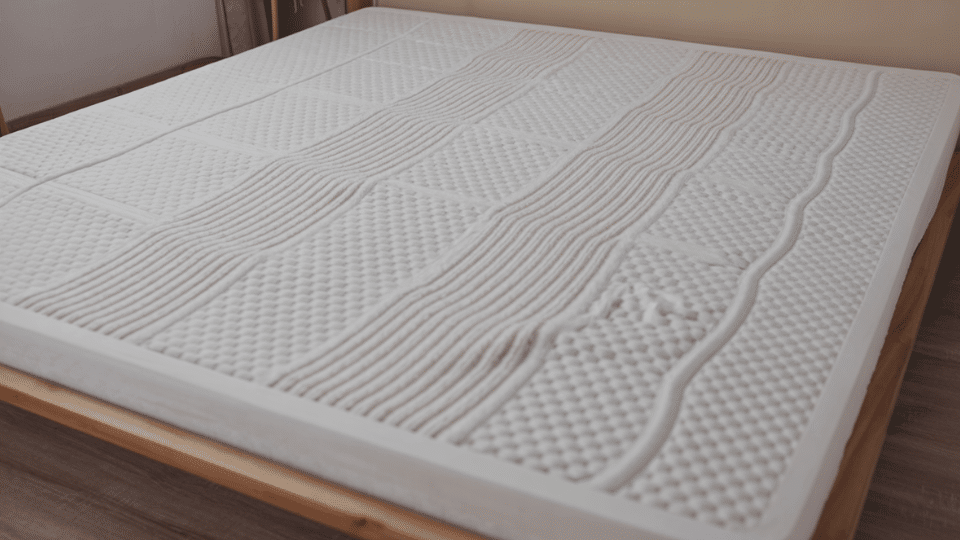
Latex mattresses offer natural materials and exceptional durability. This breakdown covers natural versus synthetic options, costs, what makes latex bounce differently, and why shoppers often compare options like all-natural latex mattresses from Fawcett when looking for long-lasting comfort.
| Component | Latex |
|---|---|
| Material & Construction | Natural: rubber tree sap (Dunlop/Talalay methods); Synthetic: petroleum polymers |
| Feel & Support | Responsive bounce with immediate pressure relief; sleepers rest “on” the surface |
| Key Benefits | Excellent temperature regulation, responsive bounce, resists dust mites/mold, suits active sleepers |
| Drawbacks | High cost, heavy, limited store availability, potential allergies (natural); less breathable/durable (synthetic) |
| Lifespan | Natural: 12-15 years; Synthetic: shorter lifespan |
| Price Range | Natural: $1,500 – $3,500; Synthetic: lower |
Latex suits eco-conscious buyers and hot sleepers seeking longevity. The higher upfront cost balances against years of reliable, breathable support and comfort.
3. Innerspring and Pocket Coil
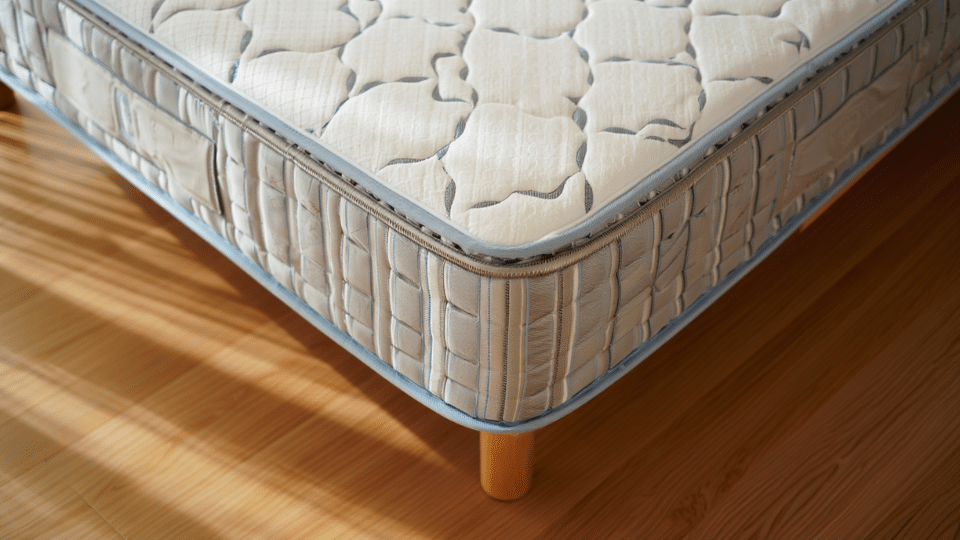
Innerspring mattresses have evolved from traditional connected coils to advanced pocket coil systems. Here’s how construction affects support, motion transfer, and pricing.
| Component | Innerspring |
|---|---|
| Material & Construction | Steel coils (traditional connected or pocket coil individual) with foam/fiber top layers |
| Feel & Support | Firm feel with strong edge support; varies by coil type (pocket coils contour better) |
| Key Benefits | Strong edge support, good cooling from air circulation, lower cost than foam |
| Drawbacks | Noise, less pressure relief, motion transfer (traditional types); pocket coils cost more |
| Lifespan | Quality pocket coils: 7-10 years; Basic models: 5-7 years |
| Price Range | $400 – $1,500 |
Innerspring options provide strong edge support and cooling at lower prices. Pocket coils reduce motion transfer but increase cost compared to traditional models.
4. Hybrid
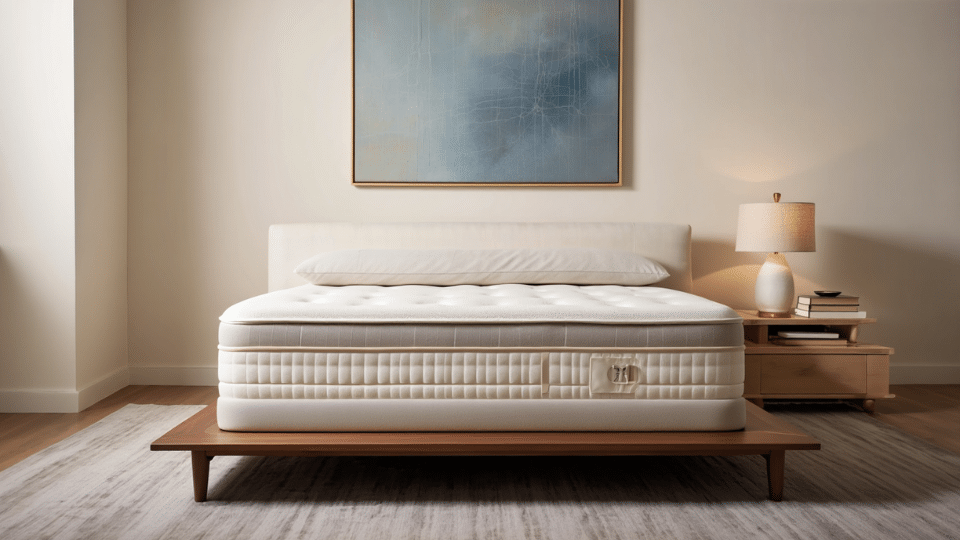
Hybrid mattresses attempt to merge foam comfort with coil support. This comparison shows how layering impacts feel, temperature regulation, durability, and investment required.
| Component | Hybrid |
|---|---|
| Material & Construction | Pocket coil core with 2-4 inches of foam or latex comfort layers on top |
| Feel & Support | Moderate contouring without “stuck” feeling; balanced support from layered design |
| Key Benefits | Combines foam pressure relief with coil cooling and edge support; suits various sleep positions |
| Drawbacks | Expensive, heavy (difficult rotation), complexity creates potential failure points |
| Lifespan | 8-10 years (depends on foam quality) |
| Price Range | $1,000 – $3,000+ (luxury models) |
Hybrids offer balanced performance for couples and varied sleepers. The premium price reflects engineering complexity, but quality construction justifies the investment long-term.
Less Common Mattress Materials You Might See
Waterbeds: They use vinyl chambers for even weight distribution with temperature controls. Require frames supporting 1,000+ pounds, regular maintenance, and difficult moving. Punctures cause leaks. Cost $500-$2,000.
Airbeds: They offer adjustable air chambers via remote or app controls. Dual-chamber models allow independent customization. Last 8-10 years, but mechanical parts may fail. Budget versions leak. Cost $800-$4,000.
Futon or Polyfill-Based Mattresses: Futons layer cotton, polyester, or foam in foldable casings. Japanese versions need airing; Western adds springs. Suitable for temporary use with minimal support and compresses quickly. Replace within 3-5 years. Cost $100-$500.
Which Mattress Material is Best for Your Needs
This table simplifies key materials by highlighting their best uses, benefits, and what to watch for, helping you make an informed choice quickly:
| Sleep Need | Best Material(s) | Key Benefits |
|---|---|---|
| Pressure Relief | Memory foam, Soft natural latex | Memory foam cushions deeply, great for side sleepers; Latex offers responsive pressure relief with better cooling |
| Cooling | Latex, Innerspring/pocket coils, Hybrids | Latex has natural airflow; coils allow heat dissipation; hybrids combine coil ventilation and cooling layers |
| Back Pain | Responsive latex, Zoned hybrid systems | Latex adapts to spinal curves; zoned hybrids provide firmer lumbar support |
| Heavy Sleepers | Natural latex, High-density hybrid | Durable materials prevent sagging and maintain support |
| Budget | Traditional innerspring, Basic memory foam | Cost-effective, offering reasonable durability |
| Eco Preferences | Natural latex (GOLS certified), Organic cotton & wool (GOTS certified) | Sustainably sourced, biodegradable, chemical-free |
| Couples | Memory foam, Hybrid, Split firmness options | Memory foam absorbs motion; hybrids balance motion isolation/cooling; split firmness for different preferences |
Quick Checklist Before You Buy a Mattress
Use this quick checklist to identify the right mattress material for your needs by evaluating comfort, support, temperature, budget, and personal sleep preferences:
☐ I know my main sleep position
☐ I checked the firmness that suits my body weight
☐ I know whether I sleep hot or neutral
☐ I know if motion isolation matters for me
☐ I know about allergy or sensitivity concerns
☐ I set a clear budget range
☐ I know whether I prefer bounce, contour, or a balanced feel
Final Thoughts
Finding the best mattress material isn’t about chasing trends or trusting celebrity endorsements; it’s about matching physical properties to how you actually sleep.
I’ve watched people buy based on brand loyalty, only to realize their $3,000 purchase traps heat or sags because they never asked about foam density or coil gauge.
Your next mattress decision should start with material questions, not marketing claims. Check certifications, verify density specifications, and test how materials respond to pressure when possible.
The right construction proves itself through years of consistent support, not first-night novelty. Drop a comment below sharing which material resonates with your sleep needs.