
Would you know if your water heater was about to give up?
Truth is most homeowners wouldn’t think about it. The tank quietly sits in a garage, closet or utility room doing its job year after year… until one morning you step in the shower and notice cold water coming out, and then see a puddle creeping across the floor.
Here’s the good news:
Water heaters almost never fail without notice. They give little warnings for weeks (or even months) before the tank decides to burst. Recognizing those warnings early is what separates a scheduled replacement from a very costly emergency.
What’s Covered Below:
- Why Water Heaters Fail In The First Place
- The Warning Signs That Show Up First
- When To Call A Professional
- How To Get More Years Out Of Your Tank
Why Water Heaters Fail in the First Place
Life as a storage tank water heater is not easy. You store 40 to 80 gallons of water and keep it hot 24/7. You cope with minerals and thermal expansion daily.
Over time, that takes a toll.
The steel tank has a thin glass lining and a sacrificial anode rod. When the anode rod is consumed corrosion attacks the tank. When the tank corrodes, it leaks. When it leaks, you have a problem. It’s not a matter of if, it’s a matter of when.
Here’s what trips people up: Failures aren’t dramatic. According to research in the insurance industry, 69% of water heater failures are attributed to either a slow leak or sudden burst. The average claim is around $4,444.
That’s why leak detection should be something you’re familiar with long before there is water pooling on your floor. A slow drip behind the tank can destroy drywall, flooring and framing for weeks without anyone noticing.
Locating it while it’s still a small plumbing repair is much more affordable than replacing floors. And leak detection services know where to look, spotting moisture where a homeowner wouldn’t think to look.
There’s also wasted water to consider. The EPA’s WaterSense program estimates that the average family leaks 10,000 gallons of water a year.
So what should you actually be looking for?
The Warning Signs That Show Up First
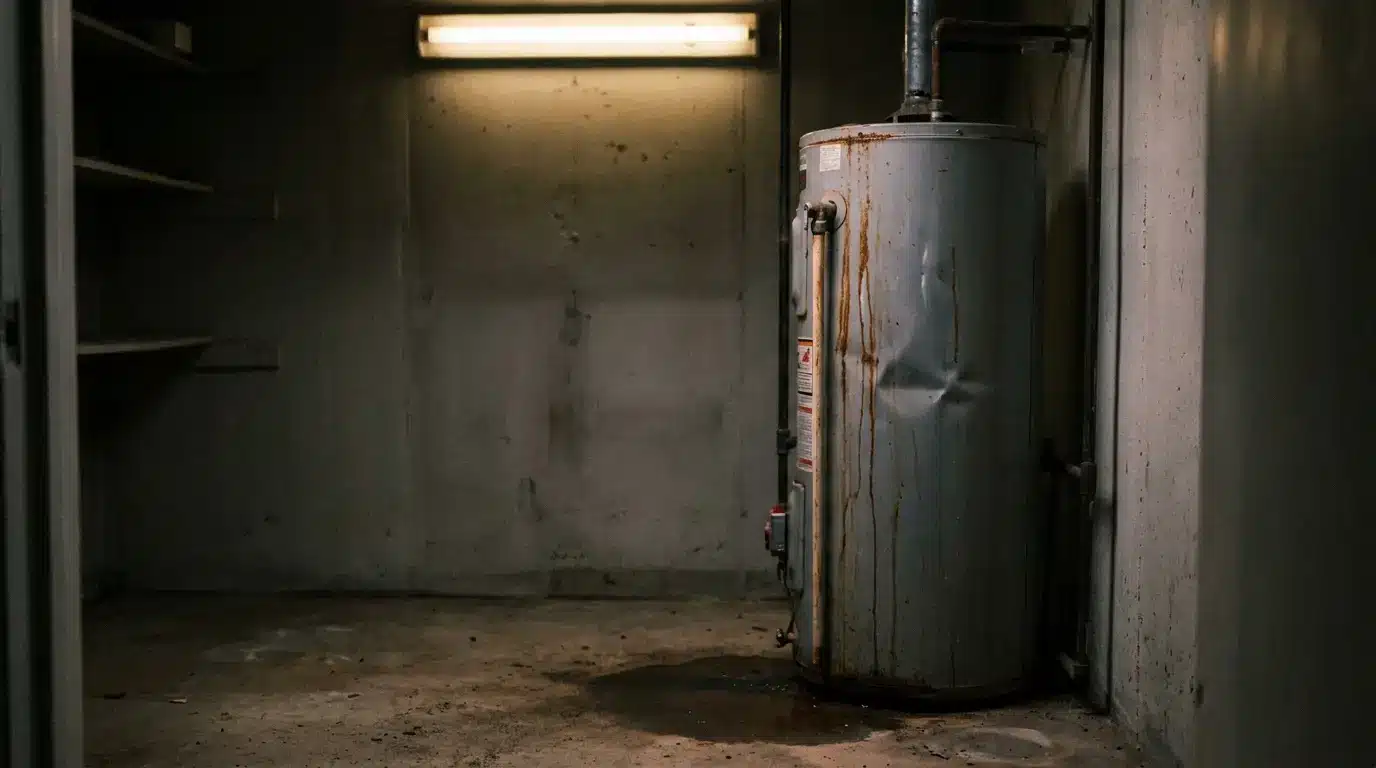
Your water heater talks to you. Most people just aren’t listening.
Here is a list of symptoms that present themselves. Approximately in the order that they will show up as well. If you experience two or three of these runnings you know your tank is speaking to you.
Rusty or Discoloured Hot Water
Turn on a hot tap and watch the water.
If it appears brown, orange or reddish in color, the interior of the tank is rusting away. Rust in your water is typically caused by a breakdown in the glass lining, allowing the steel below to corrode.
Simple diagnostic test: Turn on the cold water only. If it’s clear and the hot water is discoloured, the issue is with your heater and not your pipes. You got a lemon of a tank there.
Strange Noises Coming From the Tank
Popping. Rumbling. Banging that sounds like a kettle full of rocks.
Those sounds are coming from sediment. Minerals build up on the bottom of the tank and form a crust, trapping water underneath. When that water boils, it makes the noise.
Sediment causes three problems:
- The burner works harder, so energy bills climb
- The bottom of the tank overheats and weakens
- Hot water capacity drops because sediment takes up space
Annually flushing cleans most of it out. Let it go long enough and the bottom of the tank begins to deteriorate.
Water That Never Gets Properly Hot
Are showers getting shorter?
Lukewarm water or hot water that takes much longer to run out than previously could be an issue with the heating element, thermostat or a build-up of sediment. Any of the three problems can be repaired individually.
However, if your tank is over ten years old, that may be the beginning of a downward spiral.
Damp Spots, Puddles and Moisture
This is the big one.
Condensation at the bottom of the tank should be considered cause for concern. Often it’s a bad fitting or leak from the pressure relief valve — pesky, but easily remedied. Oftentimes it’s the tank leaking and it needs to be replaced.
Look for:
- Damp patches on the floor or the wall behind the unit
- Rust streaks running down the outside of the tank
- Water stains on the drip pan
- A musty smell in the room
Tiny leaks rarely remain tiny. The severity of water damage increases dramatically with time, meaning the faucet dripping while a family is away on vacation can soak an entire room before they return.
Water Bills That Keep Climbing
No one likes getting a utility bill. They are however your best early warning system.
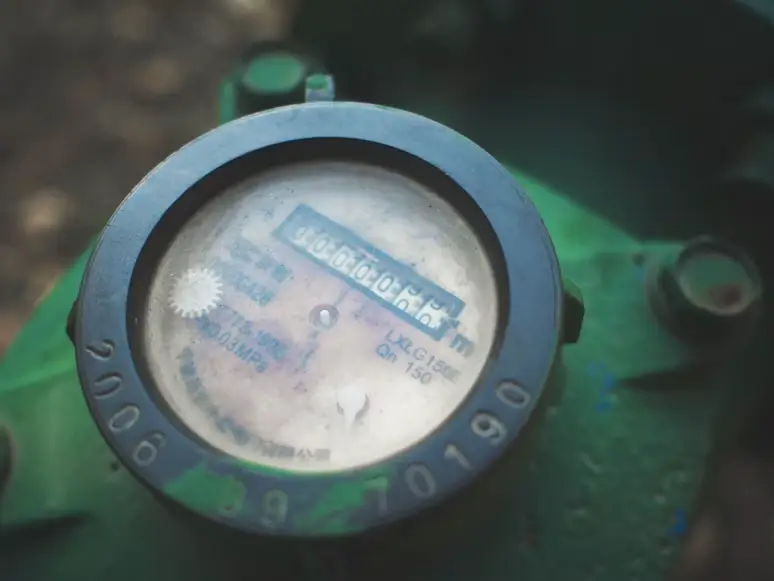
Constantly increasing water bills—or energy bills if you heat your water—without any change in your family’s water usage typically points to an invisible leak or an electric/gas water heater that is consuming much more energy than it needs to.
It’s this type of situation that leak detection services thrive on detecting because the water is usually going somewhere you don’t see.
When to Call a Professional
Some projects are acceptable for the homeowner who feels confident. Flushing a tank, testing a pressure relief valve or resetting a tripped breaker are all good weekend projects.
Others aren’t. Call a licensed plumber when:
- There is standing water anywhere near the unit
- Rust appears in the hot water
- The pilot light won’t stay lit or the burner keeps cutting out
- There’s a smell of gas (leave the property first, then call)
- The tank is older than 10 years of age and exhibits any of the above mentioned conditions
Do not experiment when it comes to gas fittings, pressure valves and electrical components. The price of a professional inspection pales in comparison to that of a water damaged house.
How to Get More Years Out of Your Tank
The average lifespan of a water heater is 10 to 20 years. At any given time about one quarter of all water heaters are nearing the end of their lifespan.
Maintenance decides which end of the range yours lands on.
The essentials:
- Flush the tank once a year to clear out sediment build-up
- Inspect the anode rod every 3 years and replace if mostly depleted
- Test the pressure relief valve annually so it isn’t seized shut
- Set the thermostat to 120°F to reduce strain and scalding risk
- Keep the area clear so drips are easy to spot
Label the tank with the installation date using a marker. Once it hits the decade mark, start testing it monthly and setting money aside for a new one.
Planned replacement is always cheaper than emergency replacement. Always.
Bringing It All Together
A water heater that’s on its last legs sends signals. Rusty water, weird noises, lukewarm showers, wet spots and creeping utility bills. They’re not exactly harbingers of doom individually. Which is why they tend to get ignored.
Spend five minutes this week and go look in your tank. Look at the floor around it, turn on a hot tap and write down how old the unit is.
That five minutes could save you thousands.