

Nobody checks the space under a bed more than twice a year. That is exactly why it works so well as a hiding place. Bedrooms collect clutter, fabric, crumbs from late-night snacks, and pet bedding, and they stay dim and quiet for hours at a time.
Huntsville’s warm, humid summers add moisture to the mix, and older windows and baseboards leave small openings for insects to use. Most pests do not need much, only a sheltered corner and something to eat or chew. The sections below explain why sleeping areas develop problems, where signs tend to go unnoticed, and which habits keep a bedroom unappealing to household pests.
Why Bedrooms Offer Shelter and Food
Several features of a bedroom suit small pests. Closets hold wool, cotton, and stored linens, which fabric-feeding insects such as carpet beetle larvae and clothes moths can eat, especially when the material carries body oils, pet hair, or lint. Boxes stacked under a bed create dark, undisturbed gaps. Humid air during Alabama summers encourages silverfish, which feed on paper, glue, and starchy fabrics.
Food arrives too. A bag of chips on the nightstand or a cup of juice left overnight draws ants and cockroaches that would otherwise stay in the kitchen. Pet bedding adds hair, skin flakes, and sometimes fleas, which means the pet’s corner can support more than one pest.
Entry points matter as well. Gaps around windows, loose baseboards, and openings where pipes or wiring enter the wall let insects and mice reach the room from the outside or from a neighboring space. Clutter hides every one of these routes.
Low-Traffic Spaces Where Signs Go Unnoticed
Pests thrive where nobody looks. The area under a bed, the strip behind a headboard, the back of a closet shelf, and the space behind a dresser can go untouched for months. Droppings, shed skins, and damaged fabric accumulate in the dark, so by the time you notice one sign, the problem is often older than it appears.
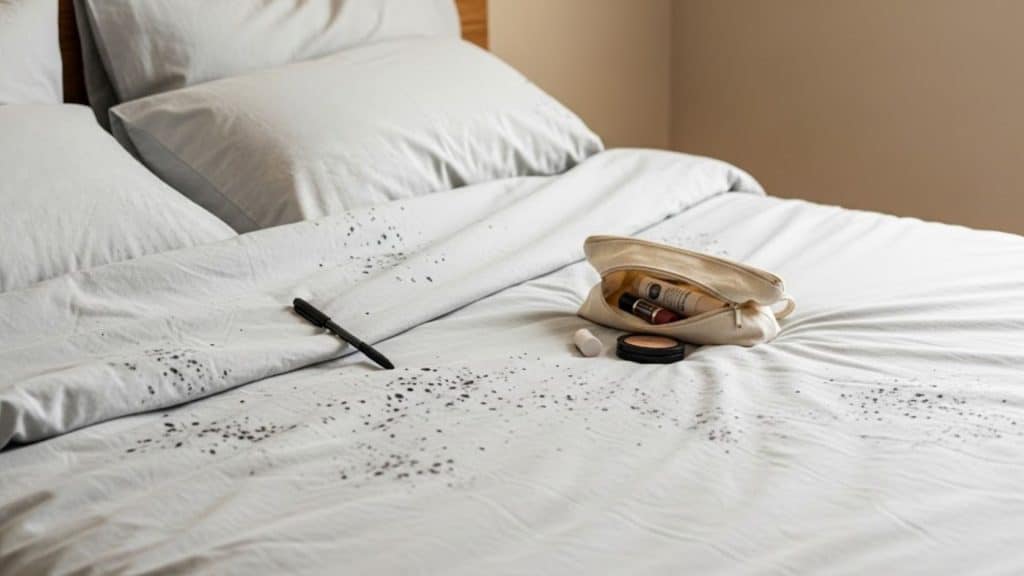
Look for small dark specks along baseboards or in corners, pale cast skins near fabric, tiny holes in wool, webbing in closet corners, and chewed cardboard. Mouse droppings resemble dark grains of rice, while cockroach droppings look like ground pepper. Gritty frass or a musty odor deserves attention too.
When these signs keep returning despite regular cleaning, a professional inspection can trace the source. A service like Wayne’s Pest Control in Huntsville can identify the species and locate harborages that are hard to reach, which matters because treating the wrong insect wastes time and lets the colony grow.
Food, Pet Bedding, and Textiles
Habits matter more than products. Keep food out of the bedroom whenever possible, and when snacks happen, finish them there and remove the wrappers and crumbs the same night. Wash cups and bowls promptly, and avoid leaving open drinks overnight.
Pet bedding deserves regular washing. Hair, dander, and spilled treats collect in the folds, and warm fabric helps fleas and fabric-feeding beetles develop. Vacuum around the pet’s sleeping spot at least weekly, and wash the bedding in hot water if the label allows.
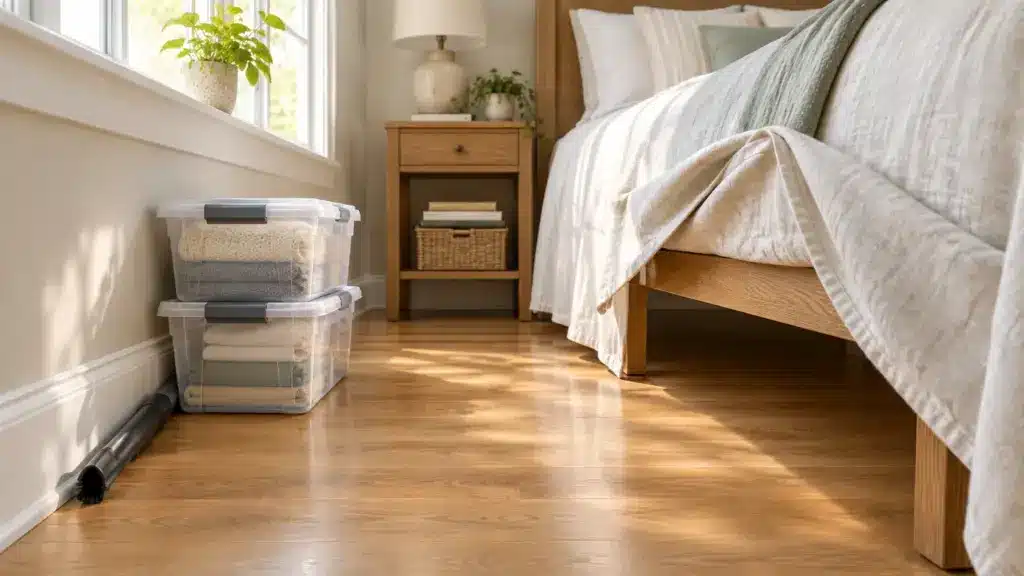
Textiles need rotation and care. Wash or dry-clean wool, silk, and fur items before storing them, since soiled fabric is far more attractive to moths and beetles. Use sealed plastic bins or garment bags in place of open cardboard boxes, which silverfish and cockroaches like to chew. Rotate seasonal items twice a year, shaking and inspecting each piece as it comes out of storage.
Windows, Baseboards, and Other Small Gaps
Entry points are easy to overlook because they are small. Cracked caulk around a window frame, a worn weatherstrip, or a gap where the baseboard has pulled from the wall gives ants, spiders, and silverfish a route into the room. Mice can use openings of roughly a quarter inch.
Check window seals from inside by holding a flashlight against the frame in a dim room and looking for light leaking from outside. Repair torn screens and worn weatherstrips, and fill small gaps along the trim with paintable caulk. Move furniture a few inches from the wall to inspect the baseboard, and check where outlets, vents, and pipes enter the room.
Persistent activity near a window or along one wall may point to a larger entry route in the siding or foundation. When you have sealed what you can find and the signs continue, Wayne’s Pest Control in Huntsville can inspect outside the room, where the real opening often sits.
Routines That Keep Sleeping Areas Quiet
A short schedule is easier to keep than a long list of rules. Vacuum under the bed and along the baseboards every week or two, using the crevice tool on corners. Empty the vacuum outdoors afterward so captured insects and eggs do not return. Every few months, pull out the stored items, check each one, and wipe the shelf or floor beneath it.
Limit what lives under the bed. Hard-sided containers with tight lids are better than loose clothing, shoes, and paper. Keep closets uncrowded enough that air can move, and raise stored items off the floor. Using a dehumidifier or air conditioner in humid months helps with silverfish and mold, and keeping indoor humidity between 30 and 50 percent is a widely recommended target.
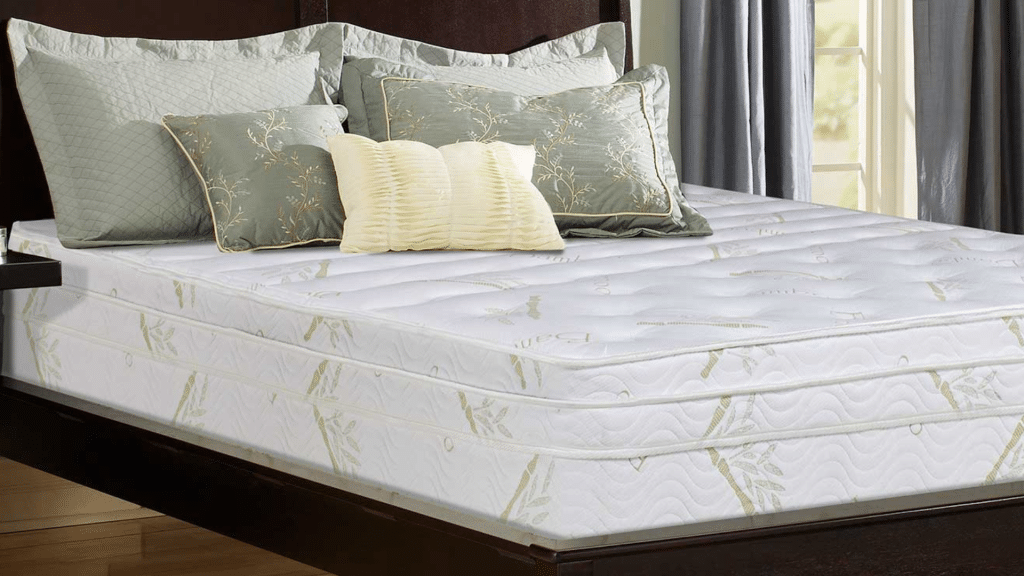
Bedding also deserves a glance. Strip the bed regularly and look along the mattress seams for dark spots or shed skins. Bites accompanied by small blood stains on sheets call for a prompt inspection, since bed bugs need a different approach from the pests above.
Final Analysis
Bedrooms stay less attractive to pests when clutter, food, and moisture are limited and the gaps are closed. Hidden corners keep problems unnoticed, so regular vacuuming and rotation bring those corners into view. Clean fabrics in sealed containers, washed pet bedding, and tight window seals each remove one thing pests look for. When signs return despite steady effort, an inspector can identify the species and find the source behind the baseboard or beyond the wall.