
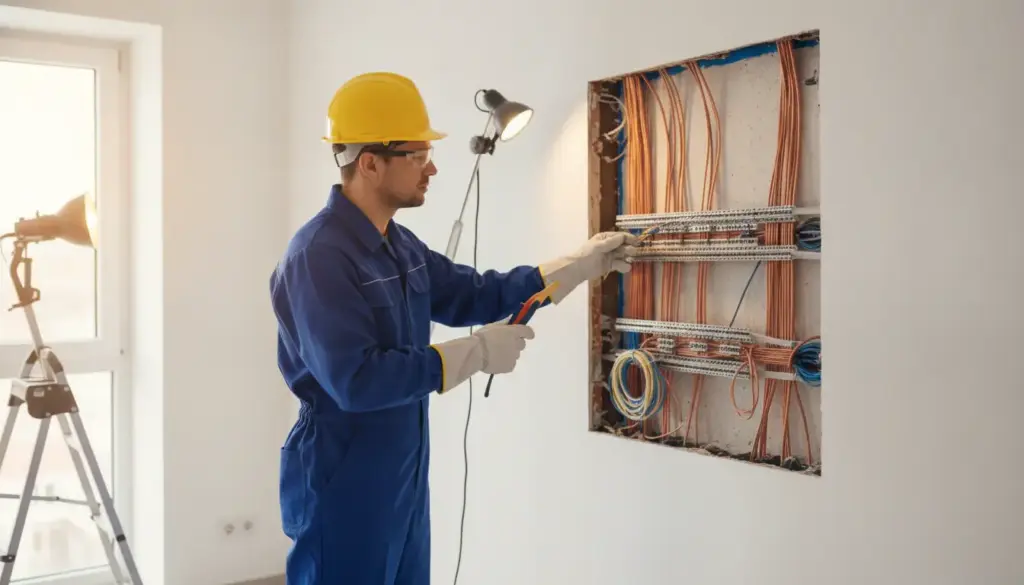
Electrical problems often begin quietly. A loose connection may create occasional flickering, an ageing outlet may become warm, or a circuit breaker may trip only when several appliances run together. I often compare preventive electrical maintenance to checking a roof before storm season. The aim is to find weakness while there is still time to respond calmly.
Homes, offices, shops and shared buildings depend on electrical systems every hour of the day. Lighting, security, refrigeration, communications, heating and business equipment can all be affected when one part fails. Planned maintenance can reduce unexpected interruptions while giving owners clearer information about their property’s condition.
Preventive maintenance does not mean opening switchboards or testing wiring yourself. Electrical inspection, testing and repair work should be left to a suitably licensed electrician. Owners can contribute by monitoring changes, keeping records and arranging professional attention before warning signs grow worse.
What Does Preventive Electrical Maintenance Include?
Preventive electrical maintenance is a planned process for inspecting, testing and servicing electrical equipment and installations. It focuses on detecting wear, damage, loose connections, overheating and outdated components before they cause a breakdown or safety incident.
The scope varies by property. A family home may need checks around its switchboard, outlets and smoke alarms, while a commercial site may also have emergency lighting, machinery, data systems and several distribution boards.
A maintenance visit may cover:
- Visual inspection of the switchboard
- Testing of safety switches
- Checks for heat damage or corrosion
- Inspection of accessible power points and switches
- Review of frequently tripping circuits
- Testing of smoke alarms where included
- Inspection of outdoor electrical fittings
- Checks around high-demand equipment
- Review of circuit labels and documentation
- Recommendations for repairs or upgrades
Maintenance should follow the property’s needs rather than a generic checklist. Age, occupancy, equipment, moisture, coastal exposure and previous electrical work can all affect what deserves attention.
Detect Problems Before They Become Emergencies
Many electrical faults offer early warnings. A buzzing switch, intermittent light or unexplained tripping event may appear minor, but it can point to a loose connection, damaged fitting, overloaded circuit or failing component.
Responding early gives the electrician more time to investigate under controlled conditions. Waiting for complete failure can lead to an emergency call-out, lost power or damage to connected equipment.
Warning signs that need professional attention include:
- Burning or hot-plastic smells
- Scorching around outlets
- Warm switches or power points
- Flickering lights
- Buzzing or crackling sounds
- Repeated circuit-breaker trips
- Electric shocks or tingling sensations
- Loose or broken fittings
- Sparks when connecting appliances
- Water near electrical equipment
If a fitting smells burnt, produces smoke or appears unsafe, stop using it and keep people away. Do not remove covers or attempt repairs. Contact a licensed electrician, and call emergency services when there is fire, smoke or immediate danger.
How a Residential Electrician Sydney Homeowners Trust Supports Maintenance
Sydney homes include new apartments, older terraces and suburban houses that have been extended several times. Each may have a mixture of original wiring, modern appliances and electrical additions completed at different stages.
A residential electrician Sydney can review how the system is performing and identify areas that need repair, monitoring or upgrading. This is useful when homeowners cannot tell whether a problem comes from one appliance, one circuit or the wider installation.
Residential maintenance may involve:
- Switchboard and safety-switch checks
- Fault finding
- Outlet and switch replacement
- Smoke alarm servicing
- Lighting repairs
- Ceiling fan checks
- Outdoor electrical inspections
- Testing after water damage
- Circuit additions for new appliances
- Advice before renovation work
Keeping the same electrical contractor for planned maintenance can support continuity because previous findings and completed work are easier to track. If the electrician changes, accurate records help the next contractor understand the property.
Protect People from Electrical Hazards
The strongest reason for preventive maintenance is personal safety. Damaged insulation, loose connections, exposed parts and unsuitable DIY work can create risks that are not always visible from outside the fitting.
Children, older residents, tenants and people using portable medical equipment may be particularly affected by electrical interruptions or unsafe outlets. Rental and shared properties also require clear processes for reporting defects and arranging timely repairs.
Property owners can support safety by:
- Reporting shocks, sparks and burning smells immediately
- Keeping switchboards accessible
- Replacing damaged extension leads
- Avoiding overloaded power boards
- Keeping electrical items away from water
- Using outdoor equipment suited to outdoor conditions
- Following product recall notices
- Recording faults and repair dates
- Engaging licensed electricians
- Keeping compliance documents
These steps do not replace professional testing. They create a stronger reporting and maintenance culture so small problems are less likely to be ignored.
Reduce the Risk of Fire and Heat Damage
Electrical faults can generate heat at loose terminals, overloaded connections or damaged components. This heat may discolour a fitting, weaken surrounding material or contribute to fire risk.
Preventive inspection can reveal signs such as melted plastic, darkening, brittle insulation or unusual odours. Thermal inspection may also be used in suitable commercial settings to identify abnormal heating under operating conditions.
Higher-risk areas may include:
- Ageing switchboards
- Heavily loaded circuits
- Kitchen appliances
- Air conditioning equipment
- Pool pumps
- Electric vehicle chargers
- Commercial machinery
- Ceiling spaces affected by pests
- Damp outdoor installations
- Temporary wiring used for long periods
Owners should avoid treating repeated tripping as an inconvenience. A circuit breaker or safety switch that operates repeatedly is signalling a problem. Resetting it again and again without investigating the cause may leave an underlying fault unresolved.
Avoid Unplanned Power Interruptions
Electrical failure rarely chooses a convenient time. In a home, it may stop refrigeration, internet access, heating or essential medical equipment. In a business, even a short outage can interrupt sales, production, communications and security.
Planned maintenance allows work to be scheduled during quieter periods. Occupants can be notified, sensitive equipment can be shut down correctly and temporary arrangements can be made where needed.
A continuity plan may identify:
- Equipment that cannot lose power
- Safe shutdown procedures
- Backup power requirements
- Emergency contact details
- After-hours access arrangements
- Tenant and staff notification steps
- Data backup procedures
- Refrigeration monitoring
- Security-system impacts
- Responsible decision-makers
Not every interruption can be prevented, particularly when the network supply fails. A property-level plan still reduces confusion and helps occupants respond faster.
Improve Energy Efficiency Through Maintenance
Electrical maintenance can reveal equipment that is using more energy because it is ageing, poorly controlled or operating longer than necessary. Lighting, ventilation, heating, cooling and refrigeration are common areas for review.
Energy improvements should respond to actual usage. Replacing every fitting without reviewing occupancy patterns may deliver less value than adding better switching zones, sensors or timers in selected areas.
Practical efficiency measures may include:
- Replacing inefficient lighting with suitable LED products
- Repairing lights that remain on unnecessarily
- Adding occupancy sensors in low-use spaces
- Dividing large lighting areas into zones
- Using timers for selected equipment
- Reviewing heating and cooling controls
- Monitoring circuits with high consumption
- Removing unused appliances from standby
- Maintaining ventilation and refrigeration equipment
- Planning for solar or battery systems
Electricity bills can help identify changes, but they should be reviewed alongside occupancy, weather and equipment use. A sudden rise deserves investigation, especially when no clear operational change explains it.
Maintain Switchboards and Protective Devices
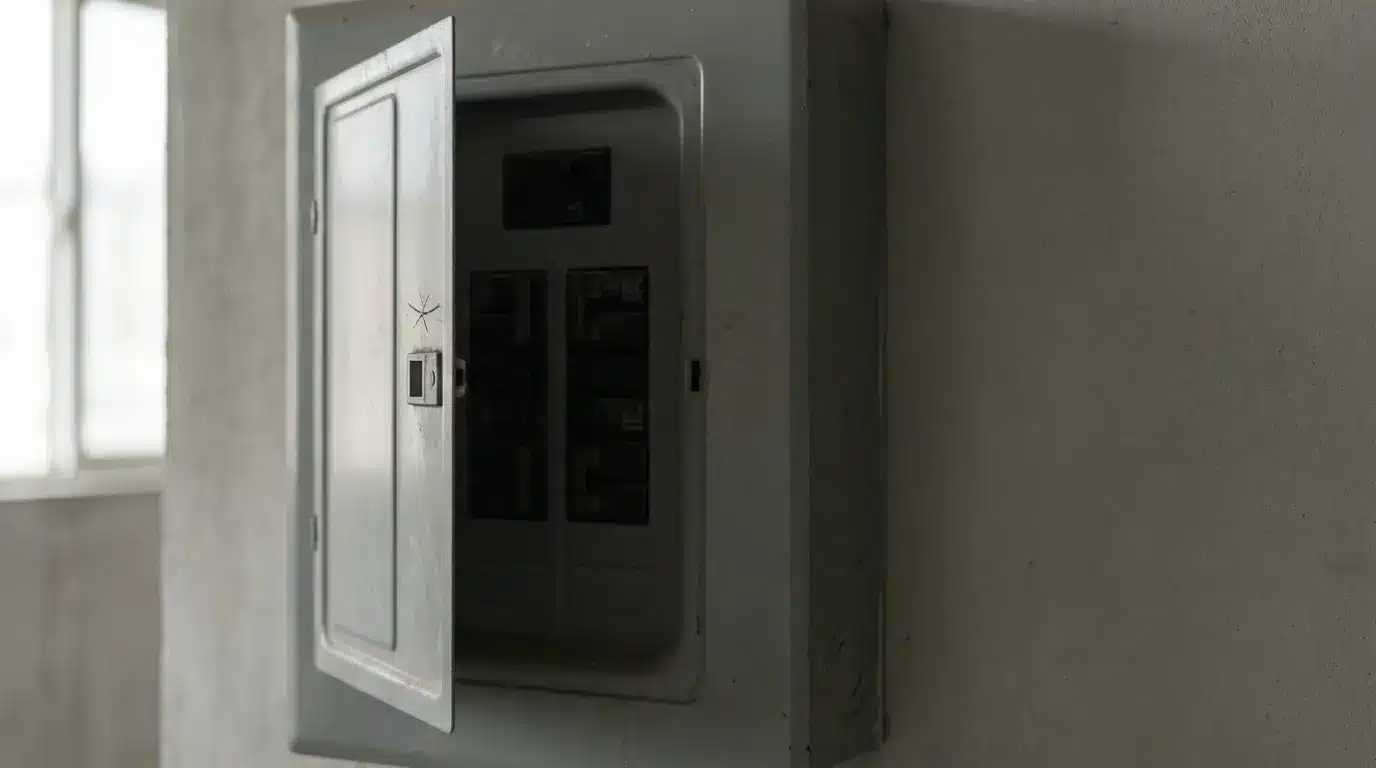
The switchboard is the control centre of the property’s electrical system. It distributes power across circuits and houses protective devices designed to respond to particular fault conditions.
Older switchboards may contain ceramic fuses, limited circuit space or additions made over many years. An electrician can examine the board and explain whether maintenance, clearer labelling or an upgrade is appropriate.
A switchboard review may examine:
- Physical condition of the enclosure
- Signs of heat or corrosion
- Circuit identification
- Safety-switch protection
- Circuit-breaker condition
- Space for planned equipment
- Evidence of unauthorised alterations
- Water, pest or dust entry
- Main-switch accessibility
- Previous test records
Property owners should keep the area in front of the switchboard clear. Do not store flammable materials beside it or cover it with fixed furniture.
When Businesses Need a Commercial Electrician Sydney
Commercial electrical maintenance often involves higher loads, longer operating hours and more equipment than residential work. Offices, warehouses, retail stores, restaurants and medical premises also have different operational priorities. A commercial electrician Sydney businesses can engage may develop a maintenance program around the site’s equipment, access requirements and trading schedule.
Maintenance work may be completed in stages or scheduled outside peak operating hours to reduce disruption for staff and customers. The scope should reflect the property’s electrical risks, equipment demands and compliance responsibilities.
Commercial electrical maintenance may include:
- Distribution board inspections
- Testing and tagging programs where applicable
- Emergency and exit lighting services
- Machinery and equipment circuits
- Retail and office lighting
- Electrical fault investigation
- Data and communications infrastructure
- Security and access-control power
- Power-quality reviews
- Maintenance records and documentation
The responsible manager should maintain an asset register that records equipment locations, service dates and reported faults. Clear records make recurring problems easier to identify, support maintenance planning and allow businesses to prepare more accurate repair and upgrade budgets.
Give Outdoor and Wet Areas Extra Attention
Outdoor electrical equipment faces rain, sunlight, insects, dust and changing temperatures. Pool areas, laundries, bathrooms and commercial wash zones also place electrical items near moisture.
Weather damage may appear as cracked covers, faded fittings, rusted fasteners or water inside an enclosure. These defects should be examined promptly rather than sealed with household adhesives or tape.
Inspect visible conditions around:
- Outdoor power points
- Garden and pathway lights
- Pool and spa equipment
- Irrigation controls
- Pumps
- Electric gates
- Balcony fittings
- Sheds and garages
- Bathroom outlets
- Laundry appliances
Do not use a fitting that is cracked, loose or wet. Keep people away and arrange professional inspection. Outdoor extension leads should not become permanent wiring.
Include Maintenance in Renovation and Purchase Plans
Buying or renovating a property is a useful time to review the electrical system. Cosmetic finishes can hide older wiring, overloaded circuits and undocumented alterations that affect the project scope.
An electrical inspection before major work can identify likely upgrades while walls and ceilings are still accessible. Repairs completed during construction may cause less disruption than work carried out after painting and cabinetry are finished.
Before a renovation, discuss:
- Existing switchboard condition
- Planned appliance loads
- New lighting and outlet positions
- Air conditioning
- Electric vehicle charging
- Solar and battery preparation
- Data and security systems
- Outdoor electrical work
- Access for future maintenance
- Required testing and documentation
Buyers should remember that a standard visual property report may not include detailed electrical testing. If there are concerns about age, damage or previous alterations, arrange advice from a licensed electrician.
Set a Maintenance Schedule Based on Risk
There is no universal inspection interval for every property. A lightly used modern home has different needs from an older restaurant kitchen, coastal apartment block or workshop operating heavy equipment.
A licensed electrician can recommend timing after reviewing the installation, environment and equipment. Any new warning sign should trigger earlier attention rather than waiting for the next planned visit.
Factors influencing frequency include:
- Age of wiring and switchboards
- Type and number of appliances
- Daily operating hours
- Moisture or coastal exposure
- Previous electrical faults
- Renovations and tenancy changes
- Heavy equipment
- Outdoor installations
- Occupant vulnerability
- Insurance or workplace requirements
Review the maintenance plan after equipment upgrades or a change in property use. A converted home office, new commercial tenant or electric vehicle charger may alter the system’s demands.
Keep Useful Electrical Records
Maintenance records help owners see patterns instead of treating each fault as an isolated event. Repeated failures on one circuit may point to a broader issue, while a history of repairs can support decisions about replacement.
Store documents in a location accessible to the owner, building manager or authorised representative. Records should remain with the property when management changes.
Useful records include:
- Electrician and contractor details
- Licence information
- Inspection reports
- Compliance certificates
- Circuit schedules
- Test results
- Product warranties
- Fault reports
- Repair dates
- Equipment manuals
Photographs taken during renovations can also show concealed cable routes, provided they are accurately labelled. They should support professional work rather than guide DIY electrical alterations.
Make Electrical Care Part of Property Management
Preventive maintenance replaces guesswork with planned action. It gives owners a clearer view of electrical condition, helps identify problems earlier and supports more reliable budgeting for repairs and upgrades.
Begin by recording current warning signs, previous work and high-demand equipment. Arrange a licensed electrician to inspect areas of concern and recommend a risk-based maintenance schedule. A small issue found today may be far easier to manage than the same fault after it interrupts the property tomorrow.
Frequently Asked Questions About Residential Electrical Maintenance in Sydney
How Often Should a Sydney Home Have an Electrical Inspection?
Inspection timing depends on the property’s age, wiring condition, equipment and previous faults. Older homes or properties with repeated electrical issues may need attention more often than recently completed installations.
Ask a licensed electrician to recommend a schedule after reviewing the home. Arrange an earlier visit if lights flicker, circuits trip repeatedly, fittings become warm or burning smells appear. Warning signs should never wait for a routine appointment.
What Does Residential Electrical Maintenance Usually Include?
Maintenance may include visual inspection, switchboard checks, safety-switch testing, fault investigation and examination of accessible outlets or fittings. The exact scope should match the property.
Tell the electrician about recurring problems, recent water damage and new appliances. A written report can separate urgent repairs from recommended upgrades. Ask which tests were completed and what follow-up work is advised.
Can Homeowners Test Their Own Electrical System?
Homeowners can use the test button on a safety switch according to the manufacturer’s or electrician’s instructions, monitor visible damage and report unusual behaviour. They should not remove covers, open switchboards or work on fixed wiring.
Electrical testing and repair require suitable training and equipment. If a test button does not operate correctly, or power does not restore as expected, contact a licensed electrician rather than investigating inside the board.
How Can Maintenance Reduce Household Electricity Costs?
Maintenance may identify lights or equipment that operate unnecessarily, inefficient controls and ageing appliances. Better lighting zones, timers and sensors can reduce avoidable use in suitable areas.
Savings depend on occupancy and equipment, so changes should be based on actual usage. Review bills, identify major loads and discuss practical upgrades with an electrician. Safety and usability should remain part of every energy decision.
When Should I Call a Residential Electrician Urgently?
Seek prompt help for burning smells, smoke, sparks, electric shocks, hot fittings, exposed wiring or repeated breaker trips. Stop using the affected equipment and keep people away.
If there is fire, smoke or immediate danger, call emergency services. Do not touch wet electrical equipment or attempt to remove damaged fittings. Less urgent issues, such as occasional flickering, still deserve timely inspection before they become more disruptive.