

A romantic, warm bedroom does more than look pretty. Soft light, gentle colors, and rich textures help the room feel quieter, which can make it easier to unwind, rest, and enjoy time together.
That matters because bedroom design shapes how private, calm, and inviting the space feels.
In this blog, you’ll find romantic, warm, and cozy bedroom ideas and simple updates you can use for a full-room refresh or a small change.
Research from lighting and sleep-focused sources also points to warm bulbs, dimmable light, and layered lighting as useful choices for a more restful bedroom.
Why a Romantic, Warm Bedroom Matters More Than You Think
A warm, romantic bedroom helps the body slow down because soft light, gentle colors, and rich textures reduce the number of sharp signals the nervous system must process. That calmer setting can lower stress, support deeper sleep, and make the room feel more open to rest, conversation, and closeness.
It also matters for relationships because a bedroom that feels restful and private creates a setting where touch, eye contact, and unhurried talks feel more natural.
When the space is free of work clutter, harsh overhead lighting, and visual noise, it becomes easier to associate the room with comfort, sleep, and intimacy.
Even one or two shifts, such as sheer curtains or bedside lamps, can make the room feel more inviting without a full makeover.
Romantic Warm and Cozy Bedroom Ideas
Use these romantic bedroom ideas to add warmth, softness, and personal charm while keeping the space comfortable and easy to enjoy!
1. Switch to Warm-Toned Bulbs
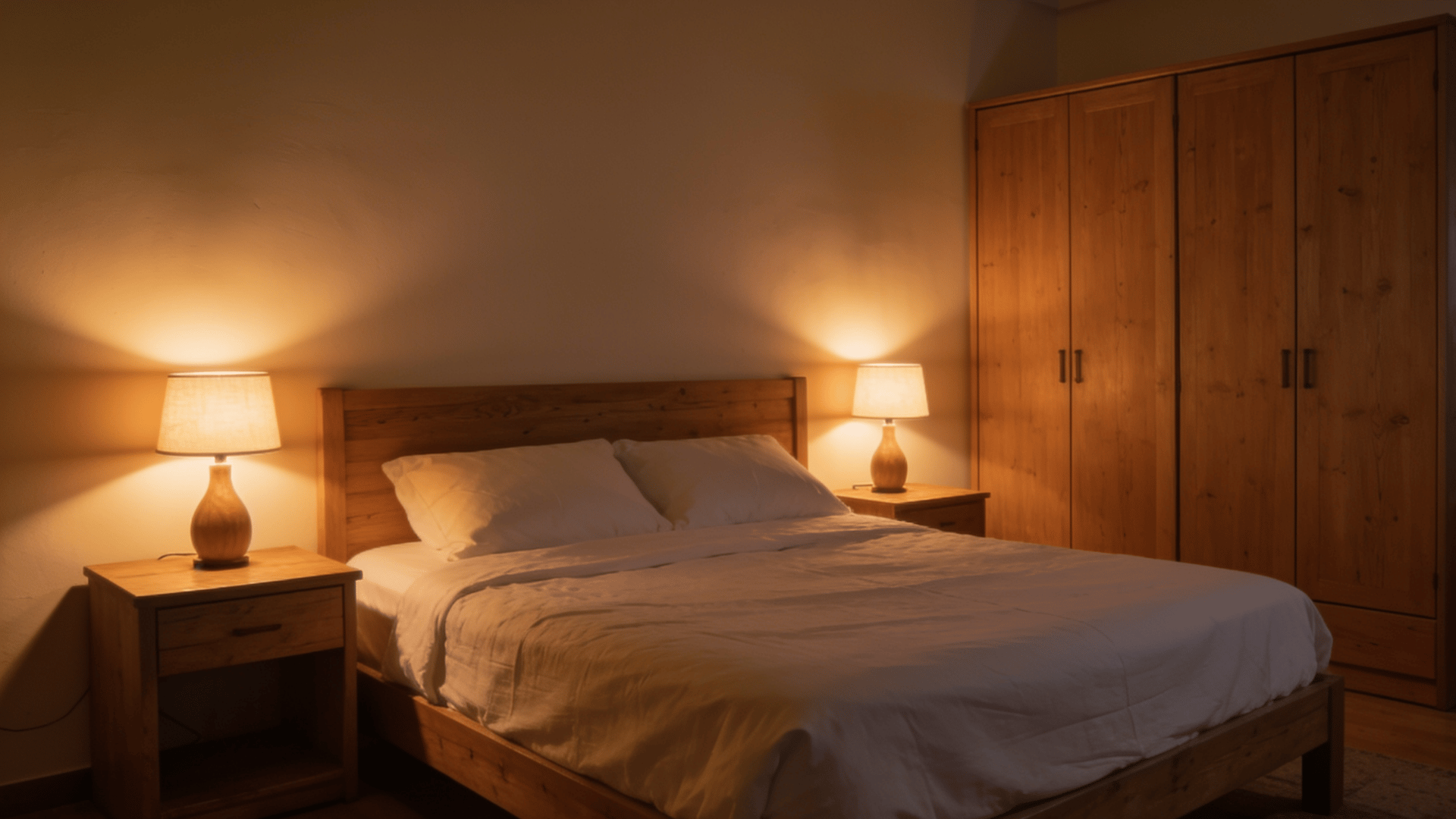
Replace cool white bulbs with warm 2700K bulbs across the bedroom. The softer glow makes wood, bedding, curtains, and skin tones look warmer at night.
Use them in ceiling fixtures, bedside lamps and wall lights for a consistent feel. A dimmer switch gives better control before sleep.
Start with the lamps you use most often, then change the remaining bulbs. This small update can make the room feel calmer, softer and more inviting each night.
2. Add Layered Lighting
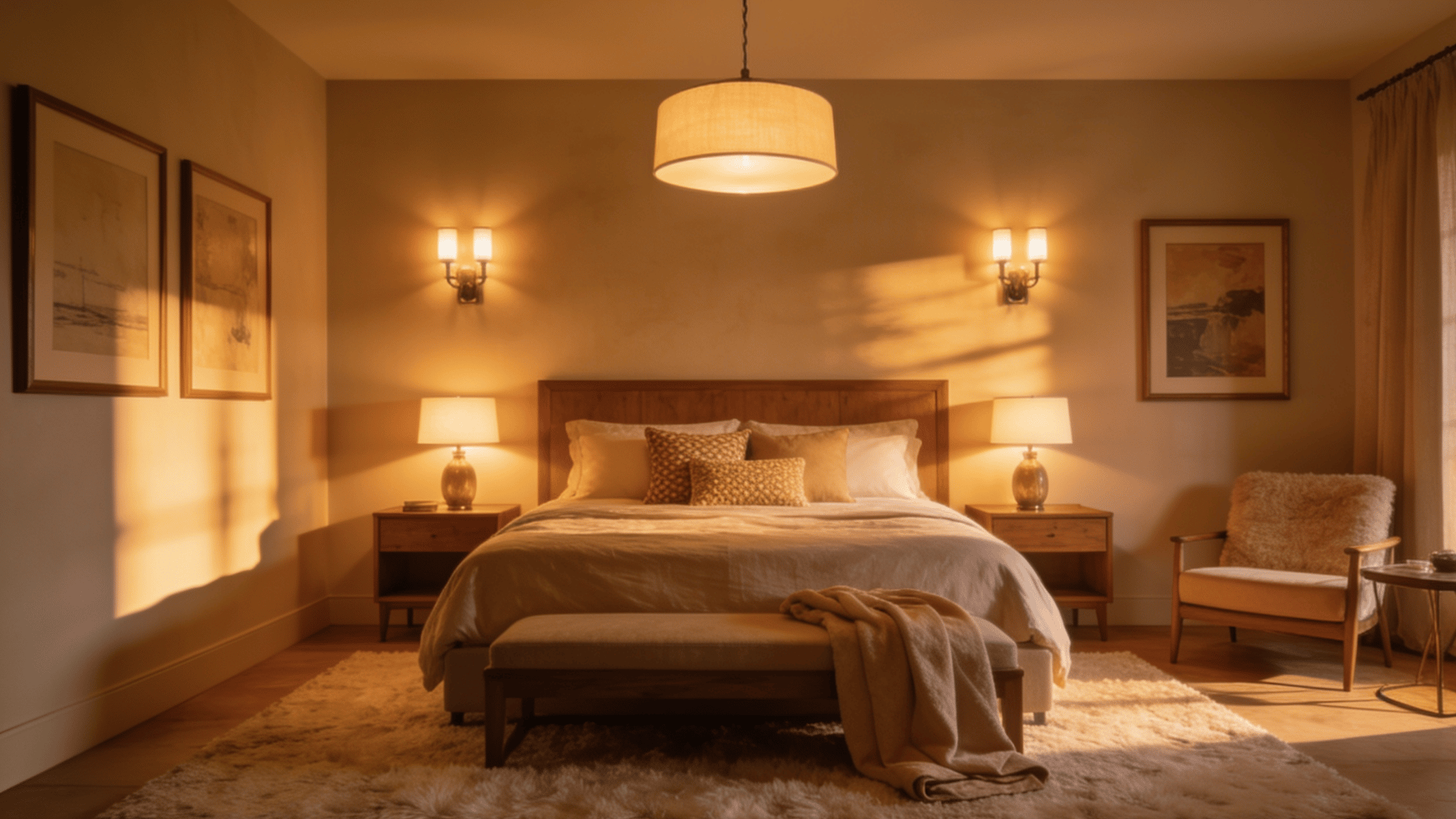
A single ceiling light can leave the bedroom looking flat and overly bright. Instead, add two or three smaller light sources at different heights.
Bedside lamps, wall sconces, and low pendants create warm pools of light around the room. Place matching lamps on both sides of the bed for balance.
Use lower-wattage bulbs and soft shades to reduce glare. This setup also makes reading, talking, or relaxing in bed more comfortable during the evening.
3. Use Fairy Lights or String Lights
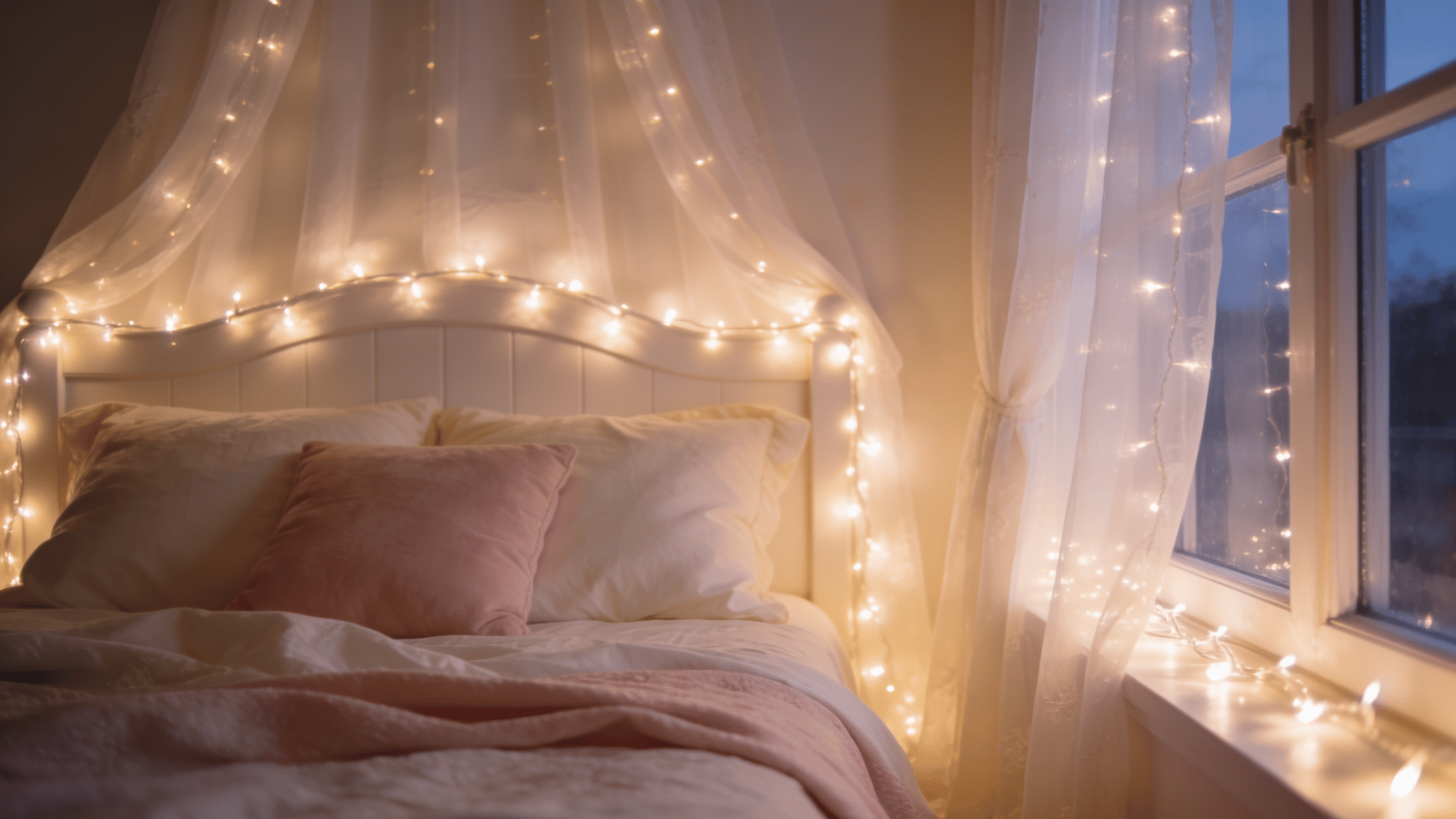
Warm white string lights can put a soft glow around the headboard, window, shelf, or canopy. Choose small bulbs with a steady light rather than flashing or colored settings.
Battery-powered strands work well where outlets are limited, including inside glass jars or behind furniture. Keep cords neat and away from bedding.
Use only one or two strands so the room stays relaxed. Their gentle light can make a bedroom feel warmer without changing the furniture.
4. Place Candles at Different Heights
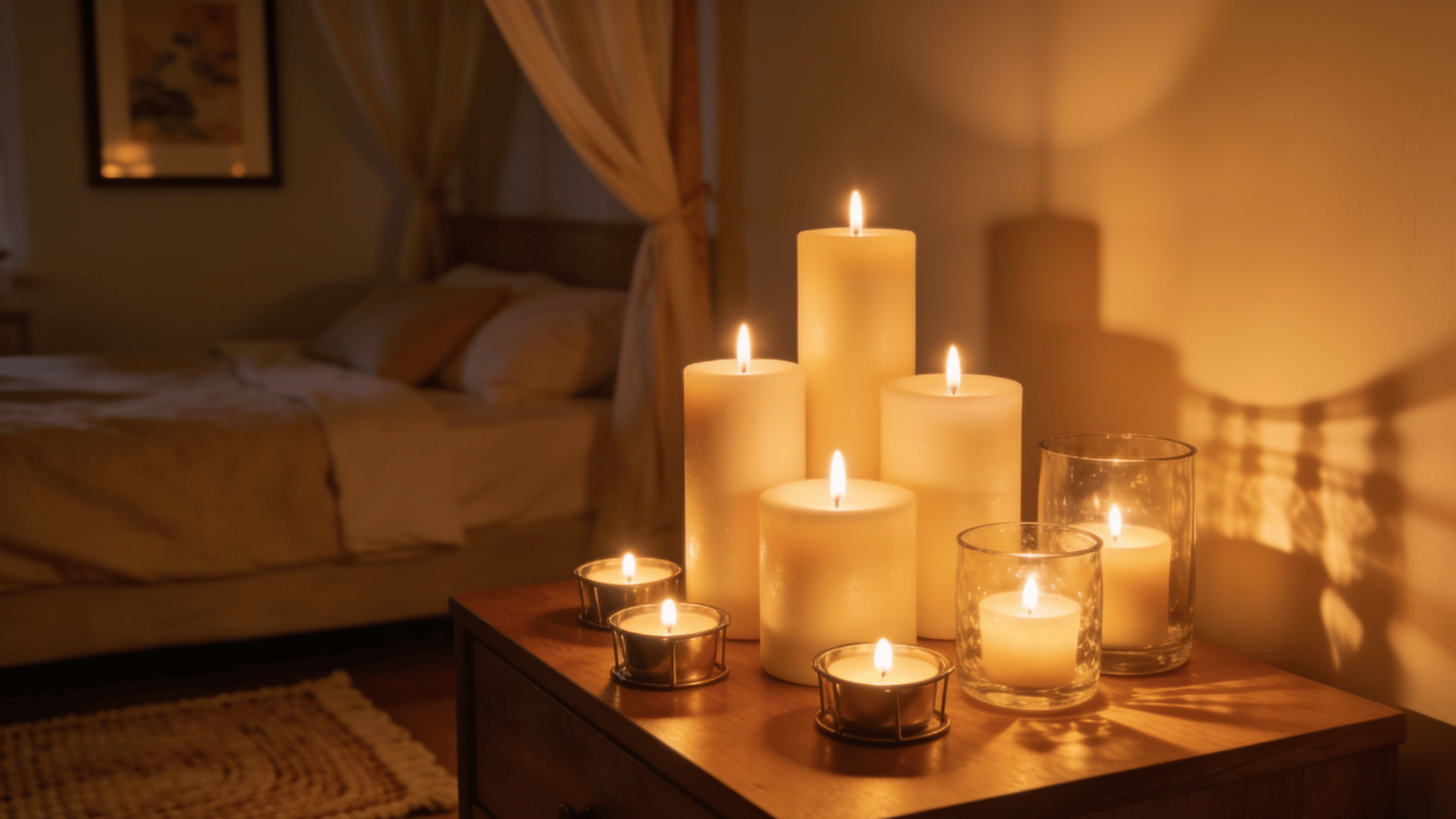
Group candles in different heights on a tray, dresser, or shelf to create a warm evening glow. Choose one gentle scent, such as vanilla, cedar, or sandalwood, so the room does not smell crowded.
Unscented candles also work well beside scented bedding sprays. Keep open flames away from curtains, blankets, and paper.
Battery candles are safer near the bed and still give a flickering effect. A small group often looks better than candles scattered everywhere.
5. Layer the Bed With Mixed Textures

Layer the bed with sheets, a duvet, a folded blanket, and one soft throw. Mix cotton, linen, knit, velvet or waffle textures so each layer looks and feels different.
Keep the colors within a small range, such as cream, taupe, and muted rose. Fold the top layers loosely rather than making every edge perfect.
The bed will look fuller and more comfortable. Choose washable materials so the layered style remains practical for regular daily use.
6. Choose Sheets in Warm Tones
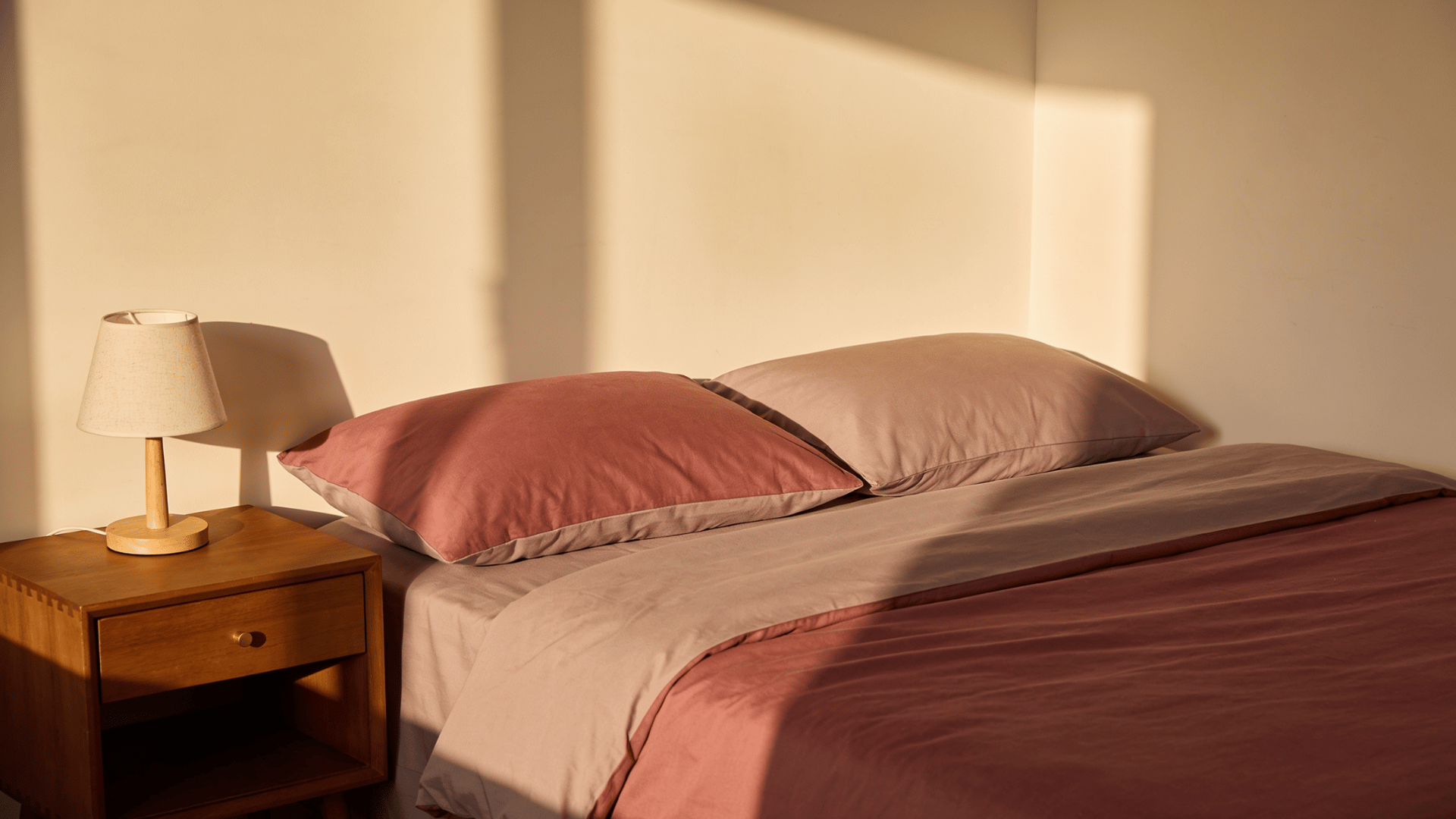
Choose sheets in warm shades such as cream, blush, dusty rose, or soft taupe. Cotton percale feels cool and crisp, while cotton sateen feels smoother. Linen has a relaxed look and becomes softer after repeated washing.
Thread count alone does not guarantee quality; check the fiber and texture as well. Avoid very bright white bedding when you want a warmer mood.
Comfortable sheets can improve the look of the room and make bedtime feel more pleasant.
7. Add a Faux Fur or Velvet Throw

Place a faux-fur, velvet, fleece, or chunky-knit throw across the foot of the bed. Pick a shade slightly darker or lighter than the main bedding so it stands out without clashing.
Let one corner fall naturally for a relaxed look. The throw can keep your legs warm while you read or watch television. Pick a washable material for the bed when pets use it.
One well-placed throw adds softness without filling the room with extra decor.
8. Use Pillows in Varying Sizes

Use standard pillows for sleeping, then add euro pillows and a few smaller cushions for shape. Arrange the largest pillows at the back and the smallest ones in front.
Mix two or three materials, such as linen, cotton, and velvet, while using a single color family. Five to seven pillows suit many beds without becoming annoying nightly.
Leave enough open space for sleeping. A varied arrangement makes the head of the bed look fuller and softer.
9. Paint the Walls a Warm Neutral

Warm wall colors make the bedroom feel softer during the evening. Try taupe, clay, mushroom, beige, or warm greige instead of sharp gray or bright white.
Paint sample patches on more than one wall and view them in daylight and under bedside lamps. Furniture, flooring, and curtains can change how each shade appears.
A warm neutral background also makes it easier to match bedding and wood tones, so fewer decorative items are needed around the room.
10. Try a Moody Accent Wall
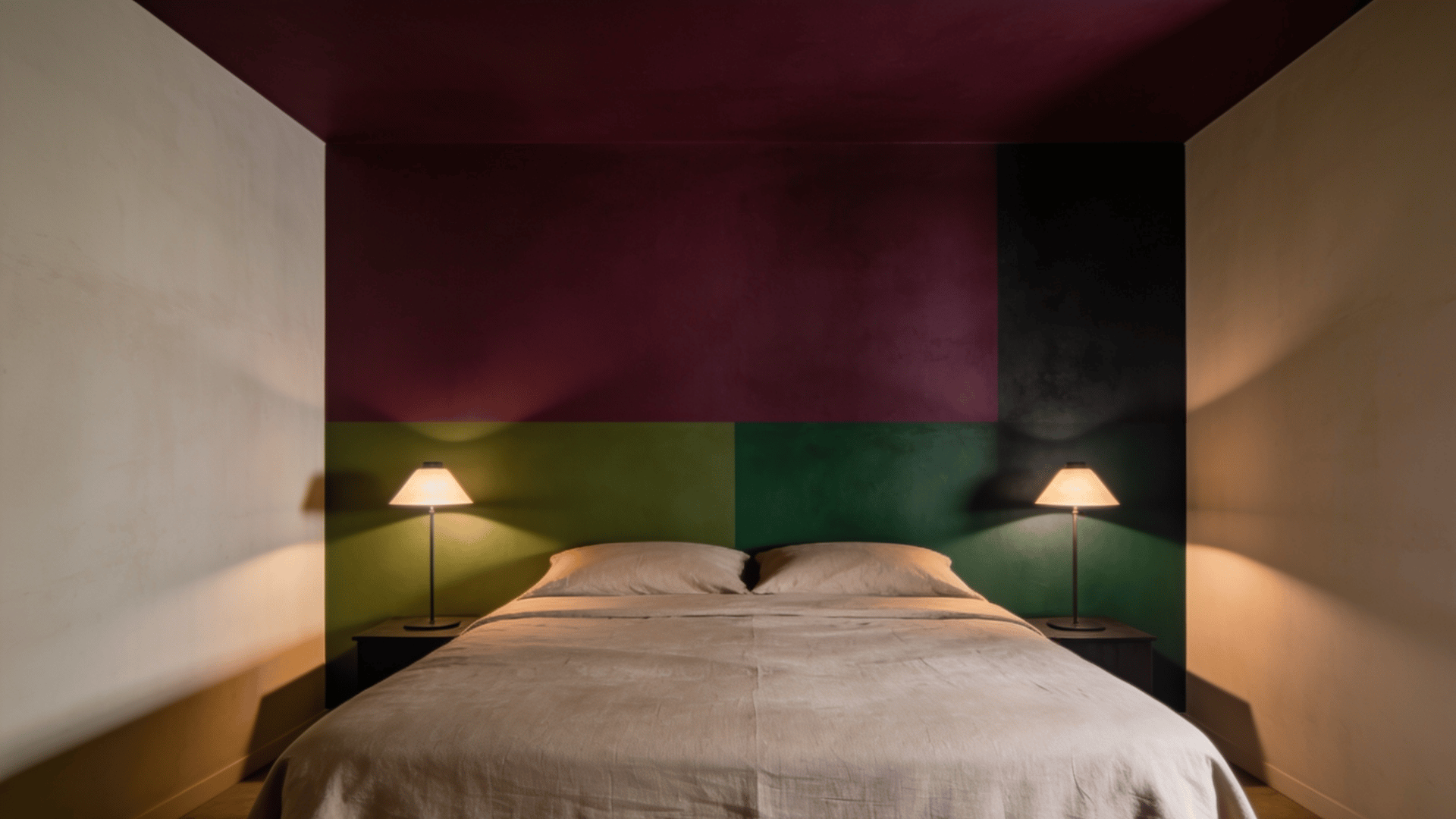
Paint the wall behind the bed in burgundy, forest green, plum, deep olive, or charcoal for a richer mood. Keep the other walls lighter so the room does not feel closed in.
Repeat the accent color in one or two small items, such as a pillow or vase. Matte finishes usually look softer than glossy paint.
Test the shade after sunset before painting the entire wall, since deep colors can change noticeably under warm bedroom lighting.
11. Add Texture With Wall Panels or Wallpaper
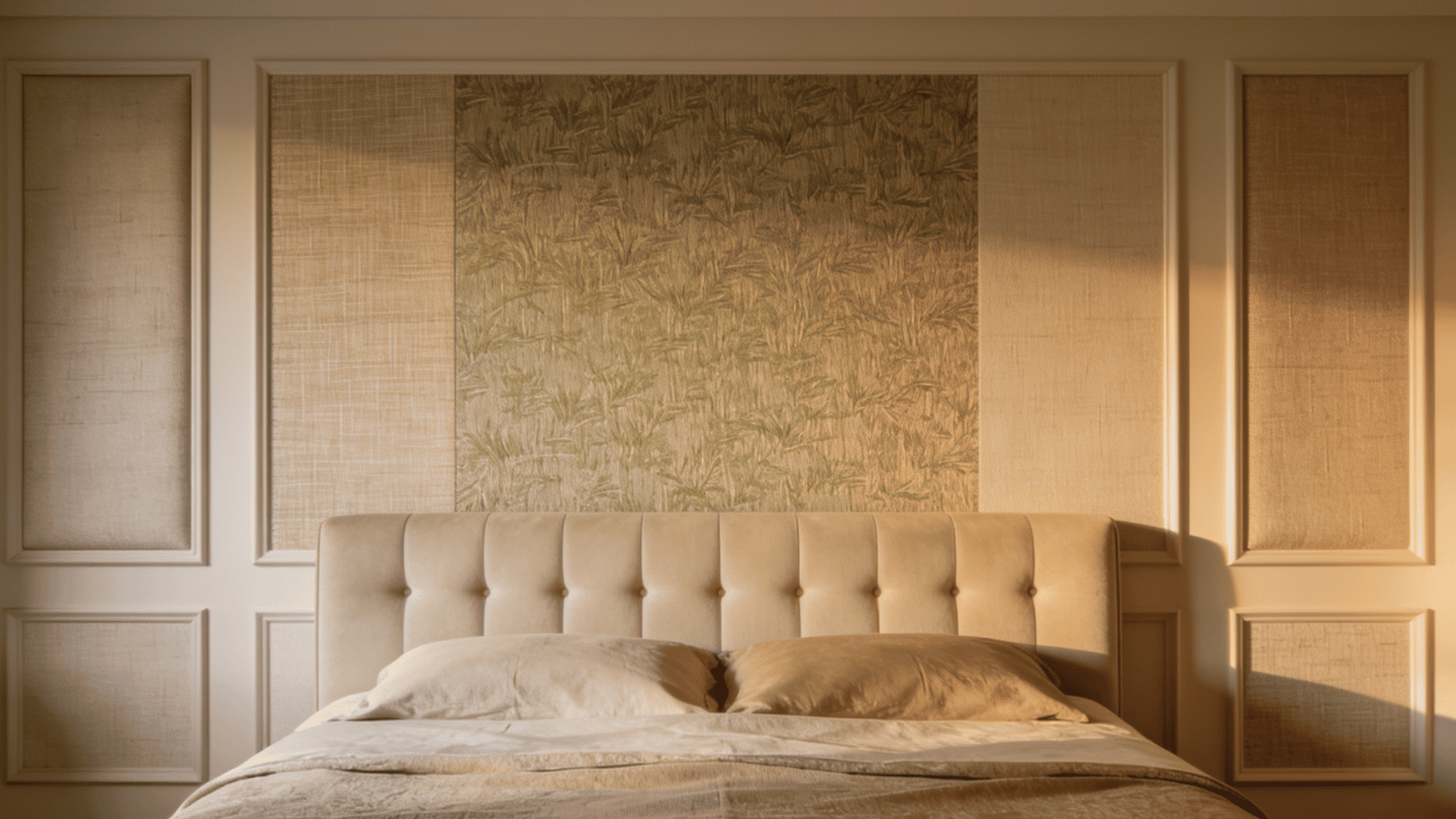
Add softness behind the bed with upholstered panels, grasscloth, cork, or linen-look wallpaper. These surfaces bring more depth than plain paint and can make a sparse room feel warmer.
Padded panels may also reduce echoes in rooms with hard floors. Get A low-pattern finish so the wall does not compete with the bedding.
Removable wallpaper works well for renters. Measure carefully before buying, since uneven seams are very easy to notice behind a centered headboard.
12. Create a Small Seating Area
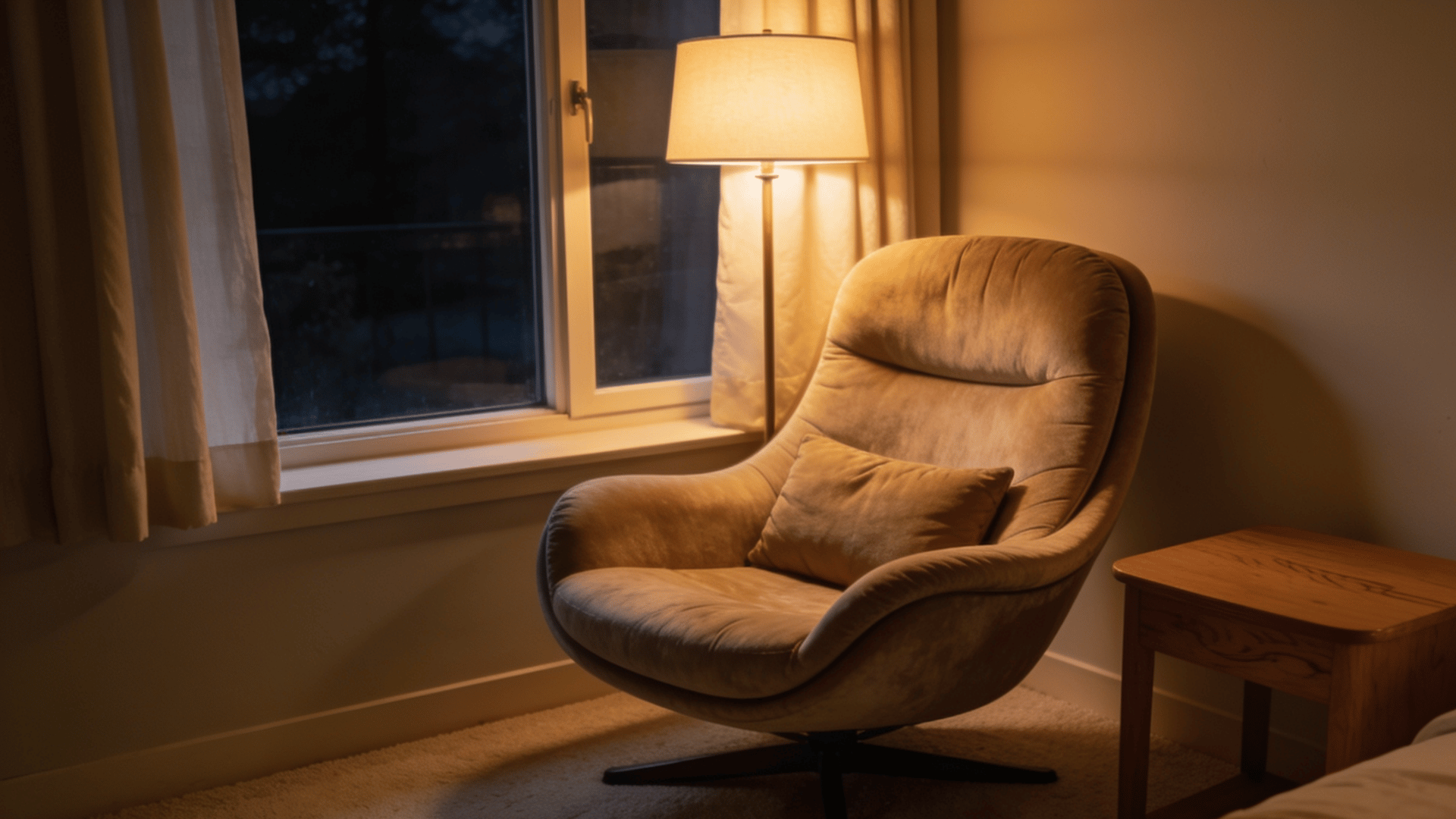
Create a quiet corner with two small chairs, a loveseat, or one comfortable armchair beside the window. Try a compact side table for drinks, books, or a lamp.
Curved furniture and soft upholstery often feel more relaxed than stiff, sharp-edged pieces. Keep enough room to walk around the bed without squeezing past furniture.
In a small bedroom, one chair and a floor lamp may be enough. The area gives the room another purpose beyond sleeping.
13. Use a Tufted or Upholstered Headboard
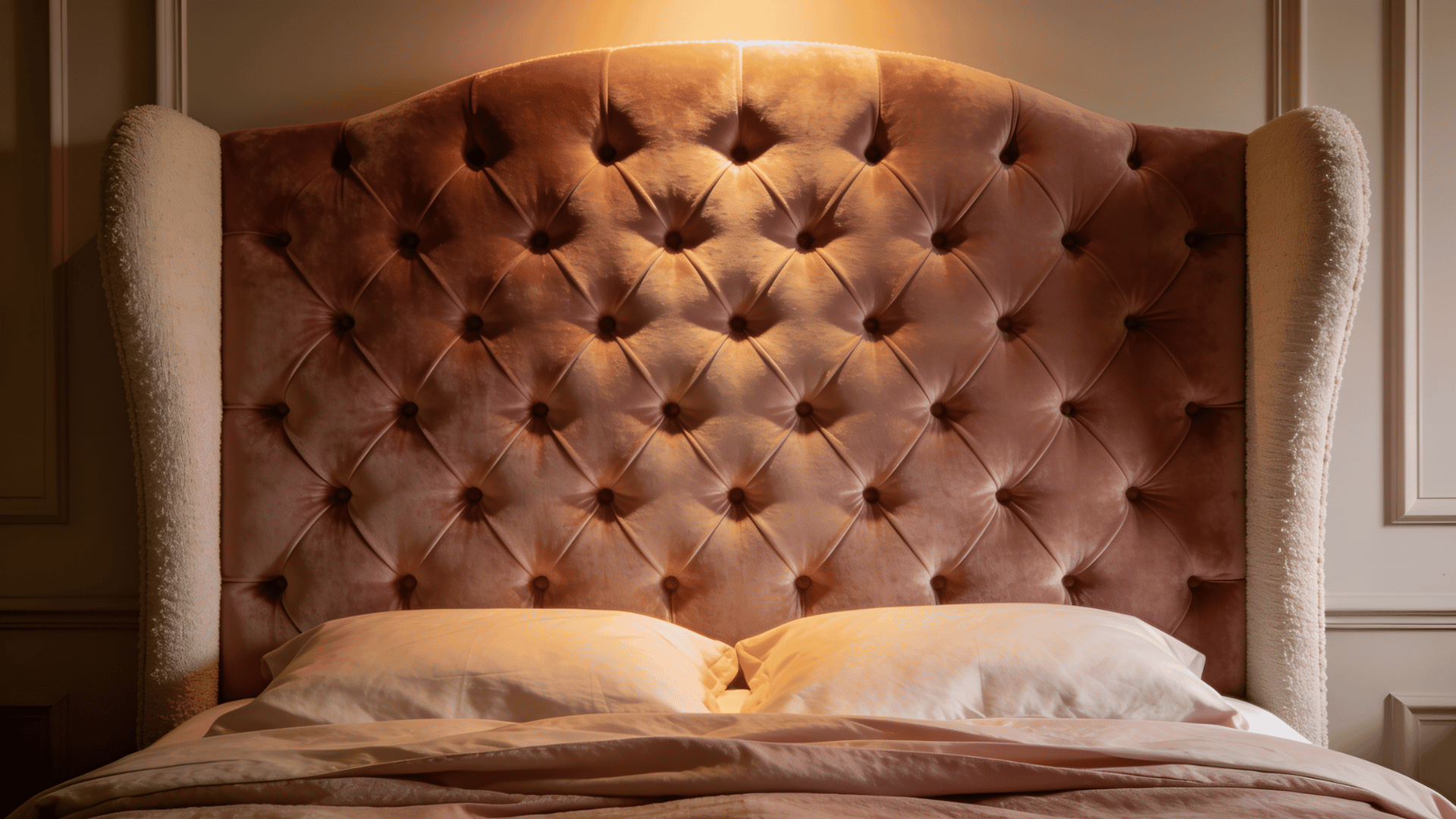
A tufted or upholstered headboard makes the bed wall softer and more finished. Velvet gives a rich look, linen feels relaxed, and boucle adds a nubby surface.
Look for a height that suits the ceiling and leaves room for nearby wall lights or art. Neutral colors are easier to match with changing bedding.
A padded headboard supports your back while reading or talking in bed. Check the mounting carefully so it stays firm against the wall.
14. Place Furniture to Face Each Other
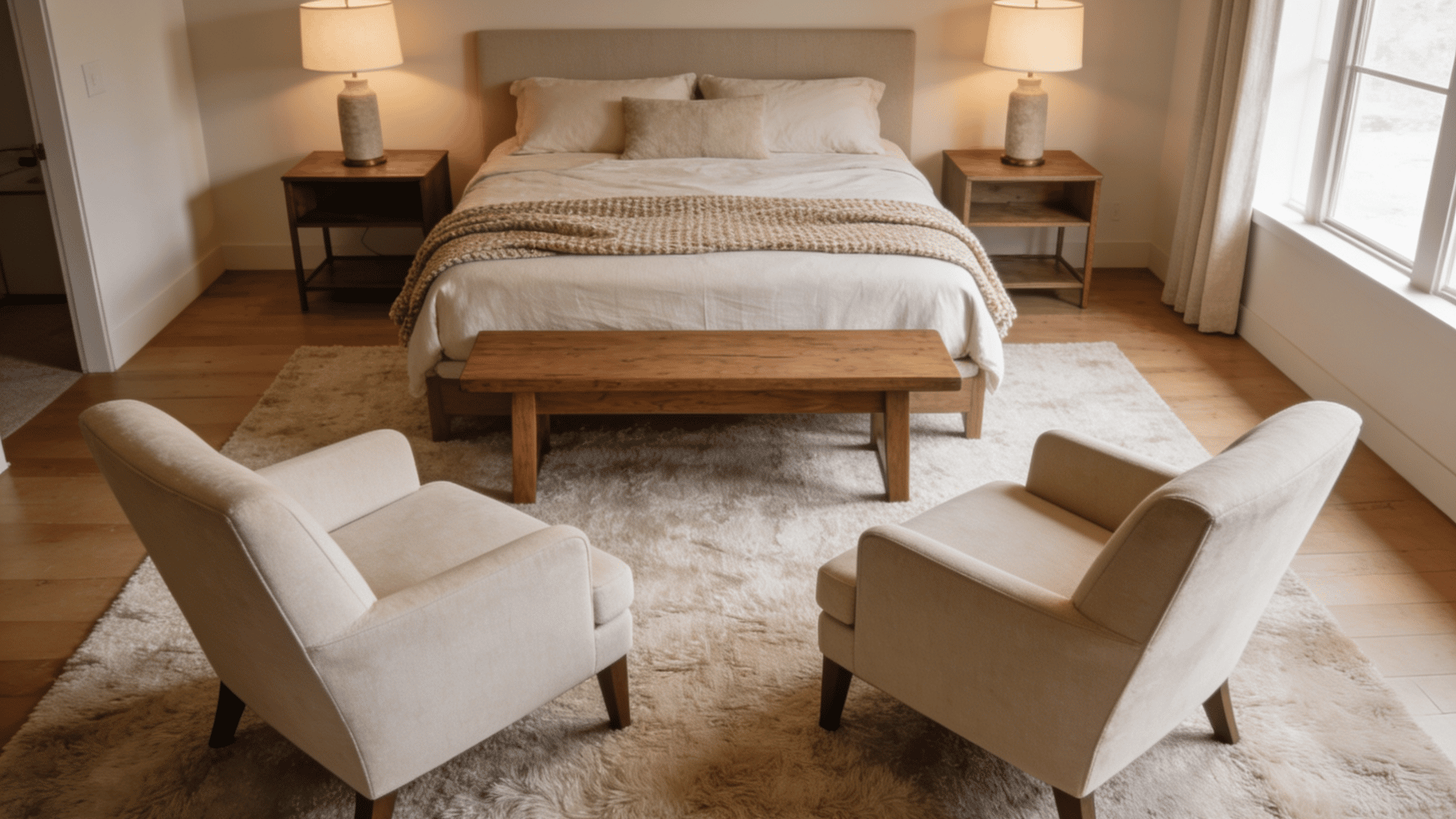
Arrange chairs so they face each other, or place a bench at the foot of the bed, facing inward. This layout makes the room feel less rigid and gives a comfortable place to talk.
Avoid lining every piece of furniture against the walls. Pulling a chair or table inward can make the setting feel more natural.
Keep clear paths to the door, wardrobe, and bathroom. The room should remain easy to use every day.
15. Pick One Signature Bedroom Scent
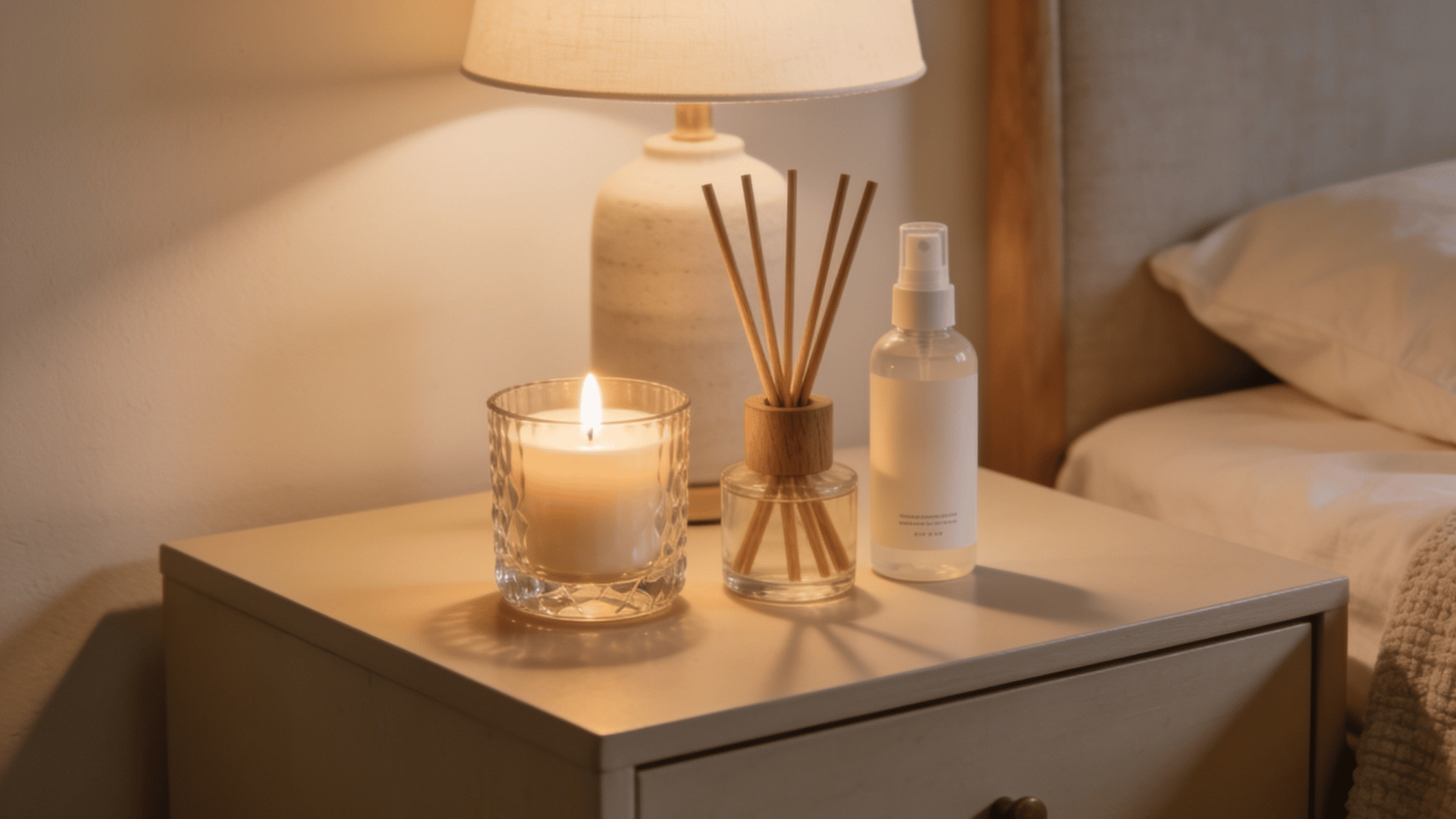
Pick one light fragrance for the bedroom, such as lavender, vanilla, cedar, rose, or sandalwood. Use the same scent through a candle, reed diffuser, or linen spray rather than mixing several products.
Start with a small amount because a strong fragrance can become distracting or cause headaches. Keep diffusers away from direct sunlight and sensitive surfaces.
Wash bedding regularly so fragrance does not cover stale smells. A familiar scent makes the evening routine feel more settled.
16. Use Dried Flowers or Fresh Eucalyptus
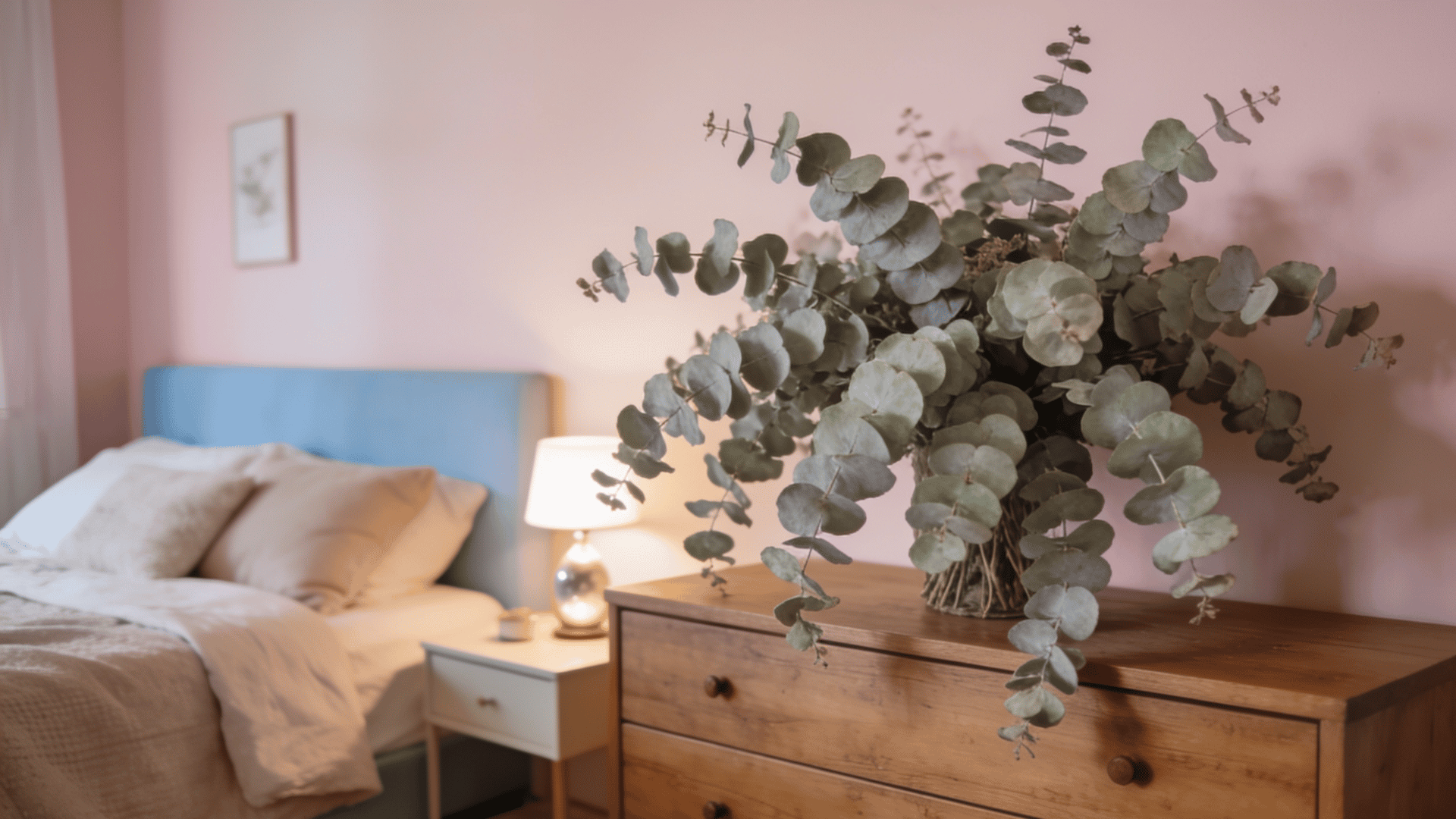
Place dried lavender, pampas grass, cotton stems, or eucalyptus in a vase on a dresser or nightstand. These natural details bring shape and softness without needing daily care.
Keep arrangements small, so they do not block lamps, mirrors, or walking space. Fresh eucalyptus may bring a light scent, though it should be replaced when it dries or drops leaves.
Dust dried flowers often. Choose one simple arrangement rather than filling several surfaces with similar pieces.
17. Layer a Soft Rug Beside the Bed
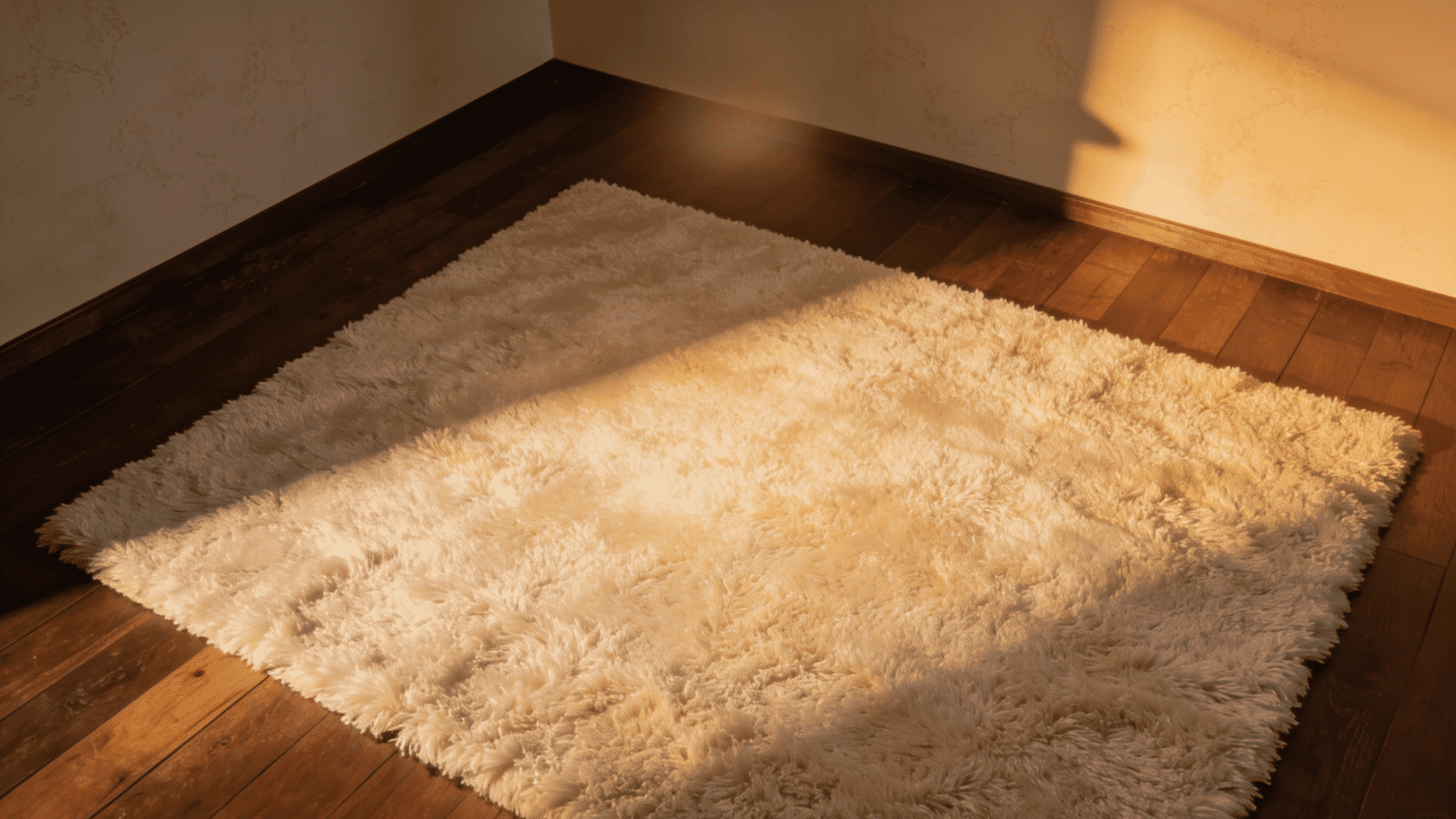
Place a soft rug beside the bed so your feet land on a warm surface each morning. Sheepskin-style, shag, wool, and thick cotton rugs work well.
Use non-slip backing to keep smaller rugs from moving on wood or tile. In a larger bedroom, place one area rug under the lower two-thirds of the bed.
Let it extend beyond both sides. Match one rug color with the bedding or curtains to keep the room looking connected.
18. Place a Runner at the Foot of the Bed

A narrow runner at the foot of the bed can add warmth and pattern without covering all the floor. This works well in bedrooms with wood, laminate, or tile.
Choose a flat fiber type if the area gets frequent foot traffic, since thick piles catch on furniture. Leave a gap between the runner and the bed frame.
Pick colors that relate to the bedding without copying it exactly. Set a rug pad to prevent slipping and curling.
19. Hang Floor-to-Ceiling Curtains
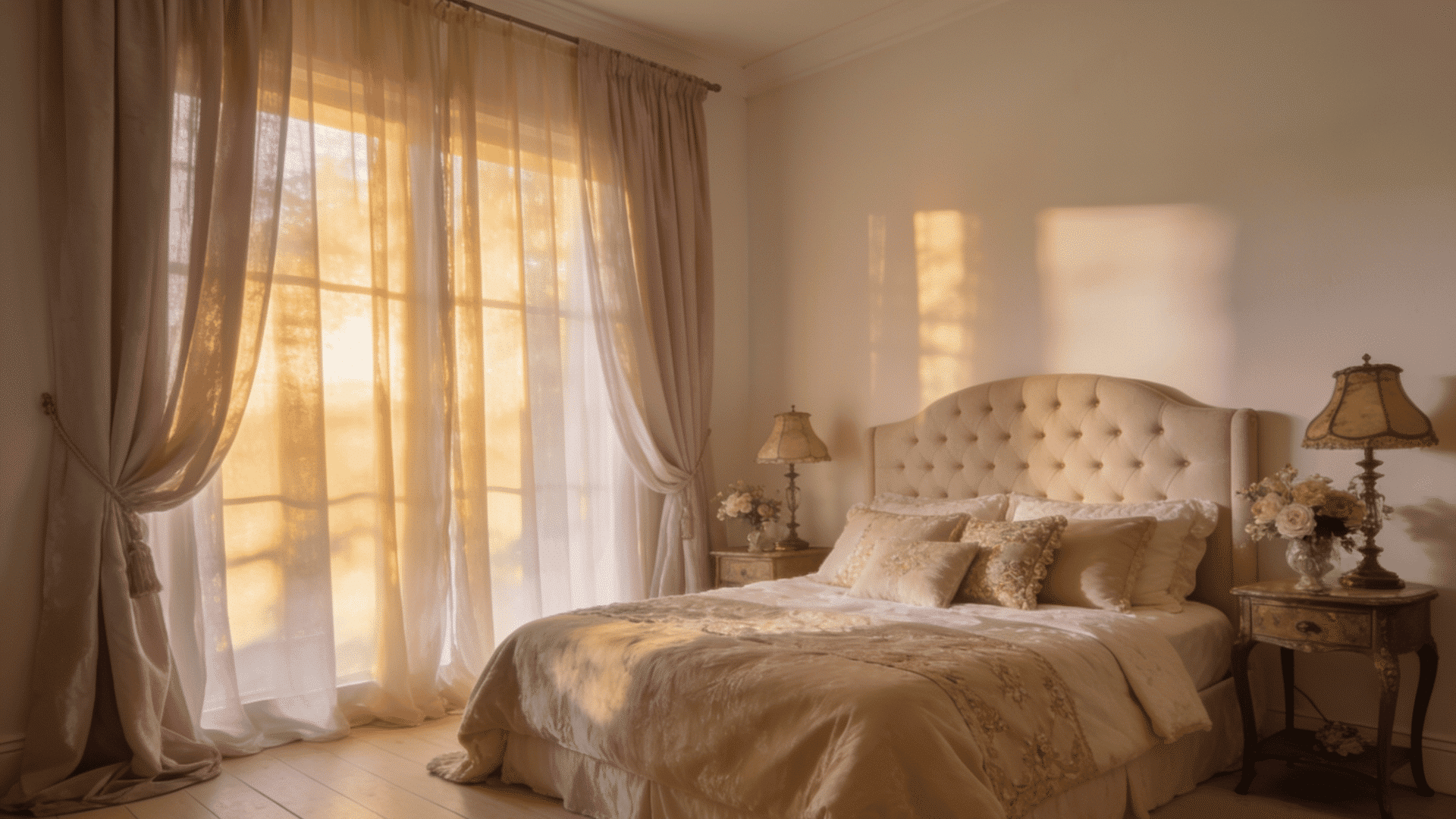
Hang curtains close to the ceiling and let them reach the floor to make the bedroom look taller. Velvet, lined cotton, and linen blends soften outside light and reduce street noise.
Extend the curtain rod past the window so the panels can open fully during the day. Warm neutral shades suit many rooms. Blackout lining may help light sleepers.
Avoid heavy fabric in damp spaces, and wash or vacuum the curtains often to limit dust.
20. Use Sheer Curtains as a Canopy
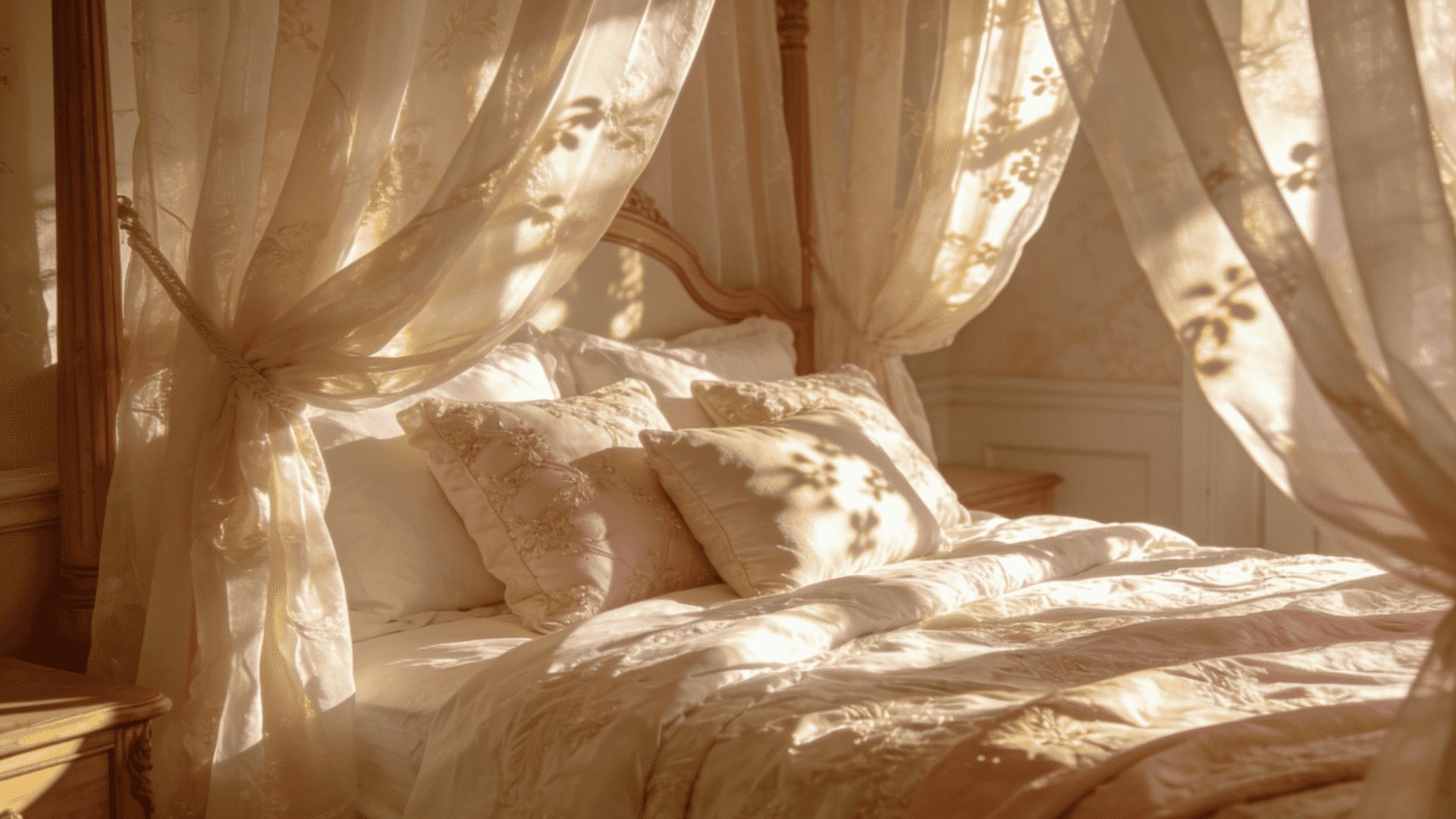
Drape sheer curtains around a four-poster bed or hang them from a secure ceiling track for a soft canopy. Ivory, cream, and pale blush allow light through while adding privacy.
Keep the fabric away from lamps, candles, fans, and vents. Sheers can separate a sleeping zone from a desk or seating area in a large room.
Choose washable panels and avoid excessive layers. Gentle movement from natural airflow can make the bedroom feel pleasantly calm.
21. Display Personal Photos

Display a set of personal photos in wood, brass, or matte gold frames. Choose images from shared trips, family moments, or quiet everyday memories.
Mix two or three frame sizes, but keep their finish similar so the display feels connected. Place the photos on a shelf, dresser, or one small wall section.
Avoid filling the bedroom with too many portraits. A limited collection feels personal and leaves open space for the room to stay restful.
22. Keep Books on the Nightstand

Keep a small stack of books on the nightstand, bench, or shelf. Choose books you are reading rather than decorative titles that never move.
Two or three books look natural and leave room for a lamp, water glass, or alarm clock. Include a simple bookmark or small dish on top. Avoid tall stacks that may fall during the night.
Books bring a lived-in touch and can support a quieter bedtime routine away from phone screens.
23. Remove Visible Electronics
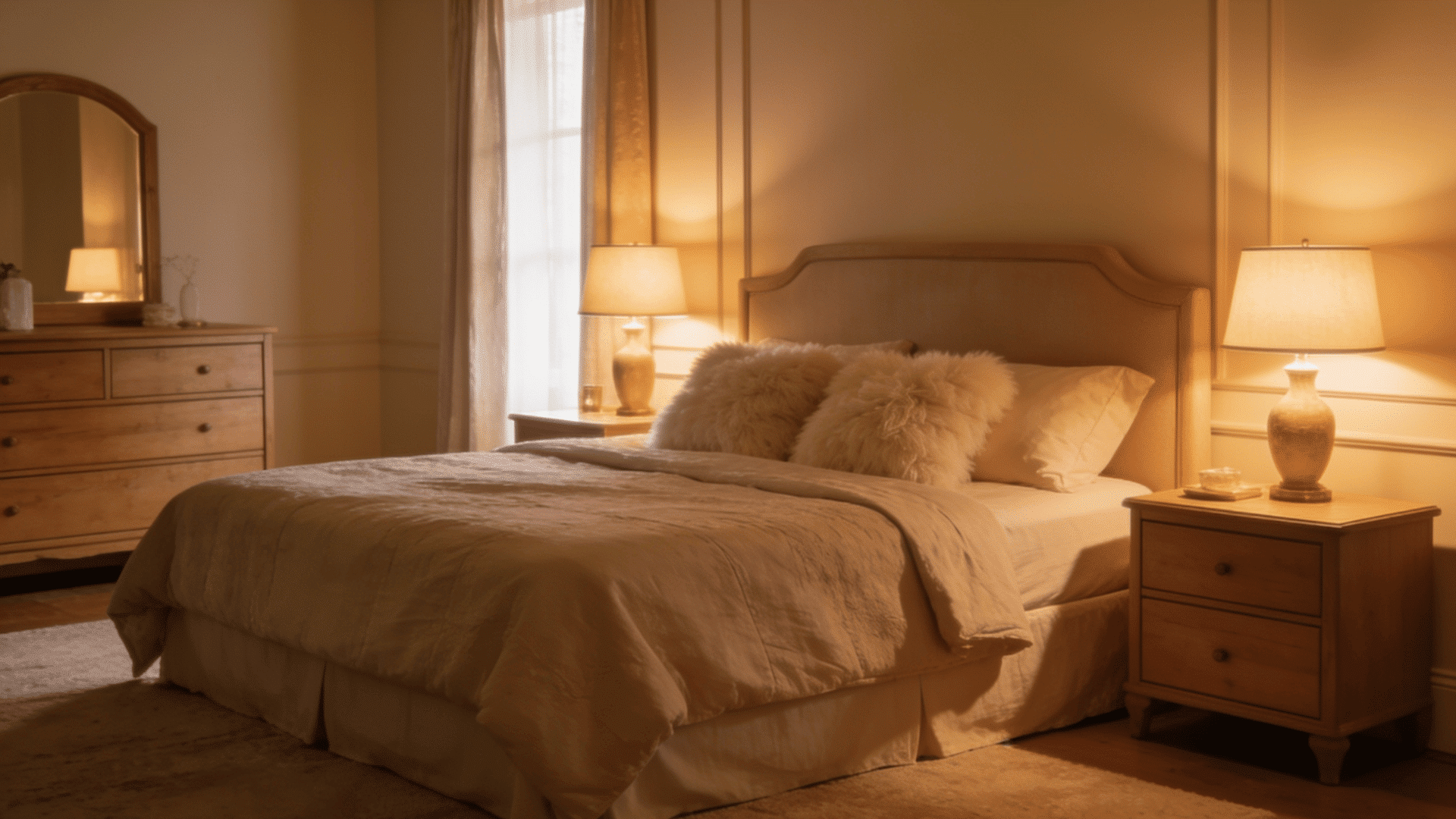
Hide televisions, laptops, charging cables, and blinking devices whenever possible. Store small electronics in a drawer, basket, or closed cabinet, and run cords behind furniture with simple cable clips.
Charge phones across the room or outside the bedroom if that suits your routine. Cover a television with cabinet doors or a plain panel when it is unused.
Reducing visible screens can make the room look calmer and leave more attention for rest, reading, and conversation.
Romantic Bedroom Mistakes to Avoid
Small choices can make a romantic bedroom feel cold, crowded, or unfinished instead of warm and inviting.
- Avoid harsh white bulbs because they can make the room feel clinical. Choose warm lighting from lamps, sconces, or dimmable bulbs for a softer mood.
- Do not fill every wall, table, and corner with decor. Leave open space so the room feels calm, clean, and easy to move through.
- Limit the color palette to two or three shades. Too many bold colors can clash and make the bedroom feel busy rather than restful.
- Plain bedding can look flat and uninviting. Add depth with a quilt, throw blanket, pillows, and mixed materials such as cotton, linen, velvet, or faux fur.
Conclusion
A romantic, warm, and cozy bedroom matters because it supports rest, privacy and a calmer mood before sleep.
Small choices often do the most work: warm lighting softens the room, textured fabrics add comfort, fewer screens reduce distraction, and a calm color palette helps the whole space feel more settled.
Those details make the bedroom feel personal, peaceful, and easier to enjoy every day. Use the ideas in this list as a starting point, then build the room one layer at a time.
Even one change can shift the mood right away. Put these ideas in your room now and post them in the comments below!
Frequently Asked Questions
What Color is Not Ideal for a Bedroom?
Bright, highly saturated colors such as bright red, electric orange, and sharp yellow can feel overstimulating and make relaxation harder.
How Can You Make a Bedroom Feel Sensual?
Use warm lighting, soft bedding, hidden electronics, pleasant scents, tidy surfaces, candles, and richer colors to create a sensual bedroom.
What is the 60-30-10 Rule for Bedrooms?
Use 60% dominant color, 30% secondary color, and 10% accent color for a balanced, coordinated bedroom palette throughout the room.