Minimalist interior design creates rooms that feel calm, balanced, and easy to live in without looking bare or unfinished.
The style works best when each choice feels intentional, from the furniture layout to the colors, textures, and materials used throughout the space.
A well-planned minimalist home can still feel warm, personal, and comfortable. Natural wood, soft fabrics, simple shapes, and thoughtful storage help create that balance while keeping visual clutter under control.
The goal is not to remove personality, but to make every element feel useful and considered. Keep reading for ideas you can adapt to your own home today.
How to Plan a Minimalist Interior
Establish the purpose of the room first before choosing the furniture and decoration options.
Measure the room while accounting for doors, windows, and passageways, then select furniture that supports everyday use.
Choose a monochromatic scheme of colors with no more than two or three dominant colors. Choose furniture that is not complicated and proportional to the size of the room.
Consider the ways of storing things first in order to avoid collecting daily objects in open spaces.
Then you may think about additional elements such as lighting, textures, artworks, etc.
Minimalist Interior Design Ideas to Inspire Your Home
These examples show how minimalist interior design can take different forms while remaining practical, balanced, and visually calm.
1. Build a Warm Neutral Living Room
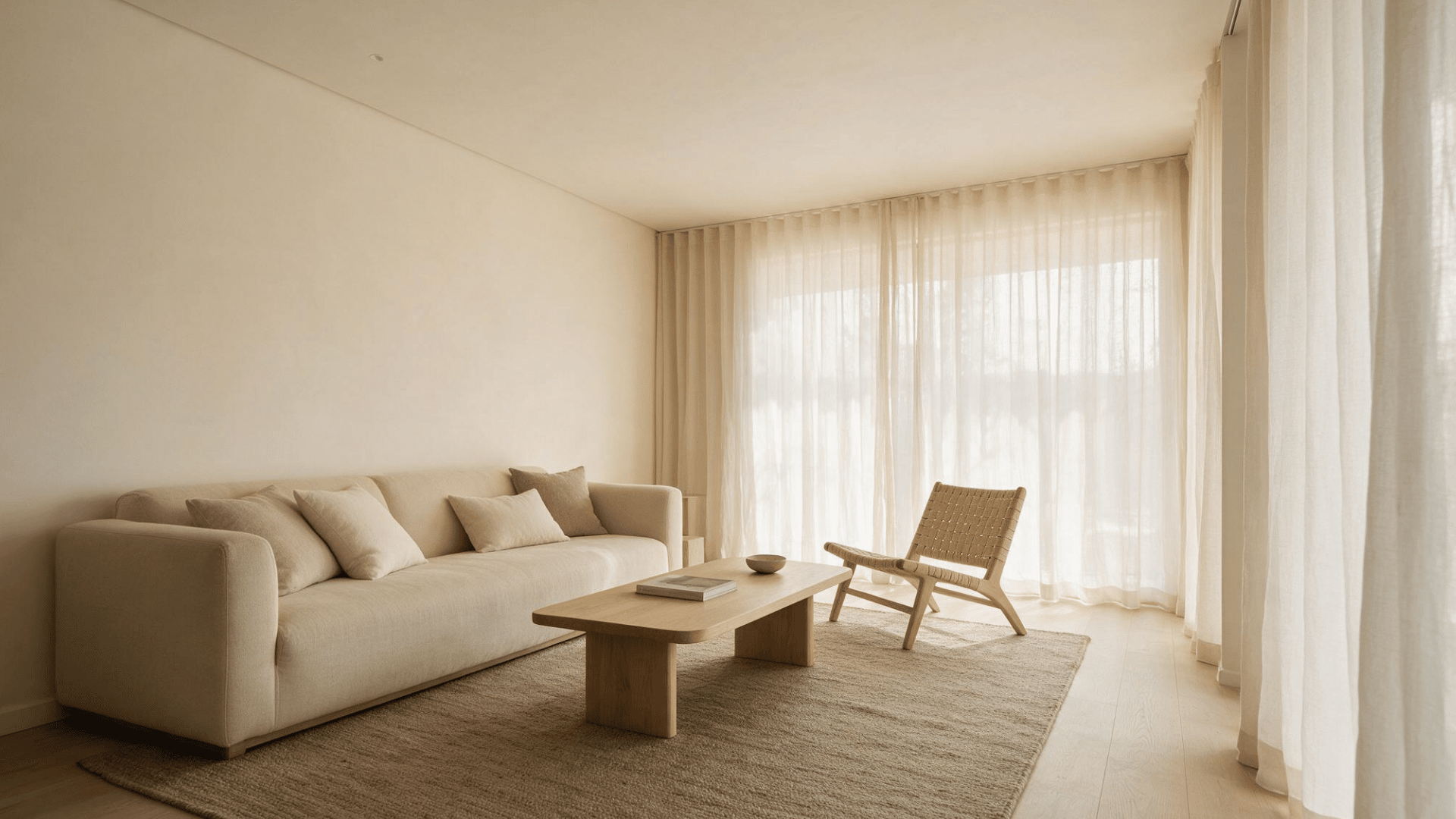
Warm neutrals can make a minimalist room feel calm without looking cold. Use shades such as cream, beige, taupe, or soft gray across walls, upholstery, and rugs.
Add natural wood or woven accents for subtle contrast. Keep the palette limited so the room stays visually balanced.
This approach works especially well in living rooms, where comfort matters as much as maintaining a clean, modern, uncluttered appearance throughout the entire space.
2. Add Natural Wood for Warmth
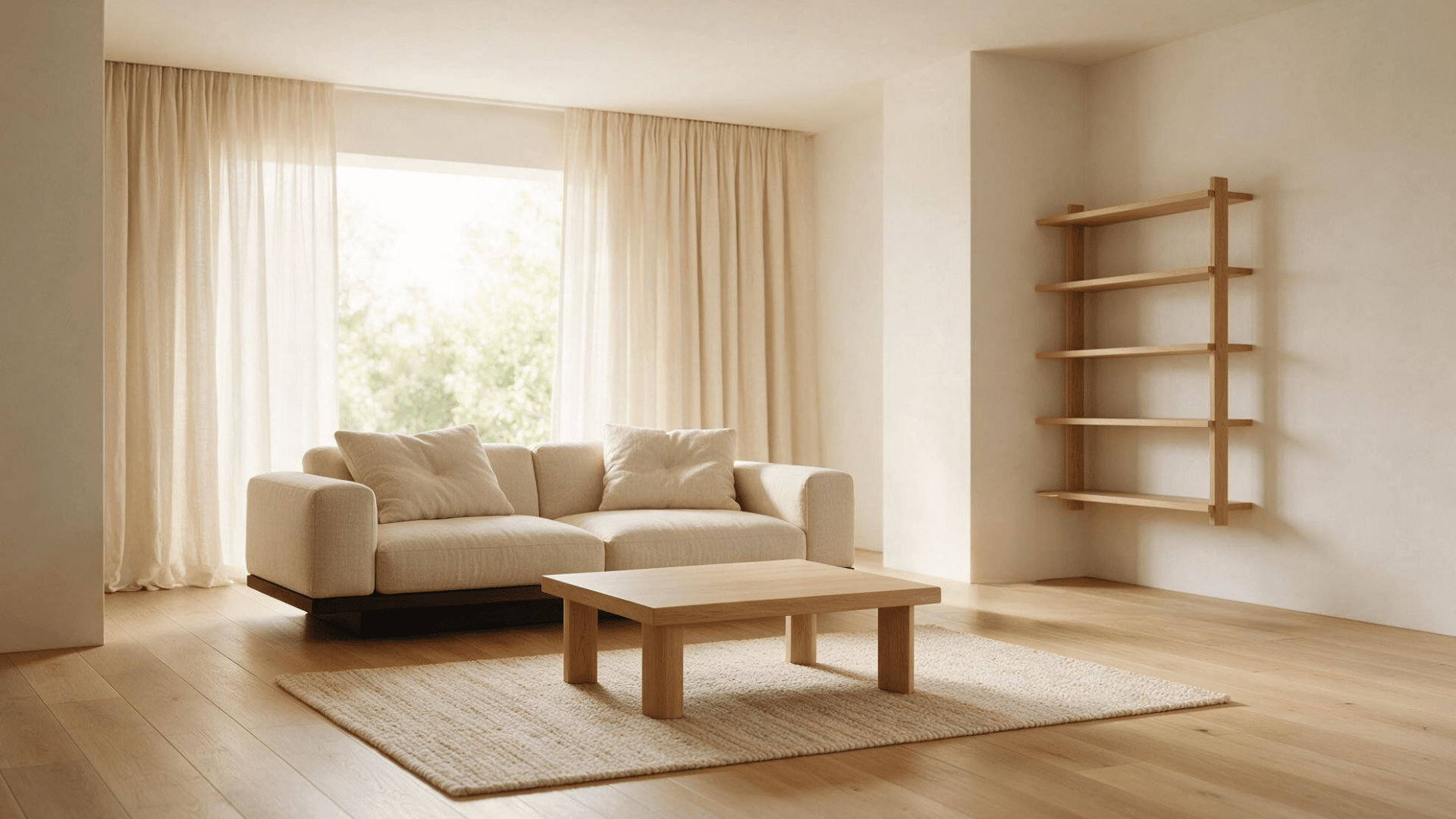
Natural wood adds warmth and visual texture without making a minimalist room feel busy. Use oak, walnut, or lighter wood for flooring, shelving, dining tables, or coffee tables.
Choose one dominant wood tone and repeat it across a few pieces to create visual consistency. Mixing too many finishes can make the room feel less cohesive.
Wood works especially well with neutral walls, simple furniture, and soft fabrics because it adds character without relying on decorative patterns.
3. Create One Clear Focal Point
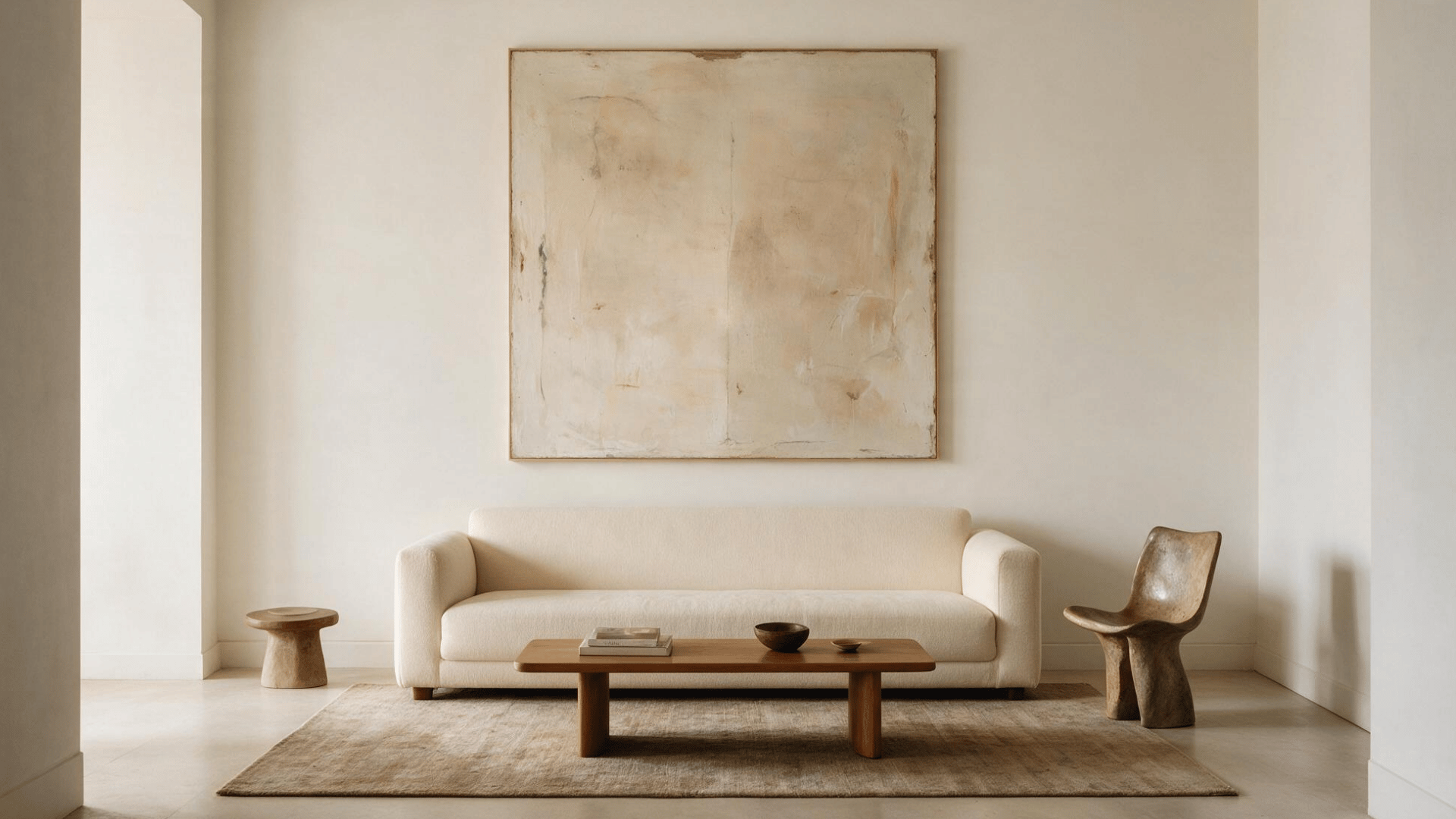
A minimalist room benefits from one dominant feature that naturally attracts attention. This could be a fireplace, architectural feature, large window, sculptural furniture piece, or another strong element.
Arrange the surrounding furniture so it supports rather than competes with the focal point. Keep nearby walls and surfaces relatively restrained.
A clear visual hierarchy makes the room easier to read and prevents multiple decorative elements from competing for attention.
4. Choose Low-Profile Furniture
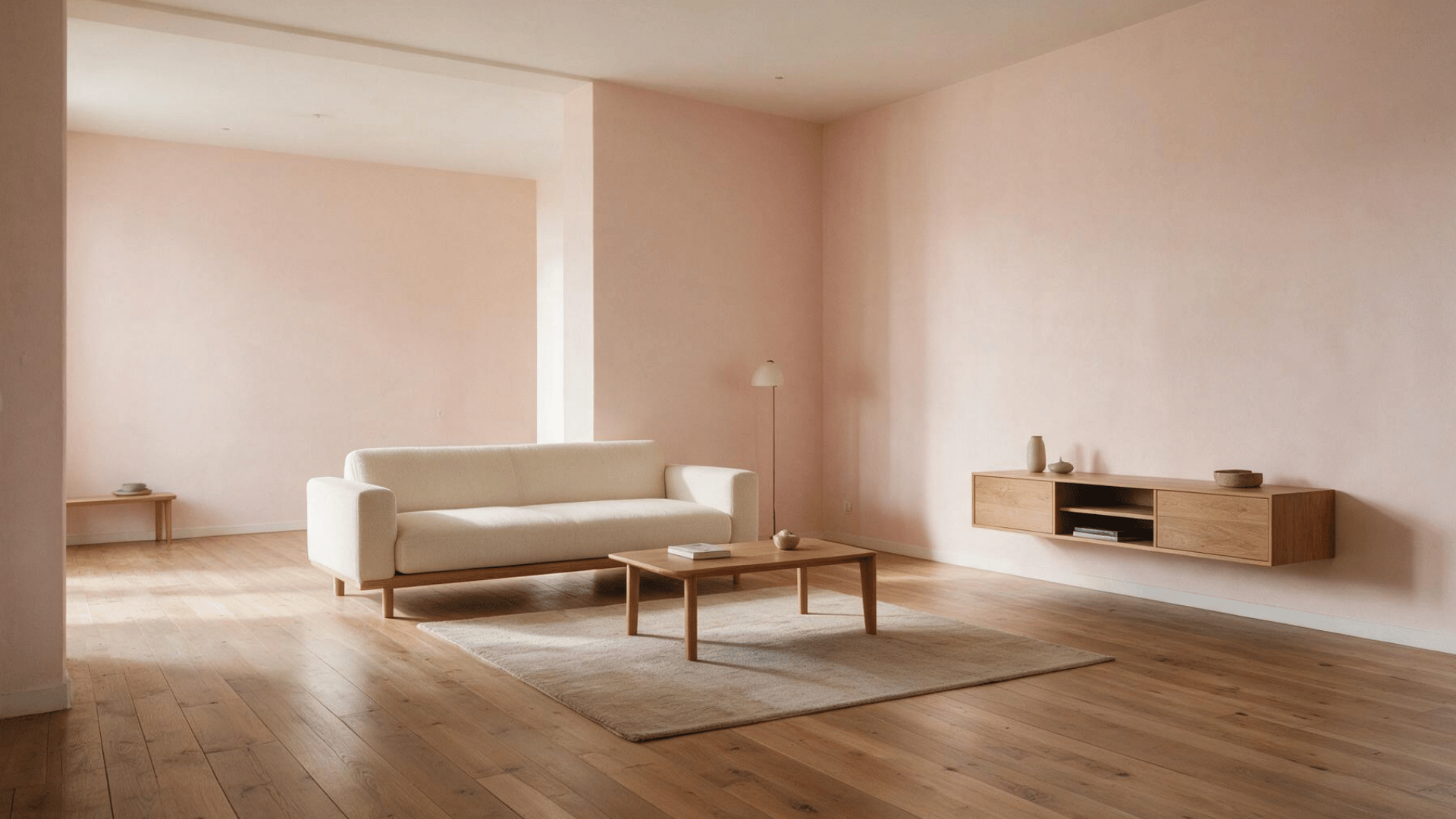
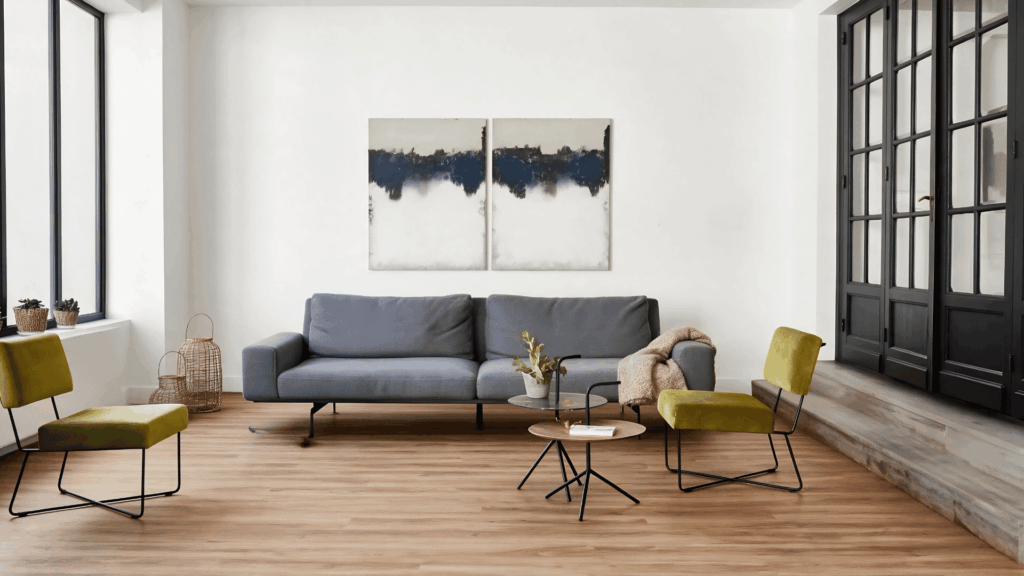
Low-profile furniture keeps sightlines open and can make a room feel more spacious. Choose sofas, beds, coffee tables, and media units with lower heights and simple proportions.
Furniture with slender legs can reveal more flooring and create a lighter visual effect. Avoid oversized pieces that block windows, pathways, or important views.
This approach works particularly well in smaller rooms, where maintaining an open feeling matters more than adding extra furniture.
5. Layer Different Textures
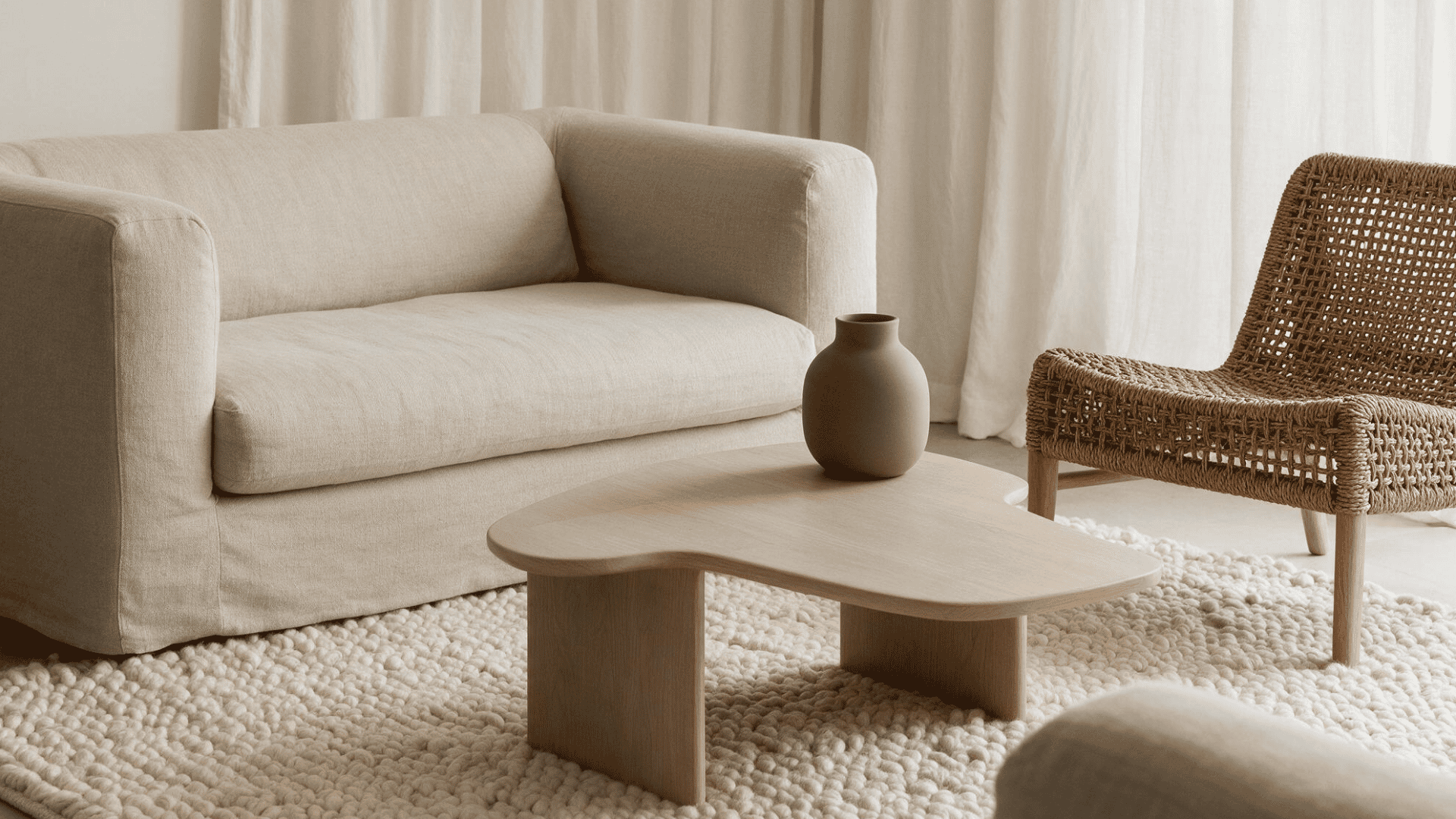
Texture keeps minimalist interiors from feeling flat by introducing subtle visual and tactile variation that makes simple spaces feel more layered and inviting.
Combine materials such as linen, wool, wood, stone, ceramic, and woven fibers in related tones. A textured rug, a soft sofa, and a smooth coffee table can add sufficient contrast without introducing extra patterns.
Keep the combinations controlled so each material remains noticeable. This creates depth while maintaining the clean, calm appearance associated with modern minimalist spaces.
6. Keep Window Treatments Simple
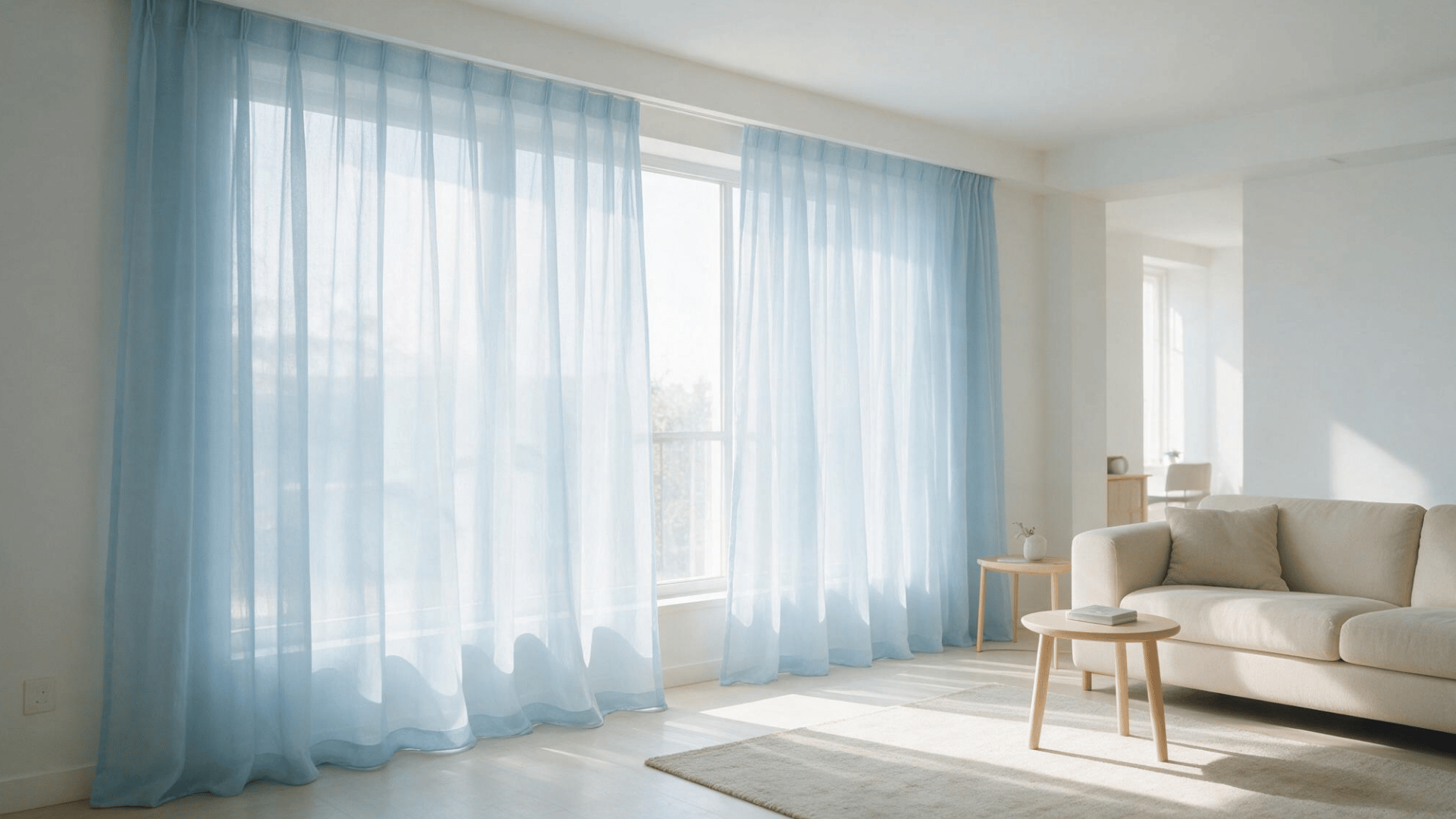
Simple window treatments help preserve clean lines and keep natural light part of the room.
Choose plain curtains, roller shades, or understated blinds in colors that blend with surrounding walls. Avoid heavy patterns, oversized valances, or multiple fabric layers that can dominate a minimalist space.
Floor-length curtains can add softness without clutter when the fabric remains simple. The result feels polished while keeping the window area visually light.
7. Design a Clean TV Wall
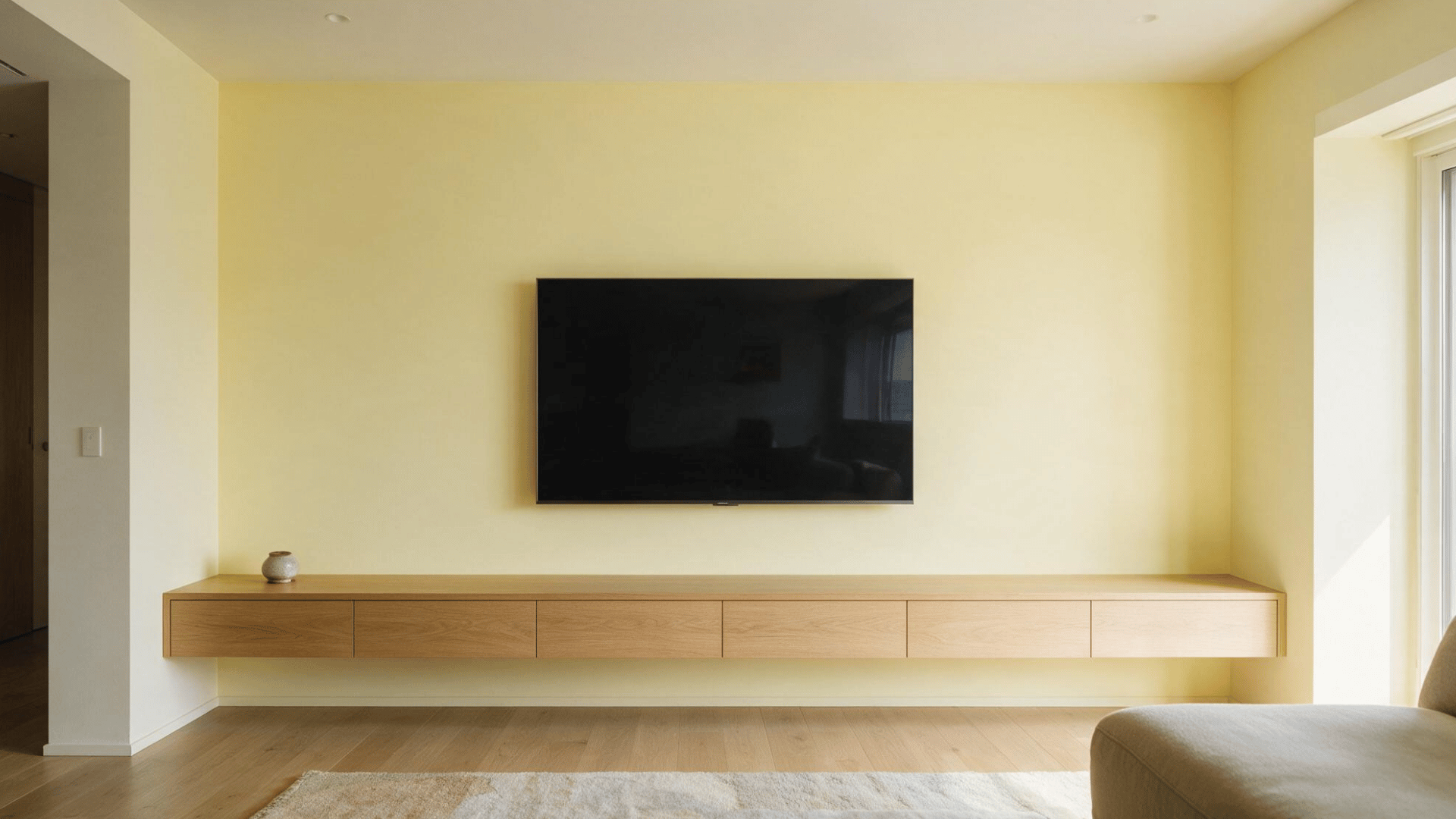
A minimalist TV wall should keep electronics organized without becoming a large decorative display. Anchor tall furniture and televisions appropriately to reduce tip-over risks.
Pair the television with a low console, floating cabinet, or simple built-in storage that hides cables and small devices. Use flat cabinet fronts and repeat finishes already found elsewhere in the room.
Avoid surrounding the screen with many shelves or accessories. A restrained setup keeps the entertainment area functional while preserving a clean, balanced living room.
8. Try a Soft Monochrome Palette
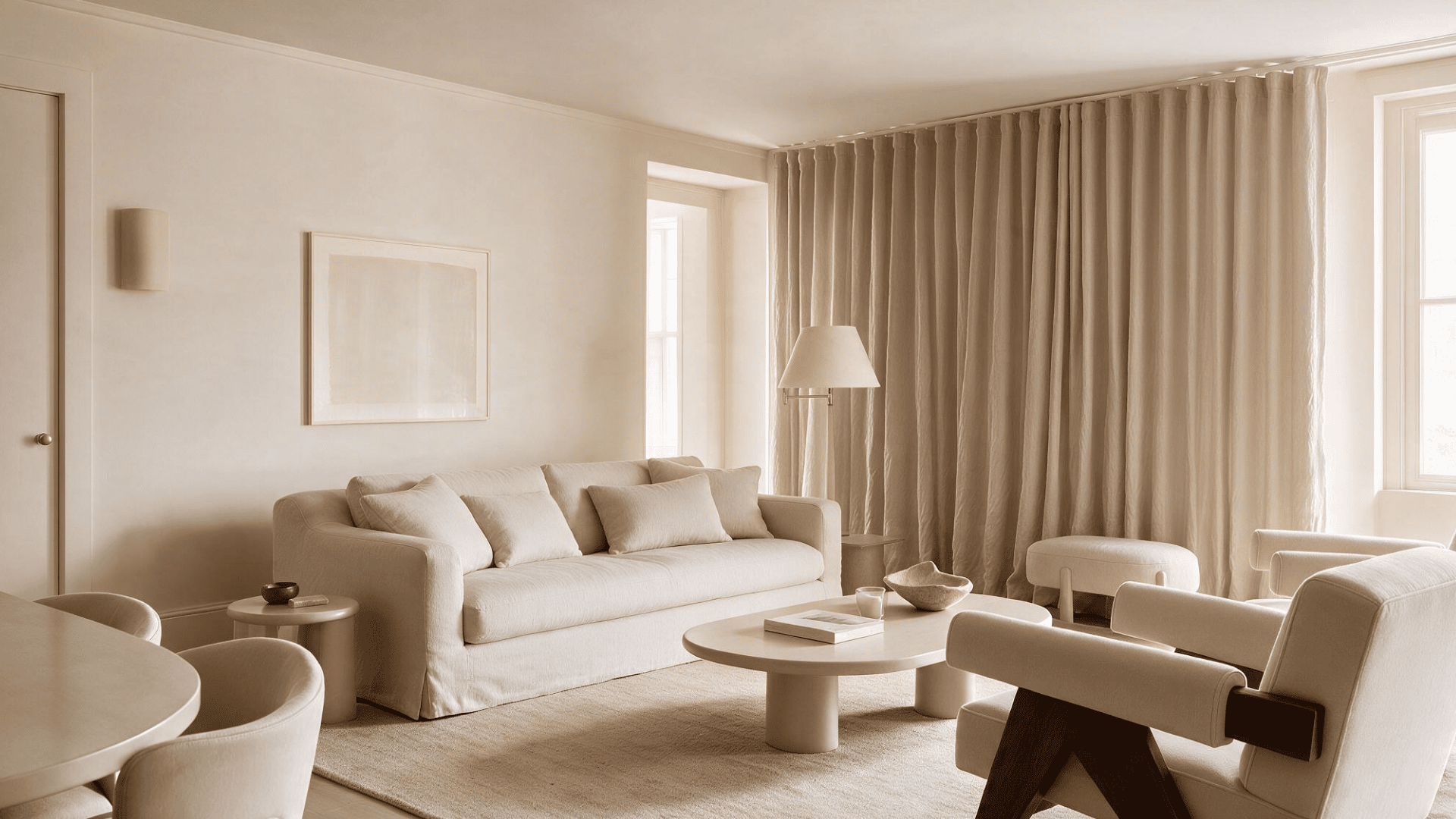
A colorful palette can look sophisticated when you layer several related shades. Alternatively, instead of using one precise color everywhere, combine off-white, sand, oatmeal, taupe, or beige in subtly different tones.
Let texture and material provide contrast through upholstery, rugs, curtains, and furniture. This prevents the room from appearing flat.
A soft tonal scheme also helps large pieces blend together, supporting the calm visual flow of modern minimalist interiors.
9. Use Hidden Storage Strategically
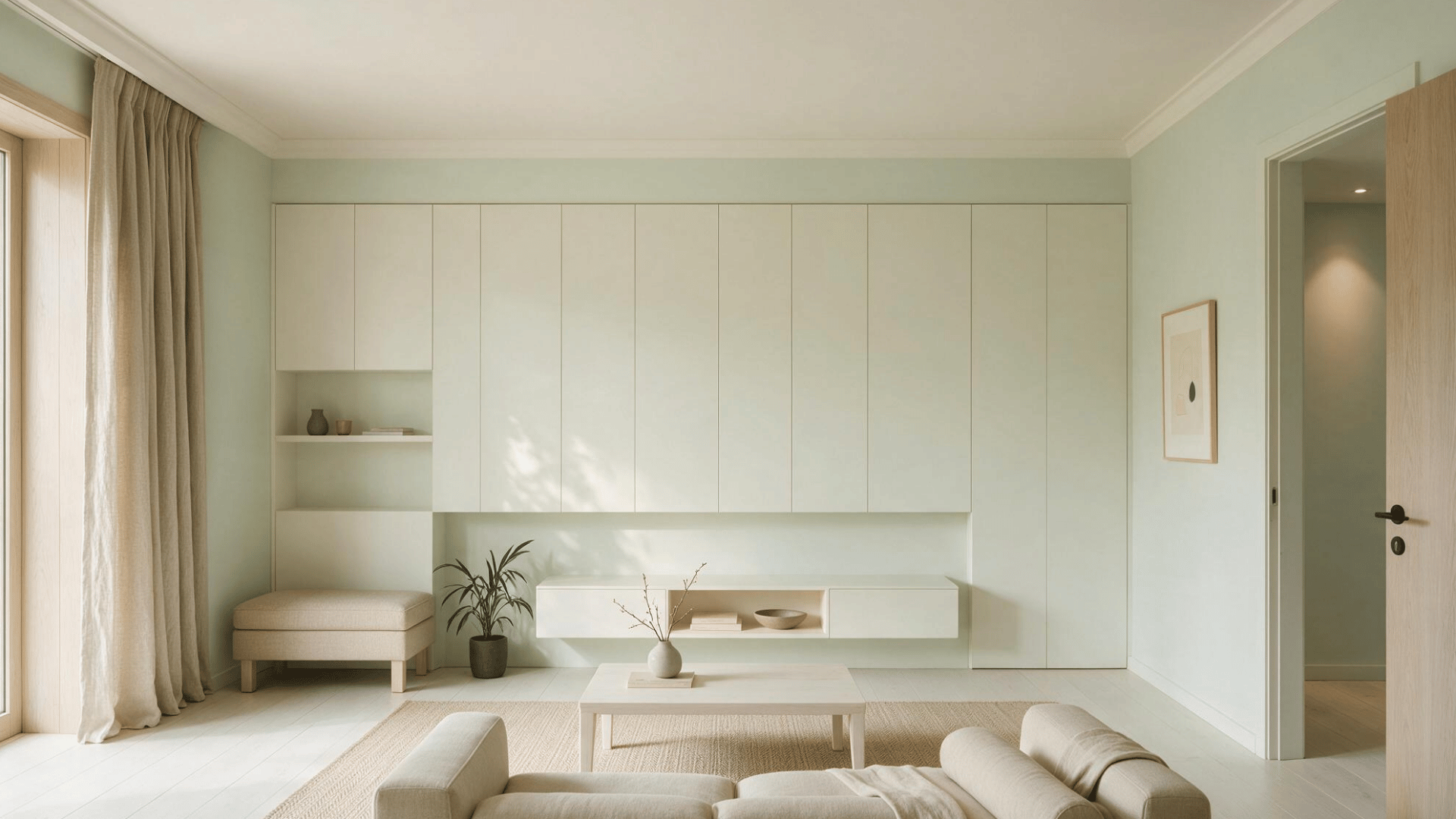
Hidden storage makes it easier to maintain a minimalist room without removing items needed for daily life.
Use drawers, closed cabinets, storage benches, or built-ins for cables, papers, toys, media equipment, and other small belongings. Place storage close to where those items are normally used.
Flat fronts and simple hardware help cabinets blend into the room. This keeps visible surfaces clear while making the space practical for everyday household routines.
10. Mix Curves with Straight Lines
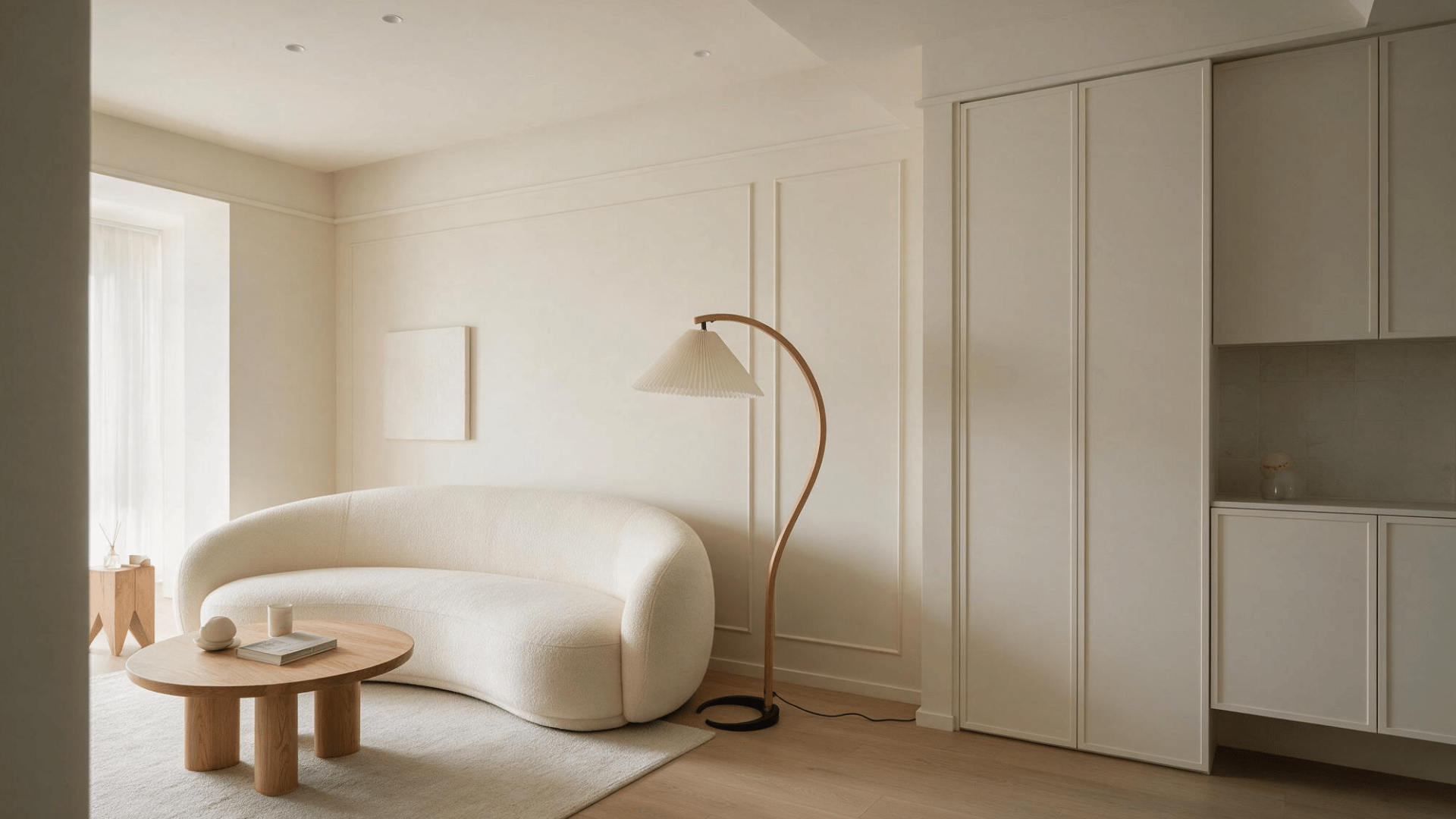
Curved furniture can soften the straight lines often found in minimalist interiors. Add a round coffee table, curved lounge chair, arched floor lamp, or softly rounded sofa while keeping surrounding pieces simple.
Limit curved forms to a few strong elements so they remain visually meaningful. Pair them with clean cabinetry, modest walls, or linear shelving.
The contrast creates movement and warmth without making the room look active or too decorative.
11. Simplify a Small Living Room
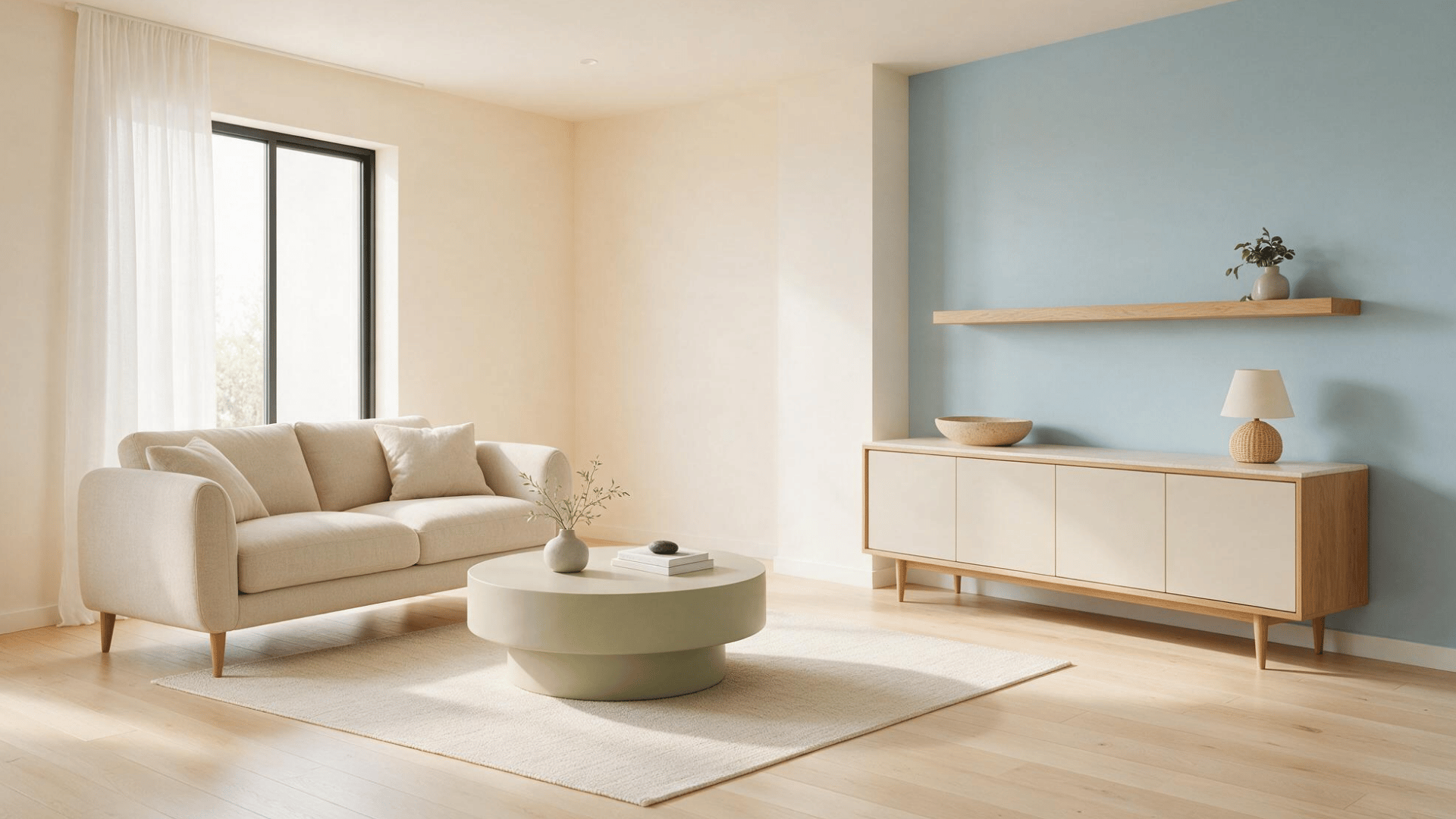
Smaller living rooms benefit from fewer, better-scaled furnishings rather than several compact pieces competing for space.
Start with the sofa, then add only the tables, storage, and seating that support orderly use. Keep pathways clear and avoid filling every corner.
A wall-mounted shelf or closed cabinet can provide storage without taking much floor area. Leaving obvious flooring around furniture helps the room feel lighter, calmer, and more thoughtfully arranged overall.
12. Add One Muted Accent Color
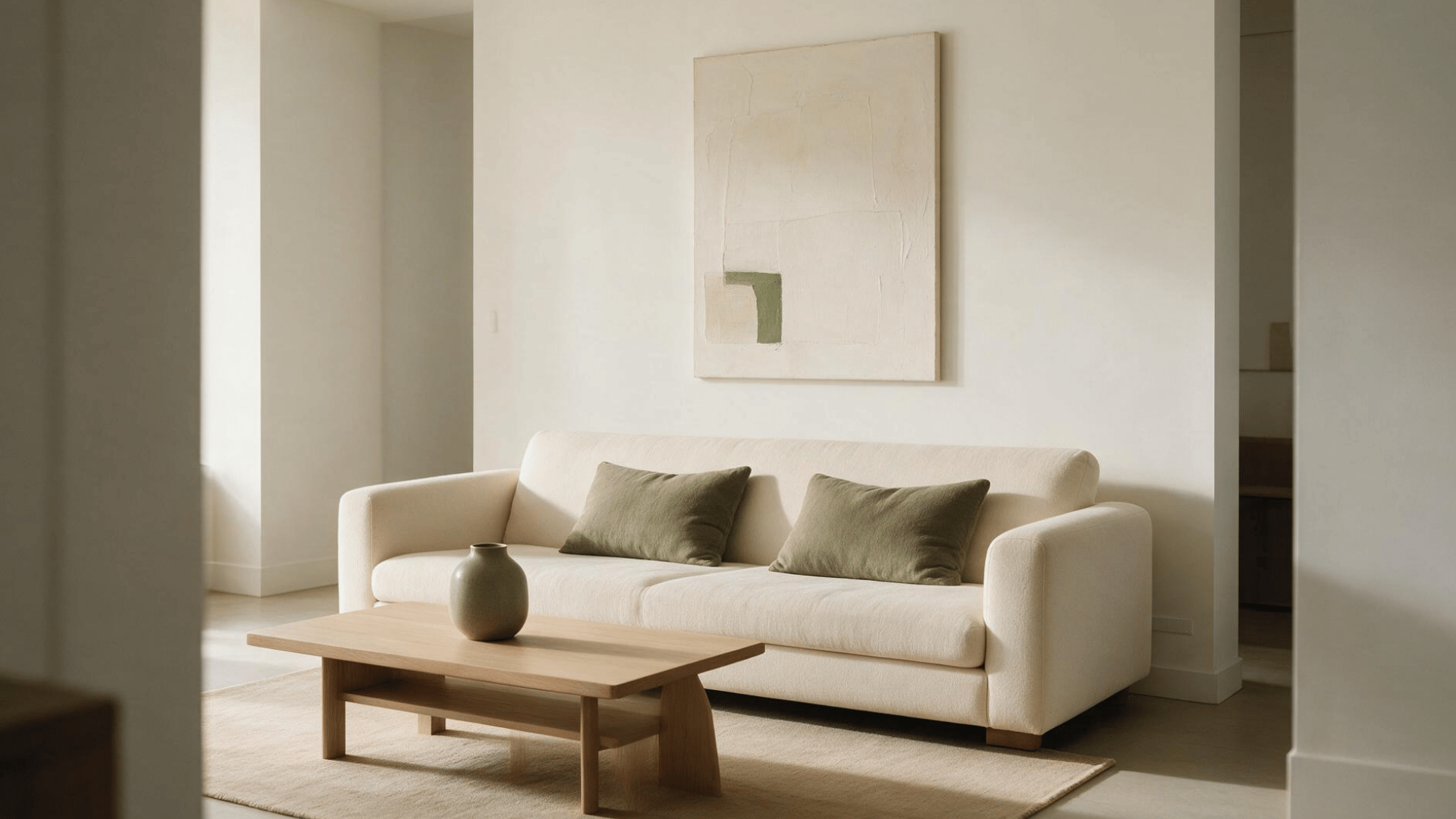
An accent color can give a minimalist room personality without overwhelming the neutral foundation. Choose one muted shade such as olive, rust, clay, dusty blue, or charcoal.
Repeat it in two or three places, perhaps through cushions, artwork, or ceramics.
Keep the odd palette soft so the accent looks deliberate. This approach adds visual interest while maintaining the simple, coordinated look that makes minimalist interiors feel calm and thoughtfully planned.
13. Display One Large Artwork
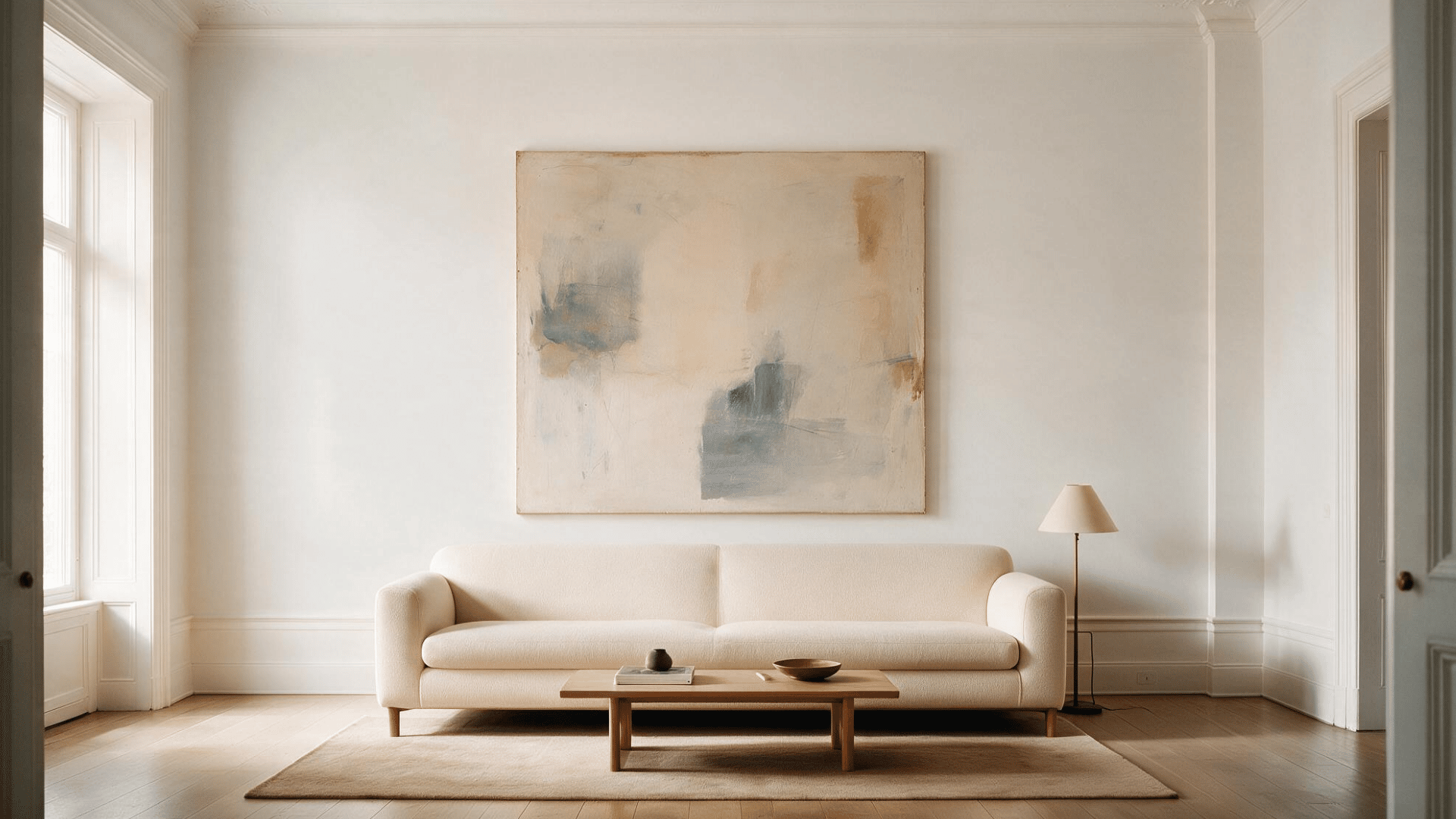
One large artwork can give a minimalist room a strong visual anchor without requiring several decorative pieces. Choose a painting, photograph, or abstract work that complements the existing color palette.
Position it where it can naturally draw attention, such as above a sofa, console, or bed. Leave enough wall space around the artwork so it does not feel crowded.
The goal is to let one substantial piece provide personality while the surrounding space remains visually restrained.
14. Edit Open Shelving Carefully
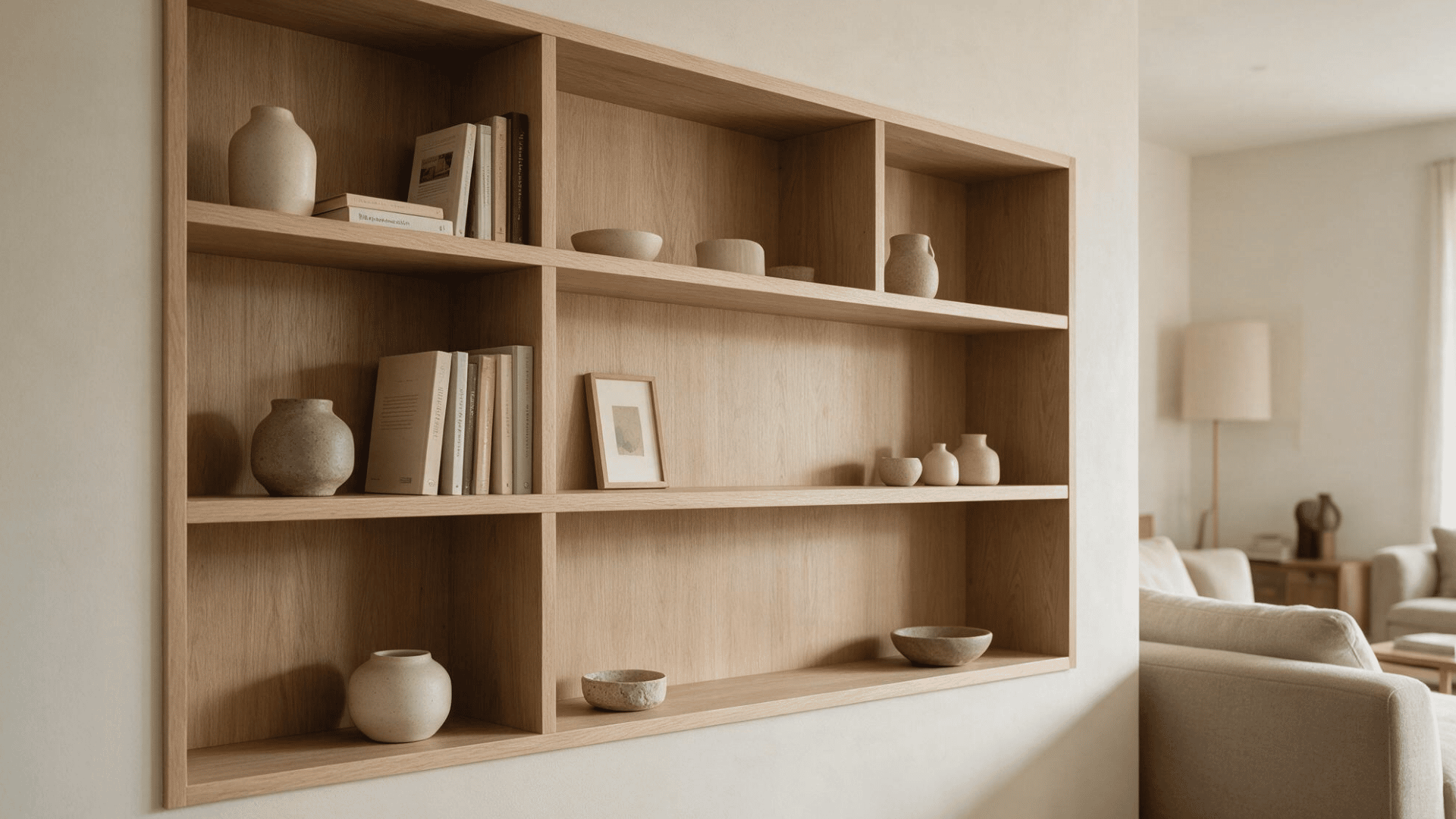
Impartial shelving works best in minimalist interiors when not every shelf is completely filled. Group books, ceramics, and suggestive objects rather than spreading tiny items evenly across the unit.
Repeat related colors or materials to create an optic connection. Leave some areas empty so displayed pieces stand out clearly.
This careful editing turns shelves into part of the room’s composition while preventing them from becoming a source of distracting optic clutter.
15. Introduce Natural Stone
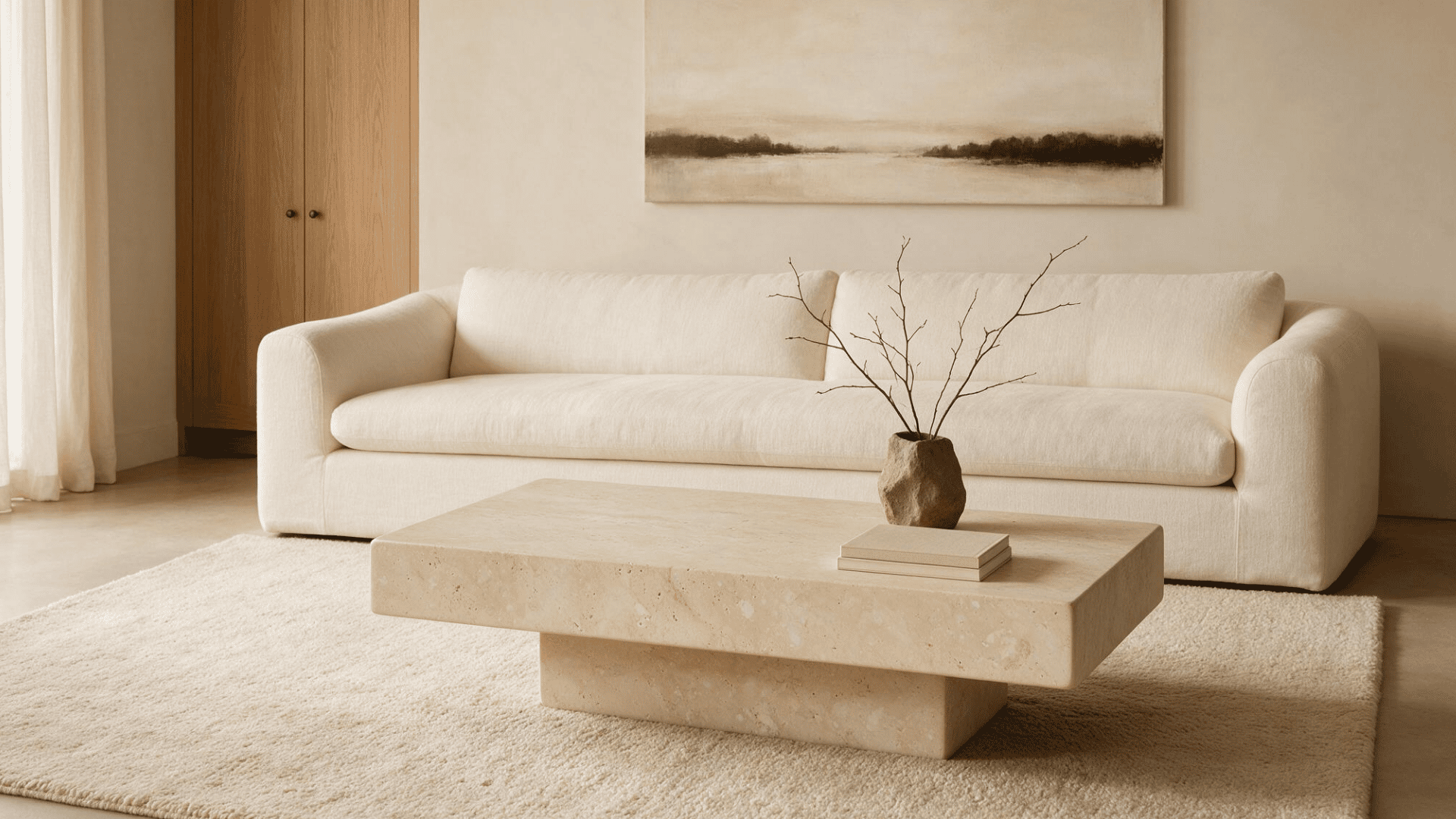
Natural stone brings variation through its surface, pattern, and material character rather than through additional decoration. Marble, travertine, slate, or limestone can work on countertops, coffee tables, fireplaces, or side tables.
Use one stone feature as a deliberate design element instead of combining several competing patterns. Pair harder stone surfaces with wood, linen, wool, or other softer materials.
This creates contrast between materials while maintaining the restrained character of minimalist interiors.
16. Layer Lighting Across the Room
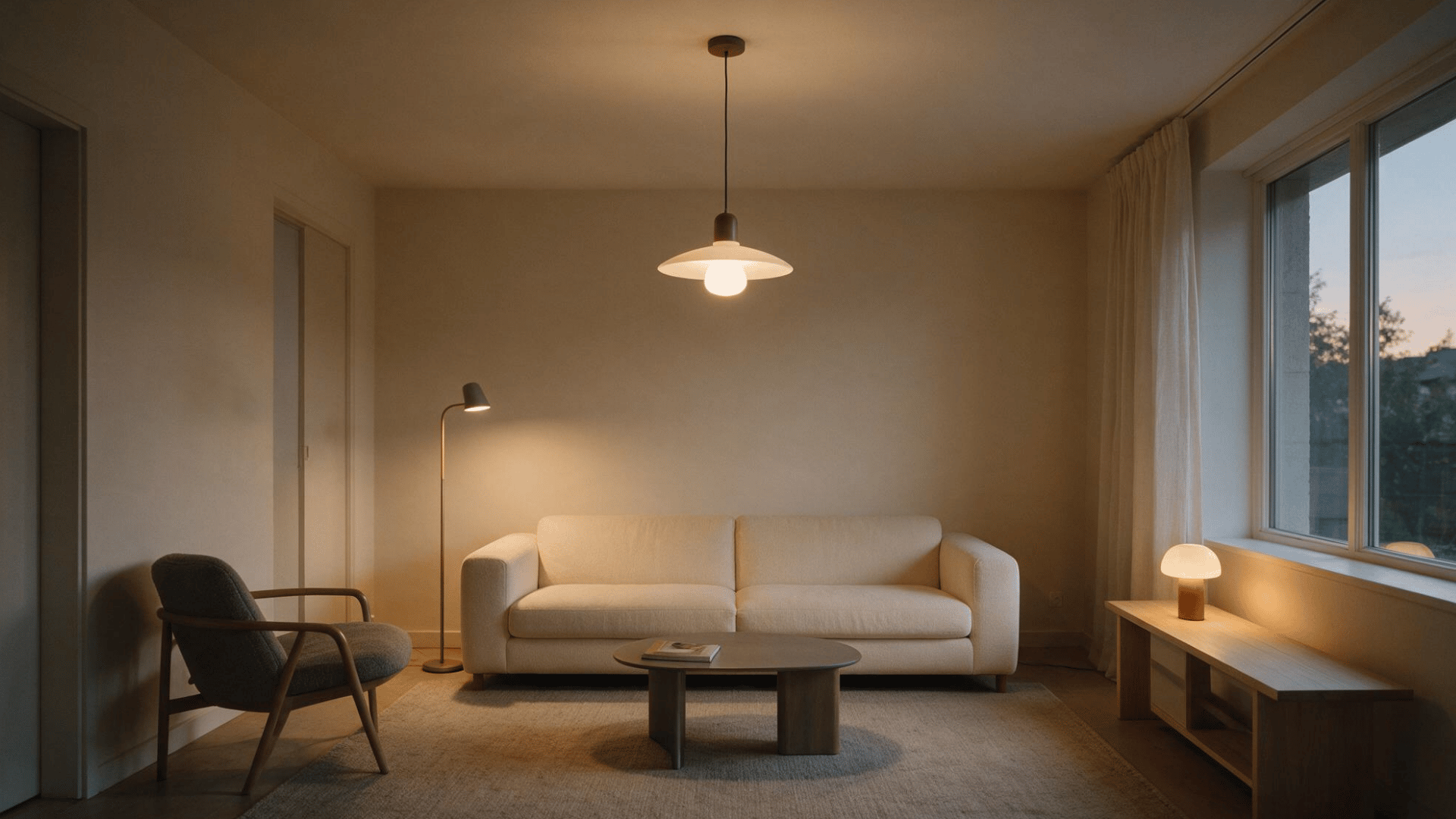
A minimalist room still needs several types of lighting to feel comfortable and functional.
Combine ceiling lighting with a floor lamp, table lamp, pendant, or wall light where the layout requires it. Choose fixtures with simple forms and finishes that repeat elsewhere in the room.
Avoid adding lights only to fill empty areas. Layered lighting creates depth after sunset while maintaining the clean lines and controlled appearance of minimalist design.
17. Keep the Bedroom Visually Calm
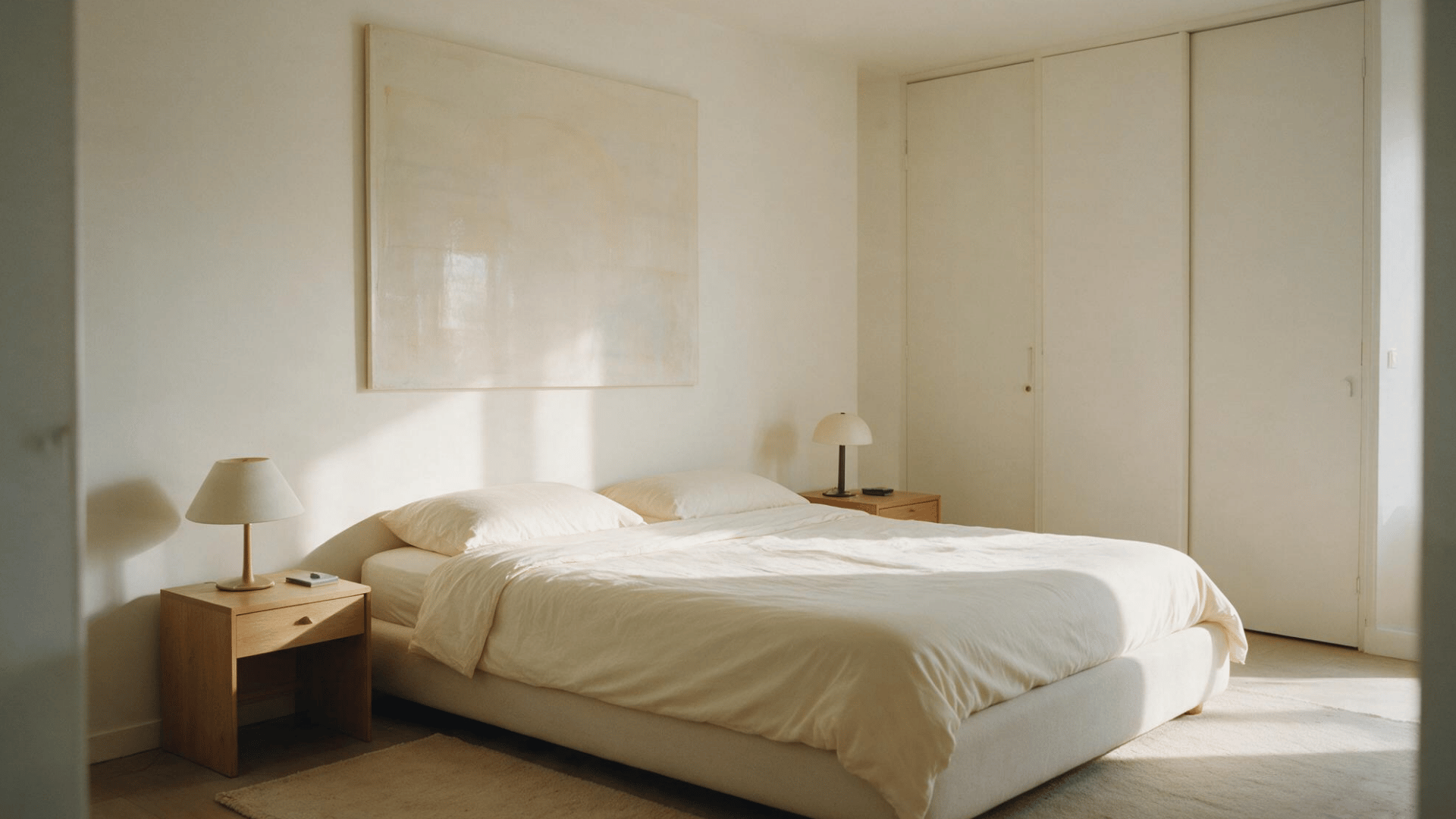
A minimalist bedroom should prioritize comfortable movement, practical storage, and a restful atmosphere rather than decorative layering. Start with the bed, bedside tables, and essential storage.
Choose simple bedding, restrained lighting, and a limited number of decorative pieces. Keep surfaces mostly clear and avoid excessive cushions, accessories, or patterns.
Soft fabrics and natural materials can add comfort without creating visual clutter. The result should feel personal and comfortable while maintaining the simplicity expected from minimalist design.
18. Connect Open-Plan Spaces
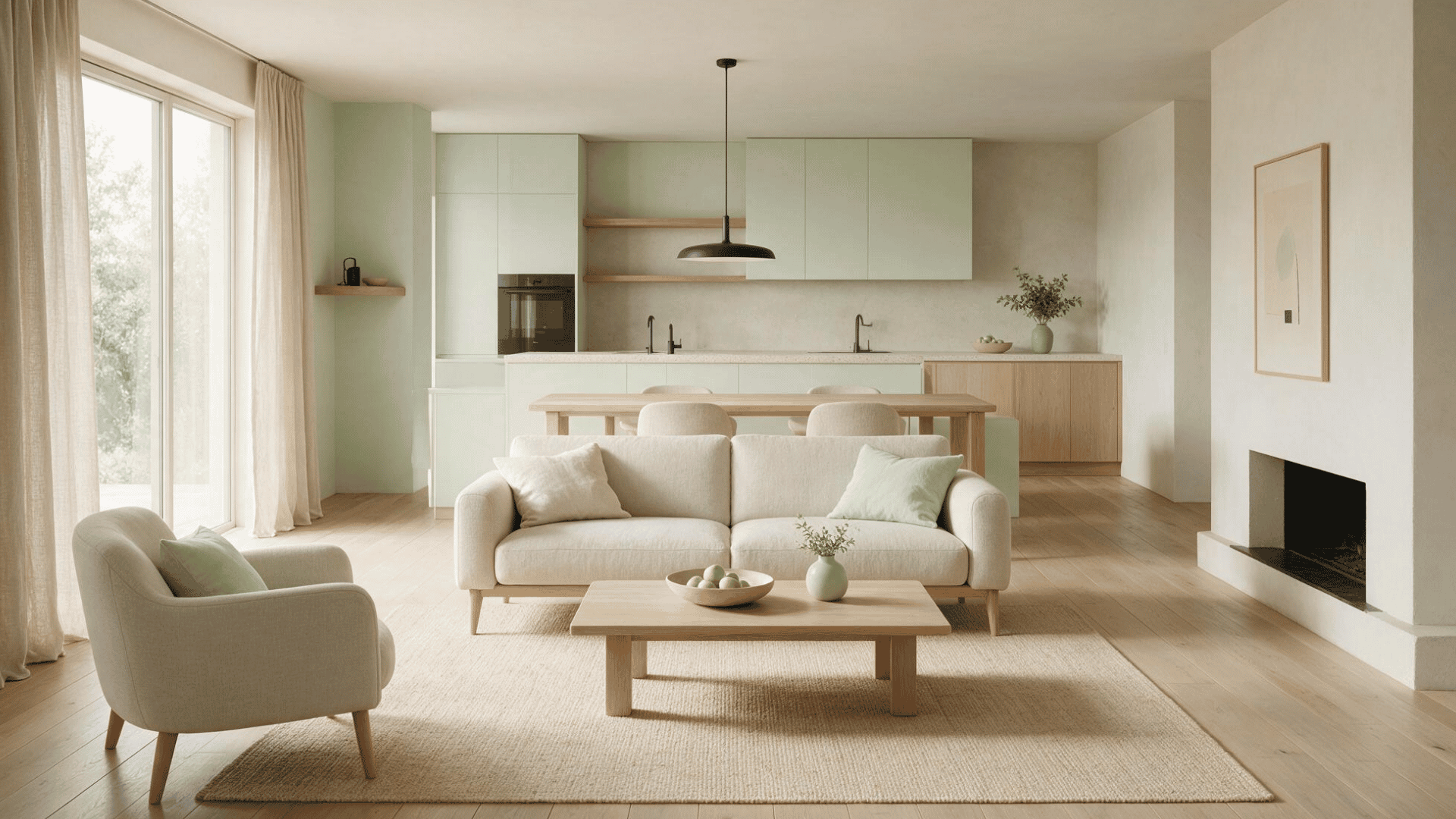
Open-plan rooms feel more cohesive when the same materials and colors appear across living, dining, and kitchen zones. Repeat a wood tone, metal finish, neutral wall color, or fabric family throughout the space.
Use rugs, lighting, and furniture placement to define each area without adding excess partitions.
Avoid decorating every zone as an isolated room. Consistent finishes create optic rhythm while allowing each section to retain its own hard-nosed function.
19. Choose Furniture With Simple Silhouettes
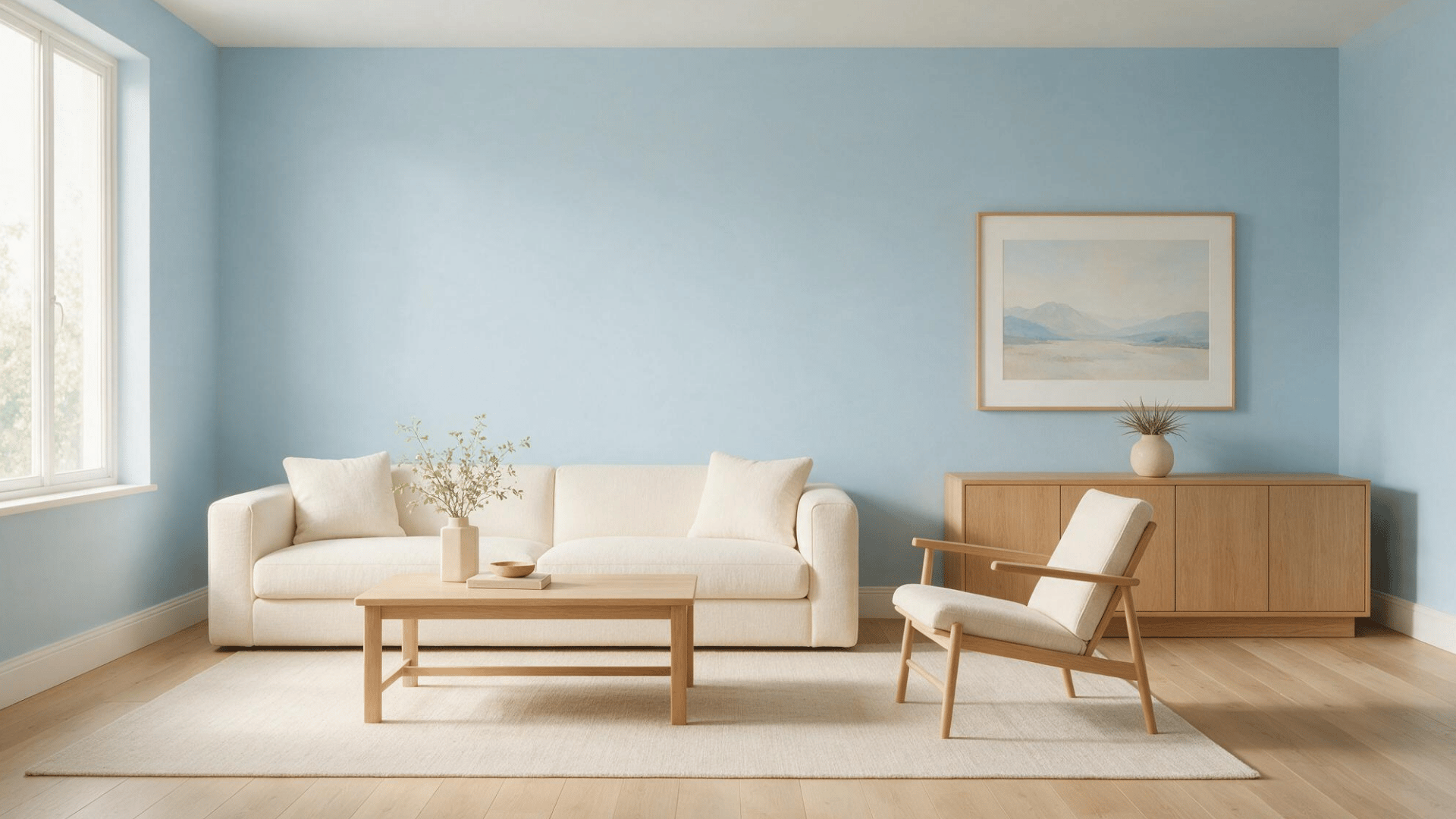
Furniture with clean silhouettes keeps a minimalist interior visually organized. Look for sofas, chairs, tables, and storage units with straightforward edges and limited ornamentation.
Avoid combining too many elaborate shapes in one room. If a sculptural chair or curved sofa is used as a feature, keep the surrounding furniture simpler.
Simple silhouettes also make it easier to combine different materials, allowing wood, metal, fabric, and stone to work together without competing for attention.
20. Leave Purposeful Empty Space
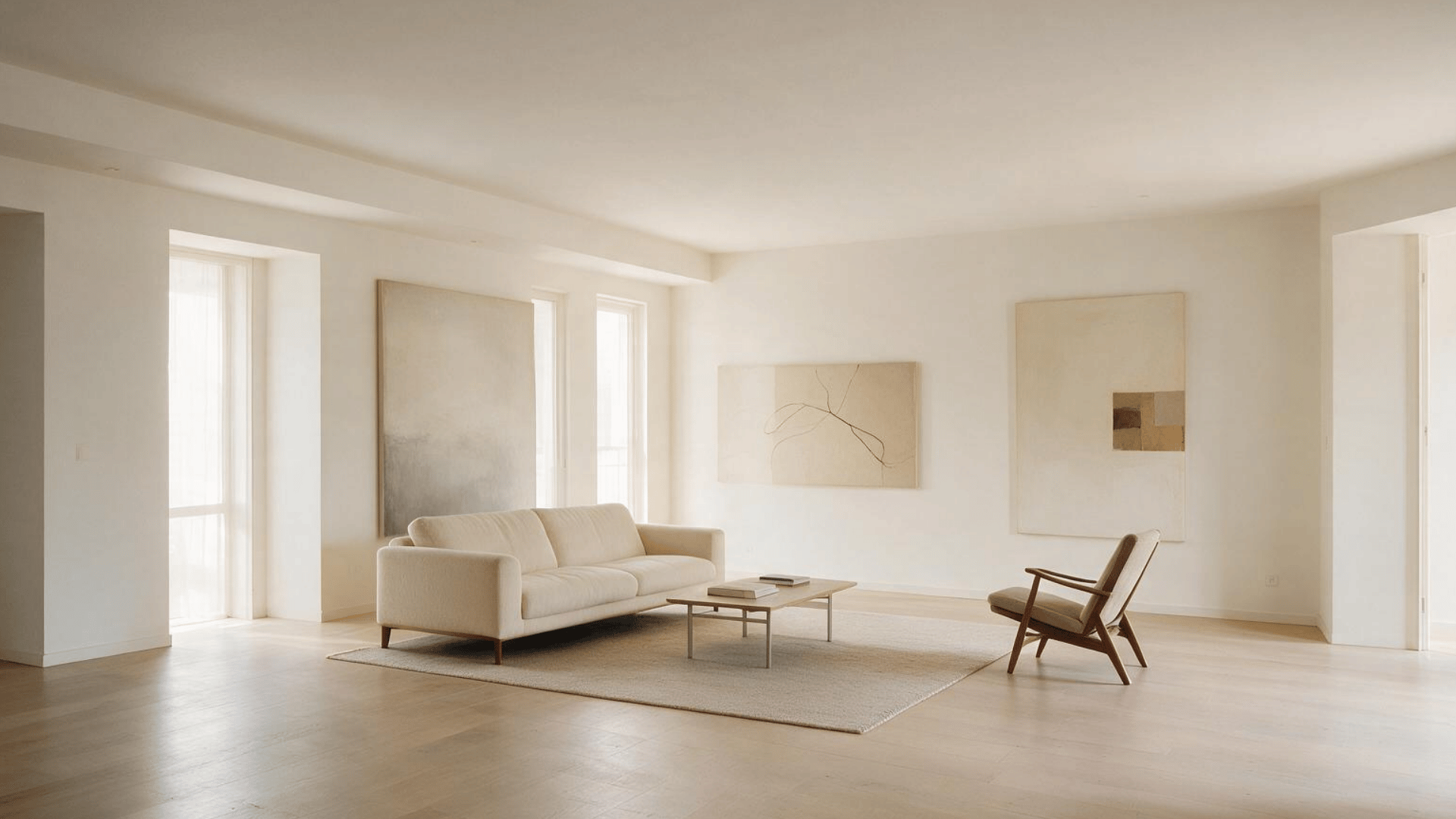
Empty space is a pivotal part of minimalist interior design because it gives furniture and decor room to stand out.
Avoid placing something in every corner, on every wall, or on each tabletop. Instead, leave clear areas around key pieces and maintain walking paths. This does not mean making the room feel unfinished.
Leaving intentional empty space improves visual balance, reduces crowding, and makes furniture, artwork, and materials easier to appreciate.
21. Bring in a Few Green Plants
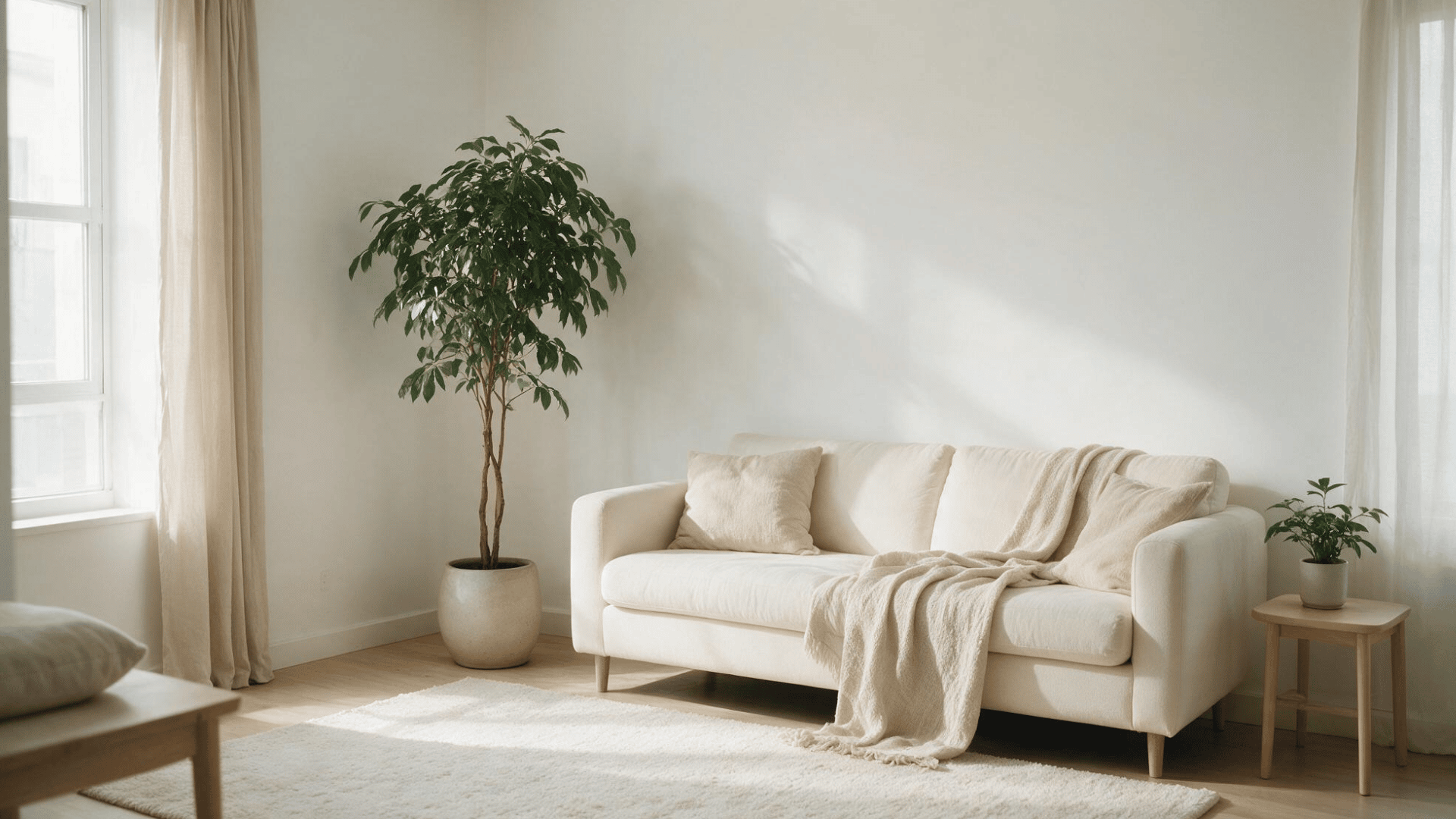
Plants can soften minimalist interiors and add natural color without requiring complex decoration.
Choose one or two plants with simple forms, such as a tall floor plant or compact tabletop variety. Use plain pots in ceramic, stone, or muted finishes that match the room.
Avoid filling every shelf or window with greenery. A few well-placed plants can introduce texture and life while keeping the space clean, calm, and visually controlled.
Best Colors for Minimalist Interior Design
The right colors keep minimalist interiors calm and cohesive while adding enough warmth, contrast, and depth to prevent a flat appearance.
| Color | Best Use | Why It Works |
|---|---|---|
| Warm White | Walls and ceilings | Creates a bright, clean base without feeling too stark or cold. |
| Beige | Walls and upholstery | Adds warmth while pairing easily with wood, stone, and natural fabrics. |
| Greige | Walls and furniture | Blends gray and beige for a soft, balanced, modern neutral. |
| Taupe | Textiles and accents | Adds subtle depth without creating strong or distracting contrast. |
| Muted Green | Decor and accent pieces | Introduces natural color while maintaining a calm and restrained look. |
| Charcoal | Fixtures and small accents | Creates definition and contrast against lighter minimalist color palettes. |
How Can a Minimalist Home Feel Lived In?
A minimalist home should feel calm and organized without looking empty or impersonal. These simple choices help maintain warmth and character.
- Keep Meaningful Decor: Display a few personal photographs, books, ceramics, or artwork instead of removing every decorative item.
- Use Natural Materials: Wood, linen, wool, stone, and woven fabrics add warmth while keeping the overall look simple.
- Add Comfortable Textures: Layer rugs, cushions, curtains, and soft upholstery to prevent neutral rooms from feeling flat or cold.
- Choose Practical Furniture: Keep pieces that support daily routines and comfort rather than selecting furniture only for appearance.
- Leave Some Surfaces Open: Clear space around furniture and decor creates balance without making the room feel completely bare.
Conclusion
Minimalist interior design works best when simplicity supports comfort, function, and personality.
A balanced layout, thoughtful storage, natural materials, soft textures, and restrained colors can make a space feel calm without making it feel empty.
The most effective approach is to make changes with purpose. Choose furniture that suits the room, and leave enough open space.
Use lighting and decor carefully, rather than adding more just the fill gaps. A minimalist home should feel easy to maintain and pleasant to spend time in.
Which idea would you use first in your home? Share your thoughts in the comments.
Frequently Asked Questions
Can Minimalist Design Work in Rental Homes?
Yes. Renters can use removable decor, simple furniture, neutral textiles, and portable storage without making permanent changes to the property.
Can Minimalist Interiors Include Vintage Furniture?
Yes. One or two vintage pieces can add character, as long as their scale, color, and detailing complement the room’s simpler elements.
Is Minimalist Design Suitable for Families?
Yes. Durable furniture, closed storage, washable fabrics, and clear layouts can make minimalist spaces practical for everyday family routines.