
I remember the first time I spotted a tiny dark speck on my sheets and felt that quick jolt of worry.
You might be feeling the same thing right now, wondering what that small bug means and how serious it could be.
It’s easy to panic, especially when people talk about bed bugs and how hard they can be to deal with. The good news is that many dark insects are not bed bugs at all.
Here, I want to help you sort out the signs, compare the clues, and understand what matters most when you find something that looks like black bed bugs. So let’s take a closer look and sort out the signs together.
Can Bed Bugs Be Black?
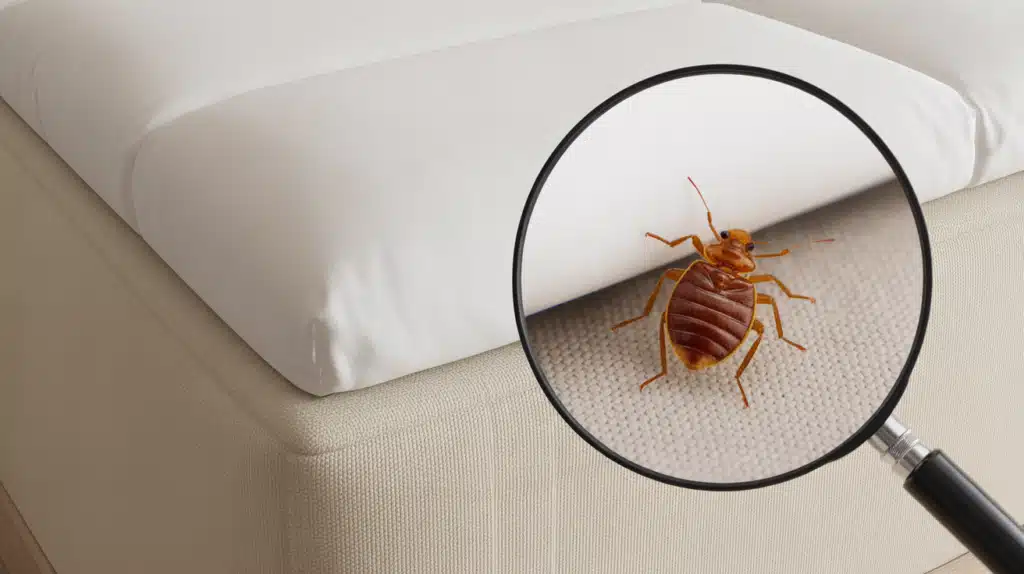
If you are seeing small black bugs in your bed, you might assume they are bed bugs. But bed bugs are never truly black. Their bodies range from pale yellow when young to light brown or deep brown as adults.
They may look darker after feeding because their bodies stretch and the blood inside becomes more visible. This darker look sometimes makes people think they are seeing black bugs, especially in low light.
Many small insects in beds are actually other pests that happen to be dark or fully black. Carpet beetles, spider beetles, and booklice are common examples. These bugs move differently and have different shapes, which helps separate them from bed bugs.
If the insect in your bed is fully black, round, or moves quickly, it is almost always something other than a bed bug.
Fast Check “Is This a Bed Bug?”
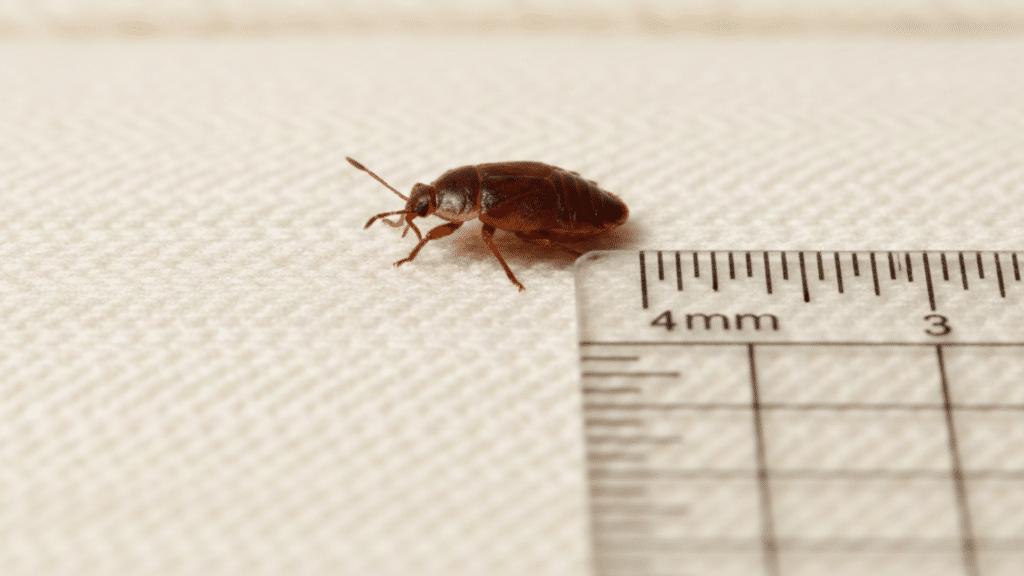
Bed bugs have a flat, oval body that becomes thicker after feeding. Their color shifts from pale when young to deep brown as adults. They move slowly and stay close to seams, cracks, and bedding edges.
They do not fly or jump, and their size stays close to that of an apple seed. If the bug you found is round, fully black, fast, or shaped like a beetle, it is likely not a bed bug.
Body Shape: A bed bug has a flat, oval body that widens near the abdomen. After feeding, its body becomes fuller and longer, making the shape more obvious. Bugs with a round shape or a hard shell usually point to another insect.
Color Pattern: Bed bugs do not show bold patterns or deep black coloring. They stay within pale yellow to deep brown. If the insect appears fully black, shiny, or has spots or patches, it is likely a different pest.
Movement Speed: Bed bugs move slowly and often try to hide instead of running in the open. If the bug you found moves fast, jumps, or darts away when touched, it is not behaving like a bed bug.
Size Range: Most adult bed bugs stay close to the size of an apple seed. Young ones are smaller but still have the same general shape. If the insect is tiny, like a dot, or much larger than a seed, it may be a different bug.
Wing Presence: Bed bugs never have wings and cannot fly. If the insect shows any sign of wing covers or small wing growths, it is not a bed bug.
Where You Found It: Bed bugs hide in mattress seams, bed frames, and tight gaps. Bugs found on walls, windows, carpets, or far from sleeping areas often point to a different species.
Color and Size Comparison Charts
These charts help you sort real bed bugs from dark insects that show up in beds and cause confusion during quick checks.
Bed Bug Color Chart by Life Stage
| Stage | Color Range | Notes |
|---|---|---|
| Nymph | Pale yellow to light brown | Very small and easy to miss |
| Older Nymph | Light brown to medium brown | Color deepens as they feed |
| Adult | Medium brown to deep brown | Flat body unless fed |
| Recently Fed | Deep brown with red tones | It can look darker due to the stretched body |
This chart helps you compare the insect you found with known bed bug colors at every stage of their growth cycle.
Nymph Colors: Nymphs stay light because their bodies lack heavy pigment. After each meal, they darken slightly, making older nymphs easier to notice.
Adult Colors: Adults show a steady brown tone. They never reach full black and never show patterns or shiny shells like beetles.
When They Appear Darker: Bed bugs can look darker after feeding because their thin skin stretches around the blood inside, creating a deeper tone in dim light.
Bug Size Comparison Chart
| Bug Type | Size Range | Notes |
|---|---|---|
| Bed Bug | 1.5–5 mm (seed-sized) | Flat, oval, slow |
| Carpet Beetle Larva | 2–5 mm, narrow or fuzzy | Moves faster and may have tiny hairs |
| Spider Beetle | 1–3 mm, round body | Dark, shiny, and shaped like a small bead |
| Booklice | 1 mm or smaller | Very small and pale or slightly darker |
| Fleas and Ants | 1–3 mm depending on species | Jump (fleas) or move quickly (ants) |
Compare size and shape closely, since many small dark insects fall outside the normal range seen in real bed bugs.
Skin Reactions and What They Mean
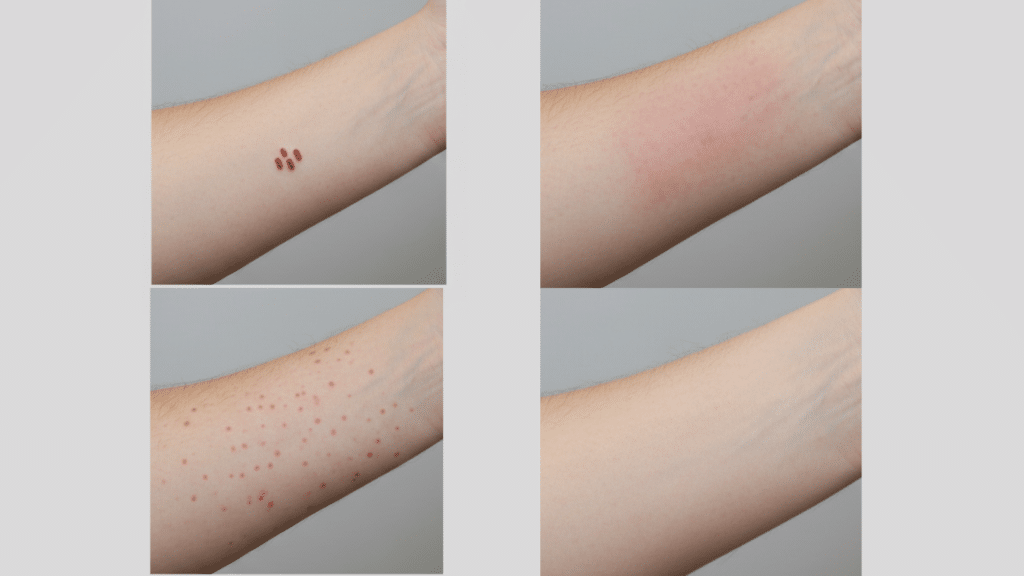
Skin changes can help separate bed bug bites from reactions caused by other insects. Bed bug bites often show up in small groups on arms, legs, or the back. They may feel warm or itchy and can appear a day after contact.
Carpet beetle irritation looks different because it comes from tiny hairs on the larvae, not from a bite. These hairs can cause small red spots that spread in a random pattern.
The reaction can show up even if the larvae never touched your skin directly. Allergic responses vary from person to person, so some may see stronger redness while others see very little.
If the marks do not match common bed bug patterns, another pest may be involved.
What to Do in the First 24 Hours
Start by catching or taking a clear photo of the insect so you can compare it with known signs of real bed bugs.
Check your mattress seams, headboard, and nearby cracks for dark spots, shed skins, or slow-moving insects.
Wash and dry all bedding on high heat, since heat helps remove hidden pests. Vacuum the mattress, frame, and floor, then empty the vacuum outside right away.
Move furniture slightly to check the edges without turning your room upside down. Avoid using sprays during the first day, since the wrong product can spread certain insects instead of removing them.
If you find steady signs in more than one area, plan a careful check the next day or contact a trained provider for help.
Bugs Commonly Mistaken for Black Bed Bugs
Many small dark insects in beds can cause confusion, especially when their shape or color overlaps with early bed bug signs.
- Carpet beetles: Often dark with a round or oval body. Larvae can appear in bedding and cause skin irritation.
- Spider beetles: Small, round, and shiny. Move quickly and look nothing like a flat bed bug.
- Booklice: Very tiny and pale to slightly darker. Often found near humid areas rather than bedding.
- Cockroach nymphs: Dark, fast, and oval. Their speed and shape help rule out bed bugs quickly.
- Fleas or ants: Move faster than bed bugs. Fleas jump while ants travel in clear lines.
How to Confirm a Real Bed Bug Infestation
Confirming a real bed bug problem starts with checking the areas where these insects hide most. Look closely at mattress seams, bed frames, and nearby cracks.
Bed bugs leave small dark spots on sheets, which come from dried waste. These spots often stay grouped rather than scattered. You may also see small blood marks from crushed bugs.
Another sign is light skins that fall off as it grows. These skins collect in tight spaces and corners. Live bugs move slowly and stay close to places where people rest.
If you see steady signs in more than one area, the odds of a true infestation rise. A single dark insect without other clues usually points to a different pest.
Prevention Tips Based on the Bug Type
Stopping future problems starts with small steps that match the habits, food sources, and hiding spots linked to each insect group.
- Carpet beetles: Wash bedding often, clear dust, and store clothing in sealed bags or bins.
- Bed bugs: Check seams after travel, use mattress covers, and keep beds away from wall contact.
- Booklice and similar pests: Lower moisture levels, fix leaks, and clear clutter near windows or vents.
Conclusion
I hope this helped you get a clear sense of what those dark insects might be and how to sort real bed bug signs from the many look-alikes that show up in beds.
The main idea is simple: focus on shape, color, and behavior before jumping to a firm answer. This makes it easier to understand what you’re dealing with and what steps fit your situation.
If you’re still unsure, keep checking the spots that matter and compare them with the key traits linked to black bed bugs.
What part of this guide helped you the most? Take a moment to look through my other posts for more simple tips and helpful next steps.