
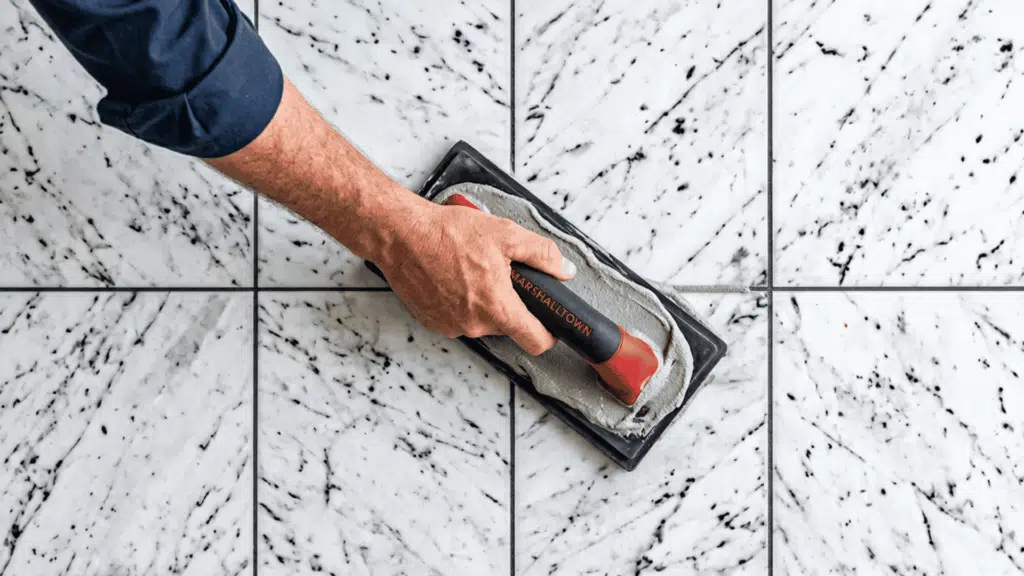
Grout can look and feel dry not long after you finish a tile job, but that doesn’t mean it’s ready for daily use.
If you just laid new tile, you’re probably thinking about how long it takes for grout to dry before you can shower, walk across the floor, or clean up the mess left behind.
Drying time depends it room temperature, humidity, the type of grout you used and even where the tile sits in your home.
Skipping this step can lead to problems you didn’t expect. Here’s what actually affects the timeline, and what to watch for before you use the space again.
Difference Between Grout Drying and Curing
Drying and curing sound like the same step, but they aren’t. Drying just means the surface moisture is gone. You can touch the grout, and it won’t stick to your finger, but that only tells you about the top layer.
Curing is a deeper process. It’s a chemical change that makes the grout hard and strong all the way through the joint, not just on the surface.
A joint can look dry within hours, yet still be curing underneath for a full day or longer. This is why judging grout by touch alone can be misleading.
If you shower or clean before curing finishes, water can reach parts of the joint that haven’t fully hardened yet, which may weaken the grout or change its color over time.
How Long it Takes for Grout to Dry
Drying times vary by grout type, room conditions, tile location and the product used. Bathrooms and cooler rooms often need extra time.
1. Cement-Based Grout
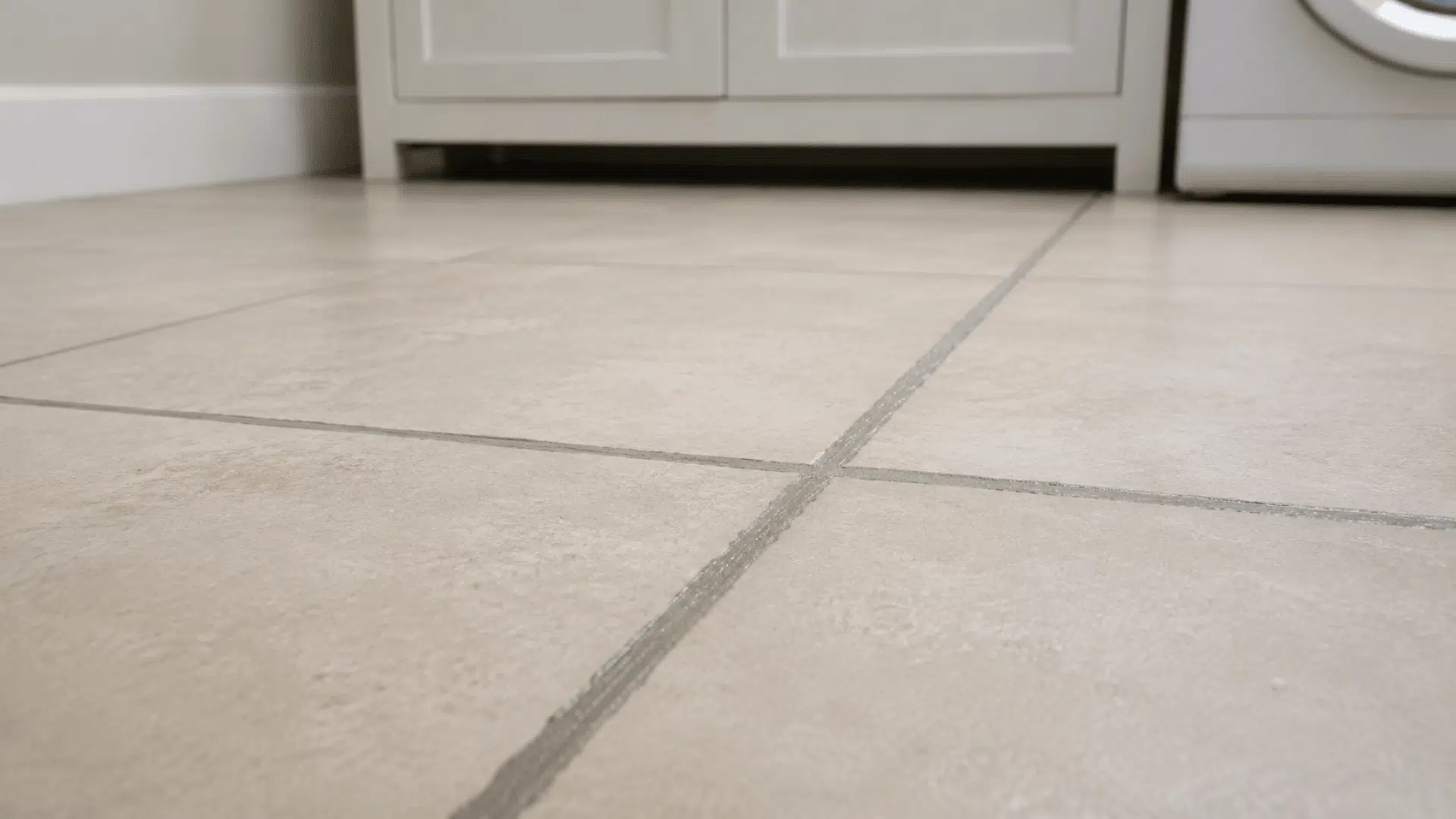
Cement-based grout often needs around 24 hours or more before the tiled area can handle regular use. Some products need a longer wait before water exposure or sealing.
The joints may feel hard much sooner, so touch alone does not tell much about their cure stage. Cold rooms and damp air may also add time.
Check the bag for the listed traffic and water times. These instructions give a better answer than using one fixed number for every cement grout installation.
2. Epoxy Grout
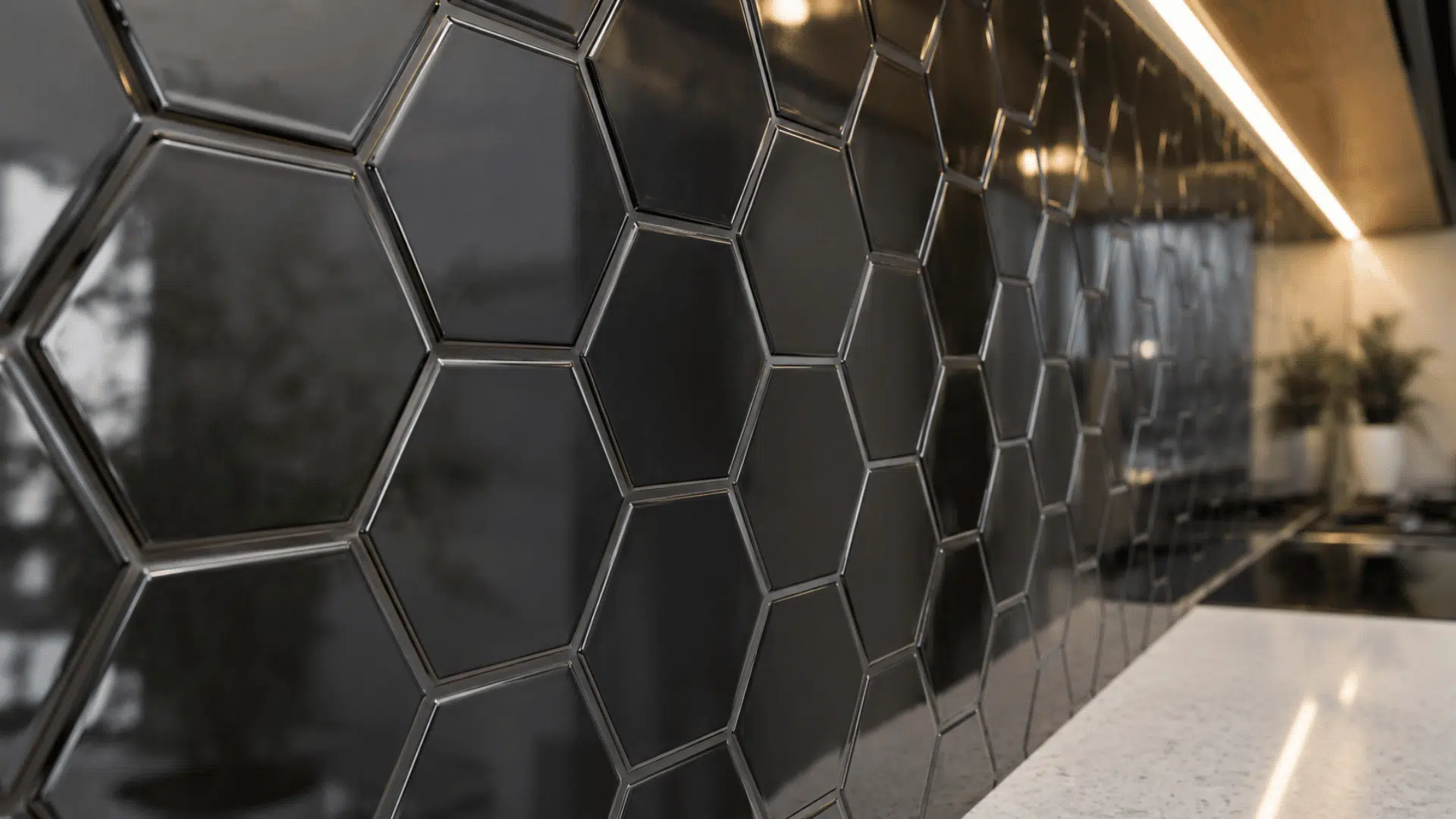
Epoxy grout hardens through a chemical reaction between its components. Some formulas allow light foot traffic sooner than many cement-based products.
Certain epoxy grouts may allow careful walking after about 12 hours under normal indoor conditions. Cooler temperatures can increase this waiting time.
The exact schedule differs by product. Check the package before walking, washing, placing heavy items, or returning the room to regular use.
3. Premixed and Single-Component Grout
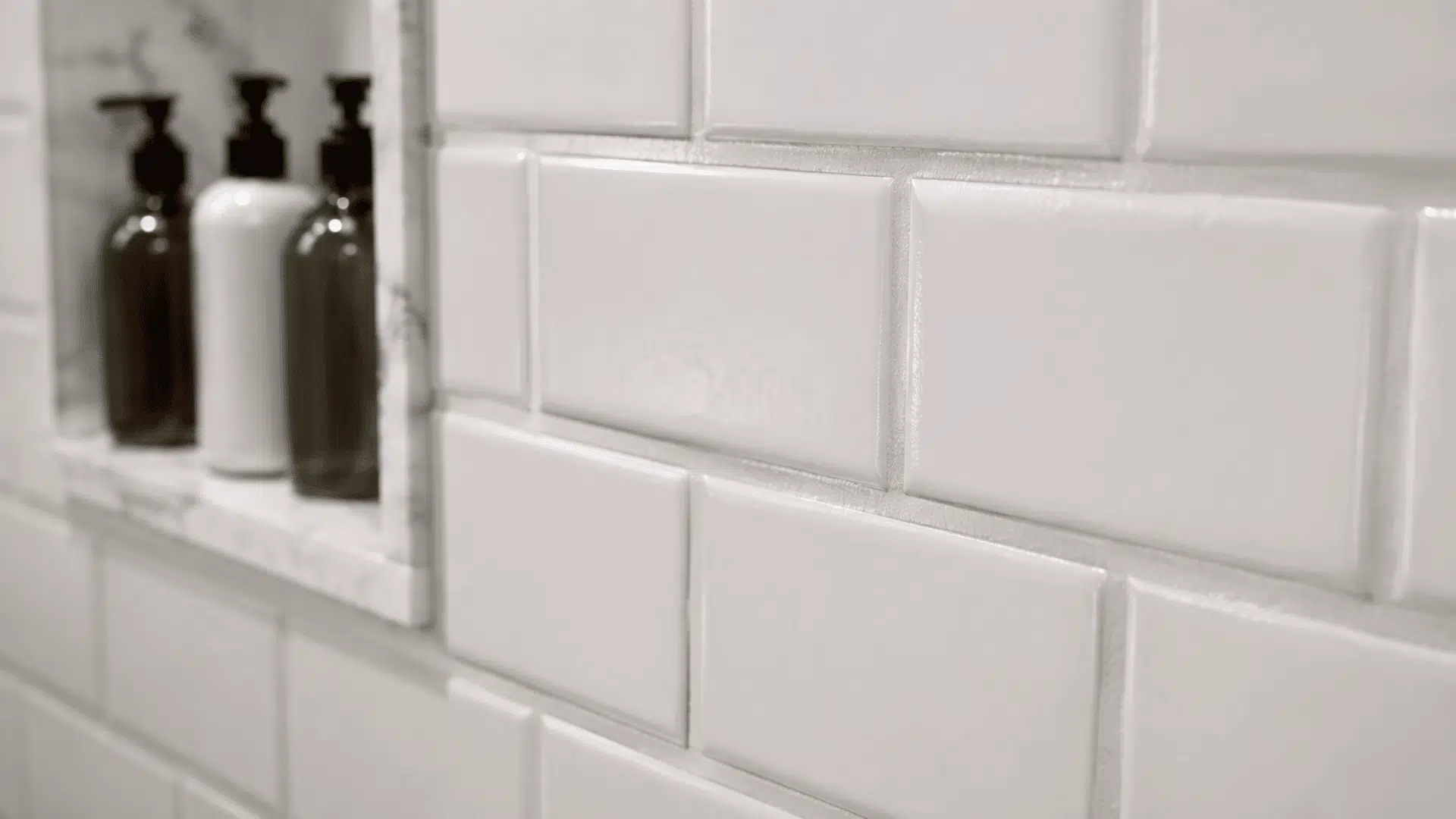
Premixed grout comes ready for application, so you don’t need to mix powder with water. Its wait time can still be longer than expected in showers and other wet spaces.
Some single-component grouts are made for both residential and commercial tile areas, including shower floors.
Do not judge premixed grout by surface feel alone. Moisture deeper inside the joint may take longer to leave than moisture near the surface.
4. Rapid-Setting Grout
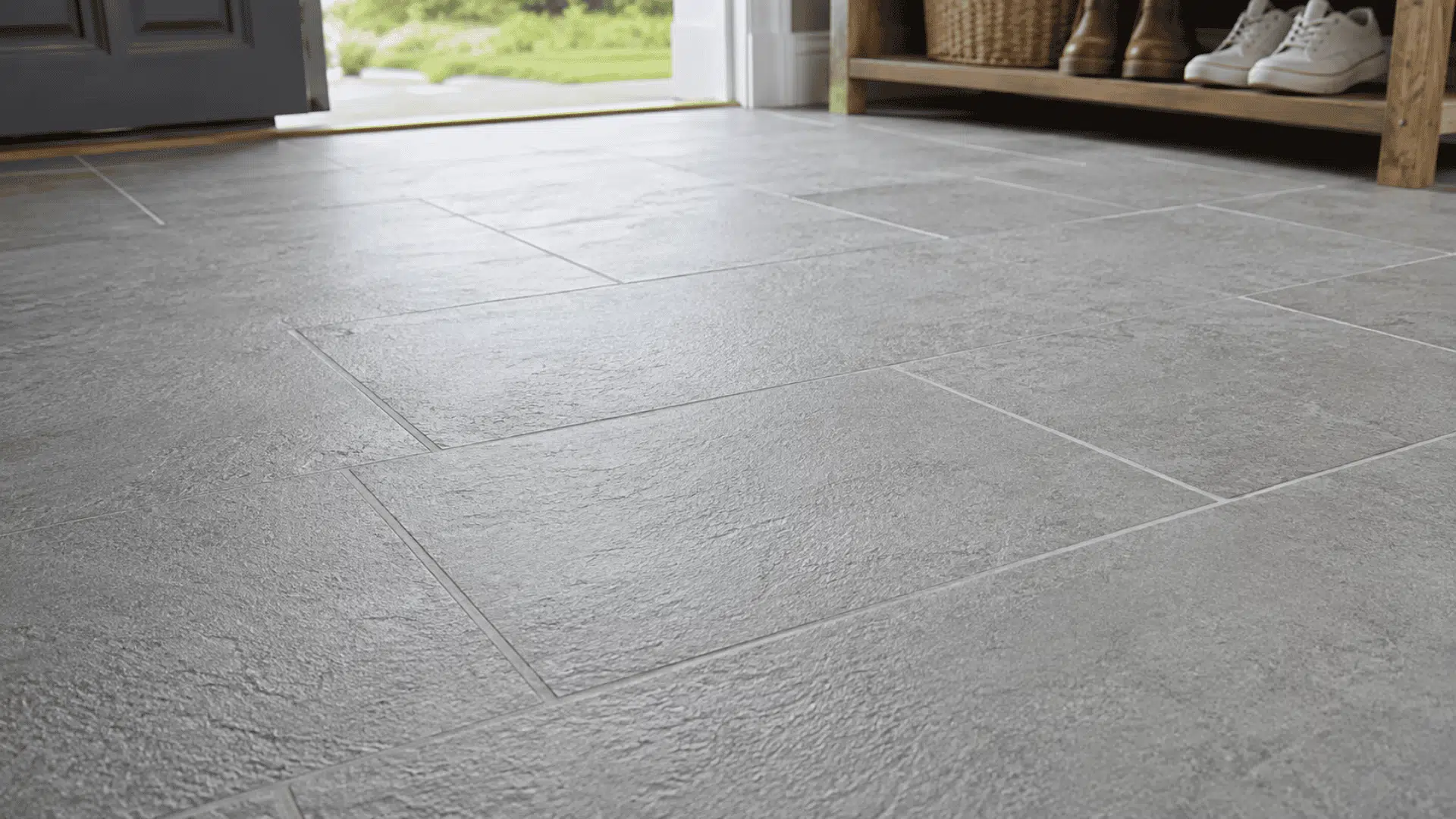
Rapid-setting grout can shorten the wait before you can use a tiled space again. Some fast-setting formulas allow shower use after about 24 to 48 hours.
A rapid-setting label does not mean the tile is ready right after application.
Shower water, foot traffic, sealing, and normal use can each have different wait times. Follow the instructions printed on the grout package.
Factors Affecting Grout Drying Time
Several things in your home and the product itself decide how fast grout goes from wet to fully cured, and some matter more than others.
1. Grout Type: Cement, epoxy, premixed, and rapid-setting grouts each rely on a different hardening process, so drying times can vary a lot between them.
2. Humidity: Damp, humid air makes it harder for moisture to leave the grout, which can stretch out both the drying and curing timeline noticeably.
3. Temperature: Cooler rooms slow down the curing process, so grout installed in winter may need extra time before it is ready for use.
4. Ventilation: Normal airflow through a room helps trapped moisture escape faster, while a closed, stuffy space can leave grout damp for longer.
5. Tile Type: Dense, non-porous tile holds moisture against the grout longer than porous tile, which can slow the overall drying time down.
6. Grout Joint Size: Wider or deeper grout joints hold more moisture inside, so they naturally take longer to dry and fully cure than thin ones.
How Long After Grouting Can You Shower?
Shower timing needs extra care because fresh grout will be repeatedly exposed to water.
Some grout products allow shower use after about 24 to 48 hours, while other formulas need several days.
Keep the shower dry for the full period stated on the grout package. Avoid rinsing the area early just because the joints feel firm.
Surface hardness does not show how far the grout has cured inside the joint. If a sealer is needed, its drying time can add another waiting period before the first shower.
It’s a good idea to add the bathroom back into your cleaning routine only once the grout has fully cured.
Grout Drying, Setting, Curing, and Use Stages
Fresh grout passes through several stages before the tiled area is ready for normal use.
Stage | What It Means | What to Do |
|---|---|---|
Initial set | Grout starts becoming firm | Keep it untouched |
Surface dry | The top looks and feels dry | Do not use the area yet |
Curing | Grout continues hardening | Follow the stated cure time |
Light traffic | Careful walking may be allowed | Check product directions |
Water ready | Grout can handle water exposure | Use showers only after the listed wait |
Full use | Grout reaches normal service time | Resume regular use |
How Long After Grouting Can You Walk on Tile?
Foot traffic depends on the grout formula and room temperature. Some products allow careful walking the same day, while others need 24 hours or longer.
Certain fast-setting and epoxy grouts may allow light foot traffic after about 12 hours under suitable conditions.
Heavy floor use should wait longer. Moving furniture or appliances puts more pressure on fresh joints than careful walking.
The mortar below recently installed tile can also have its own waiting period. Check both materials before returning the floor to regular use.
What Happens if Fresh Grout Gets Wet Too Soon?
Water exposure before the stated service time can interfere with fresh grout.
The result depends on the product, how much water reaches it, and how far curing has progressed.
A shower running over young grout is more concerning than a few accidental drops. Problems can include soft spots, weak surface material, patchy color or damaged joints.
If fresh grout receives a small splash, wipe away standing water without scrubbing the joints. Keep the area dry for the rest of its stated cure period.
If grout stays soft, crumbles, or comes out of the joint, it may need inspection before you use the shower or floor.
How to Speed Up Grout Drying
You can’t rush chemistry, but a few simple habits can help grout reach its full cure without adding unnecessary delays. None of these tricks shorten the minimum time listed on the product, but they do prevent conditions that slow curing down even further.
1. Control the Room Temperature
Keep the space at a moderate, steady temperature, since cold rooms can slow curing down far more than most people expect.
2. Improve Airflow
Open a window or run a fan nearby to move air through the room without blowing it directly onto the fresh joints. Steady, gentle airflow helps moisture leave the room instead of settling back onto the grout.
3. Reduce Humidity
Run a dehumidifier or air conditioner if the room feels damp, since dry air pulls moisture out of grout much faster.
4. Avoid Excess Mixing Water
For cement-based grout, follow the mixing instructions closely, since extra water only adds moisture that takes longer to leave.
5. Wait for Full Cure Before Sealing
Applying sealer too soon traps moisture inside the joint, so let the grout finish curing first. Sealing over damp grout can also weaken the sealer’s bond, making it less effective down the road.
Final Thoughts
So, how long does grout take to dry before the tile can be used? The answer depends on the grout product and the planned use.
Walking may be allowed sooner than showering, sealing or moving heavy items across a floor. Read the package before setting a return-to-use time.
Give the grout longer when room conditions fall outside the stated range, and keep wet areas dry until their water-exposure period ends.
Got a grout project at home? Comment below with the product name and where the tile is installed.
Frequently Asked Questions
Can Grout Dry Overnight?
Some grout products permit light traffic by the next morning, especially fast-setting and certain epoxy formulas. Shower water or heavy floor use may still require a longer wait.
Can a Fan Run After Grouting?
Normal room ventilation may help control humid air. Avoid strong air or heat aimed straight at fresh joints unless the grout instructions call for that setup.
How Long Should Pets Stay Off Newly Grouted Floors?
Keep pets away until the grout allows foot traffic. Waiting longer can also prevent claws, dirty paws, and sudden movement from marking fresh grout.