If sleep quality interests you, you may already know that the ideal sleep temperature ranges from 60ºF to 67ºF for optimal rest. Keeping bedrooms at this temperature has always been a challenge, especially in zones where temperatures vary dramatically across the seasons.
However, factors such as an increased demand for sustainable interiors and the popularity of glazing and open-plan layouts are requiring architects to rethink how spaces are heated. The new demand for wellness-centered interiors is also changing the way heating systems are selected and installed.
The Rise of Larger Glazing
There is a link between natural light and well-being, with recent studies showing that natural elements such as plants and sunlight have a significant positive impact on human mental health, productivity, and creativity. The idea of home as a refuge has held sway particularly strongly since the early 2020s, with many rethinking the importance and value their homes have to their mental health.
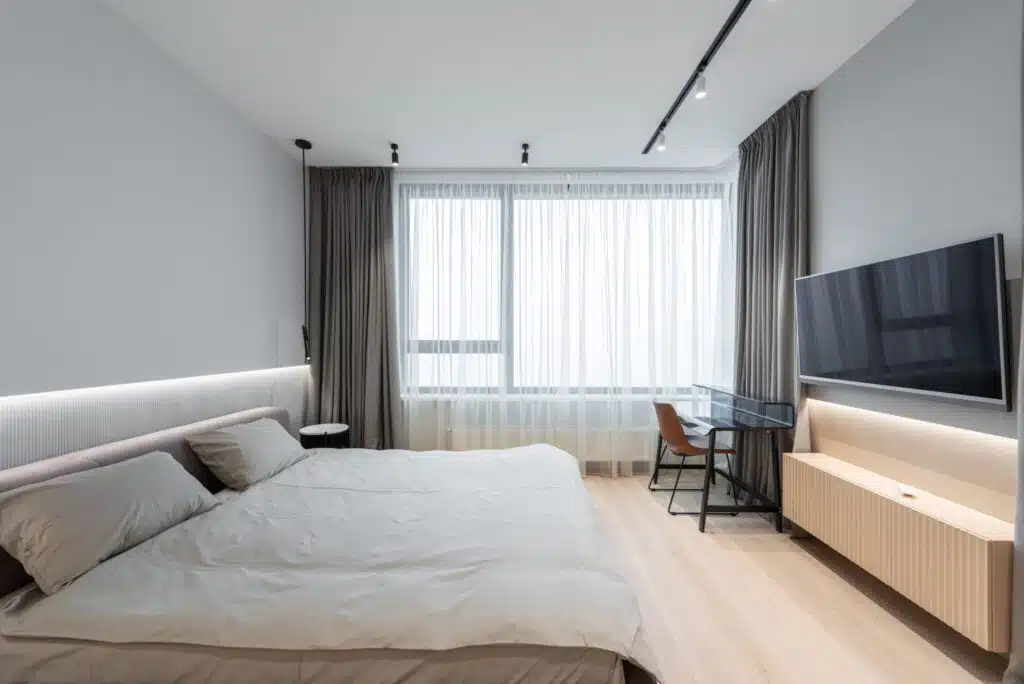
Larger glazing is present in many newly designed homes, in the form of floor-to-ceiling windows, corner glazing, sliding glass doors, and bedrooms with garden views.
Improve Insulation for More Efficient Heating Systems
Windows and glass doors are by no means the only parts of a home with better wall insulation today than in the past. Walls and roofs are also being prioritized, as is air-tight construction.
Architects are embracing a “fabric-first” approach, improving a building’s structure before designing its heating system and sealing areas around windows, doors, pipe penetrations, electrical cables, loft hatches, and floor and wall junctions. Airtight homes not only maintain more consistent temperatures but also reduce draughts, lower heating demand, and improve energy efficiency.
Glass Requires a Different Heating Strategy
Glass sliding doors and windows require optimal design and cutting-edge glazing technology to stop heat from escaping during winter and to reduce unwanted heat entering during summer.
To overcome this obstacle, architects rely on high-performance double or triple glazing with insulated coatings and carefully consider the placement of bedroom windows. In colder climates, south-facing windows can capture more winter sunlight, while homes in other climates may benefit from different window orientations.
In general, east-facing bedrooms receive more sunlight, which can help keep rooms warm earlier in the day. West-facing bedrooms can become too warm on summer evenings, north-facing rooms require more heating during winter, and south-facing bedrooms receive more direct sunlight, especially during the winter.
Open-Plan Homes and Bedroom Temperatures
Because warm air rises, the way open-plan ground floors are heated can impact the temperature of upstairs bedrooms in two-story homes. Architects are therefore prioritizing zoning, keeping different areas (including living rooms, bedrooms, and bathrooms) at different temperatures.
Zoning is achieved by installing separate thermostats for different rooms and using smart heating controls and motorized valves. Smart controls allow different rooms to follow their own heating schedules, while motorized valves control which pipe circuits receive hot water.
Heating zones can help reduce energy bills by avoiding unnecessary heating, though boilers themselves still require regular maintenance. The cost of a boiler service is often modest compared with the expense of repairing a neglected boiler or dealing with reduced heating performance, leading many homes to opt for newer, finer models that can easily be concealed within customized storage solutions.
Hidden Heating Supports Modern Bedroom Design
Contemporary bedroom design is marked by a penchant for clean, uncluttered spaces. Minimalist design continues to hold sway, owing in no small part to studies showing the link between clutter and negative mood. Instead of jutting out awkwardly from walls or wresting one’s attention away from the room’s most graceful design features, heating is now concealed through techniques such as underfloor heating and heating integrated into walls.
These heating systems enable homes to save energy and reduce their energy bills, since less heat is lost than in traditional systems. Moreover, since visible radiators no longer dictate furniture placement, homeowners have greater freedom when arranging their spaces. This aspect is particularly useful in smaller bedrooms, where space is of the essence.
Heating in contemporary bedrooms is a vital part of architectural design, enabling homeowners to enjoy ideal temperatures year-round while meeting their sustainability goals and keeping costs down. Architects are relying on strategies such as smart window placement, improved insulation, concealed heating systems, and zoned heating. They also consider a home’s orientation to maximize natural warmth during winter while helping interiors remain cooler and more comfortable during summer.