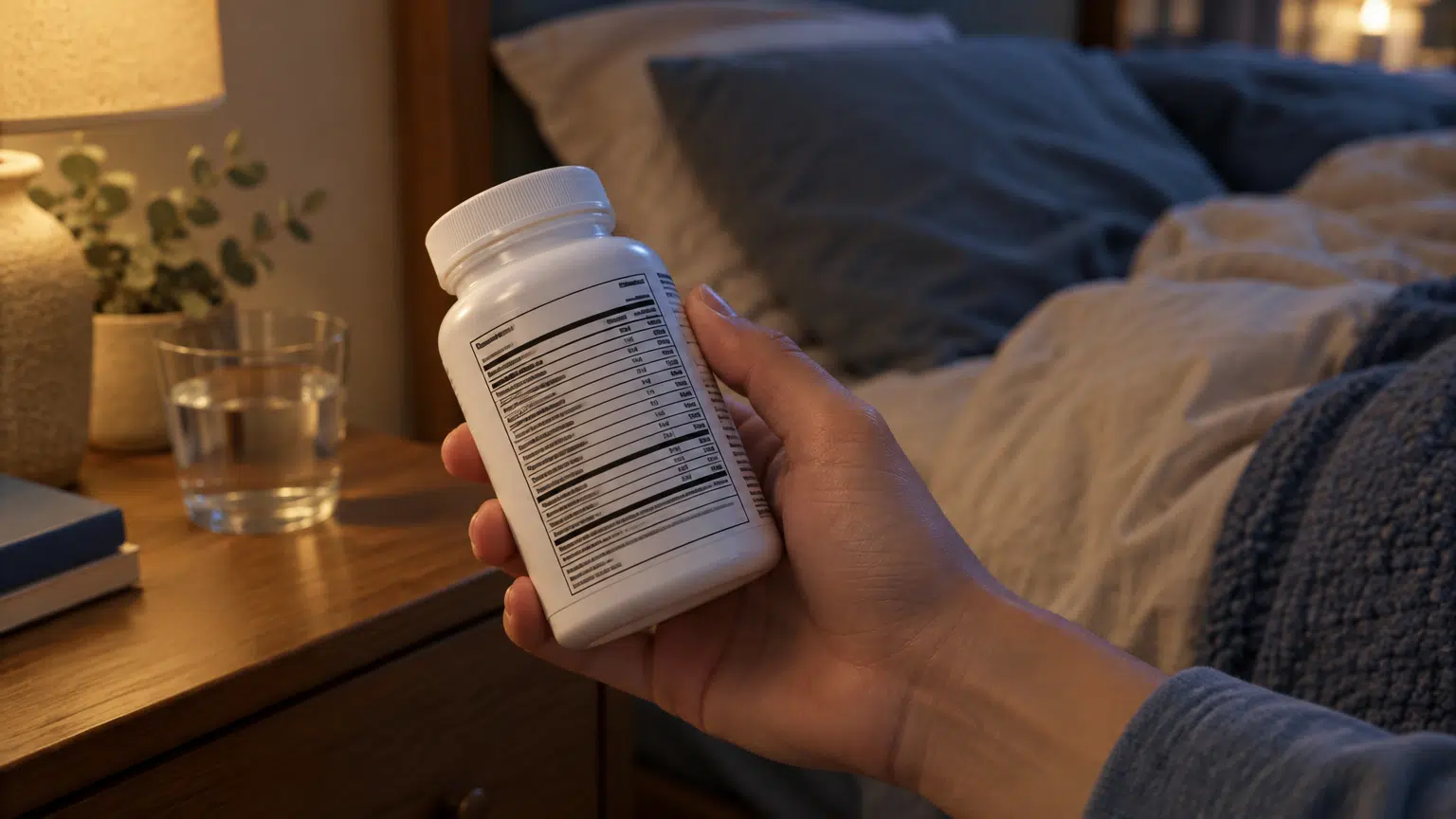

Ashwagandha is often linked to calmness, stress relief, and better sleep, but its effects aren’t the same for everyone. Some people feel relaxed after taking it, while others may notice drowsiness.
So, does ashwagandha make you sleepy, or does it simply help create the conditions for better rest? Research offers useful clues about its effects on sleep, why some people feel sleepy, and how it differs from a fast-acting sleep aid.
You’ll also learn about timing, dosage, drowsiness, and safety concerns before adding it to your routine.
What Is Ashwagandha?
Ashwagandha (Withania Somnifera) is an evergreen shrub used in Ayurvedic medicine and sold today as a dietary supplement.
Its species name, somnifera, is Latin for “sleep-inducing,” reflecting its long history as a calming herb. The plant grows in parts of India, Africa, and the Middle East. Its roots and leaves have been used in traditional remedies for centuries.
Today, ashwagandha comes in several forms, including capsules, powders, gummies, and liquid extracts.
Different products use different parts of the plant and different extraction methods, so strength can vary widely between brands. A supplement labeled “ashwagandha” from one brand may not match another in concentration.
This matters when comparing products or reading research tied to a specific extract.
Does Ashwagandha Make You Sleepy?
Yes, ashwagandha can make some people feel sleepy or drowsy, although it doesn’t happen to everyone.
The National Center for Complementary and Integrative Health (NCCIH) lists drowsiness as a possible side effect and also notes that ashwagandha has been studied for insomnia and stress.
However, feeling drowsy after taking ashwagandha is different from seeing meaningful improvements in sleep quality. A person may feel sleepy soon after taking it without the supplement necessarily improving how long or how well they sleep.
This distinction also matters when considering its potential sleep benefits. Clinical studies typically examine regular use over several weeks, suggesting any benefits may develop gradually rather than causing immediate, strong sleepiness after one dose.
How Ashwagandha May Support Better Sleep

Ashwagandha has a long history in Ayurvedic medicine, and modern research is beginning to examine its potential effects on stress and sleep.
Stress and Relaxation
Mental stress can make it harder to fall asleep when your mind stays active, and your body remains alert near bedtime. Ashwagandha may help support relaxation in some people by easing stress, which can make it easier to settle down for sleep.
This means its potential role in sleep may be more about reducing stress that interferes with sleep than directly making you sleepy.
Sleep Quality
Research suggests that some ashwagandha extracts may improve sleep quality in certain adults. The effects appear more noticeable in people who already have trouble sleeping.
An eight-week trial split 80 adults into 40 healthy participants and 40 with insomnia, then tested an ashwagandha root extract. The benefits were more noticeable among those experiencing insomnia.
Researchers measured how long participants took to fall asleep, total sleep time, nighttime awakenings, and sleep efficiency. These measures show sleep quality more precisely than simply asking whether someone felt rested.
Note: These results apply to the specific extract used in the study. Ashwagandha supplements can differ in extract and concentration, so you can’t assume the same effects from every product.
Ashwagandha Side Effects and Safety Concerns
Ashwagandha can cause side effects and may not suit everyone, especially if you have certain health conditions or take medications.
- Digestive Issues: Stomach upset, diarrhea, or vomiting may occur.
- Liver Concerns: Rare cases of liver injury have been reported.
- Pregnancy and Breastfeeding: Use should be avoided during pregnancy and breastfeeding because of safety concerns and limited evidence.
- Thyroid Disorders: Ashwagandha is not recommended for people with thyroid disorders because it may affect thyroid function.
- Autoimmune Disorders: Ashwagandha is not recommended for people with autoimmune disorders due to its effects on immune activity.
- Upcoming Surgery: People approaching surgery should avoid ashwagandha unless their healthcare team specifically advises them to use it.
- Prostate Cancer: Ashwagandha may raise testosterone, so people with hormone-sensitive prostate cancer should avoid it.
Ashwagandha Dosage, Timing, and How Long It Takes to Work
No established bedtime works best for everyone taking ashwagandha for sleep. Some trials dosed it in the evening, others split doses between morning and evening, with neither approach proven better.
If ashwagandha makes you feel more alert instead of calm, especially at night, try taking it earlier in the day. Taking it with food may also ease stomach upset, regardless of timing. Consistency matters more than the exact hour you choose.
Follow product instructions rather than copying a clinical trial dose, and watch for daytime drowsiness; avoid driving or operating machinery if you feel unusually sleepy.
Note: If daytime drowsiness persists or interferes with your normal activities, talk with a healthcare professional about adjusting your dose or timing.
Ashwagandha vs Melatonin for Sleep
Ashwagandha and melatonin support sleep differently. Learn more about the science behind sleep compounds and their roles in sleep.
Factor | Ashwagandha | Melatonin |
|---|---|---|
What it is | Herbal supplement | Hormone involved in sleep-wake regulation |
Primary role | May support sleep and stress management | Helps regulate the body’s sleep-wake cycle |
Potential sleep benefit | May modestly improve sleep quality and related measures | May help with sleep timing and falling asleep |
How quickly it may work | Benefits may take several weeks | Often used closer to bedtime |
Are they interchangeable? | No | No |
That’s a Wrap
So, does ashwagandha make you sleepy? It can cause drowsiness in some people, but that does not mean it works like a sleeping pill.
Its possible sleep benefits may develop gradually and can vary based on the person, the product, and the reason for taking it. Understanding these effects can help you make more informed choices about using ashwagandha for sleep.
Pay attention to how your body responds, especially if you notice daytime sleepiness or take other medications. Have you tried ashwagandha for sleep? Share your experience or thoughts in the comments below.
Frequently Asked Questions
Does Ashwagandha Help with Waking Up During The Night?
Some studies measured nighttime wakefulness, but evidence is insufficient to confirm that ashwagandha specifically prevents frequent waking during sleep.
Is Ashwagandha a Sedative?
No, ashwagandha isn’t a classic sedative. It works gradually, easing stress and lowering cortisol rather than directly depressing the central nervous system like prescription sleep medications.
Can Ashwagandha be Taken Every Night?
Studies support some short-term use, but long-term safety remains uncertain. Discuss regular nightly supplementation with a healthcare professional.
Can Ashwagandha be Taken with Melatonin?
Using multiple sleep-related supplements together may increase unwanted effects for some people. A healthcare professional can check individual risks and medication interactions.