Stop Sleeping on Your Stomach With a 3-Week Plan

Finally Quit Stomach Sleeping (Without Lying Awake Rage Scrolling): My 3 Week Reset

If you wake up every morning feeling like you spent the night in a suitcase… hi. Welcome. Stomach sleeping is cozy in the moment and then somehow turns into “why does my neck feel like it’s been wrung out like a dish rag?” by 7 a.m.

I used to be a dedicated face down sleeper. Like, committed. Arms flung out, head cranked to one side, pillow basically being smothered for my crimes. And yes my neck and low back absolutely tattled on me.

The good news: most people can retrain themselves in about three weeks. Not by “using willpower” (lol) but by setting up your bed so your body basically can’t default to pancake mode.

Quick safety note (because I like you and your spine)

Don’t DIY this if any of the following are true talk to a clinician first:

  • You have sleep apnea and you’re currently managing symptoms by sleeping on your stomach
  • You’ve had spinal surgery in the last 12 weeks
  • You’ve got new/worsening numbness in your hands/arms
  • You have sharp, severe, or escalating pain

Also: mild stiffness during a switch is normal. Sharp pain, “I can’t move my neck,” or numbness is not a cute little adjustment phase get checked.

Why stomach sleeping makes you feel like a rusty robot

Stomach sleeping isn’t “evil.” It’s just… mechanically rude.

  • Your neck is twisted (often close to 90 degrees) for hours. That’s a long time to hold one side shortened and the other side stretched.
  • Your low back arches all night because your pelvis sinks and your spine follows.
  • Your shoulders roll forward under body weight, which can feed that tight chest/angry shoulder situation.

And here’s the part nobody wants to hear: the first week of changing positions can be kind of annoying. Your brain has filed “stomach = sleep” in its little filing cabinet. It takes time to create a new default.

Personally, I noticed the “wow my neck isn’t screaming” improvement first within a couple weeks. Low back stuff can be slower. But you should feel some progress as you go.

First: what kind of stomach sleeper are you?

Because yes, there are subtypes. (Sleep personalities. Sleep sonas. Whatever.)

  • The Freefall: head turned, arms wrapped around a pillow. Neck rotation champion.
  • The Running Man: one knee hiked up, one arm out. Lots of twisting through the hips and low back.
  • The Skydiver: arms overhead, legs long. Often the most “emotionally” comfy like your nervous system is getting a big ol’ exhale.

Knowing your style helps you pick the right fix for that knee up sleeping pattern, fast.

Pick your “new default” (I vote side sleeping)

You’ve basically got two main choices for an adult sleep posture guide:

  • Side sleeping: easiest transition for most people (and often friendlier for breathing).
  • Back sleeping: great for some backs, but not everyone loves it, and it can worsen snoring/sleep apnea for some people.

If you don’t have a strong reason to go straight to back sleeping, I’d start with side sleeping. It’s the “least dramatic” switch.

My not fancy, actually doable toolkit (start here)

If you do nothing else, do this:

1) Get something to hug (a body pillow)

A full body pillow is the unsung hero here because it replaces that “full front body contact” stomach sleepers love. You’re not just preventing a habit you’re giving your body a new cozy.

How I like it:

  • Lie on your side at a slight angle (not perfectly stacked like a rotisserie chicken).
  • Hug the body pillow
  • Let it run between your knees and ankles so your top leg isn’t yanking your hips into chaos.

2) Fix your head/neck situation (with a better head pillow)

A contoured/cervical pillow can help, especially for the Freefall folks. It makes stomach sleeping awkward enough that you’ll shift without fully waking up.

And no, you don’t need a thousand dollar space pillow. You need something that keeps your neck neutral for side sleeping aka not craned up like you’re trying to eavesdrop on your neighbor’s dreams.

3) Add a “speed bump” if you keep rolling over

If you’re still waking up face down after a few nights, it’s time for gentle physical interference.

  • Pillow barriers: stack one or two pillows along the front of your torso so rolling onto your stomach feels like trying to park a car on a curb.
  • Weighted blanket (optional): some people love the steady pressure and stop searching for that stomach sleep “hug.”

4) The “fine, be stubborn then” method (use briefly)

If you want the fastest feedback loop, there’s the marble method: tape a marble to your sternum so when you roll onto your stomach, the pressure wakes you just enough to flip back.

A few caveats because I’m not trying to send you to the ER over a bedtime hack:

  • Use skin friendly tape
  • Stop if you get irritation
  • Don’t do this if you’re a wild sleeper who might dislodge it (choking hazard be smart)
  • Use it as a short jump start, not a forever lifestyle

There’s also the tennis ball trick (usually for people who keep rolling onto their back): a tennis ball sewn into a shirt or tucked into a back pocket makes back sleeping uncomfortable so you stay on your side.

The 3 week reset (what to do, when)

This is the part you’ll actually follow because it’s simple.

Week 1: Observe, then commit (no perfection required)

  • Nights 1-3: just notice what happens. What position do you fall asleep in? What position do you wake up in?
  • Night 4 onward: choose ONE main method (I’d start with body pillow + head pillow) and stick with it.

Your only goal this week: fall asleep in your target position (side or back). If you wake up on your stomach at 3 a.m., you’re not “failing.” You’re training.

Also: expect sleep to feel a bit worse at first. This is normal. Your brain is basically pouting.

Weeks 2-3: Train the flip

When you wake up on your stomach:

  1. Roll back to your side
  2. Stay there for about 30 seconds before you wiggle around for comfort

That tiny pause matters. It’s like telling your body, “Nope. This is the new home base.”

If by the end of week 2 literally nothing is changing, don’t assume you “can’t do it.” Assume your setup is too weak:

  • Add a barrier pillow
  • Or add the short term feedback method (marble) for a few nights
  • Or upgrade the comfort (better body pillow / knee support)

Week 4+ (bonus): Maintenance mode

Once you’re waking up on your side more often than not, you can ease off the more aggressive stuff and keep the comfort supports.

And yes, you might backslide during stress, travel, sickness, or when your hotel pillow is basically a sad tortilla. That’s normal. Just bring your method back for 1-2 weeks and carry on.

Set up your bed so side sleeping doesn’t bully your hips

Side sleeping can feel amazing… unless your mattress is too firm and your body is like, “Cool, so we’re bruising the hip now?”

A few fixes that help fast:

  • Knee pillow matters. If your knees are stacked with no support, your hips can twist. Put something between knees and ankles if needed.
  • Pillow height matters. If your head pillow is too tall, your neck bends all night. Too flat, and your shoulder is doing overtime.
  • Don’t buy a new mattress on day two. If you’re getting hip/shoulder pain on a firm mattress, a 2-3 inch topper can be a much cheaper miracle.

A quick stretch routine that makes the switch less miserable

A lot of people quit because side sleeping feels “worse”… when really their body is just tight from years of stomach sleeping.

Try this for 10-15 minutes before bed for a few nights:

  • Child’s pose
  • Hip flexor stretch (both sides)
  • Cat cow
  • Gentle spinal twist
  • Finish with slow belly breathing for a couple minutes

Nothing intense. This isn’t bootcamp. It’s convincing your muscles they don’t need to cling to the old position like it’s their job.

Common problems (and the fix I’d try first)

“I roll onto my stomach within an hour.”

Your setup needs more feedback. Add a body pillow tight to your front + a barrier pillow.

“I can’t fall asleep like this.”

Do a ramp up: spend 10-15 minutes on your side, then let yourself go to your stomach if you must. Increase the side time over 2-3 weeks. (Yes, it’s slower. But it works for the stubborn nervous system.)

“My hip hurts on my side.”

Add thicker knee support and consider a topper if your mattress feels like a sidewalk.

“My shoulder hurts.”

Your head pillow is probably too tall, or you’re sleeping directly on your shoulder joint. Nudge your body slightly forward so your shoulder isn’t trapped underneath you.

“Back sleeping makes my low back cranky.”

Put a pillow under your knees (or even under the pelvis area) to reduce the arch.

Rule of thumb: adjustment discomfort improves a little each night. A bad setup feels stuck or worse after day 5.

A note on sleep apnea + breathing

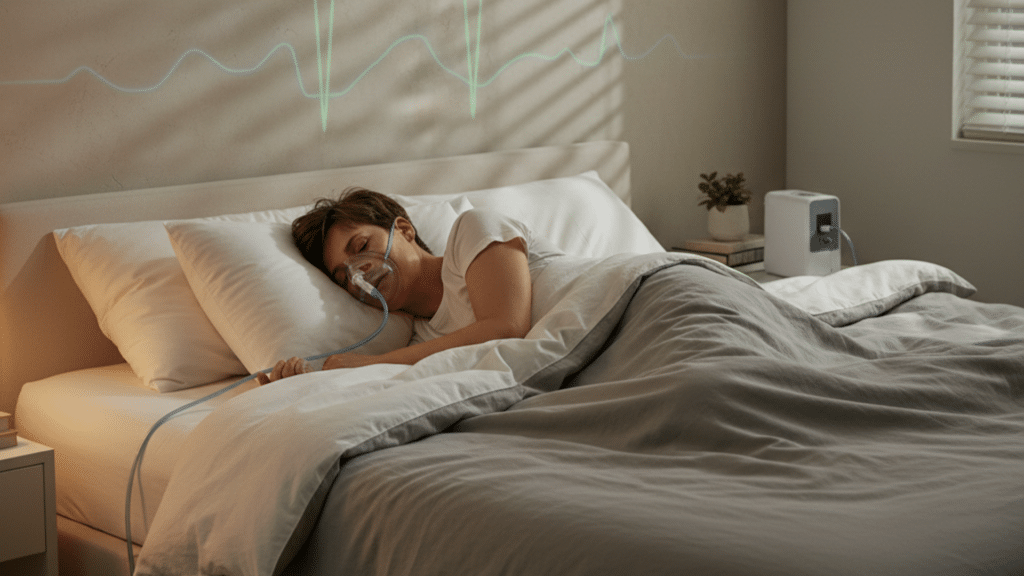
Side sleeping is often recommended for sleep apnea because it can reduce airway collapse. Back sleeping is frequently the worst for it. If you use CPAP, side sleeping can also help mask seal.

If your breathing or apnea symptoms change when you change positions, loop in your sleep specialist. Don’t just white knuckle it.

Your “start tonight” plan (because tomorrow turns into never)

  1. Decide: side sleeping or back sleeping (side is usually easier)
  2. Set up: body pillow + appropriate head pillow
  3. If you keep rolling: add barrier pillows
  4. Track for three nights, then give it two full weeks before you declare it impossible

You’re not trying to win an Olympic medal in sleeping. You’re just teaching your body a new default one that doesn’t leave you waking up feeling like you fought a ceiling fan in your dreams.

Go make your bed do the work for you.

About the Author

Delaney is a sleep expert and product reviewer with a background in interior design. She writes about mattresses, bedding, and sleep accessories, offering expert advice on creating the perfect sleep environment. With years of product testing experience, Delaney’s focus is on helping you find the best sleep solutions for comfort and support, ensuring you wake up feeling refreshed.

Related categories

Also read

eating pineapple at night

Is Eating Pineapple at Night Good for Your Health?

Sleep can be tricky. You’re tired, you crawl into bed, and then your brain decides it wants to stay wide awake. If that sounds familiar,...

can you fart in your sleep reasons and tips

Can You Fart in Your Sleep? Understanding the Causes

If you’ve ever woken up feeling a little awkward, or heard a comment from a partner, you might have found yourself thinking about whether you...
kitchen wall decor ideas

45 Kitchen Wall Decor Ideas That Work in Real Homes

Kitchen walls can be tricky. I have seen many kitchens where the space feels empty, yet adding decor somehow makes it look crowded. That confusion...

Readers Comments

Leave a Reply

Your email address will not be published. Required fields are marked *

Related Articles

racing thoughts at night
Read 8 min

What Causes Racing Thoughts at Night and How to Cope?

I know how frustrating it feels when your body is tired, but your mind refuses..

Read 7 min

Earthy vs Boho Style: How To Tell Them Apart Fast

Earthy vs. Boho: The Difference Most People Get Wrong (And Why Your Room Feels “Off”)..

Read 9 min

Stop Sleeping on Your Stomach With a 3-Week Plan

Finally Quit Stomach Sleeping (Without Lying Awake Rage Scrolling): My 3 Week Reset If you..

one nap schedule
Read 10 min

One Nap Schedule for Toddlers: What to Expect

I remember the point when two naps suddenly stopped working, but one nap did not..