
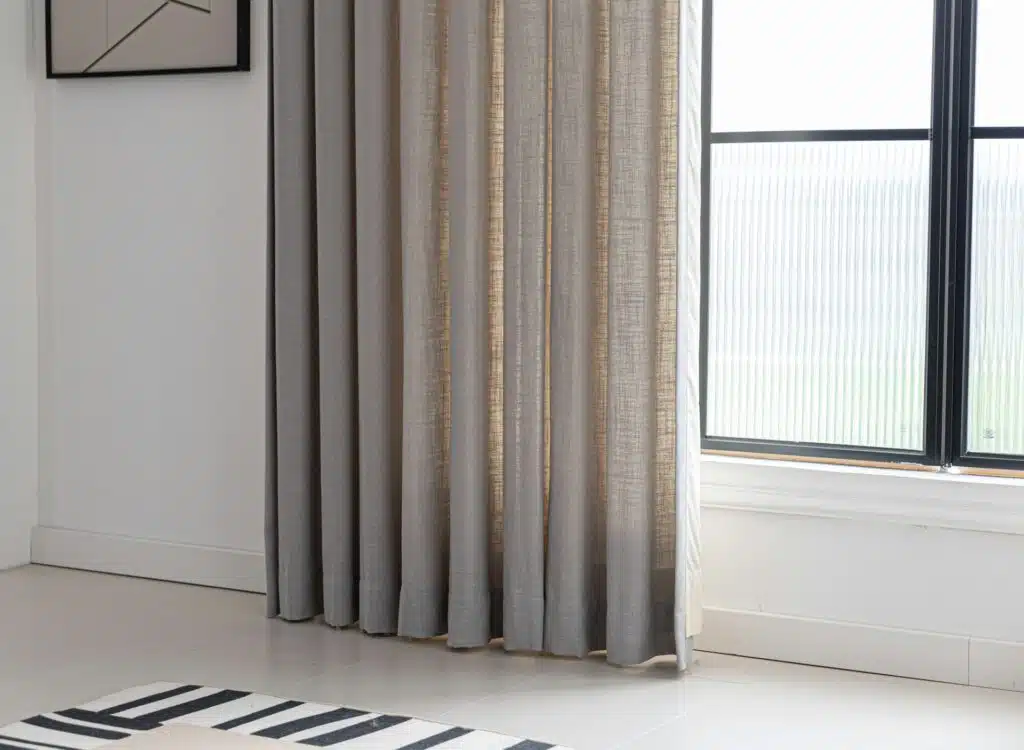
Curtains do more than cover your windows. They control light, provide privacy, and shape how a room looks and feels. However, the choice between ready-made and custom curtains can feel confusing if you don’t know what to look for.
Ready-made curtains provide convenience and lower costs, while custom curtains provide a perfect fit and more design options. Both have clear benefits and drawbacks. The right choice for you depends on your budget, window size, and the level of control you want over the final look.
This guide compares both options in detail. You will learn about the key differences, what factors matter most, and how to decide which type works best for your home. By the end, you will have a clear answer as to which curtains suit your needs.
Comparing Ready-Made and Custom Curtains
The choice between ready-made and custom curtains affects your budget, how well they fit your windows, and the final look of your space. Each option serves different needs and comes with distinct trade-offs.
Definition and Key Differences
Ready-made curtains are pre-manufactured products that come in standard sizes. You can find them in shops and buy them immediately without waiting for production. They typically come in common widths like 46, 66, or 90 inches and in standard drop lengths.
Custom curtains are made specifically for your windows. A professional measures your space and creates curtains to your exact specifications. You choose the fabric, lining, heading style, and all design details.
The main difference lies in fit and flexibility. Ready-made curtains may not match your window dimensions perfectly. Custom options provide an exact fit for any window size, including unusually large or small openings, which is why the decision often comes down to how precise the fit needs to be and how much control you want over the final look.
For example, a wide selection of ready-made curtains can work well for standard windows, especially when timing and budget matter more than exact tailoring.
Custom curtains, on the other hand, are usually the better choice when the window shape is awkward or the room needs a more finished result. In practice, the right option depends on whether convenience or accuracy matters more in your space.
Advantages of Ready-Made Curtains
Ready-made curtains cost less than custom alternatives. You can purchase a pair for as little as £20 to £100, whilst custom versions often start at £200 and go up from there.
They provide immediate availability. You take them home the same day and hang them within hours. This speed matters if you need window coverings quickly for a new home or rental property.
Installation is straightforward. Most ready-made curtains come with simple header tape or eyelet tops that work with standard curtain poles. You need minimal tools and experience to put them up yourself.
The variety in shops has grown substantially. You can find different colors, patterns, and basic fabric options without a long search. For standard windows in common sizes, ready-made curtains provide a practical solution that meets basic privacy and light control needs.
Benefits of Custom Curtains
Custom curtains fit your windows precisely. They reach the exact length you want, whether that’s just touching the floor or pooling slightly. The width matches your window perfectly, which improves both appearance and function.
Fabric quality tends to be superior. You select from a wider range of materials, including heavier weights that drape better and last longer. Better fabrics also provide improved insulation and light-blocking properties.
Design flexibility sets custom curtains apart. You control every detail from line type to heading style to trim options. This level of personalization allows you to match your existing décor perfectly and create a polished, professional look.
They handle unusual windows better. Bay windows, arched openings, and extra-tall ceilings all benefit from made-to-measure solutions. Custom curtains also accommodate special requirements like blackout linings or thermal properties for specific rooms.
Factors to Consider When Choosing Curtains
Your curtain choice depends on your budget limits, the look you want to create, and how well the curtains will fit your windows. These three elements will guide you towards either ready-made or custom options.
Assessing Your Budget
Ready-made curtains cost much less upfront. You can find basic pairs for £20 to £100, which makes them perfect if you need to dress multiple windows without spending much money. They work well for rental properties or temporary spaces where you don’t want to invest heavily.
Custom curtains require a larger investment. Prices typically start at £200 per window and can go much higher based on fabric quality and complexity. However, this price includes professional measurements, expert installation, and materials built to last for years.
Consider the long-term value beyond the initial cost. Ready-made curtains might need replacement sooner, especially if they don’t fit properly or the fabric quality is lower. Custom curtains often last 10 to 15 years with proper care, which can make them more economical over time despite the higher starting price.
Style and Fabric Options
Ready-made curtains come in limited fabric choices and standard patterns. Most shops stock popular neutral colors and basic designs that appeal to broad tastes. If your style preferences are simple or you need something quickly, these options can work fine.
Custom curtains give you access to hundreds of fabric choices. You can select from luxury materials like silk, linen, or velvet in any color or pattern you prefer. This matters most if you have specific design needs or want to match existing décor precisely.
The fabric weight affects how curtains hang and function. Heavier fabrics provide better insulation and light control, whilst lighter materials create a softer, more casual appearance. Custom options let you choose the exact weight and lining you need for your space.
Measuring and Fit Considerations
Accurate measurements determine how your curtains will look and perform. Ready-made curtains come in fixed sizes, so you need to find dimensions close to your window measurements. Standard sizes might leave gaps at the sides or bottom, which reduces privacy and energy efficiency.
Measure your window width, height, and the space above where you plan to mount the curtain rod. Ready-made options work best for standard-sized windows, but they rarely achieve a perfect fit. You might need to hem them or accept that they won’t reach the floor exactly.
Custom curtains are made to your exact specifications. Professional measurers account for ceiling height, window depth, and any architectural details that affect the fit. This precision ensures your curtains hang properly and cover the entire window without gaps or awkward bunching.
Conclusion
The choice between ready-made and custom curtains depends on your budget, timeline, and what matters most to you. Ready-made curtains work well if you need a quick, affordable solution and have standard-sized windows. However, custom curtains provide a better fit, more fabric choices, and higher quality materials that last longer.
Consider your priorities before you decide. If you value perfect measurements and unique designs, custom curtains are worth the extra cost. For basic needs and tight budgets, ready-made options can still look good and do the job.