The process of selecting an appropriate air conditioning system for your house is a matter of comfort, energy saving, and expenses in the short and long term. A minority of the two available are central air conditioning and mini-split systems. The most appropriate will be based on your company, home, weather, finances, and personal taste.
Understanding the differences and similarities between mini split and central air systems helps homeowners make the right decision and choose the right air conditioning repair services.
What is Central Air Conditioning?
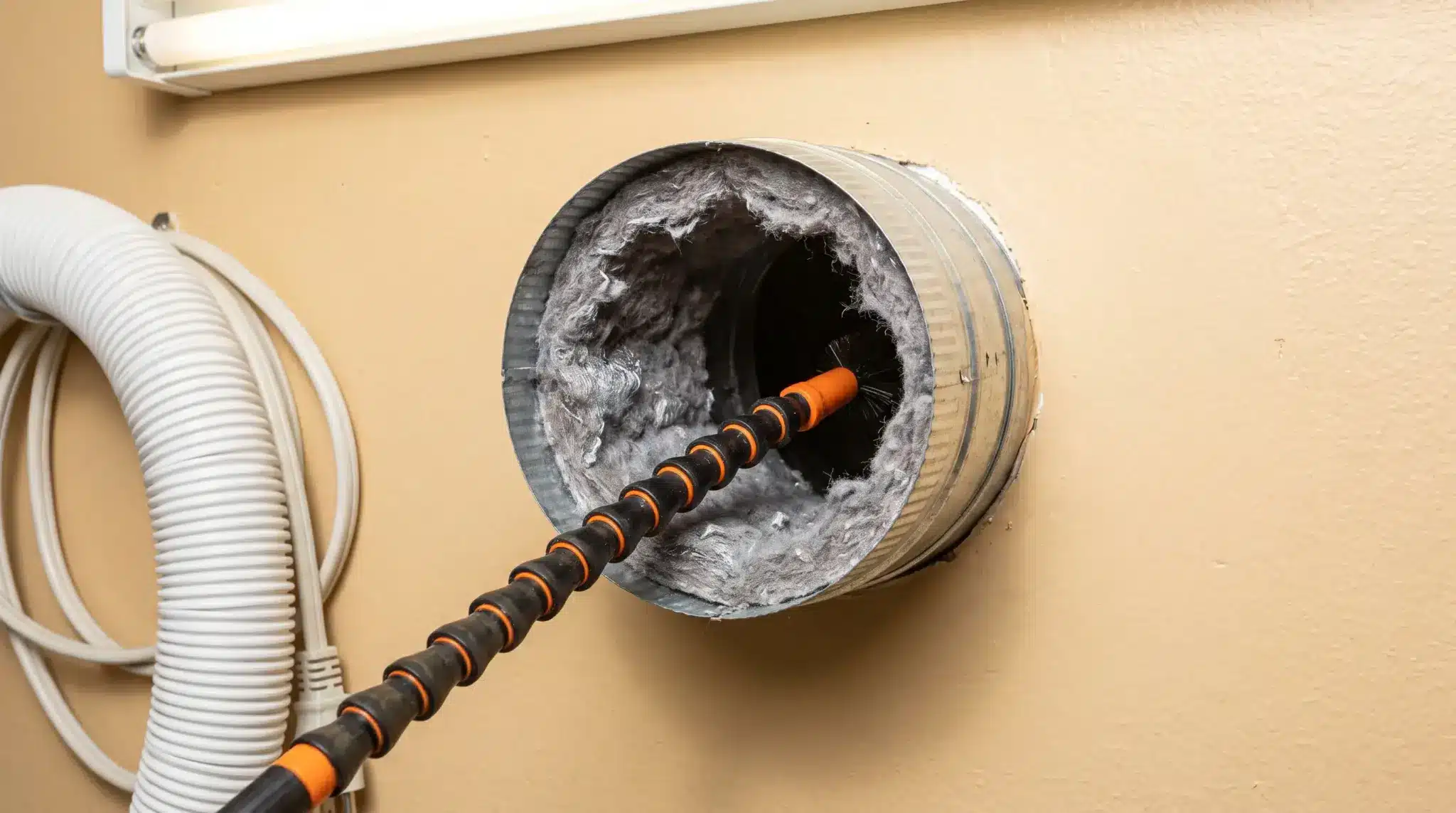
Central air conditioning involves the use of a single condenser, which is installed on the outskirts of the home, and an indoor evaporator coil in order to cool the rest of the house via ductwork.
Key features include:
- Whole-room cooling
- Ducted distribution
- Heating integration
- Single thermostat
Central air conditioning is perfect in the case of existing ductwork at the house, and better suited in larger houses that require regular cooling.
What is a Mini-Split System?
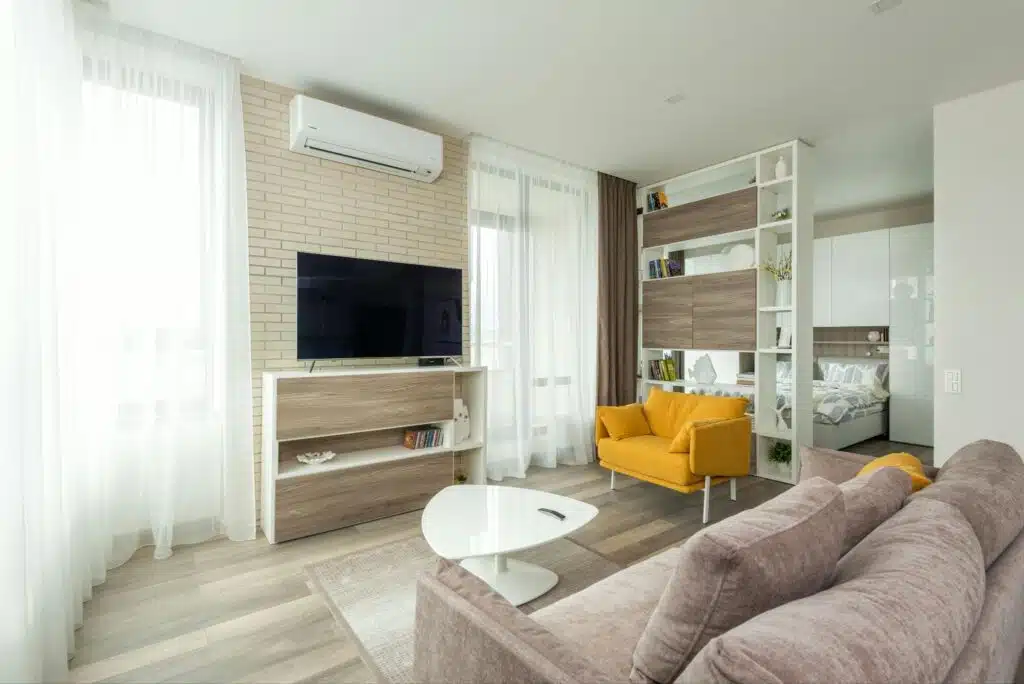
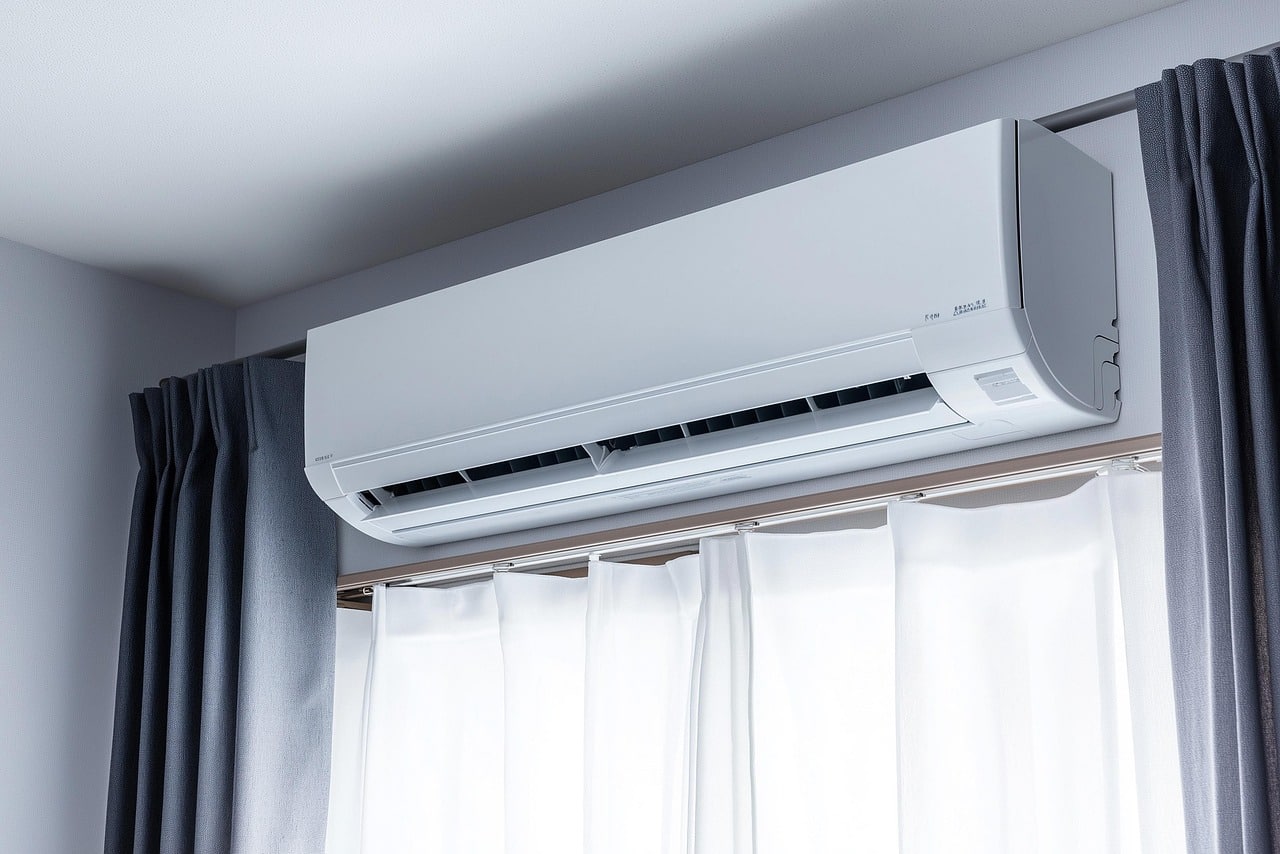
Also known as ductless air conditioners, mini-split systems are made of one or more interior air ducting systems and an exterior compressor unit.
Key aspects include:
- Zoned cooling
- No ductwork will be necessary
- Flexible installation.
- Energy-efficient use
Mini-splits are the perfect use in a household where there are no existing ducts, conversely, an addition to a room, or a part of the house that cannot be easily served by a conventional central air system.
Installation Requirements and Complexity
Installation requirements vary between mini split vs central air:
Central air installation cost:
- Entails use of existing ductwork or the installation of new ducts.
- The process of installation would include fixing the outdoor condenser and attaching it to the inside coil.
- In most cases, it involves the hiring of professional HVAC contractors such as Freon.
- More intrusive installation, which might require alterations on walls, floors, or ceilings.
Mini‑Split System:
- No ducting required, less complex building construction.
- Entails the installation of indoor units and the linking of refrigerant systems to the exterior compressor.
- Installation levels are often only one or two days needed in case of a single zone.
- Central air installation is more disruptive than this type of installation, which should be done by a professional.
Although the central air installation cost may be higher, the mini-splits can be a less invasive alternative, particularly when retrofitting older houses.
Cost Comparison
48% of home energy costs come from heating and cooling systems. Installation and operating costs of the system differ in terms of efficiency, size of the home, and the type of system.
Central Air Conditioning:
- Increased initial expenditure, ductwork, and bigger units.
- Installation cost averages on a 2000 square-foot home: $ 3500 -7500.
Mini‑Split System:
- Less initial cost, single or limited number of zones: $2,000- 5,000 per unit.
- Each additional zone adds $500–$1,500
Mini-splits can be cheaper in smaller spaces or those homes that do not have ductwork, whereas central air can be cheaper in entire home applications in larger homes.
Energy Efficiency and Performance
Energy efficiency is a consideration in the selection of systems:
- Central Air: The High SEER units will decrease the amount of energy used; however, duct losses have the potential to decrease the overall efficiency.
- Mini Splits: These systems also typically have higher SEER rates and, due to them having no ductwork, they cannot lose ducts, and this raises the overall efficiency.
Mini-splits generally compare favorably with central air in regard to energy efficiency, such that, on an occasion where you are not cooling all of your rooms, they will be much more efficient.
Comfort and Climate Control
The degree of comfort is dependent on the type of system:
- Central Air: The central air supplies its cooling system to every single room in your house, and you are unable to adjust the temperatures of the rooms individually.
- Mini-Split: It provides zoning, and therefore, each room can have a desired temperature.
Homeowners who care about personalized comfort are more likely to use mini-splits, whereas those who need a constant temperature in the house will use central air.
Aesthetics and Space Considerations
The visual and the spatial appearance of each system are also important:
Central Air:
- Ductwork, vents, or attics typically contain the locations of the indoor units.
- The outside unit is commonly put understated in the field.
- In the house, the effects are not very noticeable.
Mini‑Split System:
- These can be seen as indoor wall or ceiling units that can interfere with the aesthetics of the room.
- There is no ductwork needed; therefore, ceilings and walls remain open.
- They can be moved easily to suit the space of a room in many different ways.
Although central air is still rather inconspicuous, mini-splits are flexible in case of a limited area in the home or an unusual room design.
Conclusion
The final decision of whether you are going with a mini-split or central air conditioning system is based on a number of factors, such as the layout of your house, the complexity of installation, the energy efficiency you require, and your level of comfort.
Before making a decision, homeowners are to consider their space, budget, and the amount of comfort they desire.