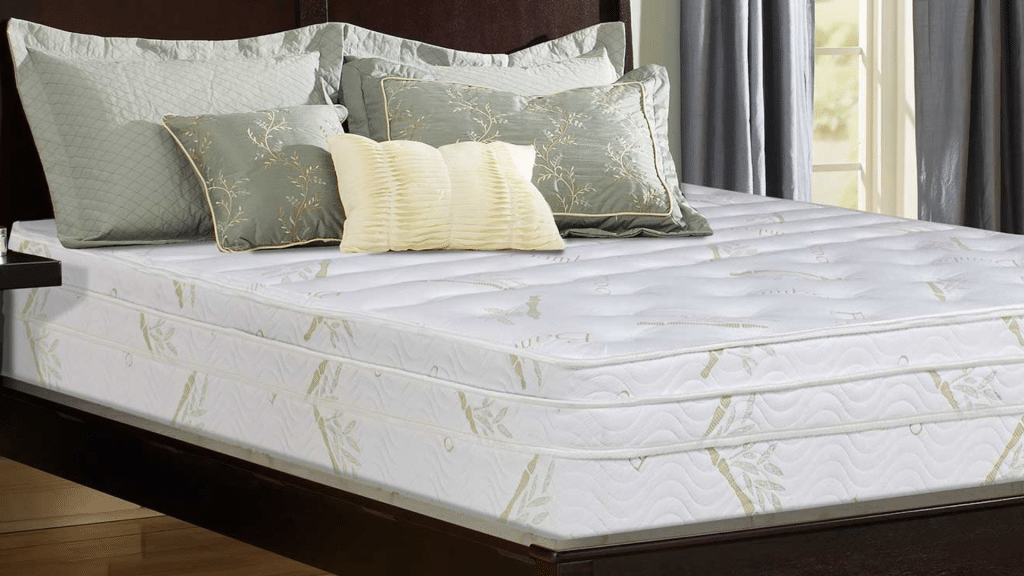


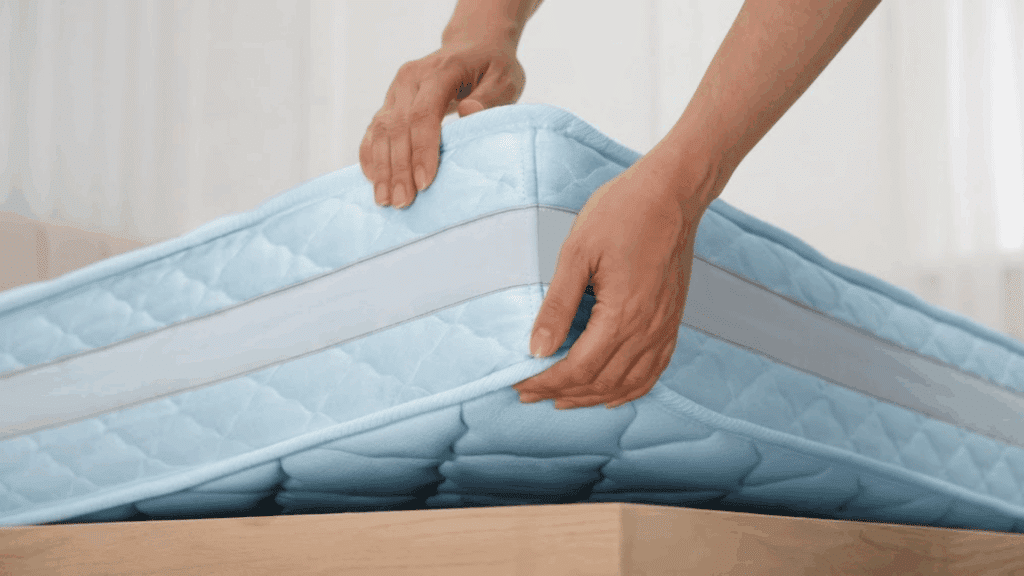
A mattress may look harmless from the outside, but some models contain fiberglass hidden inside the cover.
Many buyers only learn about it after reading labels, reviews, or complaints online.
Fiberglass is often used as part of a fire barrier, yet shoppers may not know where it sits or what can happen if the mattress cover is removed.
This blog explains why fiberglass is used in mattresses, where it is placed, possible concerns, and how to check mattress materials before buying. Read on to know what to look for before choosing your next mattress.
Understanding Fiberglass in Mattresses
Fiberglass is made from very thin glass fibers that can withstand high temperatures. In some mattresses, it is used as part of the fire barrier beneath the outer cover and around the foam layers.
Its purpose is not to provide comfort or support. Instead, it helps slow the spread of flames and allows mattresses to meet fire safety requirements.
Some manufacturers use fiberglass because it is lightweight, heat-resistant, and relatively inexpensive.
Mattress labels may identify the material as “fiberglass,” “glass fiber,” or similar terms, so checking product information before buying can help confirm what the mattress contains.
How Fiberglass Works Inside a Mattress
Fiberglass serves as a hidden fire barrier in some mattresses, helping to slow the spread of flames without affecting everyday comfort.
Where is Fiberglass Located Inside a Mattress
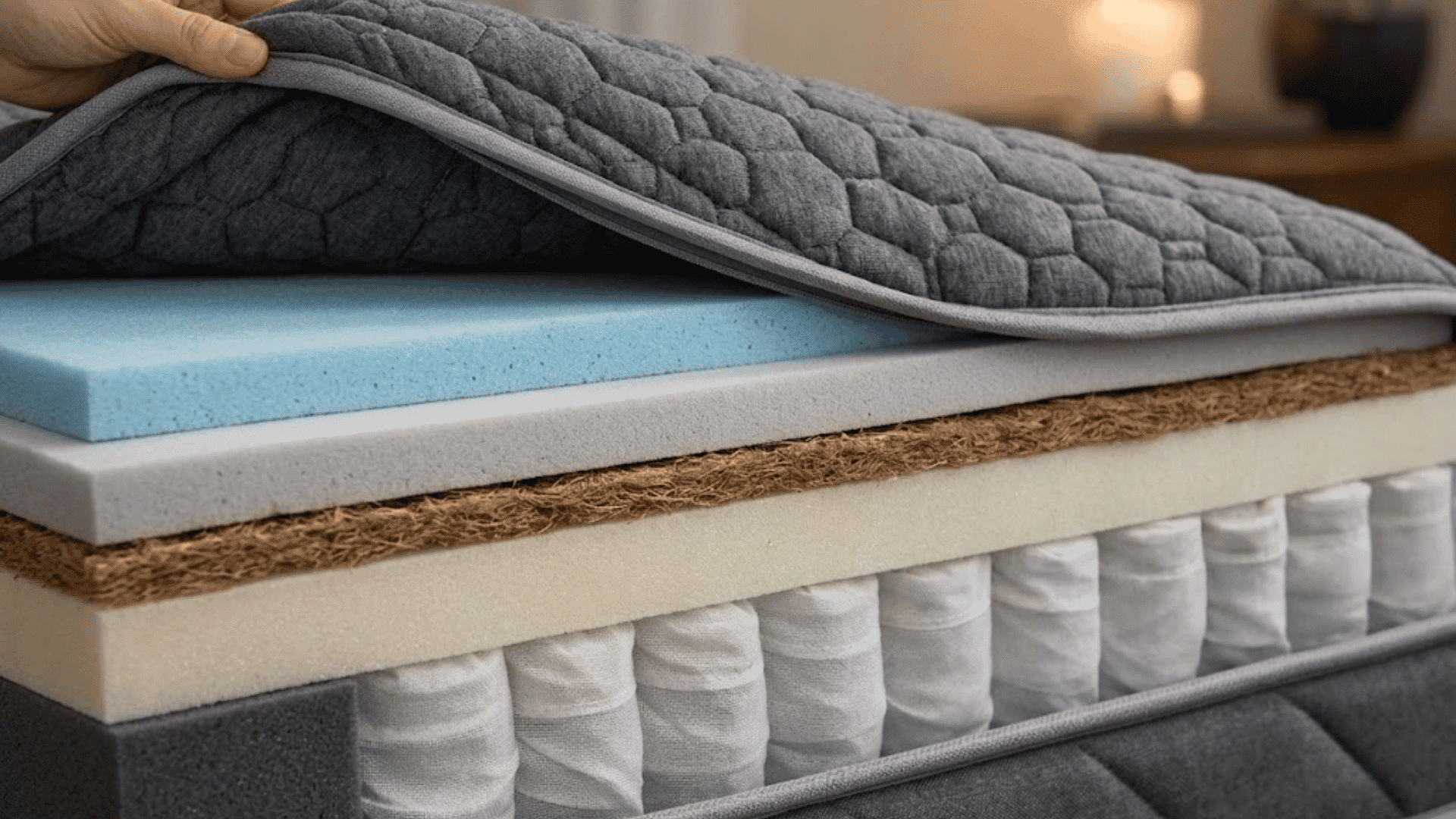
Fiberglass is usually placed inside a protective layer around the foam core. It sits below the mattress cover, so sleepers do not normally come into contact with it.
The outer cover keeps the fibers contained during regular use. This is why many mattress brands advise customers not to remove the cover unless the care instructions allow it.
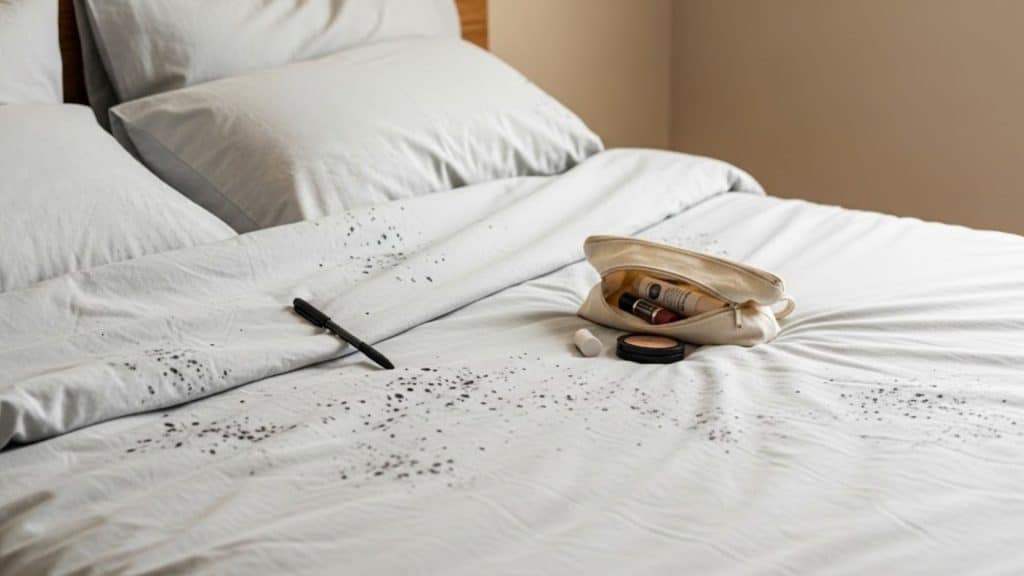
Opening the cover can disturb the fire barrier layer. Loose fibers may spread to bedding, floors, and nearby items. Cleaning fiberglass particles can also be difficult because the fibers are very small.
Does Every Mattress Have Fiberglass
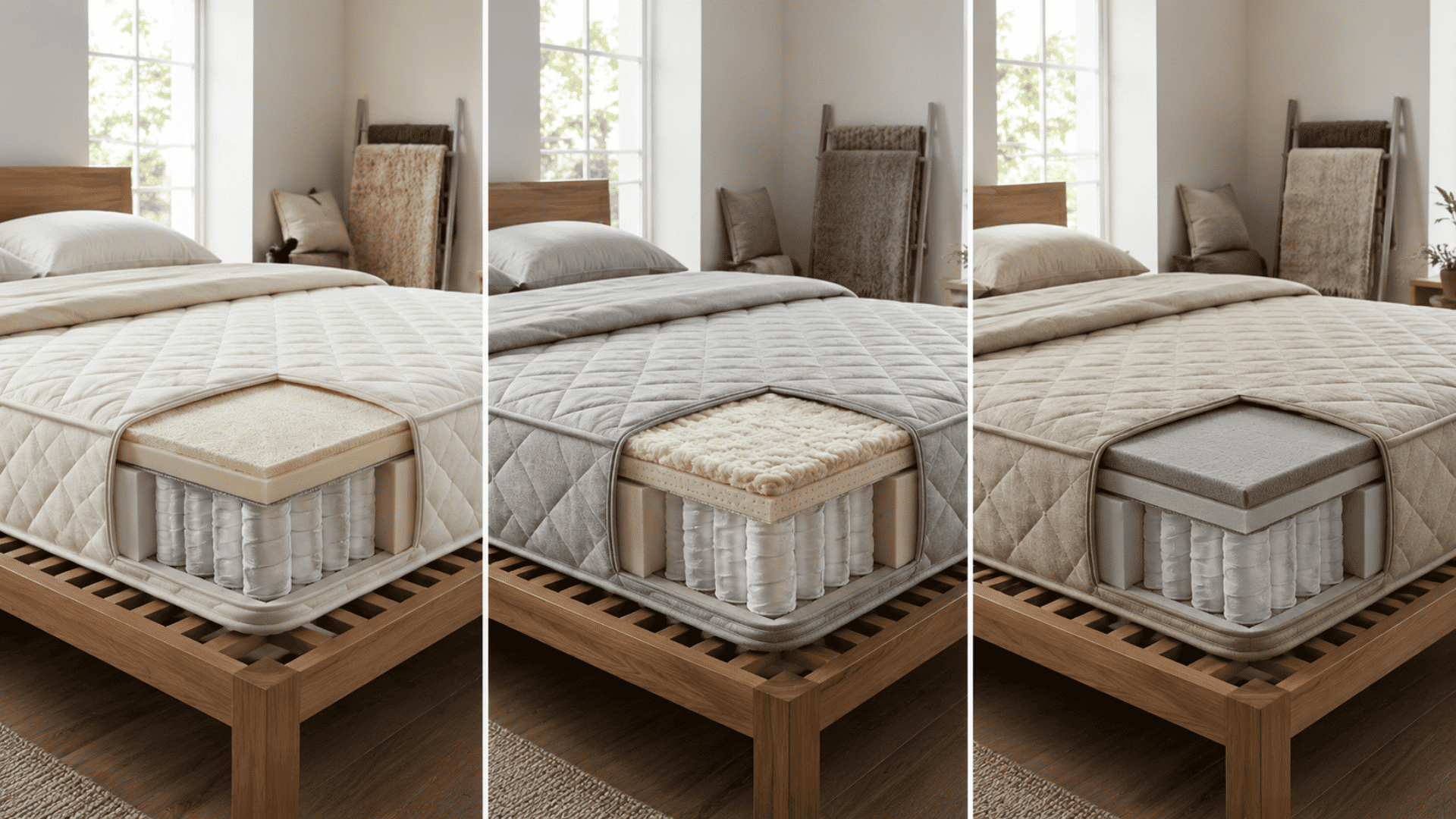
No, not every mattress contains fiberglass. Many mattress brands use other materials for fire protection.
Common alternatives include:
- Wool
- Rayon blends
- Other certified fire barrier fabrics
The type of fire barrier depends on the mattress brand and design. Some foam mattresses contain fiberglass, while others do not.
Buyers who want to avoid fiberglass should check the material list before buying. Contacting the brand directly can also help confirm the materials used.
Why Do Some Foam Mattresses Use Fiberglass?
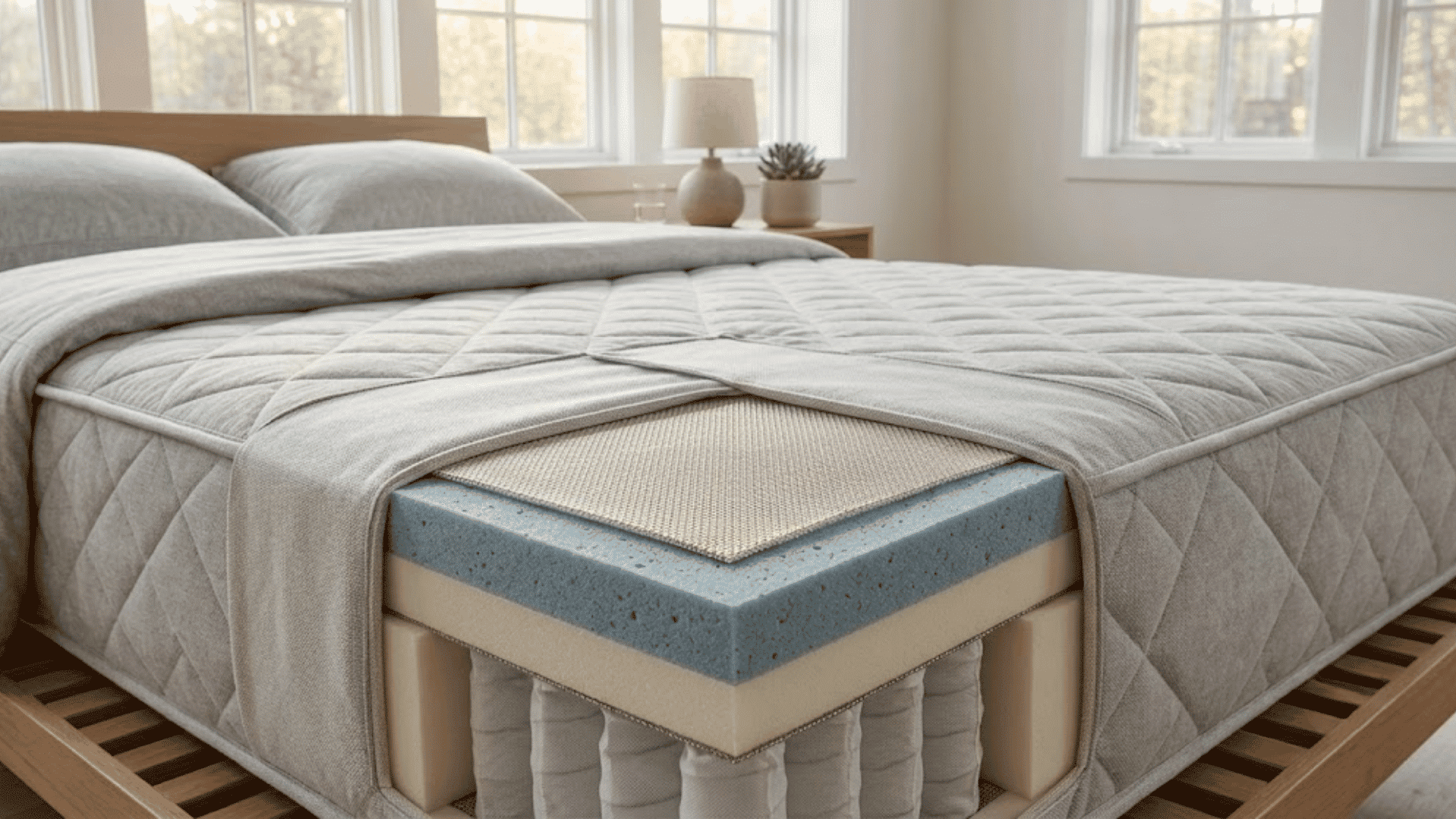
Foam mattresses need a fire barrier because foam can catch fire when exposed to flames. Fiberglass is one material that helps create this protective layer.
Some memory foam mattresses use fiberglass because it provides fire resistance while keeping the mattress lightweight and affordable.
This does not mean all foam mattresses contain fiberglass. Many brands use other materials instead. Checking the product details is the best way to know what a mattress contains.
Is Fiberglass in a Mattress Safe?
Fiberglass inside a sealed mattress is designed to stay inside the product. When the mattress cover remains intact, the material is not meant to touch the sleeper.
The main concern happens when fiberglass escapes from the mattress. This may happen if the cover is removed, torn, or damaged.
Exposure to loose fiberglass fibers may cause:
- Skin irritation
- Eye discomfort
- Breathing irritation
People may react differently to exposure to fiberglass. If a mattress cover is damaged, avoid opening the inside layers and follow the manufacturer’s care instructions.
How to Know if a Mattress Has Fiberglass
Some mattress labels clearly mention fiberglass, while others may use different terms. Checking before purchase can help buyers avoid surprises.
Look for these details:
- Mattress label information
- Product material list
- Fire barrier details
- Manufacturer FAQs
- Customer support answers
Some brands list fiberglass as glass fiber or similar terms. If the information is unclear, asking the company directly is the safest way to confirm.
Avoid cutting open a mattress or removing the cover to check the inside. This may release fibers from the protective layer.
Fiberglass Mattress vs Fiberglass-Free Mattress Options
Different mattresses use different fire barrier materials. Buyers can compare these options before choosing a product.
| Mattress Type | Fire Barrier Material | Main Feature |
|---|---|---|
| Fiberglass mattress | Fiberglass layer | Handles high heat |
| Wool mattress | Wool barrier | Natural fire resistance |
| Rayon blend mattress | Rayon-based layer | Used in some fire barriers |
| Other mattresses | Brand-specific materials | Depends on design |
Fiberglass is only one option used in mattress construction. Many brands now share more details about their materials, making it easier for shoppers to compare products.
Real Customer Review: Concerns About Fiberglass in Mattresses
User reviews about fiberglass in mattresses show mixed opinions, with many buyers sharing concerns about safety, labeling, and mattress care.
I don’t think mattresses should be constructed with fibers that can escape from just removing a zippered cover and that then require a special cleaning crew to remediate the area.
Some buyers feel mattresses should include clearer warnings about fiberglass and cover removal to prevent accidental exposure.
I never removed the cover and it still contaminated everything. Currently looking into getting our apartment cleaned. The mattress cover was never removed and still it contaminated everything.
Some buyers report concerns about fiberglass spreading, even when following mattress care instructions. These experiences highlight why clear product information and warning labels matter for mattress owners.
How to Buy a Mattress Without Fiberglass
Buyers who prefer mattresses without fiberglass should check materials before placing an order. Product details can help identify the type of fire barrier used.
Useful steps include:
- Read the full mattress description
- Check the material list
- Ask the brand about fiberglass
- Review care instructions
- Look for clear fire barrier information
Some mattresses use wool or other materials instead of fiberglass. Comparing different options can help buyers find a mattress that matches their needs.
Wrapping up
Fiberglass in mattresses is primarily used as part of a fire barrier to help the mattress meet safety standards.
In many designs, the fiberglass remains within a protected layer beneath the outer cover and is not intended to come into contact with the sleeper during normal use.
Problems are more likely when the mattress cover is removed, damaged, or torn, allowing loose fibers to escape.
Checking the care label, material details and manufacturer information before buying can help shoppers know what is inside the mattress and avoid unwanted surprises. Share your experience or questions in the comments below.
Frequently Asked Questions
Can Fiberglass Escape from a Mattress?
Fiberglass may escape if the mattress cover is removed, torn or damaged. This can allow loose fibers to spread outside the mattress.
Should a Mattress Cover Be Removed to Check for Fiberglass?
A mattress cover should not be removed to check for fiberglass. It is safer to read the label or contact the manufacturer for material details.
How Can Someone Tell if a Mattress Contains Fiberglass?
A shopper can check the mattress label, product page or manufacturer information. Fiberglass may also be referred to as glass fiber.