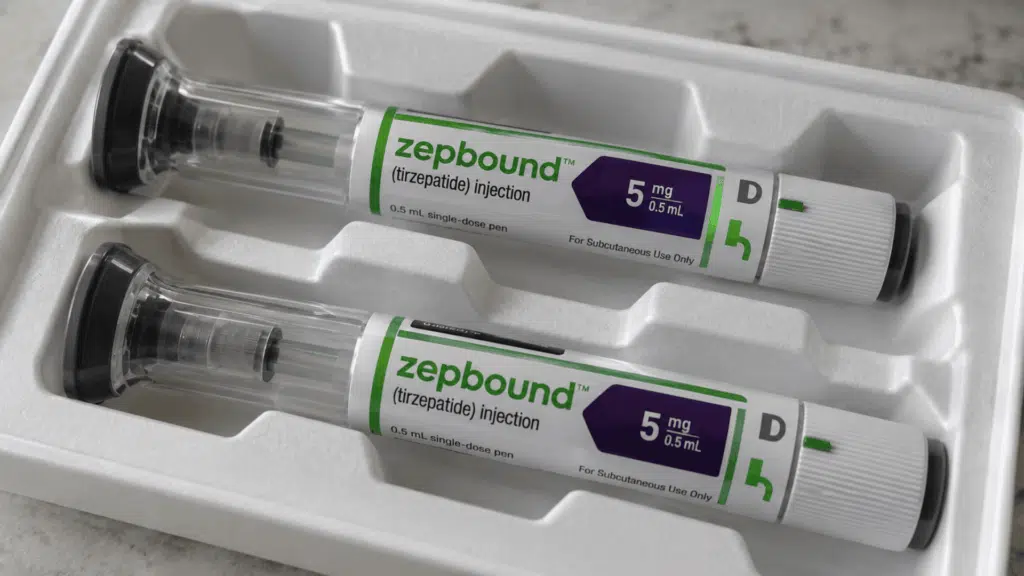
Sleep apnea can turn a full night in bed into hours of broken, restless sleep. For adults with obesity, weight can also play a major role in obstructive sleep apnea, which may leave people looking for treatment options beyond the usual choices.
This is where Zepbound sleep apnea comes into the conversation.
Zepbound, a prescription medicine that contains tirzepatide, is approved for certain adults with obesity and moderate to severe obstructive sleep apnea.
Studies show that it can reduce breathing interruptions during sleep and support weight loss. But how does it work, and what results can people expect? Its effects can vary from person to person.
What is Zepbound for Sleep Apnea?
Zepbound is the brand name for tirzepatide, a prescription medicine given as a once-weekly injection. It works by activating GIP and GLP-1 receptors, which help regulate appetite and reduce food intake.
The FDA has approved Zepbound for adults with obesity who have moderate to severe obstructive sleep apnea.
It is intended to be used along with a reduced-calorie diet and regular physical activity as part of a broader treatment plan. Zepbound is not approved for every person with sleep apnea.
Its sleep apnea indication specifically applies to obstructive sleep apnea linked with obesity and does not include central sleep apnea.
Discuss treatment with a healthcare provider who can review a person’s diagnosis, medical history, current medicines, and other sleep apnea treatments.
How Does Zepbound Help Sleep Apnea?
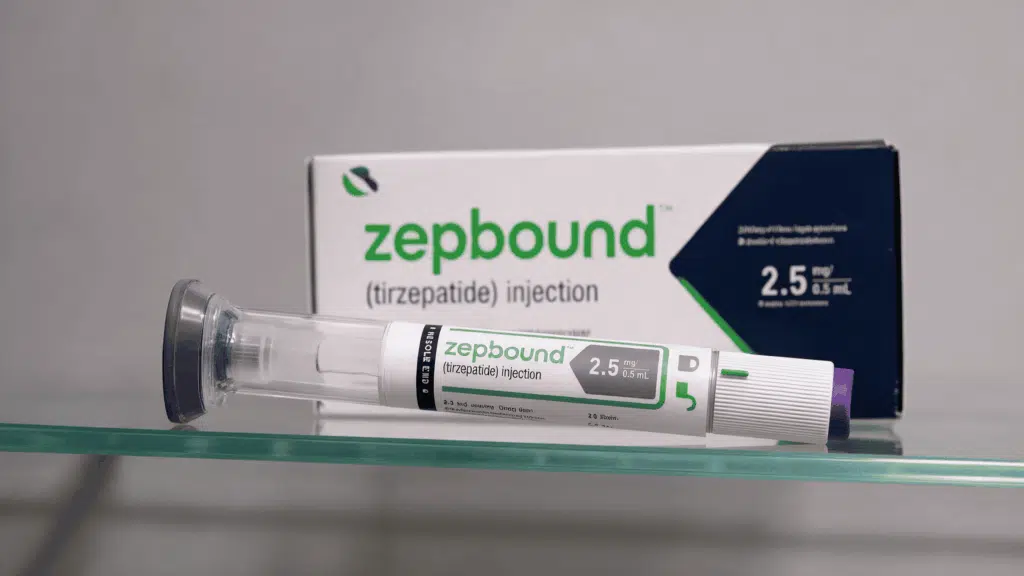
Zepbound may improve obesity-related obstructive sleep apnea by supporting weight loss and reducing factors that contribute to repeated airway blockage during sleep.
1. Weight Loss May Reduce Airway Narrowing
Weight loss may reduce some of the physical pressure that contributes to upper airway obstruction during sleep.
- Less Tissue Around The Airway: Excess body weight can increase fat deposits around the neck, tongue, and upper airway, making breathing passages more likely to narrow.
- Reduced Food Intake: Zepbound acts on appetite-related pathways and can lower food intake, which may support meaningful weight loss over time.
- Lower Airway Pressure: As body weight decreases, pressure around the upper airway may lessen, making nighttime breathing easier.
- Possible OSA Improvement: Reduced airway narrowing may help lower obstructive sleep apnea severity in some adults with obesity.
2. Breathing Interruptions May Become Less Frequent
Zepbound may help reduce how often breathing becomes partially or completely blocked during sleep.
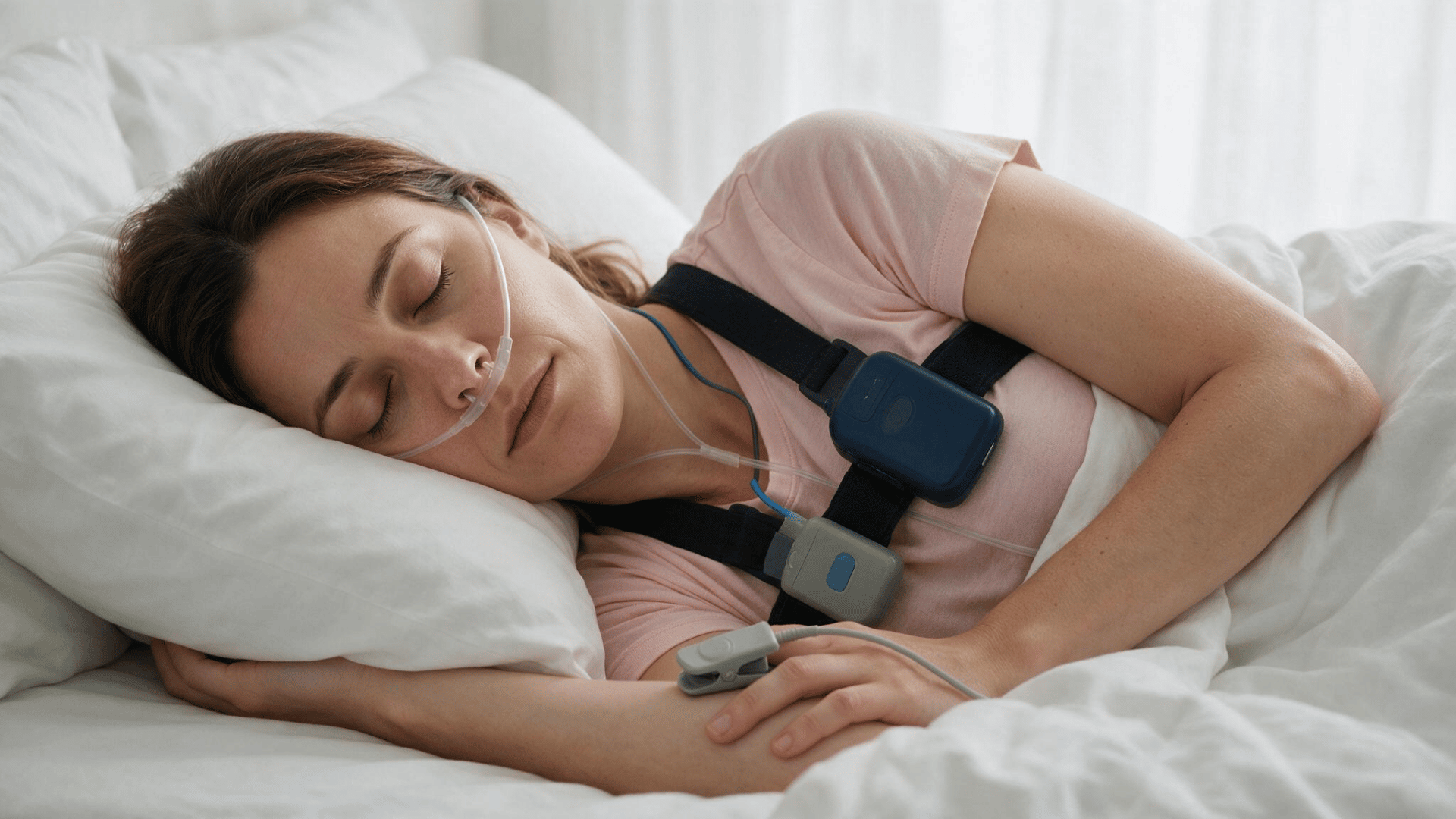
- Lower AHI: Sleep apnea severity is commonly measured with the apnea-hypopnea index, which records breathing disruptions during each hour of sleep.
- Trial Improvements: Clinical trials found greater reductions in AHI among adults taking tirzepatide compared with those receiving placebo after 52 weeks.
- Fewer Events: A lower AHI means fewer apnea and hypopnea episodes are occurring throughout the night.
- Results Can Vary: Improvement does not always mean sleep apnea has disappeared or that other prescribed treatments are no longer necessary.
3. Nighttime Oxygen Levels May Improve
Reducing breathing disruptions may also limit repeated drops in blood oxygen that occur with obstructive sleep apnea.
- Fewer Oxygen Drops: Airway blockage can repeatedly lower oxygen levels during sleep, especially when breathing interruptions are frequent or prolonged.
- Reduced Hypoxic Burden: Tirzepatide studies found improvements in sleep apnea-specific hypoxic burden, which reflects oxygen loss caused by breathing events.
- Less Nighttime Stress: Reducing oxygen fluctuations may lessen the physical stress associated with repeated airway obstruction.
- Broader Monitoring: Doctors may consider oxygen levels, AHI, symptoms, weight changes, and sleep quality when evaluating treatment progress.
4. Sleep-Related Symptoms May Improve
As breathing disturbances lessen, some people may also notice improvements in sleep-related symptoms.
- Better Sleep Quality: Fewer breathing interruptions may allow longer periods of uninterrupted sleep and reduce repeated nighttime awakenings.
- Less Daytime Sleepiness: Better-controlled sleep apnea may help reduce excessive tiredness and difficulty staying alert during daytime activities.
- Possible Snoring Changes: Snoring may decrease as airway obstruction improves, although snoring alone cannot confirm that sleep apnea has resolved.
- Objective Testing Still Matters: Consider symptom improvement alongside sleep studies and other clinical measurements before changing treatment.
Possible Zepbound Side Effects and Health Risks
Zepbound can cause side effects and may not be suitable for everyone. Patients should review possible risks with a healthcare provider before starting treatment.
Digestive Problems
Nausea, vomiting, diarrhea, constipation, and stomach discomfort are among the more common side effects linked with Zepbound. These symptoms may improve over time, but discuss severe or persistent digestive problems with a healthcare provider promptly.
Dehydration and Kidney Problems
Vomiting or diarrhea can lead to fluid loss and dehydration. In some cases, this may increase the risk of kidney problems. Drinking enough fluids and reporting ongoing digestive symptoms can help reduce the chance of complications.
Gallbladder Problems
Zepbound may be associated with gallbladder problems, including gallstones and inflammation. Symptoms can include upper abdominal pain, fever, nausea or yellowing of the skin. A healthcare professional should evaluate these signs without delay.
Pancreatitis
Pancreatitis, or inflammation of the pancreas, has been reported with Zepbound. A person who develops severe and persistent abdominal pain, especially pain that may spread toward the back, should seek prompt medical evaluation and follow professional advice.
Thyroid Tumor Warning
Zepbound carries a boxed warning about thyroid C-cell tumors found in animal studies. It should not be used by people with a personal or family history of medullary thyroid carcinoma (MTC) or multiple endocrine neoplasia syndrome type 2 (MEN 2).
How to Approach Zepbound Sleep Apnea Treatment Safely
Use Zepbound with medical guidance, regular monitoring, and ongoing sleep apnea care to reduce risks and track progress.
1. Review Medical History: Discuss current medicines, previous treatments, existing health conditions, and relevant family history with a healthcare provider before starting Zepbound.
2. Follow The Prescribed Dose: Use the medicine exactly as directed. Do not increase, skip, or change doses without medical advice.
3. Continue Sleep Apnea Treatment: Keep using CPAP or another prescribed therapy unless a healthcare provider recommends changing the treatment plan.
4. Monitor Side Effects: Report severe or persistent nausea, vomiting, abdominal pain, or other concerning symptoms as soon as possible.
5. Attend Follow-Up Visits: Regular reviews can track weight changes, sleep symptoms, treatment response, and whether repeat sleep testing is needed before making major changes.
Is Zepbound Right for You?
Zepbound may be an option for adults with obesity and moderate to severe obstructive sleep apnea, but suitability depends on more than body weight or snoring alone.
A healthcare provider will usually consider the sleep apnea diagnosis, BMI, current treatments, medical history, medicines, and possible contraindications before recommending it.
Zepbound may be more relevant when obesity is an important factor in a person’s sleep apnea. But it is not intended for every type of sleep apnea and does not replace the need for proper diagnosis or follow-up care.
People already using CPAP should not stop treatment without medical advice. Even if symptoms improve or weight decreases, repeat sleep testing may still be needed.
Zepbound is not expected to improve sleep apnea immediately. Benefits may develop gradually over months, and clinical trials assessed sleep apnea changes after 52 weeks of treatment.
Closing Thoughts
Zepbound may offer another treatment option for adults with obesity and moderate to severe obstructive sleep apnea.
Tirzepatide can support weight loss while reducing breathing interruptions and improving some measures of sleep apnea. However, results can vary, and Zepbound does not replace every existing sleep apnea treatment.
People using CPAP or another prescribed therapy should talk with their healthcare provider before making changes.
Side effects, medical history, and other medicines also need to be considered. If you have looked into Zepbound sleep apnea treatment, what questions or concerns came up for you? Share your thoughts or questions in the comments below.
Disclaimer: This article is for informational purposes only and does not replace professional medical advice. Consult a healthcare provider before starting or changing any sleep apnea treatment.
Frequently Asked Questions
Can Zepbound be Taken with Food?
Yes. You can inject Zepbound at any time of day, with or without meals. Follow the weekly schedule your healthcare provider recommends.
What Happens if a Zepbound Dose is Missed?
You can usually take a missed Zepbound dose within four days of the scheduled time. If more than four days have passed, skip it and continue with the next scheduled dose.
Should Zepbound Injection Sites be Rotated?
Yes. Rotating injection sites helps reduce irritation and prevents you from using the same skin area every week. Common injection areas include the abdomen, thigh, and upper arm.