Does sleep apnea go away on its own, or do you need treatment to fix it? I know this question keeps many people awake at night, wondering about their own situation.
Sleep apnea is a frustrating condition that disrupts your rest and leaves you exhausted every morning. Many people feel confused about whether this problem is temporary or something they’ll deal with forever.
Understanding how sleep apnea works helps you make better decisions about your health and well-being. Your body, lifestyle, and specific circumstances all play important roles in what happens next.
I’ve learned that taking the right steps early can completely change how you feel daily. Let me break down the facts about sleep apnea and its progression.
This information is for educational purposes only and should not replace professional medical advice, diagnosis, or treatment from your doctor.
What is Sleep Apnea?
Sleep apnea is a sleep disorder where your breathing stops and starts repeatedly throughout the night. You might not even realize it’s happening while you sleep.
The most common type is Obstructive Sleep Apnea, or OSA, which occurs when throat muscles relax too much. This blocks your airway and stops air from getting through properly.
Central Sleep Apnea is less common and happens when your brain doesn’t send proper signals to the breathing muscles.
According to the American Academy of Sleep Medicine, sleep apnea affects millions of adults worldwide. Both types disrupt your sleep cycle and prevent deep, restful sleep.
This leaves you exhausted even after a full night in bed. Untreated sleep apnea can lead to serious problems like high blood pressure.
Causes of Sleep Apnea
Sleep apnea is a complex condition that can be triggered by several factors, some of which may be within your control, while others may be genetic. Understanding the root causes of sleep apnea is crucial for effective management and treatment. Here are the primary causes of sleep apnea:
- Obesity: Excess weight, particularly around the neck, can block the airway, leading to obstructive sleep apnea.
- Age: The risk of developing sleep apnea increases with age, as muscle tone in the throat decreases, which can contribute to airway obstruction.
- Genetics: A family history of sleep apnea may increase the likelihood of developing the condition, suggesting a genetic predisposition.
- Nasal Issues: Conditions like allergies or a deviated septum can restrict airflow, making it harder to breathe during sleep and increasing the risk of sleep apnea.
Understanding these causes can help you identify potential risk factors and take proactive steps to reduce your chances of developing sleep apnea.
Does Sleep Apnea Go Away?

Unfortunately, sleep apnea rarely goes away on its own without some kind of treatment or lifestyle change. Hoping it will disappear by itself usually leads to worsening symptoms over time instead.
As you get older, sleep apnea often becomes more severe if you don’t address it properly. The good news is that certain lifestyle changes can significantly improve your symptoms and make breathing easier.
Losing weight is one of the most effective ways to reduce sleep apnea, especially if you’re overweight. Quitting smoking and cutting back on alcohol before bedtime also helps open your airways during sleep.
While these changes might not completely eliminate sleep apnea, they can make it much more manageable. Some people experience such dramatic improvement that their symptoms become mild enough to avoid the need for medical devices.
Symptoms of Sleep Apnea
Sleep apnea shows up in different ways, and you might not even realize you have it at first. I’ve seen many people only find their symptoms after a partner notices their unusual breathing patterns during sleep. Here are the most common signs to watch for:
- Loud Snoring: Your snoring is noticeably loud and often disturbs others sleeping nearby or even in other rooms.
- Gasping for Air: You wake up suddenly choking, gasping, or feeling like you can’t catch your breath during the night.
- Excessive Daytime Sleepiness: You feel extremely tired throughout the day, no matter how many hours you spend in bed.
- Morning Headaches and Dry Mouth: You regularly wake up with headaches, sore throats, or very dry mouths.
These symptoms might seem minor at first, but they’re your body’s way of signaling that something is wrong. Don’t ignore them, especially if they happen regularly or worsen over time.
Can Sleep Apnea Be Treated or Managed?
The good news is that sleep apnea is highly treatable with the right combination of approaches. You don’t have to live with constant exhaustion and health risks from this condition anymore.
Treatment options range from simple lifestyle adjustments to medical devices and surgical procedures when necessary. The key is finding what works best for your specific type and severity of sleep apnea.
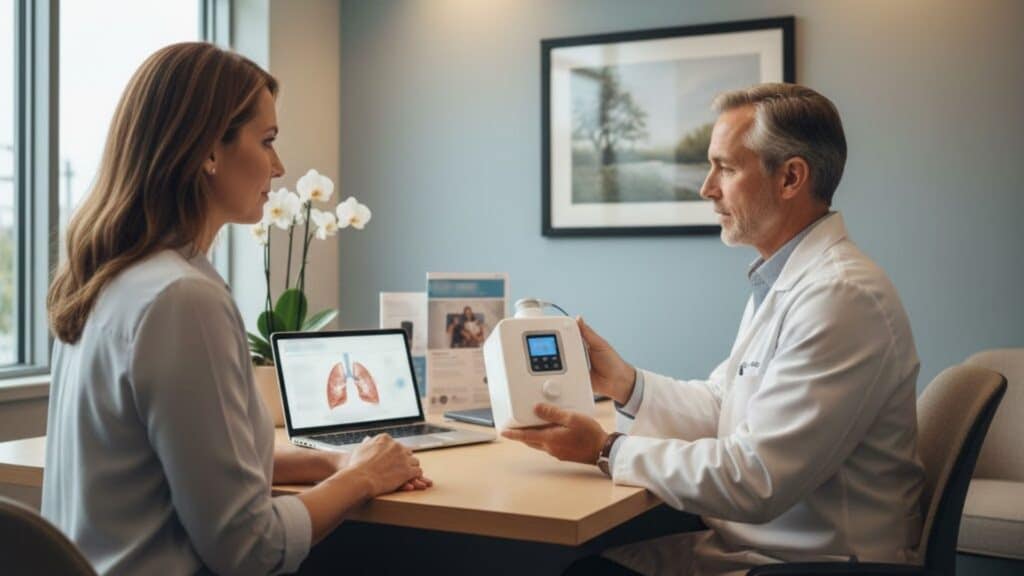
Your doctor can help you create a personalized treatment plan that fits your lifestyle and health needs. Most people see significant improvement once they start treatment and stick with it consistently.
Treatment Options Available
Doctors have several effective treatments to help you breathe better and sleep more soundly at night. The right treatment depends on how severe your sleep apnea is and what’s causing it. Here are the main treatment options your doctor might recommend:
| Treatment | How It Works | Best For | Effectiveness |
|---|---|---|---|
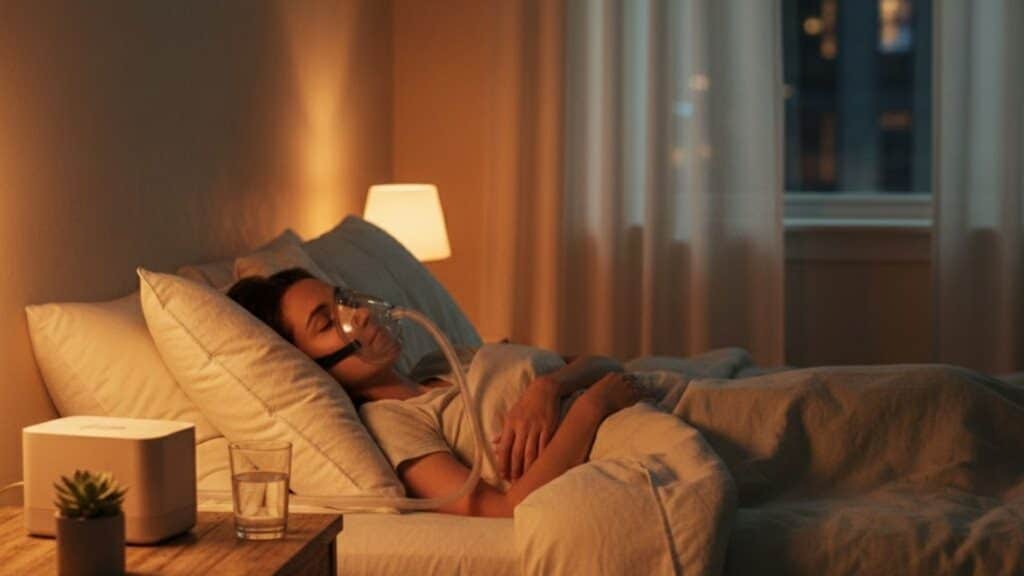
| CPAP Machine | Delivers steady air pressure through a mask to keep the airway open | Moderate to severe OSA | Highly effective; requires nightly use; adjustment period needed |
| BiPAP/APAP Machines | Provides varying air pressure levels that adjust to breathing patterns | Complex cases or CPAP-intolerant patients | More advanced than CPAP; adjusts pressure automatically; requires prescription |
| Oral Appliances | Dental devices reposition the jaw and tongue forward | Mild to moderate OSA | Custom-fitted by a dentist, an effective alternative to CPAP for some patients |
| Positional Therapy | Devices or techniques keep you sleeping on your side | Position-dependent sleep apnea | Effective when apnea occurs mainly on the back, a simple non-invasive option |
| Inspire Therapy | An implanted device stimulates the nerve to keep the airway muscles active | Moderate to severe OSA; CPAP failures | Requires surgery for implant; effective for selected candidates only |
| Surgery | Removes tissue, enlarges the airway, or repositions the jaw | Severe cases when other treatments fail | Invasive option; variable success rates; recovery time required |
Working closely with your doctor helps you find the treatment that gives you the best results. Many people try multiple approaches before finding the combination that works perfectly for their situation.
What Happens If Sleep Apnea is Left Untreated?
Ignoring sleep apnea doesn’t make it go away; it actually makes everything worse over time. Your body needs oxygen-rich sleep to function properly, but sleep apnea prevents that every night.
Without treatment, you face serious health risks like heart disease, high blood pressure, stroke, and type 2 diabetes. Your heart works overtime trying to compensate for the lack of oxygen during those breathing pauses.
Beyond physical health, untreated sleep apnea destroys your quality of life in other ways, too. You’ll struggle with constant exhaustion that makes even simple daily tasks feel overwhelming.
Your mental health suffers as depression and anxiety become more common with chronic sleep deprivation. Memory problems and trouble concentrating at work or school become your new normal frustratingly quickly.
The Bottom Line
Managing sleep apnea requires understanding your body and being willing to make meaningful changes when needed.
Whether through lifestyle adjustments, medical devices, or professional treatment, there are options to help you breathe easier.
I’ve seen that ignoring the question “does sleep apnea go away?” without taking action rarely leads to improvement. Your sleep quality directly affects your energy, mood, focus, and overall health every single day.
Taking control of your sleep apnea means taking control of your life and future well-being. Don’t wait until the condition causes serious complications that could have been prevented earlier.
I believe small steps today lead to dramatically better sleep and health tomorrow. What changes will you make tonight? Share below!