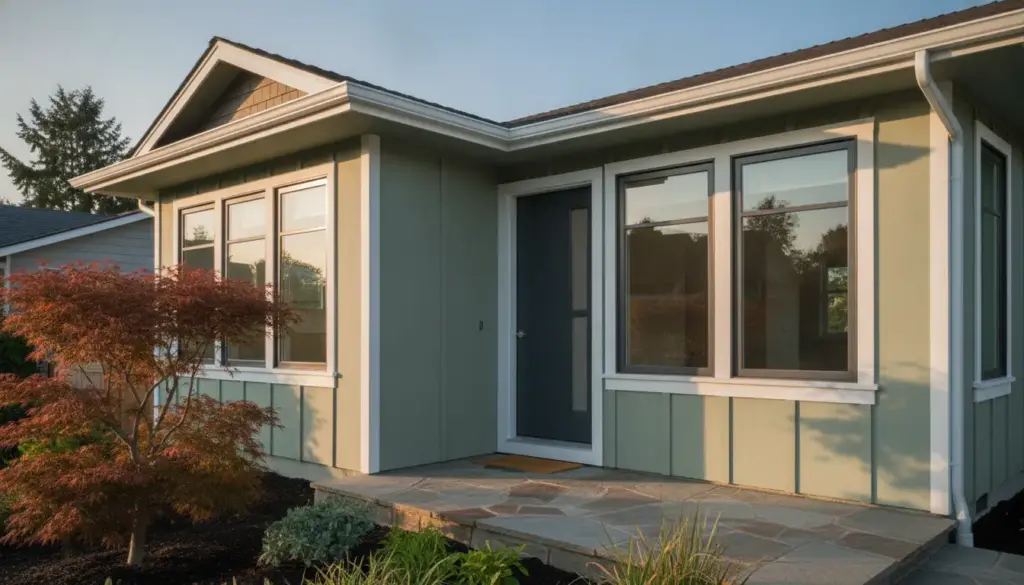
A home can look perfectly maintained and still feel uncomfortable in ways that are difficult to explain. One room stays warmer than the others, outside noise seems unusually noticeable, or a closed door still allows a faint draft around the frame. When problems begin appearing around several openings, turning to professional window and door services in Tampa can help address these issues as part of a more coordinated approach rather than treating every window and entrance as an unrelated project. Coordinating these improvements can create a more consistent balance between comfort, appearance, security, and everyday usability.
Your Home Gives You Clues Before Something Fails
Windows and doors do not have to be broken before they become candidates for replacement. Performance often declines gradually, which makes the warning signs surprisingly easy to get used to.
A window that becomes increasingly difficult to open may simply become the window nobody uses. A door that sticks during certain times of the year might become another minor household annoyance. Drafts are sometimes solved temporarily by adjusting the thermostat.
Individually, these inconveniences can seem insignificant.
When several begin happening at once, however, they may indicate that older openings are no longer performing as effectively as the rest of the home.
Pay attention to rooms that feel noticeably different, visible deterioration around frames, condensation where it did not previously occur, difficult operation, recurring drafts, or changes in outside noise.
The house may be telling you where an upgrade would make the greatest difference.
Windows and Doors Share More Than a Wall
Homeowners often plan window replacement and door replacement separately because the products look completely different. From a performance perspective, however, they have plenty in common.
Both interrupt the solid exterior walls of the house.
Both need to create an effective transition between indoor and outdoor conditions. And both depend heavily on accurate sizing, good materials, appropriate glass, dependable hardware, and proper sealing.
This means improving one while ignoring a poorly performing opening immediately beside it may leave part of the original problem unresolved.
Imagine replacing several aging windows in a living area while keeping an exterior door that allows noticeable air movement around its frame. The room may improve, but the weak point has not disappeared.
Looking at openings together makes it easier to identify priorities rather than automatically replacing whatever happens to attract attention first.
The Best Upgrade Might Not Be the Most Obvious One
There is a tendency to start with the largest or most visible feature, but appearance should not be the only factor determining the order of a project.
Instead, think about where daily frustration is greatest.
Perhaps afternoon sunlight makes one room difficult to keep comfortable. Maybe a frequently used entrance requires an extra push every time it closes. A bedroom window could be allowing more outside noise than expected, while an old patio entrance makes moving between indoor and outdoor areas awkward.
These details help create a practical order of importance.
Some homeowners may decide to replace several openings at once for visual consistency. Others may find that a phased approach makes more sense financially.
There is nothing wrong with improving the home gradually when the plan has been thought through from the beginning.
The Front Entrance Has Two Very Different Jobs
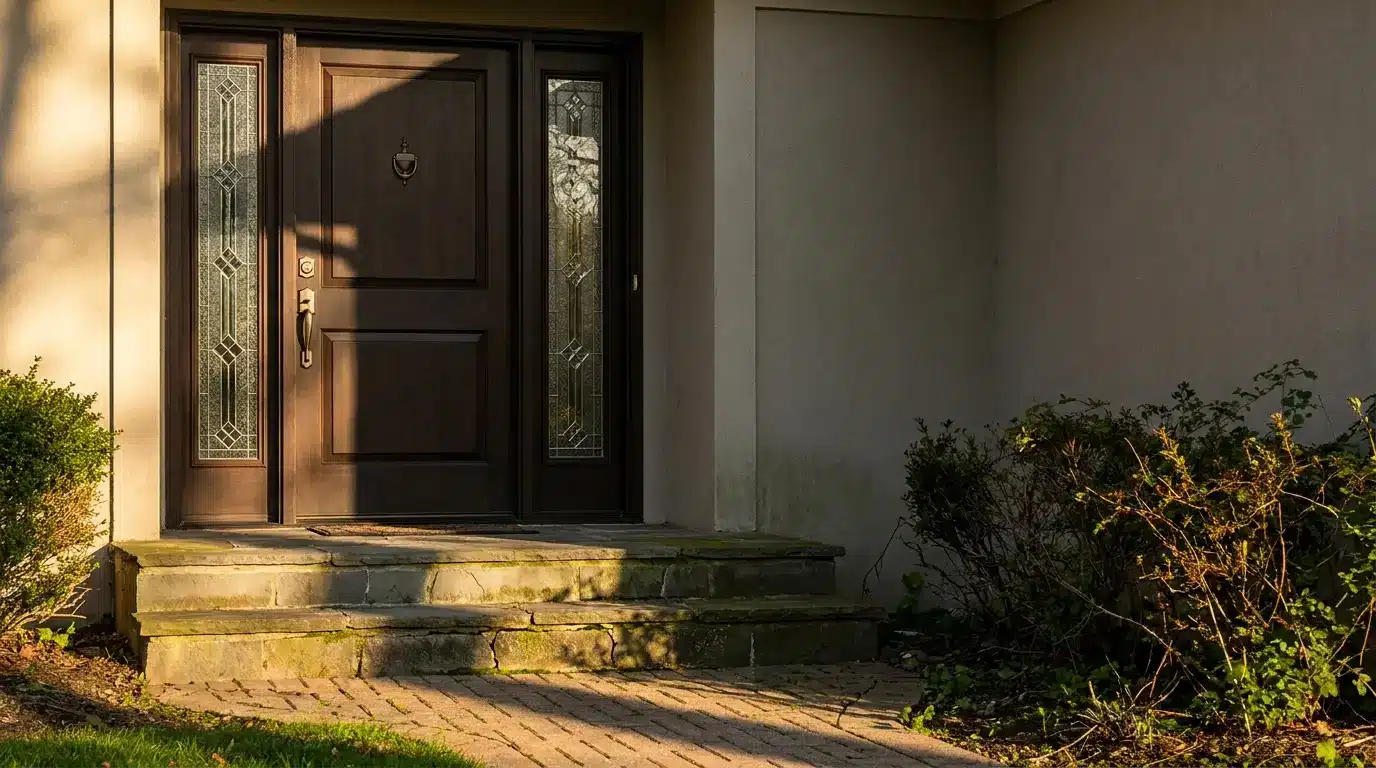
An entrance is one of the first architectural details visitors notice, so homeowners understandably spend considerable time thinking about style.
But the best-looking option still has to work every single day.
A frequently used exterior entrance needs dependable hardware, smooth operation, proper alignment, an effective seal, and materials suited to regular exposure. Security also matters because this opening serves as one of the primary access points into the home.
This is where design and performance should meet rather than compete.
Color, panel configuration, decorative glass, sidelights, and hardware can all contribute to curb appeal, but those decisions should sit alongside practical questions about durability and operation.
A beautiful entrance should still feel solid when it closes.
Every Doorway Does Not Need the Same Solution
The front entrance, back entrance, and opening leading to a patio may all have very different requirements, which is why product selection should begin with how each area is actually used.
Options such as EcoView door installation in Providence may include fiberglass entry systems, sliding doors, and patio configurations. The best choice depends on the needs of the individual opening rather than on one style being universally better.
A main entrance may prioritize security and architectural character.
A patio opening may place more emphasis on natural light, views, and convenient movement between spaces.
A secondary exterior doorway might require simplicity, durability, and easy maintenance above everything else.
Selecting by function first makes the design process considerably easier.
Glass Can Change the Personality of a Room
Replacing an opening is also an opportunity to reconsider how daylight interacts with the interior.
Windows obviously play the largest role, but doors with glass panels, sidelights, or large glazed areas can also make a significant difference.
A darker room may benefit from more natural light. Elsewhere, homeowners may want greater privacy or better control over intense sunlight.
The right decision depends on the room rather than a universal formula.
Think about where the sun appears throughout the day, how furniture is arranged, whether privacy is important, and how frequently the space is occupied.
The same glass configuration that feels perfect in an open living space might make little sense beside a private bedroom.
Good design responds to the life happening behind the glass.
Accurate Measurements Matter More Than Exciting Features
It is easy to become focused on frame colors, decorative panels, glass packages, and hardware finishes. None of those choices can compensate for a poorly fitted product.
Precise measurement is one of the least glamorous parts of the project, but it influences almost everything that follows.
An opening needs to accommodate the new unit correctly so that it can be installed, aligned, sealed, and operated as intended.
This becomes especially important in older properties, where openings may not be as perfectly square or uniform as homeowners expect.
Professional installation also matters after the product arrives.
Even a high-quality window or door can underperform when gaps, alignment problems, or installation errors interfere with the finished result.
The product and the installation should therefore be evaluated together.
Let the Interior Influence Exterior Decisions
Windows and doors are exterior features, but much of their impact is experienced from inside the home.
Before choosing a style, stand in the room and look outward.
Will a different window configuration affect furniture placement? Could a larger glass area improve the view? Will the direction of a swinging door interrupt traffic? Would a sliding configuration make better use of limited floor space?
These are everyday questions rather than technical ones, but they can determine how satisfied you are with the finished project.
An upgrade should complement the way the home already functions or solve something that currently feels awkward.
Otherwise, it may simply replace an old product with a newer version of the same inconvenience.
Make the Whole House Feel More Deliberate
The most successful exterior upgrades rarely feel isolated once they are finished. They make the house seem more cohesive.
Window frames relate better to architectural details. Entrances complement the overall style. Hardware feels intentional. Rooms become easier to use, and troublesome openings stop demanding attention.
That does not require replacing every window and door at the same time.
It requires thinking about them together.
Start by identifying where comfort, operation, appearance, or security is falling short. Consider how different openings interact with the same rooms. Prioritize according to real household needs, then choose products and installation methods that support those goals.
Windows and doors may occupy separate openings, but they contribute to the same home. Planning them as parts of one system can lead to improvements that feel far more complete than addressing each problem in isolation.