Choosing bedding can be confusing when terms such as coverlet, bedspread, quilt, and comforter are used interchangeably.
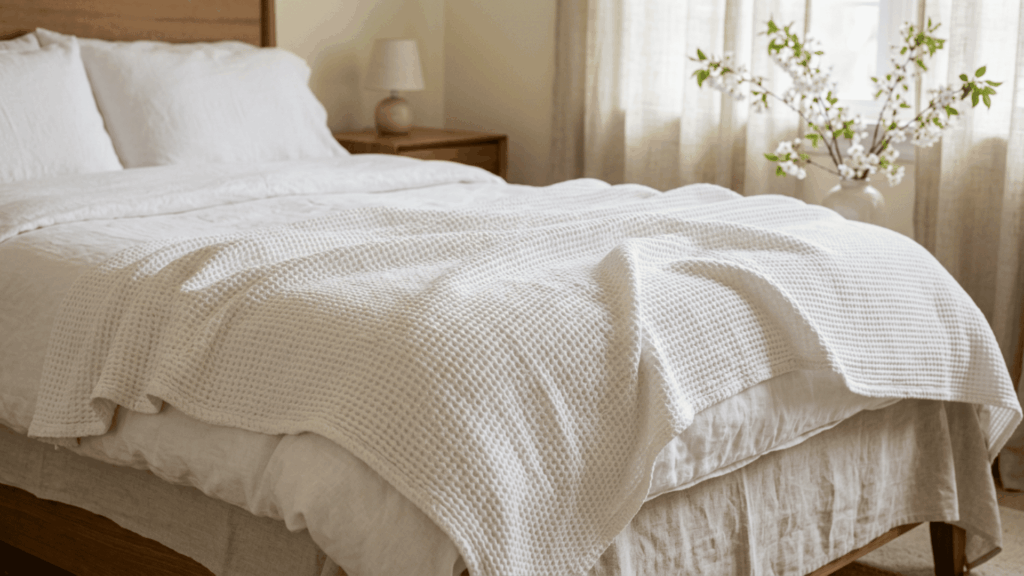
So, what is a bed coverlet? It is a lightweight bed covering that can sit over sheets, under a comforter, or on top of other bedding.
A coverlet usually provides less warmth than a comforter and has a shorter drop than a traditional bedspread.
Keep reading to learn how coverlets work, how to use them, and how they compare with other bed covers.
What is The Purpose of a Coverlet?
A coverlet adds warmth without making the bed feel bulky. Its thinner construction makes it useful for sleeping in warmer weather and layering during cooler seasons. Common ways people use coverlets include:
- Warm-Weather Bedding: Use it over sheets when a comforter feels too heavy.
- Extra Bedding Layer: Place it between sheets and a duvet or comforter for added warmth.
- Top Bed Layer: Spread it over thicker bedding to give the bed a flatter appearance.
- Foot-Of-Bed Layer: Fold it across the bottom of the bed so it is ready when extra warmth is needed.
- Guest-Room Bedding: Its lightweight design makes it easy to arrange and switch between guests.
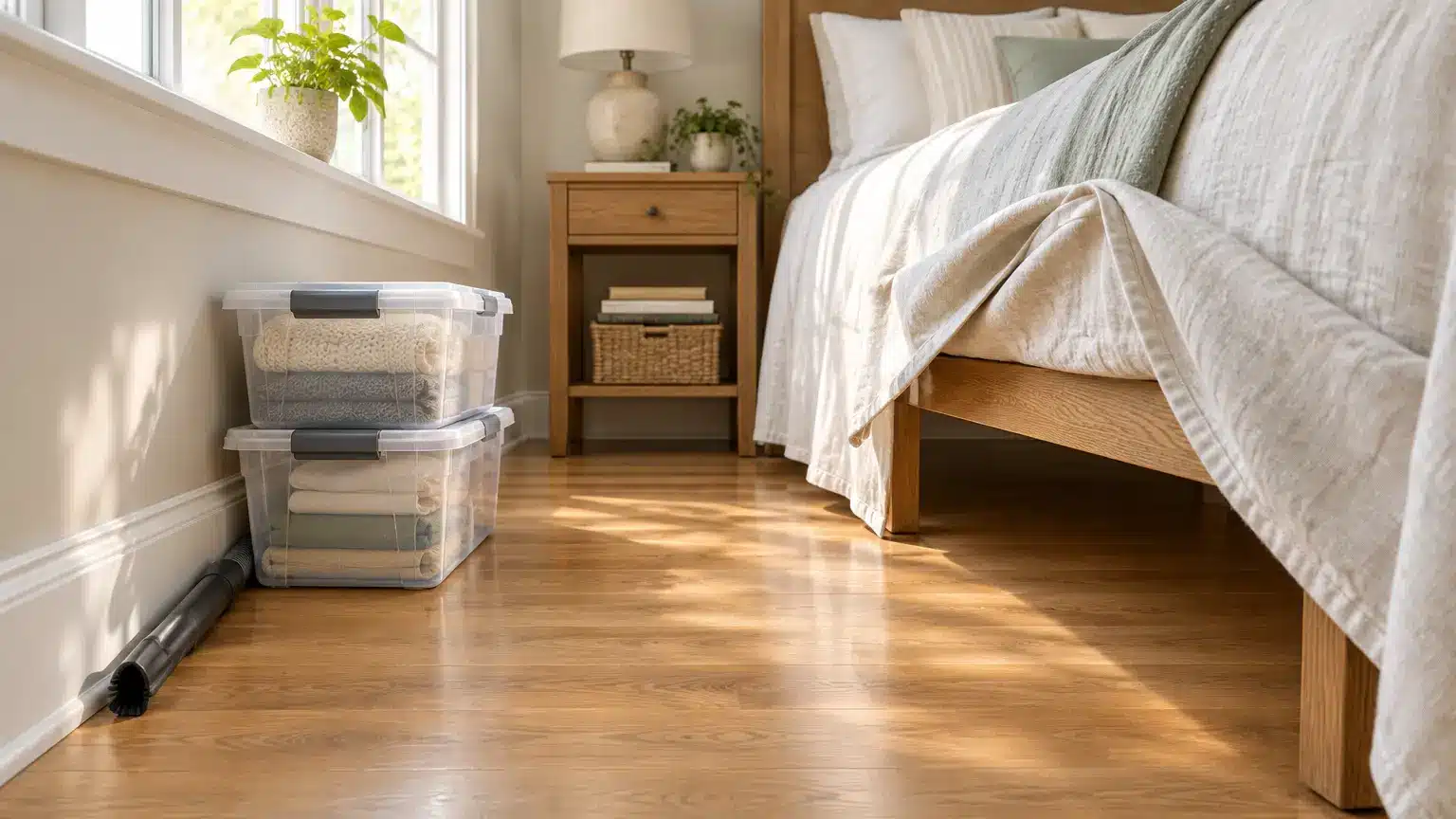
Note: Coverlets also take up less storage space than thick comforters or duvets.
Can a Coverlet Replace a Comforter?
A coverlet can replace a comforter during warmer months if light bedding feels comfortable enough.
It does not contain the thick insulating fill commonly found inside a comforter, so it usually provides less warmth.
In colder months, you can use both pieces together. A comforter provides the main warmth, while a coverlet can be placed above or below it as an additional layer.
People who tend to sleep warm may also prefer a coverlet as their main bed covering for more of the year.
How Do You Choose The Right Coverlet Size?

Choosing the right coverlet size depends on the mattress dimensions, mattress depth, and preferred amount of coverage.
- Measure The Mattress: Check the width, length, and depth before selecting a coverlet.
- Consider The Drop: Decide how far the coverlet should hang over each side of the mattress.
- Check Mattress Depth: A deeper mattress may require a wider coverlet for adequate side coverage.
- Consider The Bed Frame: Platform beds, tall frames, and other designs can affect how the coverlet sits.
- Compare Actual Dimensions: Check the listed measurements rather than relying solely on twin, queen, or king labels.
- Choose the Preferred Look: A shorter drop creates a layered appearance, while a longer drop provides more coverage.
What Materials are Coverlets Made From?
Coverlets come in several materials, with cotton and linen among the common choices. The fabric affects how the coverlet feels, washes, and sits on the bed.
Cotton coverlets can feel breathable and work well for regular use. Linen is also breathable and has a naturally relaxed texture.
Some coverlets use fabric blends, while others have quilted or woven patterns. The construction matters too. A coverlet is generally thinner than a quilt because it does not usually contain the thick middle batting found in traditional quilts.
What Reddit Users Say About Coverlets
People on Reddit shared different ways they use coverlets based on the season and how warm they sleep. Here are three useful experiences from the discussion.
This user sees a coverlet as a light layer that adds a little warmth without feeling heavy. They also find it suitable for summer in a warmer bedroom.
“Summer doona with a coverlet in summer. All seasons doona for spring and autumn with a coverlet. Winter doona in winter with a comforter.”
This reviewer uses a coverlet across several seasons by pairing it with different bedding. It works as an extra light layer when the temperature changes.
“I tend to layer as you can always take one layer off if you get too hot. But if you just have one quilt, you’re stuck with that or nothing.”
This user prefers layered bedding because it gives more control over warmth. A coverlet fits this setup well since it can be added or removed easily
Bedspread vs Coverlet: Key Differences
Understanding the differences between these two bedding options can make shopping easier.
| Feature | Bedspread | Coverlet |
|---|---|---|
| Coverage | Covers most of the bed, including the sides | Covers mainly the top surface of the bed |
| Size | Larger with more fabric and longer drop | Smaller and lighter |
| Main use | Used as a full bed covering | Used as a light bedding layer |
| Warmth | Provides medium warmth | Provides light warmth |
| Style | Creates a fully covered bed look | Creates a simple layered look |
Should You Choose a Coverlet or Bedspread?
Compare bedspreads and coverlets based on comfort, coverage, and everyday bedding needs.
The right choice between a bedspread and a coverlet depends on how you use your bed, room temperature, and preferred comfort level.
- Choose a Bedspread if You Want Full Coverage: A bedspread is a good choice for people who prefer a fully covered bed with a neat appearance. It works well for guest rooms and traditional bedroom setups.
- Choose a Coverlet if You Prefer Lightweight Bedding: A coverlet is ideal for people who prefer light, easy-to-handle bedding. It works well in warm rooms and can be layered with blankets when needed.
Coverlet vs Quilt vs Comforter: Key Differences
A coverlet, quilt, and comforter can all be used as top bedding layers, but they differ in weight, construction, and warmth.
| Feature | Coverlet | Quilt | Comforter |
|---|---|---|---|
| Construction | Usually woven or lightly quilted | Made with a top layer, batting, and backing | Outer shell filled with insulating material |
| Weight | Lightweight | Medium weight | Heavier |
| Warmth | Light warmth | Moderate warmth | More warmth |
| Best use | Warm weather and layering | Everyday use and mild weather | Colder rooms and nights |
| Look | Flat and neat | Textured and stitched | Puffy and fuller |
| Layering | Easy to layer with other bedding | Can be layered or used alone | Often used as the main warm layer |
What is a Matelassé Coverlet?
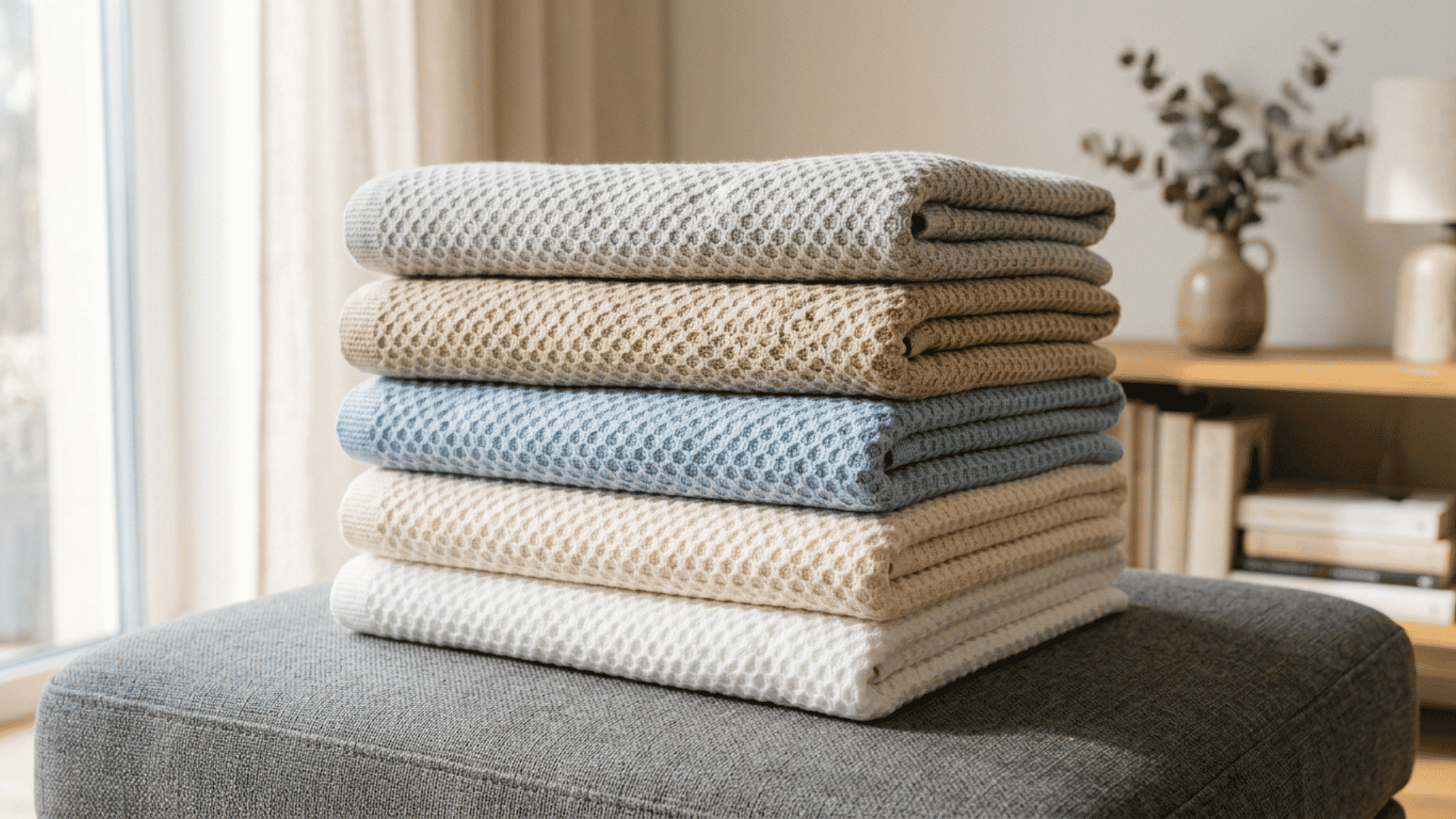
Matelassé is a woven fabric with a raised surface that can look similar to quilting. The texture comes from the weaving method rather than from thick padding inside the fabric.
Cotton is a common material, though some options use fabric blends. Patterns can include florals, geometric shapes, or simple raised designs.
A matelassé coverlet works well as a light bed layer in warm weather or as an extra layer during cooler months.
It is also easy to fold and store compared with bulkier bedding. Many options are machine washable, but always check the care instructions before washing.
How Do You Wash and Care for a Coverlet?
Care needs depend on the fabric and construction, so always check the care label first.
- Check The Label: Follow the washing and drying instructions listed for the specific fabric.
- Use a Gentle Cycle: Many machine-washable coverlets do well with a gentle wash cycle.
- Choose Mild Detergent: A mild detergent can help protect the fabric and texture.
- Dry With Care: Some coverlets can be tumble dried on low, while others may need air drying.
- Wash Based on Use: A coverlet used for sleeping may need washing more often than one used mainly for styling.
Conclusion
A coverlet is a lightweight bed covering that can be used alone, layered with other bedding, or folded at the foot of the bed.
It provides less warmth than a comforter and usually has a shorter drop than a traditional bedspread.
Its light construction makes it useful across different seasons, especially for people who like flexible bedding layers.
Knowing how coverlets differ from quilts, comforters, and bedspreads can make choosing bedding much easier. Do you have a favorite way to use a coverlet? Comment below and share it.
Frequently Asked Questions
Does a Coverlet Go Over or Under a Comforter?
A coverlet can go either over or under a comforter. Place it over the comforter for a neat, layered look, or underneath it when you need an extra light layer of warmth.
Do Bedspreads Need a Bed Skirt?
Most bedspreads do not need a bed skirt because they already provide extra coverage around the bed.
Are Coverlets Suitable for Guest Rooms?
Yes, coverlets are a practical choice for guest rooms because they are lightweight, easy to arrange, and simple to maintain.