

In Grand Rapids, many homeowners learned a hard lesson during the stay-at-home period: their homes were not set up for full-time living. When work, school, workouts, and family time all happened under one roof, space ran out quickly.
Kitchen tables turned into desks. Bedrooms became offices. Basements filled with noise instead of storage bins. What once felt comfortable started to feel crowded and stressful.
This shift forced people to look closely at how they use every room. It raised simple but important questions. Does this space serve a purpose? Can it handle daily use? Can it offer privacy when needed? The stay-at-home era changed more than routines. It changed how homeowners in West Michigan think about square footage and long-term comfort.
Spare Rooms With a Real Job
Before the stay-at-home shift, many spare bedrooms sat unused most of the year. They served guests a few times annually and stayed closed the rest of the time. That changed quickly. Families needed quiet rooms for work calls and online classes. Privacy became necessary, not optional.
Homeowners began turning guest rooms into offices or study spaces. Some added better doors to block sound. Others upgraded lighting and internet access to support long workdays. Furniture also changed. Large beds made way for desks and storage. Today, people design spare rooms with daily use in mind. A room should serve a clear purpose. If it does not, homeowners now see it as wasted space that could support work, learning, or personal projects.
Basements Turned Into Living Space
Unfinished basements once stored boxes and seasonal items. During extended time at home, families looked at that unused square footage differently.
They saw an opportunity. Instead of letting it sit empty, many explored ways to make it functional. People hired local Grand Rapids basement finishing professionals to turn their basements into home offices, workout rooms, kid-friendly play areas, and comfortable family spaces.
A finished basement offers separation without requiring a larger home. It can host guests, support remote work, or give teenagers space of their own.
Moisture control and proper flooring became key concerns because basements can feel damp if you ignore those basics. Homeowners wanted comfort and durability, not a quick makeover. The shift showed that lower levels are not secondary spaces. They can support real daily life when the design matches how a family actually lives.
Privacy Became Non-Negotiable
When several people share one home all day, noise and distraction become serious problems. Open floor plans look great, but they do not always support focus. During the stay-at-home period, many families struggled with overlapping video calls and constant background noise. This created stress and reduced productivity.
As a result, homeowners began to value enclosed spaces more than before. Solid doors, finished lower levels, and separate rooms gained importance. Some even added temporary walls or dividers to create quiet zones.
Privacy now ranks high on the list of renovation goals. People want clear boundaries between work and personal life. A home should allow someone to step away from activity and focus without interruption. That lesson continues to shape home updates today.
Outdoor Areas Became Everyday Living Zones
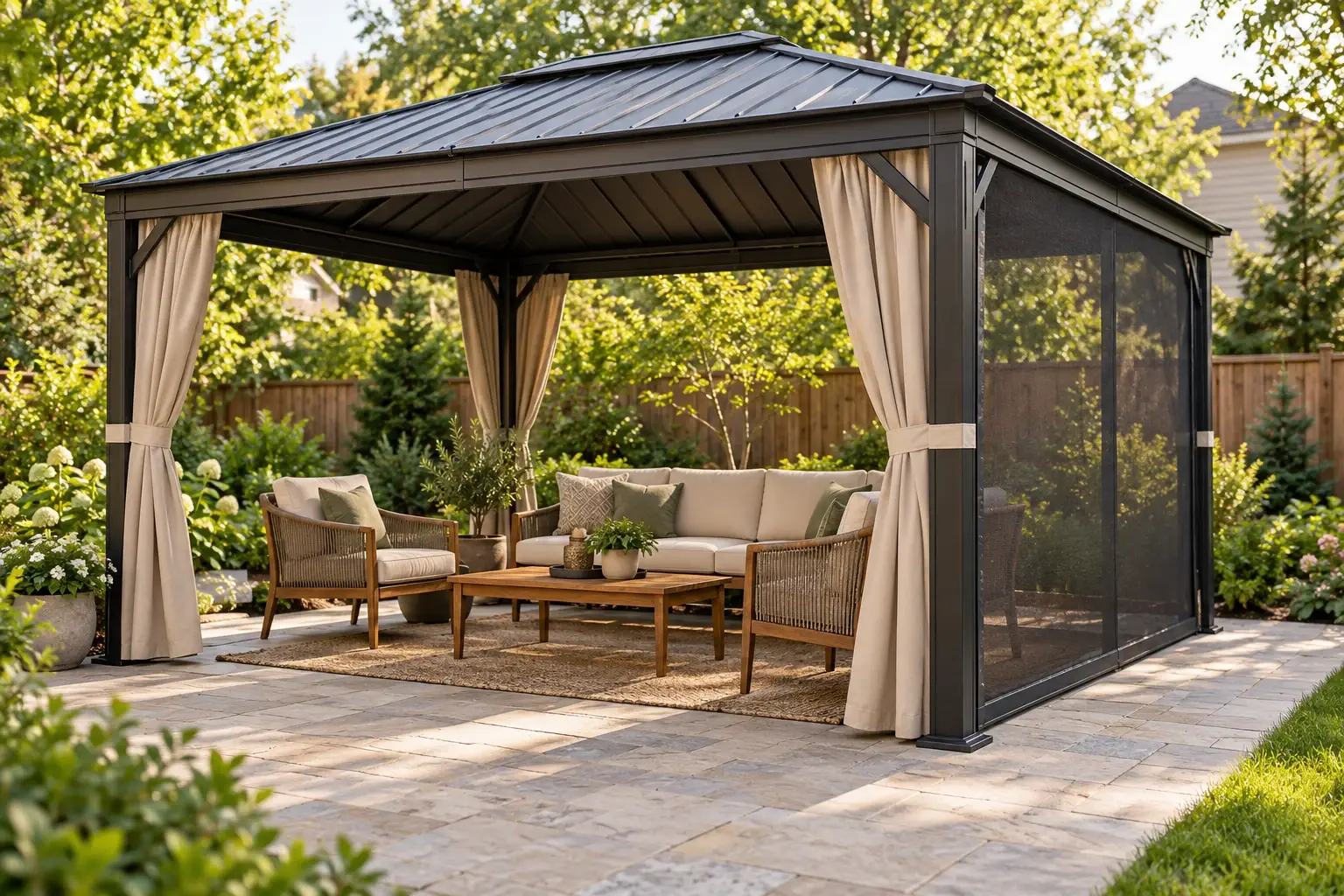
During the stay-at-home period, patios, decks, and backyards became part of daily life. People needed fresh air and safe ways to gather. In Grand Rapids, where summers are mild and enjoyable, many families upgraded outdoor spaces to make them more comfortable.
They added seating, outdoor lighting, and weather-friendly materials. Some installed pergolas or covered patios to extend use beyond sunny days.
Spending time outside also supports mental health and reduces stress. That benefit became clear when indoor routines felt repetitive. As a result, homeowners now view outdoor areas as true living space rather than seasonal extras. When planning updates, many include outdoor improvements alongside interior changes to support year-round comfort and flexibility.
Home Fitness Found a Permanent Spot

When fitness centers closed or reduced hours, many people built exercise routines at home. Living rooms and spare corners filled with mats, weights, and bikes. This shift showed that workouts require space, storage, and proper flooring. Hard surfaces can increase noise and strain joints, so homeowners began thinking more carefully about setup.
Basements and garages often became long-term fitness areas because they offer separation and durability. Good ventilation and lighting also matter for safe workouts. Even after gyms reopened, many kept their home setups for convenience.
Short workouts fit better into busy schedules when equipment sits just a few steps away. Today, buyers and renovators often look for space that can support health routines without disrupting the rest of the home.
Storage Moved to the Top of the List
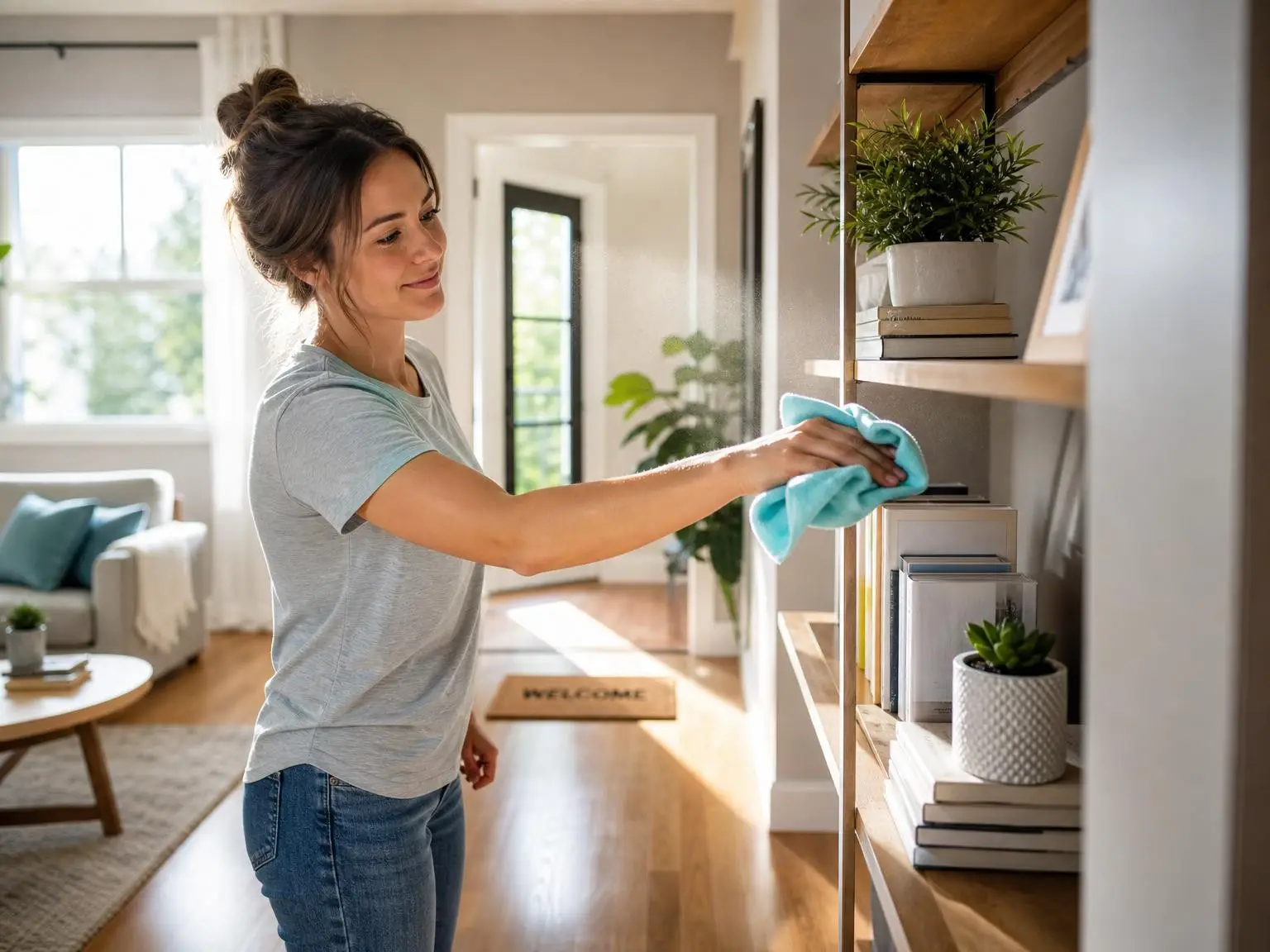
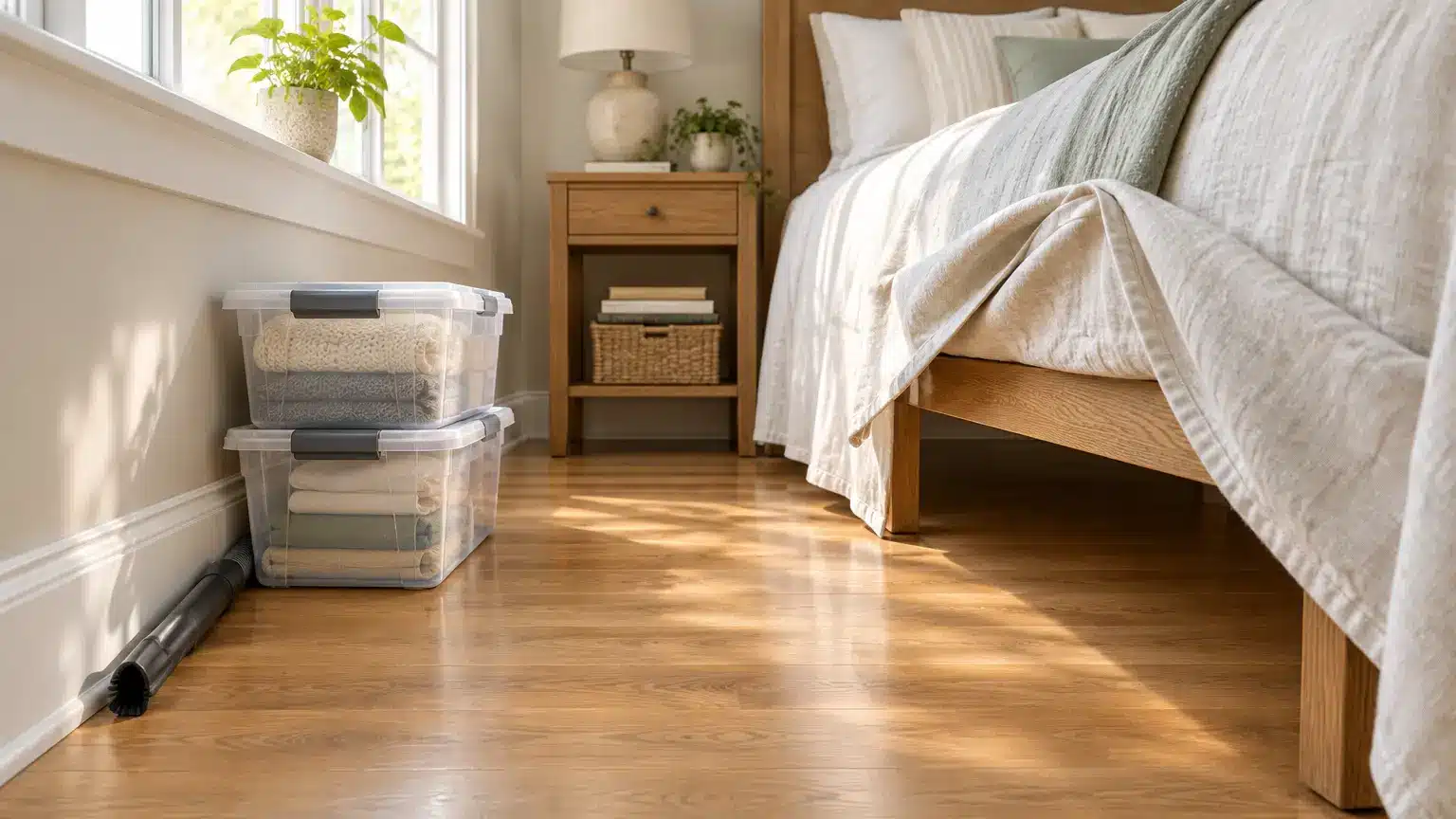
Spending more time at home made clutter harder to ignore. Families noticed crowded closets, packed cabinets, and unused corners. When every room served multiple purposes, storage had to work harder. Homeowners began adding shelving, built-in units, and better closet systems to keep items organized.
Smart storage reduces stress and saves time. When supplies, paperwork, and daily items have a clear place, rooms feel calmer and easier to use. Many people also learned to reduce what they keep.
They donated items that no longer served a purpose. Instead of hiding clutter in basements or garages, they focused on practical solutions. Storage now plays a central role in renovation plans because organized homes support smoother daily routines.
The stay-at-home era changed how people view their homes. It exposed weak spots in layout, storage, and privacy. It also highlighted the value of flexible design and unused space. Kitchens, spare rooms, basements, and outdoor areas all took on new roles.
Homeowners now ask practical questions before making updates. Can this room support daily work? Does it offer privacy when needed? Does it reduce clutter and stress? These lessons continue to guide renovation decisions.
Square footage alone no longer defines comfort. How that space functions each day matters more. The homes that adapt well will continue to meet changing needs long after that unusual period has passed.