



Couples rarely age in an identical manner, even after decades of shared habits, meals, and medical decisions. One partner may need transfer help, medication cues, or dementia supervision while the other remains active. A thoughtful senior living plan protects the relationship without ignoring clinical risk. Families should compare care levels, staffing patterns, safety features, and future support before a crisis forces a rushed move.
Shared Care Needs
A couple may share an address while living with very different health profiles. Families reviewing Memphis senior living should ask how assisted living, memory support, wellness checks, dining, and activities coordinate daily care. That model can let one partner receive hands-on help while the other lives nearby and keeps familiar routines.
Independent Living Together
Independent living fits couples who manage bathing, dressing, medication, and mobility with little direct assistance. Services often include meals, housekeeping, maintenance, transportation, and planned activities. That support removes household strain without turning daily life into a clinical setting. If mild needs appear, families should ask whether paid personal care can be added before the next step or a more major move becomes necessary.
Assisted Living for One Partner
Assisted living can support one spouse with bathing, dressing, medication reminders, transfers, or fall prevention. The other partner may remain in the same residence with fewer services. This works best when staff create separate care plans for each individual and reassess them regularly. Families should review billing, privacy, response times, and emergency procedures before signing an agreement.
Memory Care Considerations
Memory care may be appropriate when dementia affects judgment, orientation, sleep, or safe eating. It also helps address the risk of wandering. Some couples benefit from nearby rooms, shared meals, and structured visits. Others need separation at certain hours to reduce agitation or caregiver fatigue. Families should observe staff tone, security practices, activity pacing, lighting, and noise levels during a tour.
Continuing Care Settings
Some communities provide several support levels on one campus. That arrangement can reduce relocation stress if one partner later needs higher supervision. A continuing setting may include independent living, assisted living, memory care, or access to skilled nursing. Families should confirm which services are onsite, which require transfer, and how reassessments occur after hospitalization or functional decline.
Apartment and Room Choices
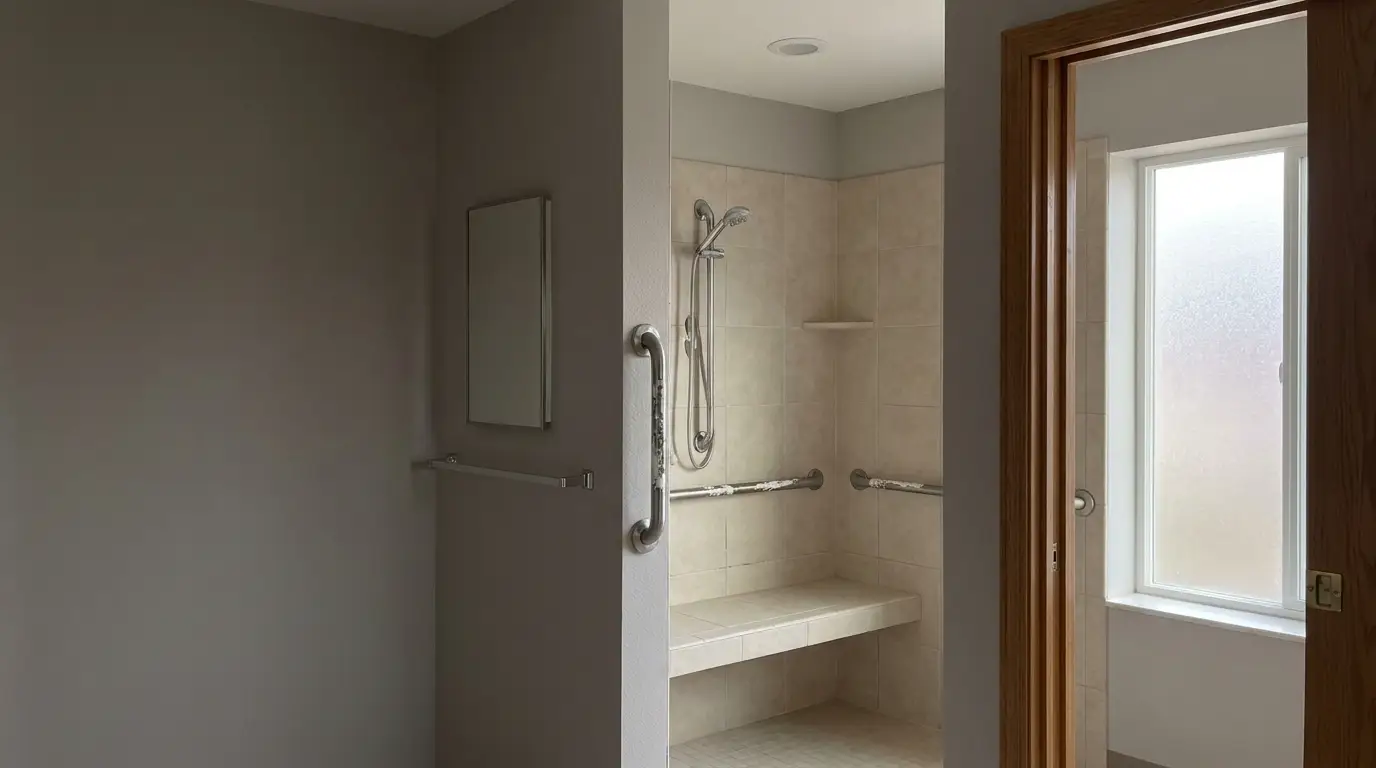
Floor plans affect sleep, movement, dignity, and safety. A shared apartment may preserve normal routines, while separate rooms can facilitate the use of medical equipment, promote better rest, or support privacy needs. Wide doorways, accessible showers, grab bars, call systems, and clear walking paths deserve close attention. Tours during meals or shift changes can reveal traffic flow and staff availability.
Care Assessments
A thorough assessment should evaluate both partners, even if one appears healthier. Staff should review cognition, gait, strength, continence, nutrition, medication use, chronic illness, mood, and social habits. Families can bring physician notes, therapy records, discharge paperwork, and pharmacy lists. Accurate information helps create better service plans and more reliable cost estimates.
Cost Planning
Costs often differ because each partner may receive a different level of care. One spouse may pay mostly for housing, meals, and community services. The other may need personal assistance, memory support, medication help, or incontinence supplies. Families should request written pricing for base rent, second-person fees, care packages, reassessment changes, and refund terms.
Daily Life Together
Clinical support matters, but daily rhythm matters, too. Couples still need appetizing meals, quiet time, access to spiritual activities, family visits, hobbies, and meaningful choices. Shared activities can protect connection, while separate programs may match energy, cognition, or mobility better. A balanced schedule prevents one spouse from becoming only a caregiver inside the marriage.
Questions to Ask
Families should ask direct questions during tours.
- How are couples assessed?
- Can partners remain together if care needs differ?
- What happens after a fall, infection, hospital stay, or memory change?
- Are trained staff awake overnight?
- How often are plans reviewed?
Strong answers should be written, specific, and consistent across nursing, dining, and activity teams.
Signs a Move May Help
A move may help when home support no longer protects safety, nutrition, or caregiver health. Warning signs include missed medication, repeated falls, weight loss, confusion, unsafe driving, isolation, or exhaustion. Couples may also need more social contact after an illness or upon experiencing grief. Early planning gives families better choices than waiting for an emergency.
Conclusion
Couples with unequal care needs do not always need separate lives or hurried decisions. The right setting can preserve closeness while giving each partner appropriate support. Families should compare service levels, apartment layouts, memory care, staffing, costs, and daily routines before making decisions about senior living. Careful planning helps partners stay connected, respected, and safe as needs change, while assigning clear roles to relatives and offering families peace of mind.