
Your home is not just a place to sleep. It is a long-term financial instrument, a daily wellness environment, and one of the most consistent stores of value you will ever own.
There is a quiet logic to investing in the place you live. Unlike stocks, which can swing wildly on news cycles, or cars, which lose value the moment you drive them off the lot, your home tends to hold its ground — and then some. Whether you own or rent, the state of your living environment shapes your daily mood, your productivity, your stress levels, and your relationships. That influence is real and measurable. What is often overlooked, though, is how deliberate investment in your home pays back in ways that go far beyond aesthetics.
People spend a significant portion of their lives inside their homes. The quality of that space matters enormously.
The Space You Live in Shapes the Life You Lead
Psychologists have studied the relationship between environment and behaviour for decades. The findings are consistent: cluttered, poorly designed, or neglected spaces increase cortisol levels and reduce cognitive performance. Clean, well-maintained, thoughtfully arranged homes have the opposite effect. They support focus, improve sleep, and create conditions where people are more likely to cook at home, entertain, and simply feel better on an ordinary Tuesday.
This is not abstract. It is practical. A bedroom with good blackout curtains and a quality mattress produces better sleep. Better sleep produces better decision-making. Better decisions compound over time. The chain from home investment to life outcome is shorter than most people think.
Comfort is often dismissed as a luxury. In reality, it is infrastructure.
87%
of homeowners say renovations improved their daily quality of life
70%
of kitchen remodels recoup cost at resale on average
3–5%
average annual appreciation of residential property in stable markets
Financial Returns Are Real, Not Hypothetical
There is a common misconception that spending money on your home is just spending money. That frame misses the point entirely. Targeted home improvements — kitchens, bathrooms, energy systems, exterior kerb appeal — consistently add resale value that outpaces the original cost. The National Association of Realtors tracks this data regularly, and the patterns are stable across market cycles.
The Case for Kitchens and Bathrooms
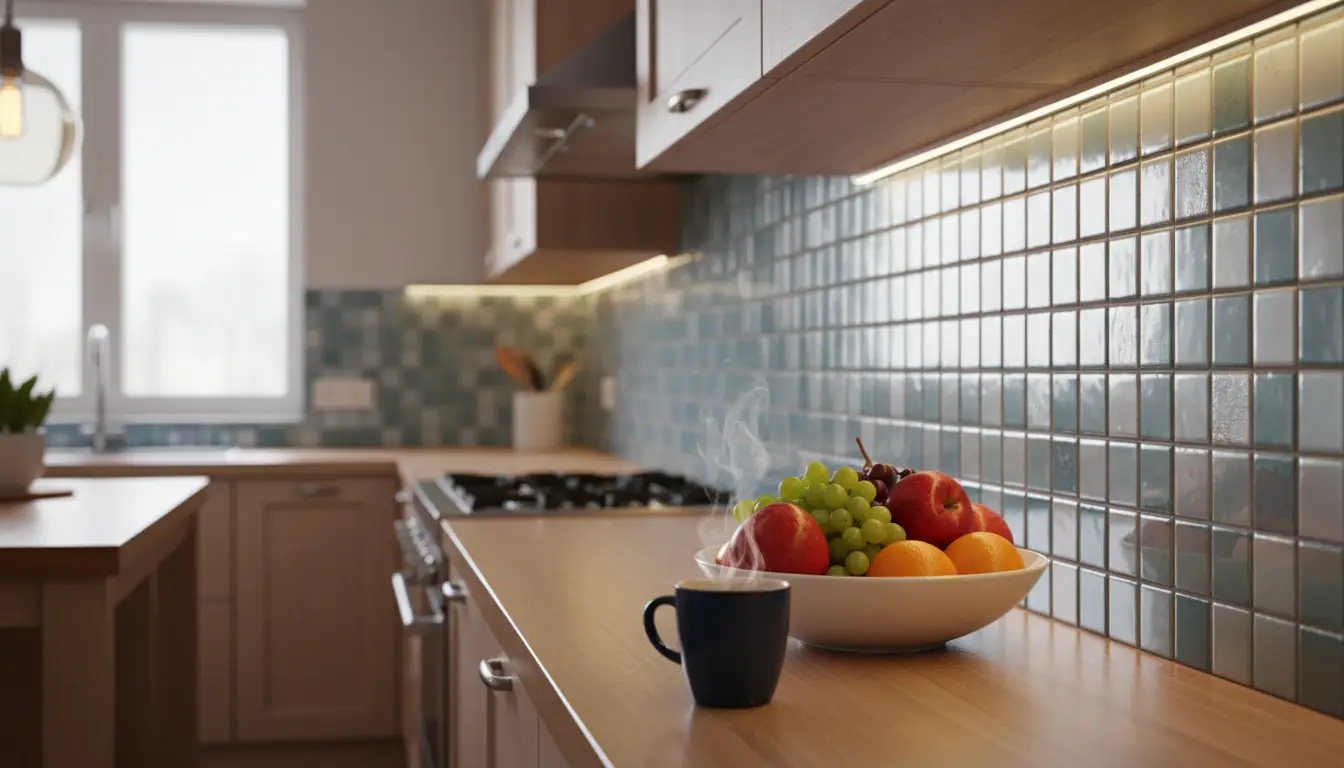
These two rooms return the highest percentage of investment at resale. A mid-range kitchen remodel typically recovers between 60 and 80 percent of its cost in added property value. A bathroom update often recovers even more in high-demand markets. That is before accounting for the years of daily enjoyment you extract from a well-designed space.
Energy efficiency upgrades — insulation, windows, heat pumps — are a special case. They lower monthly costs immediately and increase property value simultaneously. The return is double-sided and starts on day one.
Small Improvements Accumulate
Not every investment needs to be a full renovation. Fresh paint, new light fixtures, updated hardware on cabinets, landscaping — these incremental upgrades collectively shift how a property feels and how it is valued. Buyers notice the sum of many small details even when they cannot name any single one.
“A home that has been consistently cared for commands a premium. Not because buyers are sentimental, but because deferred maintenance is expensive — and everyone knows it.”
Unlocking Your Home’s Hidden Value: Equity as a Tool
For homeowners who have built up significant equity, the home itself becomes a financial resource — one that can fund further improvements in a way that is both strategic and tax-efficient. Many homeowners are unaware of how accessible this capital has become. It is now straightforward to apply for a home equity loan online through regulated lenders and credit unions, often with competitive rates and without the friction that used to make these processes burdensome.
The logic here is sound: borrowing against an asset at relatively low interest to fund improvements that increase that same asset’s value is one of the more rational financial moves available to homeowners. The key is specificity. Use the capital for upgrades with proven return — not speculative additions or depreciating purchases.
Equity-backed improvements also tend to be more considered. When you are investing real capital, you choose contractors more carefully, select materials with longevity in mind, and focus on changes that will matter in ten years rather than only today.
Worth knowing
Interest paid on home equity loans used for home improvements may be tax-deductible in certain jurisdictions. Speak with a tax advisor to understand what applies to your specific situation.
The Intangibles That Add Up
Financial returns are compelling, but they are not the whole picture. There are returns on home investment that do not show up on a balance sheet — at least not directly.
Reduced Stress, Consistently
A home with functioning systems, comfortable temperatures, and well-organised spaces removes a steady low-level source of stress that many people do not even recognise until it is gone. The dripping tap, the broken drawer, the dim hallway — individually minor, collectively draining. Addressing these is not indulgent. It is maintenance of your mental environment.
Stronger Relationships Within the Home
Shared living spaces shape how people interact. A kitchen designed for two people to cook together encourages collaboration. A dining table positioned away from the television invites conversation. A garden that is pleasant to sit in extends the hours families spend together outdoors. Design choices are also social choices.
Pride and Identity
There is genuine psychological value in living in a space that reflects who you are. It is not vanity — it is alignment. People who feel settled and proud of their home tend to invest more socially in their community, maintain their property more consistently, and experience higher overall life satisfaction. The data on this, from urban sociology and environmental psychology alike, is robust.
How to Think About Prioritising Improvements
Not all investment is equal. The framework for prioritising is fairly simple once you accept a few principles.
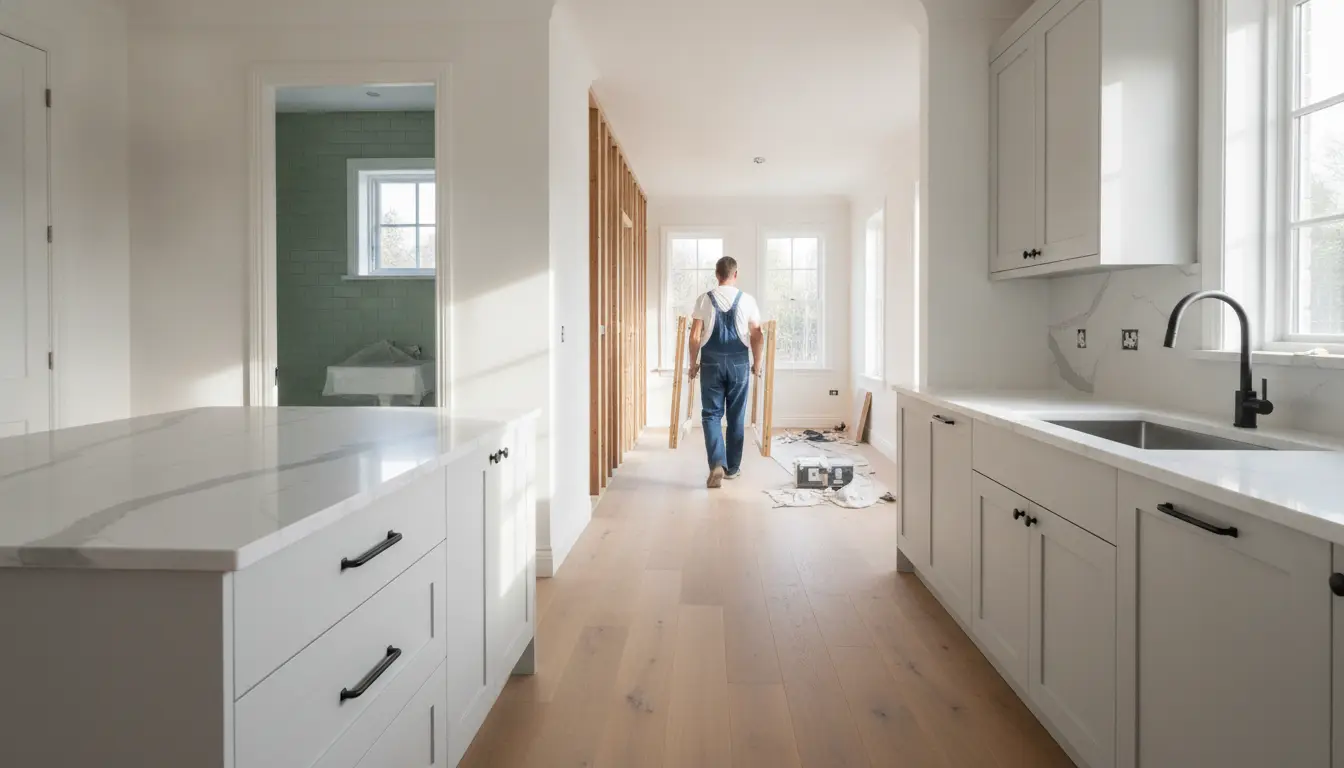
First, fix before you upgrade. Structural issues, roof condition, plumbing, and electrical systems take priority. No cosmetic improvement adds value on top of a leaking roof. Second, focus on spaces where you spend the most time. Your bedroom and main living area deserve investment before a guest room that sees visitors four times a year. Third, think in decades, not seasons. A quality hardwood floor installed thoughtfully will outlast three rounds of cheaper alternatives and look better throughout.
It also helps to separate improvements that serve you now from those that serve future buyers. Both matter, but the weighting depends on how long you plan to stay. If you are in a forever home, personal comfort weighs heavily. If you plan to sell within five years, buyer preferences should guide a larger share of your choices.
An Investment That Lives With You
Few financial decisions offer the combination of daily utility and long-term return that home investment provides. It is not passive. It requires attention, prioritisation, and the occasional willingness to spend money thoughtfully rather than reactively. But the results — financial, emotional, physical — are among the most tangible that personal finance can produce. Your home is where your life happens. Treating it as the serious asset it is may be one of the most grounded decisions you ever make.