
Living rooms take punishment. Daily foot traffic, children cutting corners, pets settling on the same spot every evening, weekend guests who don’t know where the rug ends. For homeowners thinking about resale or long-term value, the floor is not a comfort decision. It is a financial one.
Fibre type, construction method, backing quality, maintenance demand. All of it determines whether a floor supports or undermines the property’s value over time. Colour and texture are the last things to assess. Not the first.
How Flooring Material Affects Property Resale Value
Buyers notice floors before they notice walls. Worn, stained, or outdated surfaces signal neglect before a single room gets properly assessed. That first impression shapes the offer. Sometimes before the buyer has consciously registered why.
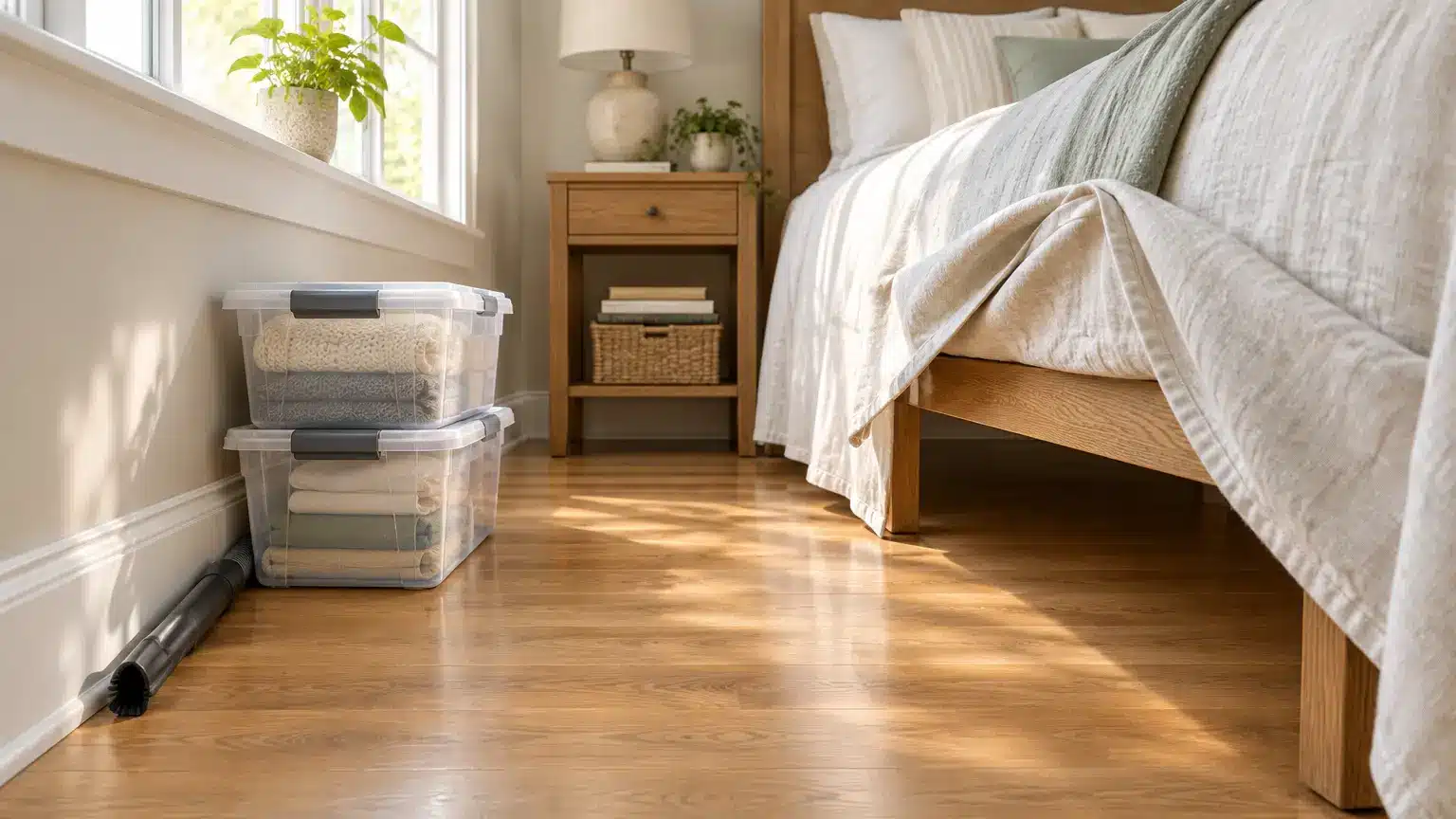
Hard-surface options appeal broadly in urban and suburban markets. A well-installed LVT or engineered wood floor reads as polished and low-maintenance to a wide buyer pool. Engineered wood handles temperature and humidity changes without shrinking or warping, which means it keeps its appearance longer than solid hardwood in most residential conditions.
Regional expectations vary. Midwest buyers often want carpet in living and sleeping areas. Warmth, acoustic comfort, the feel underfoot on a cold morning. A neutral, dense-loop or wool-mix twist carpet, freshly fitted and professionally cleaned, signals comfort without immediate replacement cost. Coastal markets lean toward hard-surface throughout main living zones. Allergy-friendliness and easier cleaning carry more weight there.
Appraisers look at floors carefully. Stained, matted, or visibly worn carpet produces value deductions regardless of how recently the kitchen was updated. Clean, correctly installed, long-lasting carpet positions a property as lower risk. Buyers stop calculating replacement costs into their offer.
Maintenance Cost Projections for Common Residential Flooring
Ten-year cost is the honest number. Carpet costs less to install. It requires periodic professional cleaning and carries shorter replacement cycles in high-traffic rooms, especially with pets or children in the household. Choosing a high-quality lvt flooring option costs more upfront, but it demands far less maintenance over time. It has excellent moisture and scratch resistance, which makes it a highly durable choice for busy spaces. Engineered hardwood sits between the two, with refinishing options that extend its functional life beyond what replacement-only materials allow.
Underfloor heating changes the calculation. Not all materials handle radiant heat without warping or delaminating. LVT and certain engineered wood products manage temperature fluctuations reliably. Solid hardwood and thick carpet padding do not. Warranty terms affect total ownership cost too. Strong manufacturer warranties reduce the financial exposure of early replacement, which matters more in rental properties than owner-occupied homes.
For landlords, rental property maintenance affects profitability long before the next lease is signed. Shorter replacement cycles mean higher turnover costs and longer downtime between tenants. Flooring that holds up across multiple occupancies reduces that exposure considerably.
Wool Carpet Performance in High-Traffic Areas
Wool carpet recovers. That is the practical difference from synthetic alternatives. Natural fibre structure resists crushing under repeated foot traffic. The pile comes back. Nylon and polypropylene go flat faster. They stay flat.
Wool manages minor spills through natural moisture-wicking that gives time to blot before absorption sets in. Between floors in multi-storey homes, wool absorbs the kind of sound that hard surfaces carry straight through without interruption. Open-plan areas with hard floors build up echo over time. It becomes noticeable after the first month of living there, not during a viewing. Wool removes that problem without requiring additional acoustic treatment.
Victoria Carpets gives homeowners and landlords a more resale-conscious way to assess wool carpet, especially when durability, pile recovery, and viewing-day condition all matter. Density and fibre quality do not come through in written specifications. Handling samples directly shows how a carpet behaves after a year of use. That difference matters when the selection affects resale value.
How Flooring Quality Affects Tenant Satisfaction
Flooring ranks consistently among the top maintenance-related complaints in tenant satisfaction surveys. Clean, undamaged floors at move-in support retention. Properties with modern, easy-to-clean surfaces see better renewal rates. Vacancy gaps between tenancies get shorter.
Stained or odorous carpet at move-in creates immediate dissatisfaction. Negative reviews follow. Future demand drops. Common complaints trace back to allergies: carpet traps dust and pet dander at levels that affect tenants with respiratory sensitivities. Low-pile, tightly woven carpet or hard-surface alternatives reduce those complaints between occupancies without requiring full renovation.
Pet-permitting units accumulate damage faster without the right surface. Scratch-resistant LVT or carpets with stain-resistant technology slow that accumulation considerably. Deep cleaning after each tenancy and timely replacement protect satisfaction scores. Faster reletting follows.
Regulatory and Safety Standards for Residential Flooring
Residential flooring carries compliance requirements that affect installation decisions and liability exposure. Slip resistance standards apply wherever moisture exposure is likely. Fire safety classification requirements cover shared hallways and multi-unit buildings. Not every flooring product suits every room, especially in rentals, shared buildings, or homes with radiant floor heating.
Carpet installation standards cover fitting method, stability, and accessibility. Where wheelchair access applies, building regulations specify maximum pile thickness and transition requirements between surface types. Flooring adhesives and materials release VOCs that fall under indoor air quality standards. Low-VOC products reduce occupant exposure in the months after installation, which matters particularly in rental properties where turnover is frequent and new tenants move in shortly after work is completed.
Confirm underfloor heating compatibility before purchasing. Verify safety ratings. Check local building codes. These steps cost time upfront. Correcting installation mistakes after the fact costs considerably more and creates liability exposure during sale or tenancy.
Making the Decision
The floor a buyer walks across during a viewing carries weight most sellers underestimate. So does the floor a tenant sees on move-in day. Both shape impressions that affect offers, renewals, and returns across the life of a property.
Assess traffic patterns, moisture exposure, pet activity, and resale timeline before selecting a material. Visit showrooms. Review ten-year lifecycle costs. Confirm regulatory compliance. That sequence is what separates a flooring decision from a flooring investment.
The surface appears in every photograph, every viewing, every move-in. Getting it right early costs less than correcting it later. Usually much less.