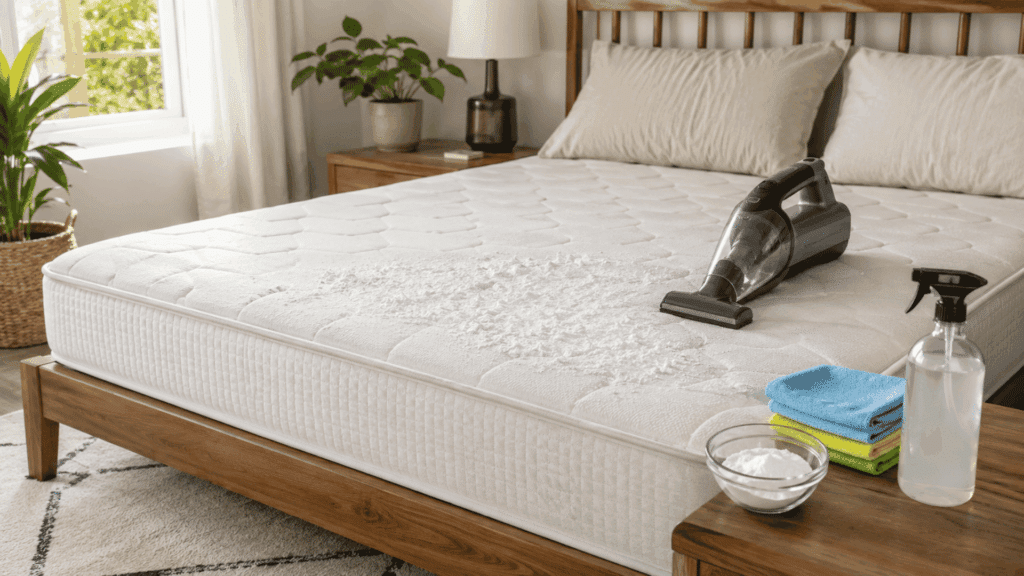
A mattress collects dust, sweat, skin cells, and allergens over time, even with regular sheet changes.
Since it sits beneath bedding and is rarely washed like other fabrics in the home, buildup can happen without being obvious.
A deep clean helps remove trapped debris, reduce odors, and support a healthier sleep surface, especially for households with allergies or pets.
This blog walks through the tools, steps, and techniques needed to clean a mattress thoroughly at home. Keep reading to get started on a fresher, cleaner mattress.
Signs Your Mattress Needs a Deep Clean
A mattress collects sweat, oils, dust, and spills. These signs show that surface care is no longer enough.
- Visible stains: Yellow patches, urine spots, or dried blood show that residue has settled into the fabric.
- Persistent odors: A stale or musty smell after airing may signal trapped moisture or buildup.
- Allergy symptoms: Sneezing, congestion, coughing, or itchy eyes that worsen in bed may relate to dust-mite allergens.
- Dampness or mold: Moist areas, dark spots, or a moldy odor need prompt care.
- Increased dust: Dust returning after vacuuming may mean the mattress holds skin flakes and debris.
- Pet accidents or spills: Urine, vomit, food, and drinks need deeper treatment after soaking.
- Long cleaning gap: A mattress left uncleaned for months may need vacuuming and spot treatment.
Tools and Materials You May Need
Gather supplies before starting so the mattress stays dry and the work moves smoothly. Check the care label first, since some covers and foam require special handling.
| Tool or Material | Purpose |
|---|---|
| Vacuum with upholstery attachment | Removes dust, hair, crumbs, and debris from seams and fabric. |
| Baking soda | Helps absorb odors and moisture before vacuuming. |
| Mild liquid detergent | Supports spot cleaning when mixed with clean water. |
| Clean white cloths | Blot spills and stains without transferring dye onto the mattress. |
| Soft-bristled brush | Loosens buildup without scraping or damaging the cover. |
| Spray bottle | Applies a light mist instead of soaking the mattress. |
| Enzyme cleaner | Helps break down urine, vomit, and organic stains. |
| Fan or open window | Speeds drying and lowers the risk of trapped moisture. |
| Gloves | Protect hands during stain treatment and cleanup. |
Step-by-Step Instructions to Deep Clean a Mattress
Deep cleaning a mattress removes dust, odors, stains, and surface buildup that regular sheet washing cannot address. Follow these steps carefully and keep water use to a minimum to protect the mattress materials.
1. Remove Bedding and Check the Care Label
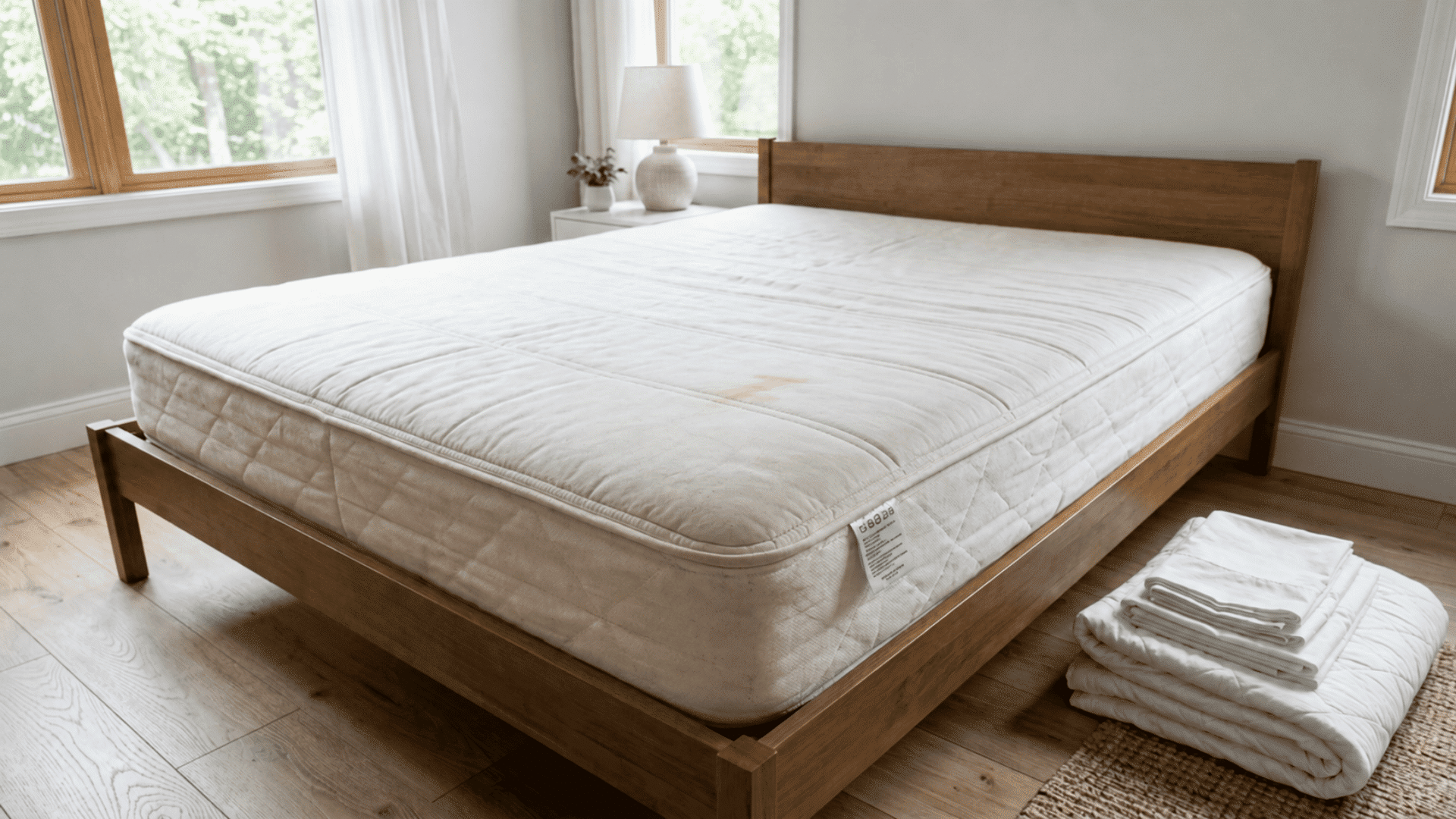
To learn how to deep clean a mattress, remove sheets, pillowcases, blankets, and the protector. Wash each item according to its care label.
Check the mattress label before applying cleaner, since removable covers, foam layers, and stitched surfaces may have different care instructions.
Inspect the top, sides, seams, and edges for stains, damp patches, odors, or damage. Open nearby windows and position the mattress where air can move around it safely.
2. Vacuum the Entire Mattress
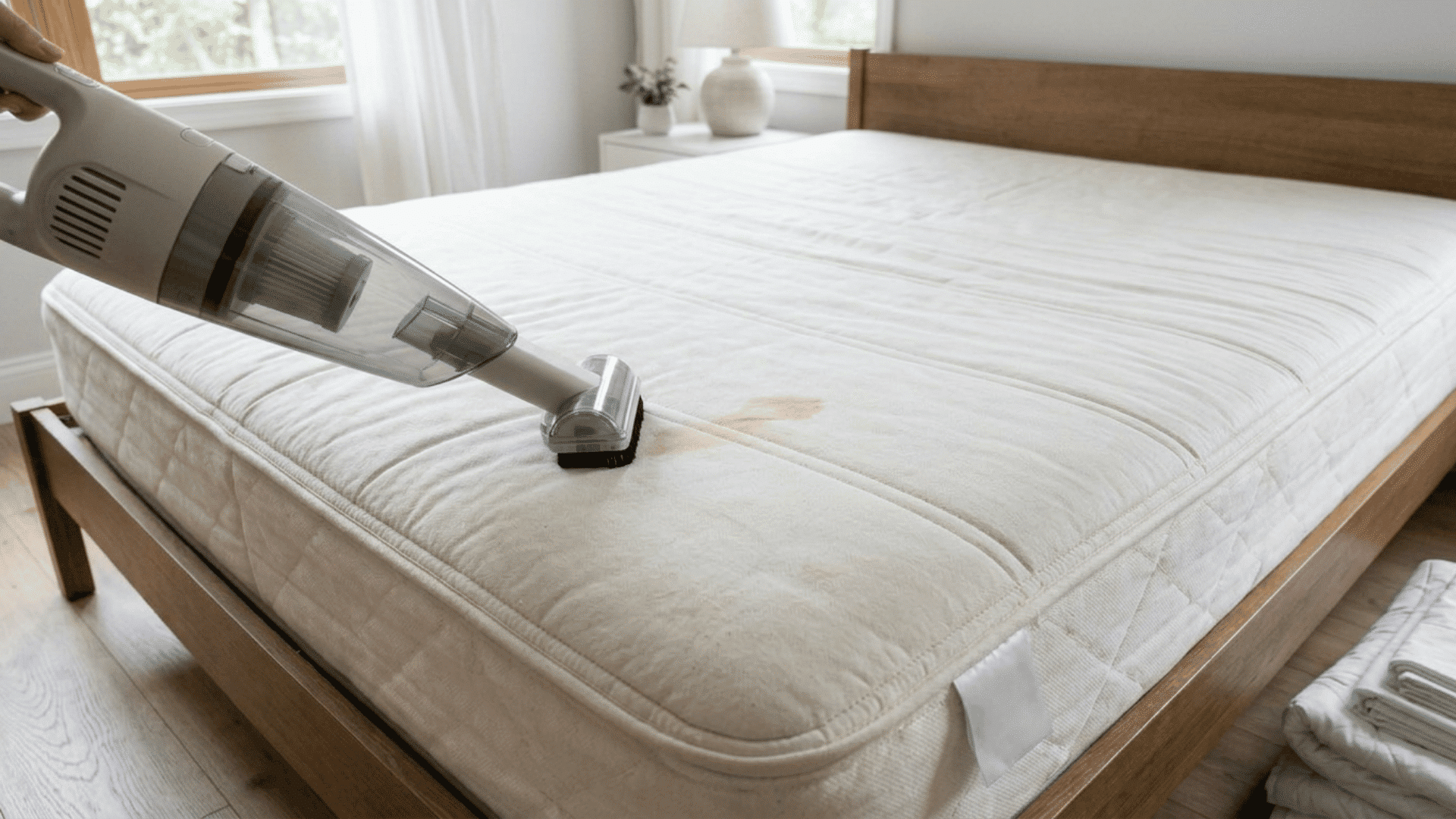
Fit the vacuum with a clean upholstery attachment and work slowly across the mattress surface. Use overlapping passes to collect dust, hair, crumbs, and loose debris.
Press gently around seams, piping, tufts, handles, and edges, where buildup often gathers. Vacuum the sides and the sleeping surface.
If the mattress is designed to be flipped, turn it over and repeat. Empty the vacuum container before continuing with stain treatment.
3. Treat Stains Without Soaking the Fabric
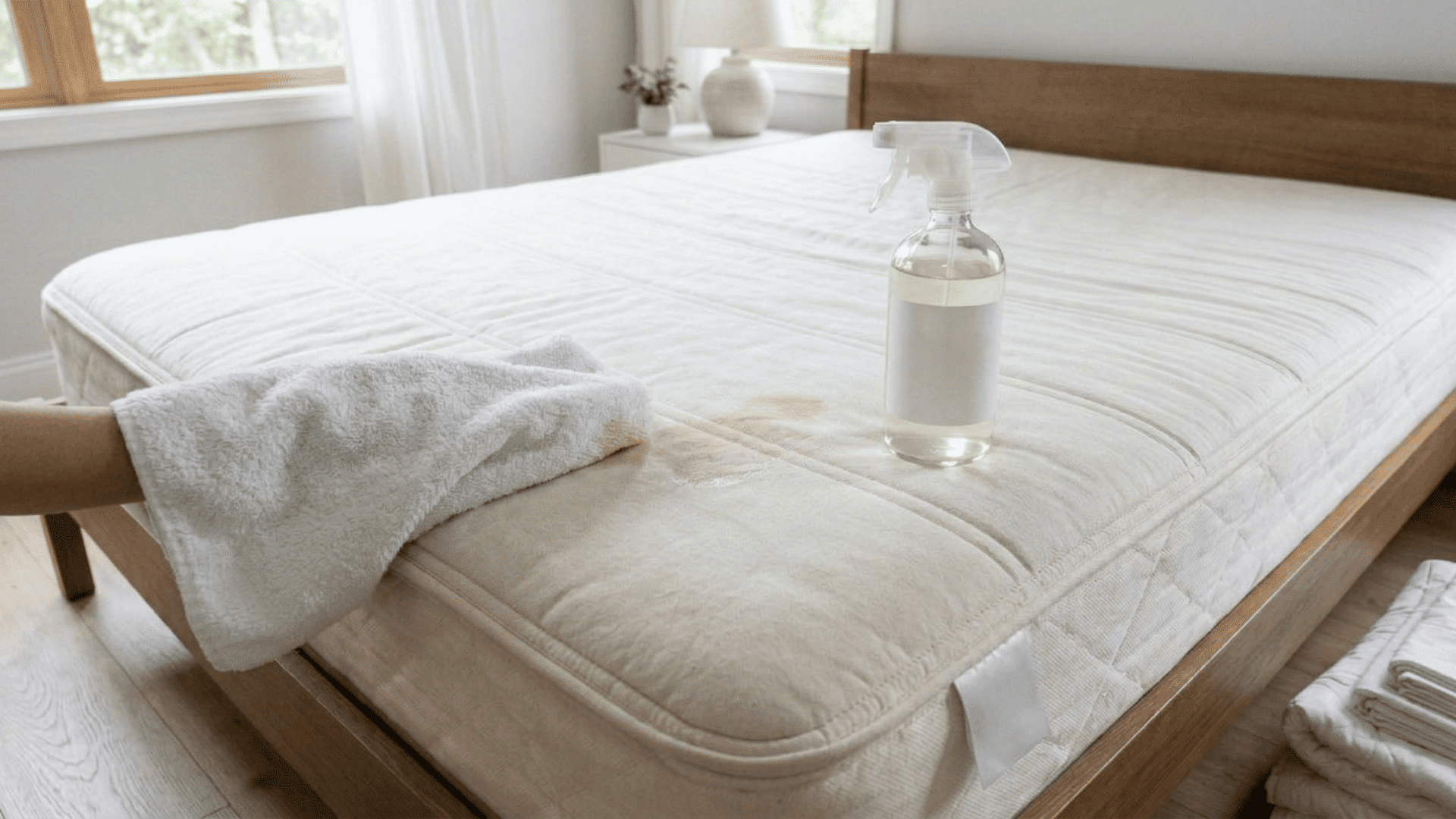
Treat stains one at a time using a cleaner suited to the spill and mattress material. Apply a small amount to a clean white cloth rather than pouring it onto the bed.
Blot from the outer edge toward the center to limit spreading.
Avoid hard rubbing, heavy spraying, bleach, and excess water. For urine or vomit, use a mattress-safe enzyme cleaner. Follow its label and test a hidden area first.
4. Apply Baking Soda and Vacuum Again
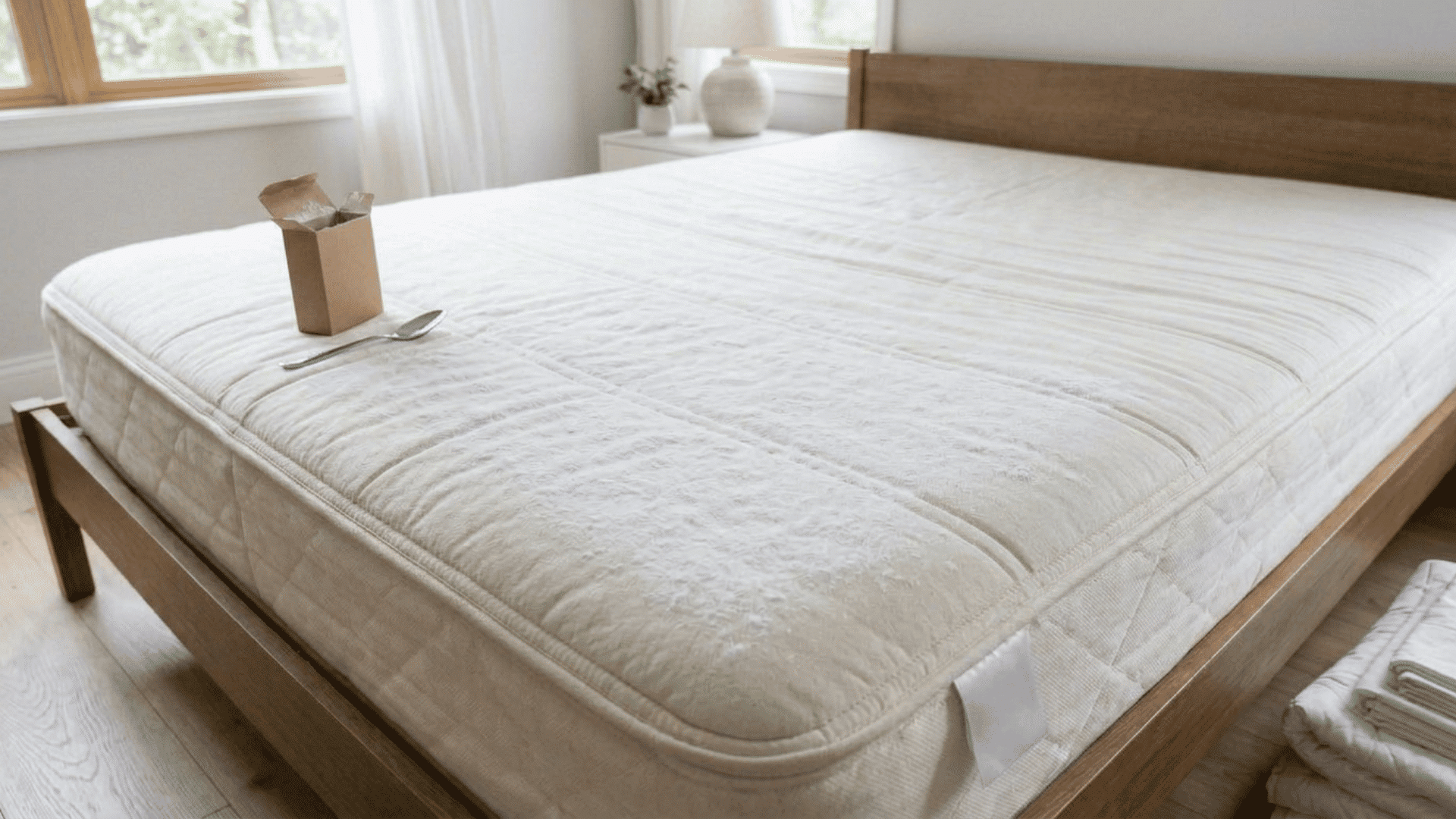
Once treated areas feel nearly dry, spread a thin layer of baking soda across the mattress. Leave it in place for at least one hour, or longer when possible, so it can absorb odor and surface moisture.
Baking soda freshens the bed but does not disinfect it or remove every stain.
Vacuum it away with the upholstery attachment, checking seams and tufts for remaining powder before moving to the drying stage.
5. Let the Mattress Dry Completely
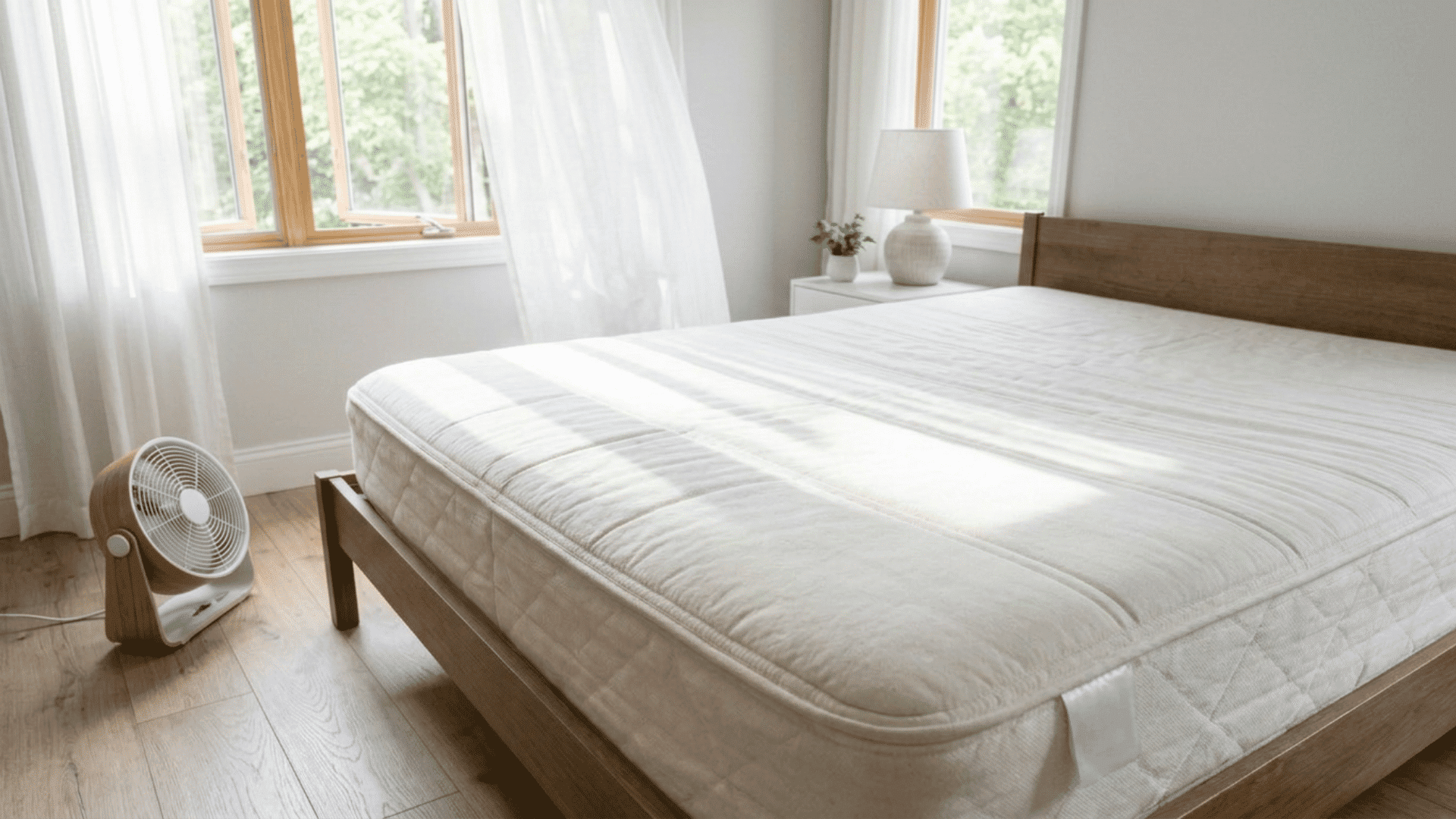
Allow the mattress to air-dry before replacing any bedding. Open windows when outdoor air is dry, or aim a fan across the cleaned surface to improve airflow.
Do not cover damp areas, as trapped moisture can promote mold growth or damage the foam.
Check the top, sides, and treated spots with a dry hand. Once everything is dry, add a protector and freshly washed sheets, then return the mattress to use.
How Often to Deep Clean a Mattress
Most mattresses benefit from a deep clean about every six months, though the right schedule depends on use, spills, pets, and the maker’s care instructions.
Learning how to deep clean a mattress on a regular schedule helps control dust, odors, and surface buildup before they become harder to remove.
Clean it sooner after urine, vomit, food, drinks, heavy sweating, or any spill that reaches the cover. Blot liquid promptly and avoid soaking foam or inner layers.
Always follow the care label, allow treated areas to dry completely, and use a washable mattress protector between deep-cleaning sessions.
Special Cleaning Instructions for Different Mattress Types
Each mattress type needs a slightly different cleaning method. Always check the care label before using water, steam, or cleaning products.
Use as little moisture as possible because memory foam absorbs liquid and dries slowly. Blot stains with a damp cloth and mild detergent.
Avoid soaking, steam cleaning, or pressing hard on the foam. Let the mattress air-dry fully before adding bedding.
Innerspring Mattresses
Vacuum both sides, focusing on seams and edges where dust tends to collect. Clean stains with a small amount of mild soap solution.
Do not saturate the surface, since excess moisture may reach the coils and cause rust or odor.
Clean latex with a lightly damp cloth and gentle soap. Avoid bleach, strong chemicals, heat, and direct sunlight, as they may damage the material. Allow it to dry in a shaded, ventilated room.
Follow memory foam cleaning steps and avoid excess water. Vacuum carefully and spot-clean only.
Professional Cleaning vs DIY Methods
DIY cleaning is suitable for routine dust, mild odors, and small stains. Professional service may be better for severe or repeated cleaning problems.
| Factor | DIY Cleaning | Professional Cleaning |
|---|---|---|
| Best use | Vacuuming, odor control, and fresh stains. | Deep stains, heavy soiling, or returning odors. |
| Tools | Upholstery vacuum, cloths, baking soda, and approved spot cleaner. | Commercial equipment and products are chosen for the material. |
| Moisture risk | Water can be limited, but over-wetting may damage foam. | Ask how moisture is controlled and how long drying takes. |
| Cost | Usually lower because household supplies are used. | Usually higher, varying by mattress size and condition. |
| Convenience | Can be done on your schedule. | Saves effort but requires booking and preparation. |
| Safety | Follow the care label and test cleaners first. | Confirm the cleaner has experience with mattresses and follows the manufacturer’s instructions. |
Common Mattress Cleaning Mistakes
Cleaning errors can push moisture deeper into a mattress or damage its cover. Avoid these mistakes to protect materials and allow them to dry.
- Using too much water: Saturating foam or padding slows drying and may leave moisture trapped inside.
- Scrubbing stains hard: Rubbing can spread the spill, damage fibers, and press residue farther into the surface.
- Applying bleach: Strong bleach may discolor fabric, weaken some covers, and conflict with manufacturer care instructions.
- Ignoring the care label: Covers vary; some are machine washable, while others should be spot-cleaned only.
- Making the bed too soon: Sheets can trap dampness. Wait until treated areas feel completely dry.
- Using steam without approval: Heat and moisture can damage foam, adhesives, or stitched materials.
- Skipping vacuuming: Dust and hair can mix with the cleaner, creating muddy residue.
Conclusion
A clean mattress supports a fresher sleep space and helps control dust, odors, stains, and surface buildup.
Regular vacuuming, prompt spot treatment, limited moisture, and full drying protect the mattress while reducing the chance of trapped dampness.
Always check the care label before using any cleaner, since foam, covers, and stitched materials may need different treatment.
A washable protector can also reduce the risk of future spills and make routine care easier. Start today and keep your bed cleaner for longer.
Frequently Asked Questions
Can You Use Essential Oils Directly on a Mattress?
Avoid applying essential oils directly, as they may stain fabric or irritate sensitive skin. Use freshly washed bedding for a clean scent instead.
Should You Clean the Bed Frame at The Same Time?
Yes. Dust the headboard, slats, base, and floor beneath the bed to stop loose dirt from settling back onto the mattress.
When Should a Stained Mattress Be Replaced?
Consider replacement when stains are accompanied by lasting mold growth, structural damage, deep moisture, or odors that persist after proper cleaning and drying.