When I started comparing latex vs memory foam, I quickly realized how confusing mattress advice can be. One person swears by memory foam, while another says latex changed their sleep forever.
So which one is actually better? The truth is, it depends on how you sleep and what you like. Here, I’ll break down the real differences between latex and memory foam in a simple way.
I’ll talk about how each one feels, what people usually love or complain about, and which type works better for different sleepers.
I’ll also share honest opinions you’ll often see in community discussions, not just marketing talk. By the end, you’ll have a clear idea of which mattress fits you best.
Latex vs Memory Foam: Key Differences That Matter
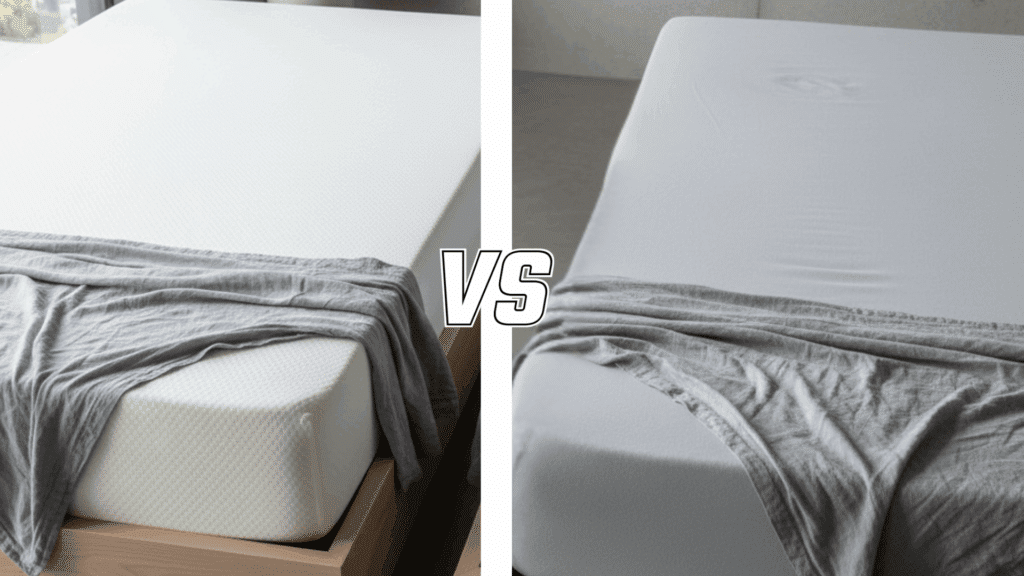
Latex vs memory foam comes down to a few key things you’ll feel right away. Here’s the simple breakdown, without the fluff.
| Feature | Latex Foam | Memory Foam |
|---|---|---|
| Feel while sleeping | More “on top” with a lifted, buoyant feel | More “in it” with a deeper, cradled feel |
| Cooling & airflow | Naturally more breathable, sleeps cooler for many | Can trap heat unless it has strong cooling features |
| Ease of movement | Easy to roll, turn, and change positions | A slower response can feel harder to move on |
| Motion isolation | Decent, but bounce can transfer some movement | Excellent at absorbing movement across the bed |
| Long-term durability | Often holds shape well for years | Varies by density; low-quality foams may sag sooner |
| Typical Price Range | Usually higher upfront cost | Often more affordable upfront |
Keep this chart in mind while reading reviews. Up next, I’ll share common pros and cons people mention for latex and memory foam.
What is Latex Foam?
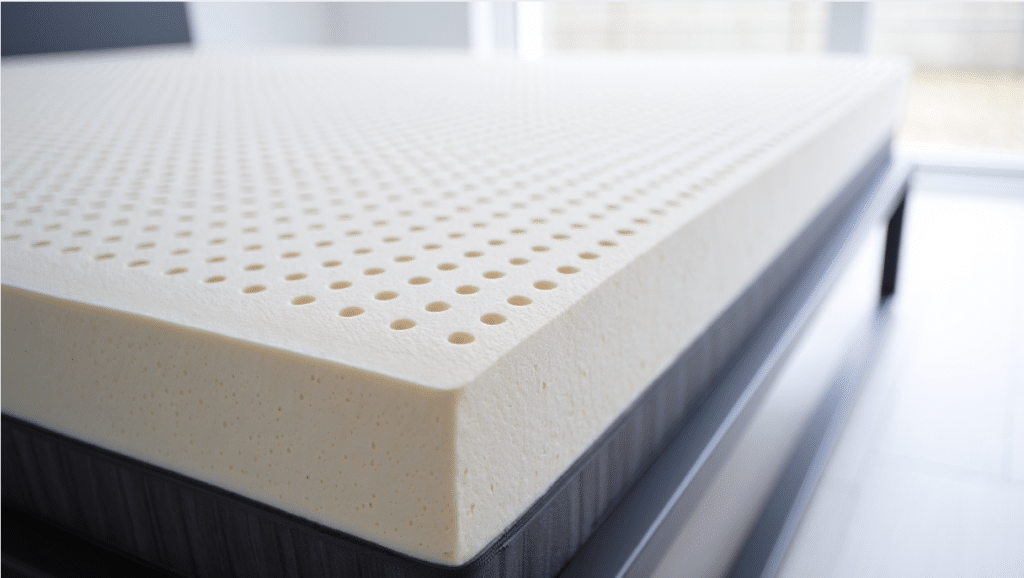
Latex foam is a type of mattress foam known for its springy, supportive feel. Instead of slowly hugging your body like memory foam, latex pushes back and responds fast when you move.
That’s why many people say they feel more “on top” of a latex bed rather than sinking into it. Latex can be made from natural rubber tree sap, synthetic materials, or a blend of both.
You’ll also see two common styles: Dunlop latex, which tends to feel denser, and Talalay latex, which usually feels softer and more consistent.
Overall, latex is popular with sleepers who want bounce, easier movement, and cooler sleep.
What is Memory Foam?
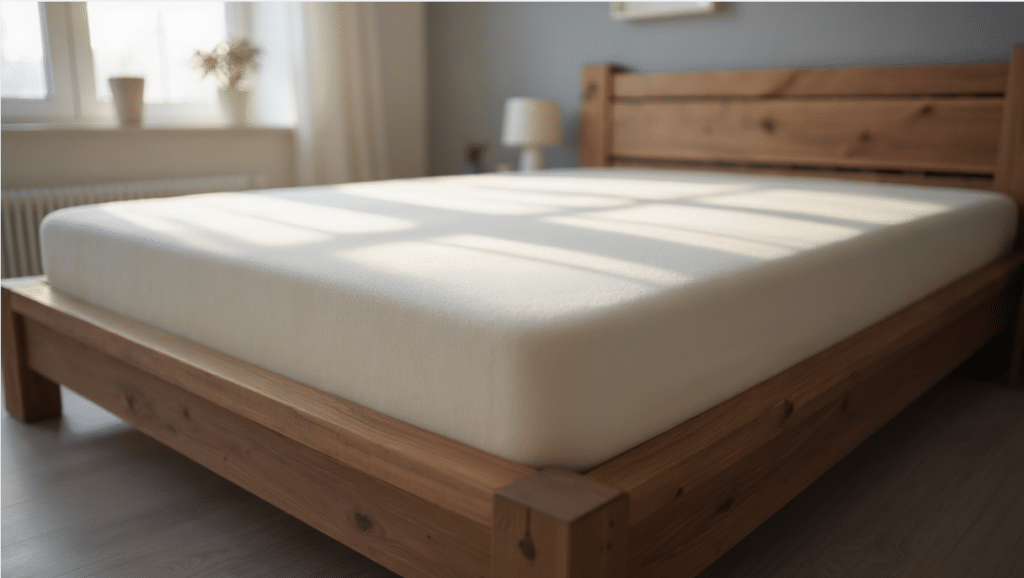
Memory foam is a viscoelastic foam made from polyurethane with added materials that alter its response to heat and pressure.
As your body warms the surface, the foam softens and slowly shapes itself to your curves, then returns to its original form once the pressure is removed.
This slow response is what creates the deep, cradling feel many people associate with memory foam beds.
Memory foam is available in a wide range of firmness levels and densities, which affect how supportive or plush it feels.
Higher-density foams usually last longer but can feel warmer, while lower-density options tend to feel lighter and more responsive.
Latex vs Memory Foam: Reddit Discussion

Redditors comparing “latex vs memory foam?” usually agree on one thing: they feel totally different.
Memory foam gets described as a slow, cozy “hug” that molds around shoulders and hips, which many side sleepers love for pressure relief and couples like for motion control.
The flip side is heat and the “stuck” feeling; people say soft foams can trap warmth and make rolling over harder.
Latex is talked about as cooler and easier to move on, with a buoyant pushback that keeps you more on top of the bed.
Some users warn that latex can feel “pushy” or too firm unless you choose the right softness or add a topper. Price comes up, too: memory foam is often cheaper up front, while latex is seen as a longer-lasting investment.
Latex vs Memory Foam for Different Sleepers
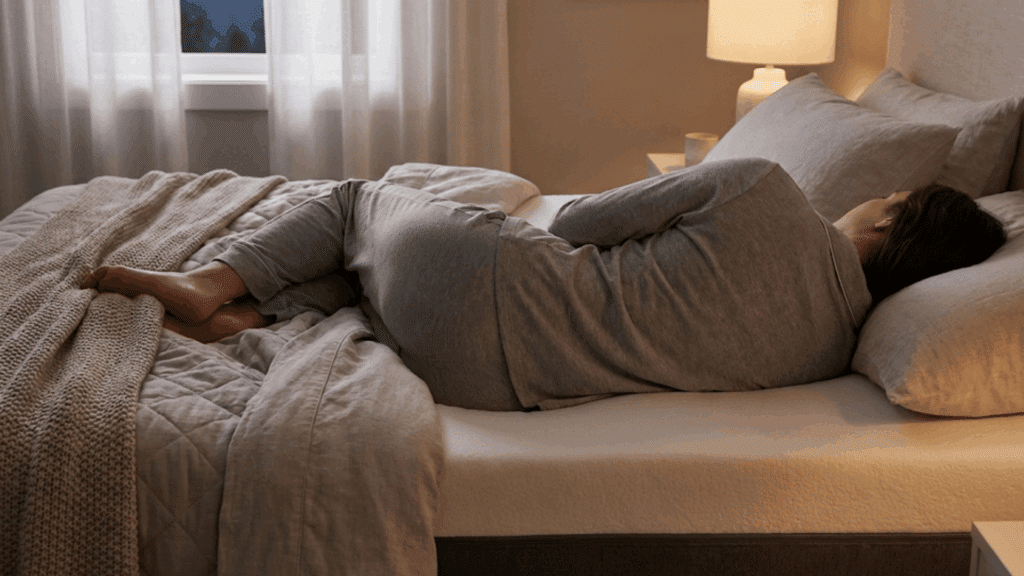
Your sleep position changes everything in the latex vs memory foam debate. Here’s what usually works best, based on real sleeper opinions.
- Side sleepers: Memory foam often feels best because it hugs shoulders and hips. Latex can work too, but many prefer softer latex for pressure relief.
- Back sleepers: Latex usually feels supportive and keeps the spine “lifted.” Many back sleepers also prefer medium-firm memory foam if it doesn’t sink too much.
- Stomach sleepers: Latex is often the safer pick because it resists deep sink. Soft memory foam can dip the hips and strain the lower back.
- Combination sleepers: Latex gets a lot of love for easy movement and quick bounce-back. Some combo sleepers still like faster-response memory foam, not slow types.
If you match the foam to your sleep style, you’ll avoid most regrets. Next, I’ll cover the most common complaints about cooling and comfort.
Latex vs Memory Foam: Durability and Value
When people talk about durability and value in community discussions about latex vs. memory foam, their experiences are pretty consistent.
Many long-term owners of memory foam mattresses say their mattresses felt great at first but began to sag or lose support after a few years, especially with cheaper or softer models.
Some regret not choosing a higher-density foam. On the other hand, latex users often mention that their mattress still feels supportive even after many years, which makes the higher upfront cost feel more justified.
That said, a few people admit latex wasn’t worth it for them because the feel never fully clicked.
Praise usually goes to latex for longevity and memory foam for early comfort, while regrets tend to center on durability, heat, or choosing the wrong firmness.
Personally, I see latex as the better long-term value, but memory foam can still be worth it if comfort now matters more than lifespan.
Latex vs Memory Foam Pros and Cons
This quick pros-and-cons table keeps things simple. It highlights what most sleepers notice first, plus a few dealbreakers people often mention.
| Type | Pros | Cons |
|---|---|---|
| Latex | Responsive and supportive feel, easier movement, sleeps cooler for many, keeps its shape longer, good airflow, typically better edge support | Higher upfront cost, can feel firm or “pushy,” heavier to move, fewer ultra-plush options, and more bounce can transfer motion |
| Memory Foam | Deep contouring and pressure relief, excellent motion isolation, quieter surface, wide firmness choices, and often lower upfront cost | Can trap heat, slow response when changing positions, lower durability in cheaper foams, may feel “stuck,” off-gassing smell at first |
Use this as your shortcut before buying. If one “con” sounds like a big nope, that mattress type probably isn’t your best match.
Conclusion
After comparing latex vs memory foam, I’ve learned that neither one is perfect for everyone. Memory foam works great if you love deep pressure relief and a cozy, hugging feel.
Latex is a better match if you want bounce, cooler sleep, and easier movement. What matters most is how your body feels when you wake up, not what’s trending online.
I always suggest thinking about your sleep position, temperature needs, and budget before deciding. If possible, try both types or read real user reviews to see what people like you are saying.
If this guide helped you, feel free to share it or drop a comment with your experience. I’d love to hear what worked for you and help you choose better sleep.