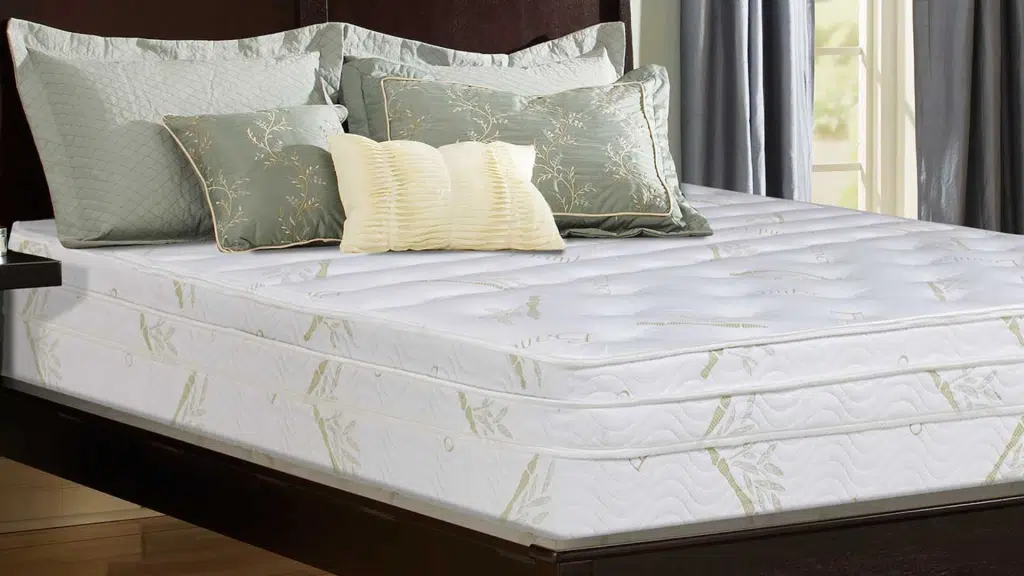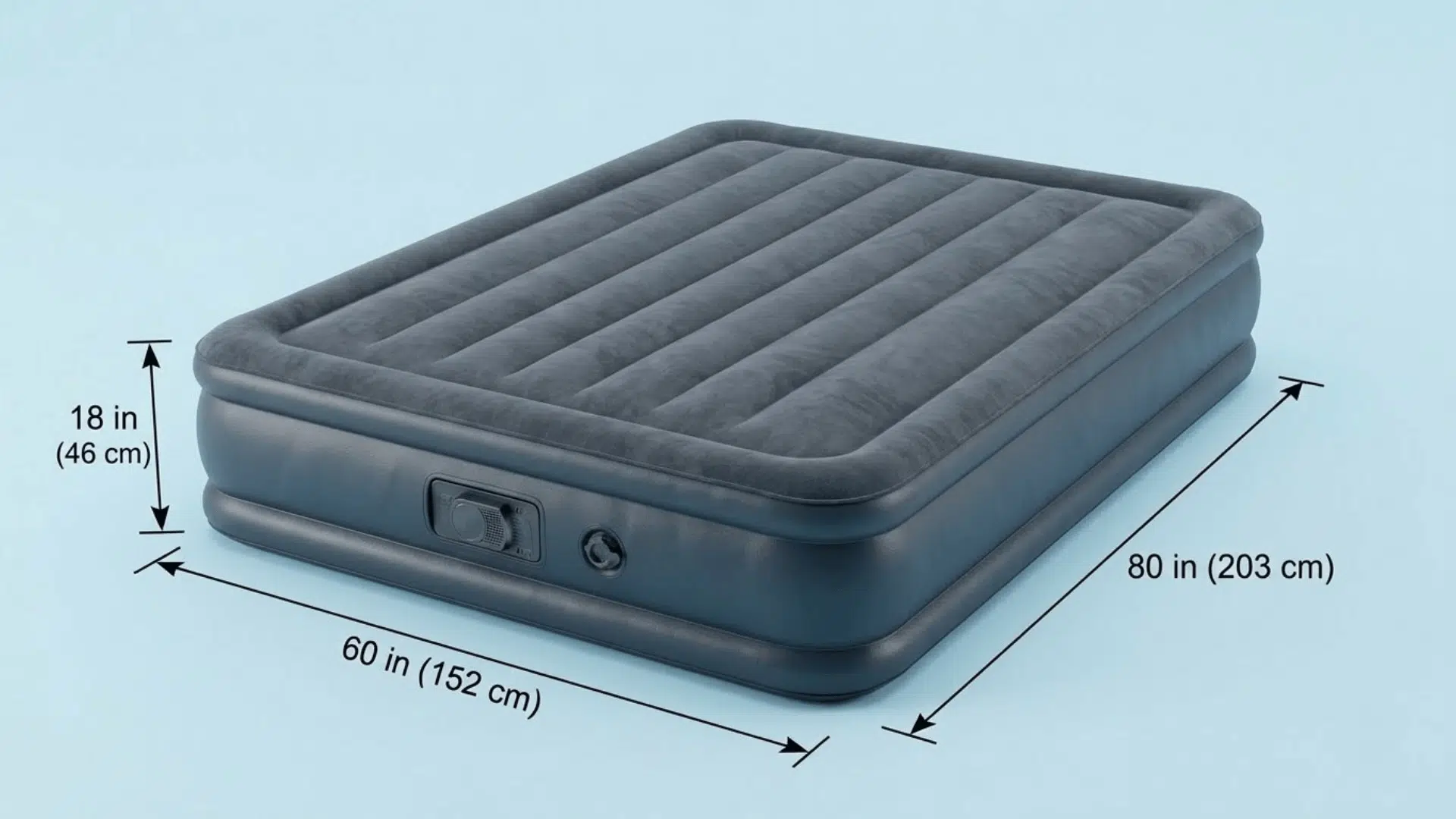


Buying a mattress sounds simple until you actually start shopping. Then suddenly you’re decoding firmness scales, foam layers, cooling claims, and sales language that can feel suspiciously polished. If you’re in New York, the process gets even more specific because space, noise, walk-up apartments, and busy retail districts all shape how you shop. A smart approach helps you test better, compare faster, and avoid paying a premium for features you’ll never use.
Start With Your Sleep Problems, Not the Marketing
Before you look at brands, deals, or glossy showroom displays, get clear on what’s bothering you at night. If you wake up with shoulder pain, overheat by 3 a.m., or feel your partner turning like a rotisserie chicken, those clues matter more than a catchy product name.
Write down a few basics:
- Your usual sleep position
- Any back, neck, or hip pain
- Whether you sleep hot
- If motion transfer bothers you
- Your budget ceiling
That short list keeps you from getting distracted by features that sound impressive but solve the wrong problem. A side sleeper often needs more pressure relief than a stomach sleeper. A couple in a full-size bed may need better motion isolation more than extra edge support. Mattress shopping gets easier when you treat it like problem-solving, not speed dating with beds.
Test a Mattress the Right Way in a Store
A rushed five-second sit on the edge tells you almost nothing. If you’re serious about getting the right mattress, lie down the way you actually sleep and stay there long enough to notice pressure points, support, and temperature.
Use this in-store routine:
- Lie down for at least 10 to 15 minutes
- Test your main sleep position first
- Roll from side to side and switch positions
- Notice whether your lower back feels supported
- Check if your shoulders and hips sink comfortably
If you share a bed, bring your partner. Motion transfer is hard to judge alone. In a city with so many options, finding a mattress in NY often comes down to comparing several models in one trip instead of hopping all over town for days. Efficient testing saves your back and your patience. Both deserve better.
Understand the Mattress Types Before You Test Anything
A mattress can feel great for two minutes and still be completely wrong for your body over a full night. Knowing the basic categories gives you a useful filter before you even lie down.
Here’s the quick breakdown:
- Memory foam: strong pressure relief and motion isolation
- Innerspring: bouncier feel, often more airflow
- Hybrid: foam comfort with coil support underneath
- Latex: responsive, durable, and often cooler than memory foam
Hybrids tend to appeal to a lot of shoppers because they land in the middle of the comfort spectrum. Memory foam works well if you want contouring and less partner disturbance. Innersprings can feel familiar, especially if you dislike sinking in. Latex is often the quiet overachiever in the room, though it usually comes with a higher price tag. Once you know your likely fit, showroom visits become much less random.
Pay Attention to Materials, Not Just Firmness Labels
Firmness labels are helpful, but they aren’t standardized across brands. One company’s “medium firm” can feel like another company’s “firm with trust issues.” The materials inside the mattress usually tell you more.
Look for details such as:
- Foam density
- Coil count and coil gauge in hybrids
- Zoned support layers
- Natural or synthetic latex
- Cooling covers or gel-infused foams
Dense foams often last longer, though they may trap more heat depending on construction. Zoned support can help if you need stronger support under your hips and lighter cushioning near your shoulders. Cooling claims deserve a little skepticism. Some covers feel cool at first touch but don’t change overnight heat retention much. Ask what each layer actually does. If a salesperson can’t explain it clearly, that’s useful information too.
Think About Real-World Logistics Before You Buy
The mattress itself matters, but so does everything around the purchase. Delivery windows, stair access, old mattress removal, and return policies can turn a smooth decision into a long afternoon of frustration.
Check these practical details:
- Delivery fees
- Setup and installation options
- Old mattress haul-away
- Trial period length
- Return or exchange fees
- Warranty terms and exclusions
This matters even more in apartments, especially older buildings and tighter spaces common across New York. Measure your room, doorway, stairwell, and bed frame before ordering. Also confirm whether the mattress works with your current foundation. A great mattress on the wrong base can feel worse than expected and may even affect the warranty. Fine print isn’t glamorous, but it’s cheaper than solving a preventable mistake after delivery day.
Set a Budget That Matches Long-Term Value
Mattress prices can swing wildly, and higher cost doesn’t always mean better sleep. Set your budget before shopping, then compare quality indicators within that range rather than chasing the most expensive model on the floor.
A sensible budget should account for:
- Mattress price
- Foundation or adjustable base if needed
- Delivery and setup
- Mattress protector
- Sheets that fit the profile height
If you sleep on your mattress for seven to ten years, the cost per night becomes much easier to evaluate. Paying a bit more for durable support can make sense. Paying hundreds extra for vague luxury branding usually doesn’t. Watch for seasonal sales, but don’t assume every “limited-time” discount is rare. Mattress promotions have a funny habit of being very emotionally available all year long.
Don’t Ignore Sleep Trials, Reviews, and Return Reality
A mattress can feel right in a showroom and still miss the mark after two weeks at home. Your body needs time to adjust, especially if your old mattress was sagging or far too soft. That makes the sleep trial one of the most valuable parts of the purchase.
When comparing brands, look at:
- Trial length
- Required break-in period before returns
- Pickup process for returns
- Review patterns, not just star ratings
- Complaints about sagging or heat over time
Focus on detailed reviews from people with similar sleep habits or body types. One person’s cloud is another person’s backache. Also check whether returns are genuinely easy or wrapped in conditions that make them difficult. A generous trial is only useful if the actual return process doesn’t feel like escaping a low-budget maze.
Match the Mattress to Your Body and Sleep Style
The best mattress for you depends on how your body interacts with the surface night after night. General recommendations help, but they’re only a starting point.
A few useful patterns:
- Side sleepers often do well with medium or medium-soft comfort
- Back sleepers usually need balanced support and contouring
- Stomach sleepers often need a firmer surface to keep hips from sinking
- Heavier sleepers may benefit from stronger coil systems or denser foams
- Hot sleepers should prioritize airflow and breathable materials
If you have chronic pain, existing injuries, or specific orthopedic concerns, comfort alone shouldn’t drive the decision. Support and alignment matter more than a plush first impression. The mattress should keep your spine in a neutral position while reducing pressure in the places where you feel it most.
Make the Final Decision With a Short Comparison List
Once you’ve tested enough options, narrow everything down to two or three finalists. Compare them side by side on the things that actually affect your sleep, not the things that looked impressive on a display card.
Create a simple checklist with:
- Feel in your main sleep position
- Pressure relief
- n- Support and alignment
- Motion isolation
- Cooling performance
- Trial and return policy
- Full delivered cost
At that stage, your decision usually becomes clearer. If two models feel close, go with the one that has better materials, stronger trial terms, or easier delivery logistics. A mattress is one of those purchases where being methodical pays off. You’re not just buying a bed. You’re choosing the surface you’ll spend roughly a third of your life on, which is not the place for guesswork.