

Sleep position on its own is half the question. Two side sleepers can need different mattresses depending on whether they wake with a sore shoulder or a sore hip.
This guide is organized around those pairings. Each section covers what the position does to your spine, where pressure concentrates, and what firmness range tends to work.
Key Takeaways
- A mattress has two jobs at once, cushioning the parts that stick out and holding the rest of you level.
- Side sleeping concentrates body weight on two narrow points, so it needs the most cushioning of any position.
- Shoulder and hip discomfort point in different directions, though both are side-sleeping problems.
- Stomach sleeping suffers most on a soft mattress, because the hips sink and the lower back arches.
- Persistent pain is worth raising with a clinician, since a mattress is a comfort variable rather than a treatment.
The Two Jobs a Mattress Has to Do
Every mattress balances two things that pull against each other. It has to let your widest points sink far enough that they are not taking all your weight, while keeping your spine in roughly the line it holds when you stand.
Too firm and your shoulders and hips get compressed instead of cushioned. Too soft and your midsection drops, bending your spine into a curve it holds all night.
Your position decides which failure you are exposed to, which is why firmness advice that ignores position is close to useless.
Side sleeping with shoulder discomfort
On your side, almost your entire body weight lands on the shoulder and hip. The shoulder is the harder of the two, being a shallow joint carrying a heavy load against a small contact area.
What helps is a comfort layer deep enough for the shoulder to sink into rather than press against.
Memory foam does this well, displacing under concentrated pressure instead of pushing back evenly.
The trap is going too soft. A mattress soft enough to swallow your shoulder often lets your waist drop too, trading a shoulder problem for a lower back one.
Side sleeping with hip discomfort
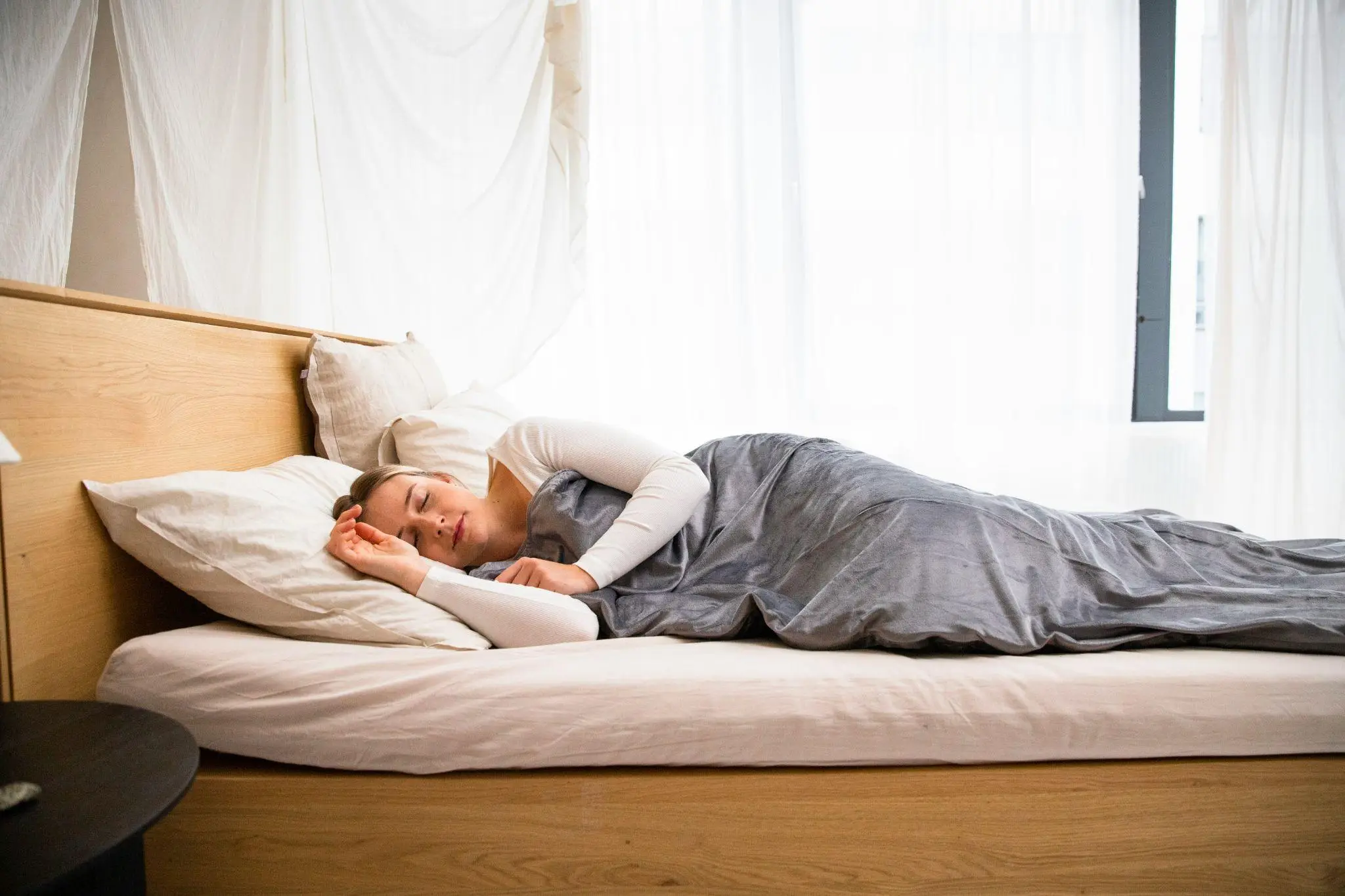
Hip pressure has the same cause and a different fix. The hip is a broader contact point, so it needs cushioning backed by support underneath, not deep sinkage alone.
This is where hybrids tend to outperform all-foam beds. Pocketed coils compress under the hip while staying supportive through the waist, giving contouring at the pressure point without the midsection following it down.
Coils also respond independently. That matters when your hip needs to sink further than the parts of you on either side.
The Side Sleeper Pick
If you sleep on your side and want one recommendation rather than a category,Helix Midnight is built specifically for it.
It runs a medium feel, with a cushioned comfort layer over a coil support core, which is the combination the two sections above keep pointing at.
The medium firmness matters more than it sounds. It is soft enough at the surface for shoulders and hips to settle in, with the coil layer keeping your waist from dropping with them.
It is also listed as a good fit for people who toss and turn, which is worth knowing if you change position often through the night.
If you share a bed and your partner changes position more than you do, that is the feature you will notice first.
The wider range is built on the same logic, with separate models for back and stomach sleepers, plus soft and firm versions alongside the medium. The Midnight is the medium side-sleeper option, not the only one.
Back sleeping with lower back discomfort
Back sleeping is a support problem rather than a pressure problem. Your lower back holds a natural curve, and lying flat leaves a gap between that curve and the mattress unless the surface fills it.
Medium-firm generally works best. You want enough give for the hips to settle slightly, with enough support that the lumbar gap closes rather than staying open all night.
Watch the hips specifically. If they sink noticeably lower than your ribcage, the mattress is too soft for back sleeping, however comfortable it feels initially.
Stomach sleeping with lower back discomfort
This pairing is where mattress choice matters most, because stomach sleeping already works against your spine.
Your hips are the heaviest part of you and sit unsupported in the middle of the bed, so any softness lets them drop and arches the lower back.
Firm is the answer, and firmer than most people find immediately comfortable. The goal is keeping hips level with shoulders, which means resisting sinkage rather than encouraging it.
A medium mattress is usually wrong for a dedicated stomach sleeper, and a medium-soft one is worse.
If a range offers soft, medium, and firm versions of the same model, this is the position that should push you to the firm end.
Combination sleeping and morning stiffness
Combination sleepers have a different problem, since no single firmness is optimal for every position they move through. What matters more is how easily the surface lets them move.
Responsiveness is the thing to look for. A mattress you sink deep into makes turning over harder, so you either wake more or stay in one position longer than is comfortable.
Medium is the usual compromise, with a responsive surface over a supportive core. Hybrids tend to suit this better than all-foam, since coils push back as you shift weight.
Three Things That Change the Answer
Body weight changes how any firmness rating feels. A heavier sleeper compresses a mattress further, so the same model reads softer to them than to a lighter person.
Your pillow is part of the system. Side sleepers need more loft to fill the gap between shoulder and head, while stomach sleepers need very little or none.
The base matters too. A sagging foundation or widely spaced slats will undermine an otherwise well-chosen mattress, and it is the cheapest thing here to fix.
Conclusion
Start with your position, then narrow by where you feel it in the morning. Side sleepers want cushioning with support underneath, back sleepers want the lumbar gap filled, stomach sleepers want firmness that keeps the hips up, and combination sleepers want responsiveness above all.
One last point worth making plainly. A mattress changes how comfortable you are, but ongoing pain deserves a proper look from a clinician rather than a new bed and hope.
Frequently Asked Questions
What Firmness Is Best for Side Sleepers?
Medium is the usual range, since side sleeping needs enough surface give for the shoulder and hip to settle in. Too firm compresses those points, and too soft lets the waist drop out of line.
Is a Soft Mattress Good for Hip Pain?
Not on its own. Hip comfort comes from cushioning at the point of contact combined with support beneath, which is why hybrids often work better than very soft all-foam beds.
What Mattress Firmness Is Best for Stomach Sleepers?
Firm, in most cases. Stomach sleeping drops the hips and arches the lower back on anything with much give, so resisting sinkage matters more than surface comfort.
Can a Mattress Cause Lower Back Pain?
It can affect how you feel in the morning, particularly if it causes your hips to sink out of alignment. It is one factor among several, though, so persistent pain is worth raising with a clinician.
What Should Combination Sleepers Look For?
Responsiveness more than a specific firmness. A surface you can move on easily matters more than optimizing for any one position you pass through.
Does a Hybrid Work Better Than All-Foam for Pressure Relief?
They solve it differently. All-foam contours more deeply, while a hybrid cushions at the pressure point and keeps support underneath it, which suits side sleepers who need both at once.