

Thuma’s Classic Bed is known for its minimalist design, Japanese joinery-inspired construction, and natural reclaimed wood materials. However, its premium price may lead some shoppers to explore other options that offer similar design elements with different materials, features, or warranty terms.
Whether you’re looking for a more affordable Japanese joinery bed, a frame with a different wood finish, or one that includes a headboard, several alternatives are worth considering. This guide compares three wooden bed frames from FlexiSpot, Nectar, and Silk & Snow to help you find an option that better fits your preferences and budget.
Why Is the Thuma Classic Bed So Popular?
The Thuma Classic Bed combines traditional woodworking concepts with a clean, contemporary appearance. The construction, material selection, and practical design also contribute to its popularity.
Japanese Joinery-Inspired Construction
One of the Thuma Classic Bed’s defining features is its Japanese joinery-inspired construction. Instead of relying primarily on conventional metal hardware, its wooden components connect through interlocking joints. This approach creates a streamlined frame while keeping the assembly process relatively simple.
The design also reduces the need for visible fasteners, giving the bed a clean, cohesive appearance.
Minimalist Design and Natural Wood Materials
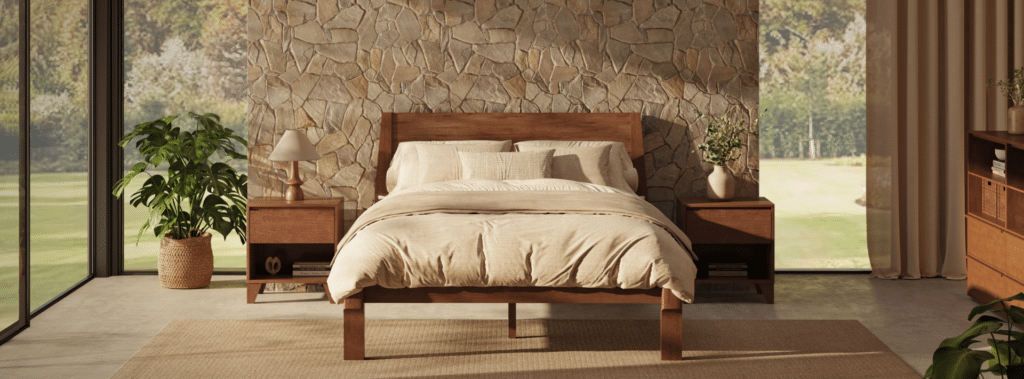
Thuma uses natural reclaimed wood in its Classic Bed, giving each frame a distinct wood grain and appearance. Its understated design works well in bedrooms with modern, minimalist, or natural interior styles.
The low-profile platform and simple silhouette also make it easy to pair with different mattresses, bedding, and bedroom furniture.
Stability and Long-Term Durability
A bed frame needs to support the mattress and sleepers consistently over time. Thuma’s interlocking construction and closely spaced slats help create a stable sleeping platform.
The Classic Bed has a listed weight capacity of 1,000 lbs and comes with a lifetime warranty, which may appeal to shoppers looking for a long-term furniture investment.
Why Look for a Thuma Alternative?
Although the Thuma Classic Bed has several appealing features, it may not meet every shopper’s budget or design preferences. Comparing alternatives can help identify a frame with a more suitable combination of price, materials, and functionality.
- Price: At around $1,995 for a Queen size based on the listed reference price, the Thuma Classic Bed represents a significant investment. More affordable alternatives may offer similar design elements at a lower cost.
- Material Preferences: Thuma uses reclaimed wood, but some shoppers may prefer specific wood types such as rubberwood, acacia, or bamboo.
- Design Options: The Classic Bed has a minimalist, low-profile appearance. Those who prefer a taller platform or a built-in headboard may want to consider other designs.
- Additional Features: Differences in weight capacity, under-bed clearance, trial periods, and warranty coverage can also influence the buying decision.
What Makes a Good Thuma Alternative?
A good alternative does not necessarily need to replicate every detail of the Thuma Classic Bed. Instead, it should offer a combination of construction quality, practical support, and design features that match your needs.
Japanese Joinery or Tool-Free Assembly
Japanese joinery is an important feature to consider if you like Thuma’s construction approach. Interlocking wooden components can reduce reliance on screws and other metal fasteners while creating a clean, integrated structure.
However, not every alternative uses the same joinery system. Some may offer tool-free assembly through other connection methods. When comparing products, look beyond the assembly description and consider how the joints connect and support the frame.
Solid Wood Materials and Construction
Material quality plays an important role in a bed frame’s appearance and long-term performance. Solid wood options such as rubberwood and acacia offer natural grain patterns and a substantial feel, while bamboo provides a different material choice with its own visual characteristics.
When evaluating the best durable wooden bed frame, check whether the product clearly identifies its materials and explains how its main structural components are constructed. The quality of the joints and supporting parts matters just as much as the wood itself.
Weight Capacity and Structural Support
A bed frame should provide reliable support for the mattress and its intended users. Check the manufacturer’s listed weight capacity, platform design, and slat spacing.
Closely spaced slats can help provide more consistent mattress support. Platform height is another practical consideration, as it affects how easy the bed is to get in and out of and how much space is available underneath.
Design and Functional Features
Appearance and everyday usability should also influence your decision. Consider whether you prefer a low-profile platform, a taller frame, or a built-in headboard.
Other details to check include under-bed storage clearance, recessed legs, available wood finishes, and how easily the bed fits your existing bedroom layout.
Thuma vs. Its Alternatives: At a Glance
The following table compares the Thuma Classic Bed with three alternatives across price, materials, weight capacity, platform height, trial period, and warranty.
Feature | Thuma Classic Bed | FlexiSpot Kana | Nectar Japanese Joinery Bamboo Bed | Silk & Snow Wooden Bed Frame |
Material | Natural reclaimed wood | Rubberwood or Acacia | Bamboo | Acacia and Rubberwood |
Weight Capacity | 1,000 lbs | 1,500 lbs | Not specified | 1,100 lbs |
Platform Height | 9″ | 10.5″ | 12″ | 13″ |
Trial Period | 30 nights | 100 nights | 60 nights | 30 nights |
Warranty | Lifetime | Lifetime | 2 years | 5 years |
Key Feature | Minimalist design | Japanese joinery and high weight capacity | Budget-friendly bamboo construction | Built-in headboard |
Prices and specifications are based on the provided comparison data and may vary by size, configuration, or current product listings.
Thuma Classic Bed: The Original Benchmark
The Thuma Classic Bed remains a strong option for shoppers who appreciate its original combination of minimalist styling and Japanese joinery-inspired construction.
Its reclaimed wood material gives the frame a natural appearance, while the 9-inch platform height creates a relatively low-profile sleeping surface. The slats are spaced less than 3 inches apart, and the frame has a listed weight capacity of 1,000 lbs.
Another advantage is its lifetime warranty, which provides long-term coverage. However, its 30-night trial period is shorter than the 100-night period offered by FlexiSpot and the 60-night period offered by Nectar.
However, its specific material choice and minimalist design may not suit every shopper. Those who prefer alternative wood types, a higher weight capacity, or a longer trial period may find other options more suitable.
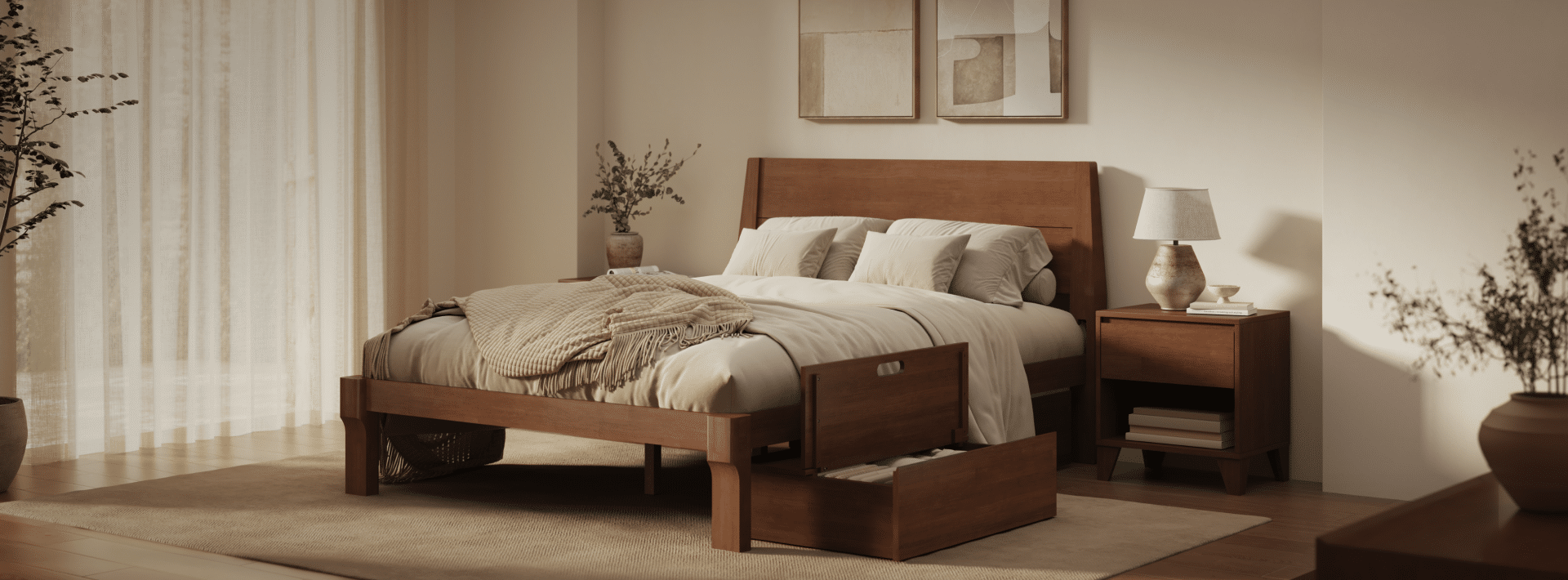
Best Overall Alternative: FlexiSpot Kana Japanese Joinery Bed
The FlexiSpot Kana Japanese Joinery Bed is a strong overall alternative for shoppers who appreciate Thuma’s traditional joinery approach but want additional material choices and a higher listed weight capacity.
Its construction uses traditional Japanese joinery, with interlocking wooden components designed to create a secure connection without relying on conventional screws. This gives the frame a clean appearance while simplifying the assembly process.
Unlike Thuma’s reclaimed wood construction, Kana is available in rubberwood or acacia. Both options offer natural wood grain and a solid wood appearance, allowing shoppers to choose according to their preferred finish and interior style.
Kana also stands out in several practical areas:
- High weight capacity: It supports up to 1,500 lbs, compared with Thuma’s listed 1,000 lbs.
- Straightforward assembly: Its traditional joinery design allows assembly without complicated hardware.
- Under-bed storage: The inward-recessed legs create a snug fit against the wall and leave usable space underneath for storage.
- Trial and warranty: FlexiSpot offers a 100-night trial period and a lifetime warranty.
Kana combines Japanese joinery, flexible material options, and practical features in a minimalist design. Its higher listed weight capacity and extended trial period also make it a compelling choice for shoppers seeking an alternative to Thuma.
Best Budget Alternative: Nectar Japanese Joinery Bamboo Bed
For shoppers who prioritize affordability, the Nectar Japanese Joinery Bamboo Bed offers a more budget-friendly way to bring a Japanese-inspired platform design into the bedroom.
Its main material is bamboo, providing an alternative to the reclaimed wood, rubberwood, and acacia used by the other frames in this comparison. The design also features a Japanese joinery-inspired construction approach, making it relevant to shoppers drawn to Thuma’s assembly style.
Its straightforward design and bamboo construction make it an option worth considering for shoppers who prefer a simpler Japanese-inspired platform bed. Its 12-inch platform height is also taller than Thuma’s 9-inch design, which may appeal to those who prefer a higher sleeping surface.
Nectar provides a 60-night trial period and a two-year warranty. However, its listed weight capacity was not available in the comparison data, so shoppers who prioritize load capacity should check the manufacturer’s specifications before purchasing.
Overall, the Nectar bed is worth considering if you want a Japanese-inspired wooden platform design at a lower initial cost and are comfortable with a shorter warranty period.
Best With a Headboard: Silk & Snow Wooden Bed Frame
The Silk & Snow Wooden Bed Frame is a suitable alternative for shoppers who want the natural look of wood but prefer a more traditional bed design with an integrated headboard.
Its construction combines acacia and rubberwood, offering a mix of natural wood materials. The built-in headboard also provides a more complete bedroom look than the simple platform design of the Thuma Classic Bed.
In terms of practical specifications, the frame has a listed weight capacity of 1,100 lbs and a platform height of 13 inches. Its slats are 2.75 inches wide and spaced 3 inches apart, providing a defined support structure for the mattress.
Silk & Snow offers a 30-night trial period and a five-year warranty. While the warranty is shorter than the lifetime coverage from Thuma and FlexiSpot, it provides a different balance of product features and after-sales support.
Its combination of natural wood materials, a built-in headboard, and a taller platform makes it a distinct alternative for shoppers who want more than a minimalist platform design. It is particularly worth considering if a built-in headboard and a taller platform are higher priorities than matching Thuma’s minimalist silhouette.
Who Should Consider a Solid Wood Platform Bed?
A solid wood platform bed can be a good choice for shoppers who value natural materials, straightforward construction, and a timeless furniture design.
Unlike bed frames that rely heavily on upholstered surfaces or decorative components, wooden platform beds often emphasize the material’s natural grain and the structure of the frame itself. This makes them relatively easy to incorporate into different bedroom styles.
They may be particularly suitable for people who:
- Prefer natural wood aesthetics: Solid wood offers distinctive grain patterns and a warm appearance that works across a range of interior styles.
- Want a long-term furniture option: Classic wooden designs are less dependent on short-lived decorative trends and can remain visually relevant as bedroom styles change.
- Prefer simpler assembly: Some wooden platform beds use interlocking joints or other straightforward connection systems that reduce the need for complicated hardware.
Ultimately, the right choice depends on your preferred material, construction, budget, and bedroom layout. If you like Thuma’s Japanese joinery-inspired design, FlexiSpot Kana is worth a closer look. If affordability or a built-in headboard matters more, Nectar and Silk & Snow offer two distinct alternatives.