Air ducts work quietly behind the walls, so it is easy to forget about them until dust, debris, or airflow problems bring them into focus.
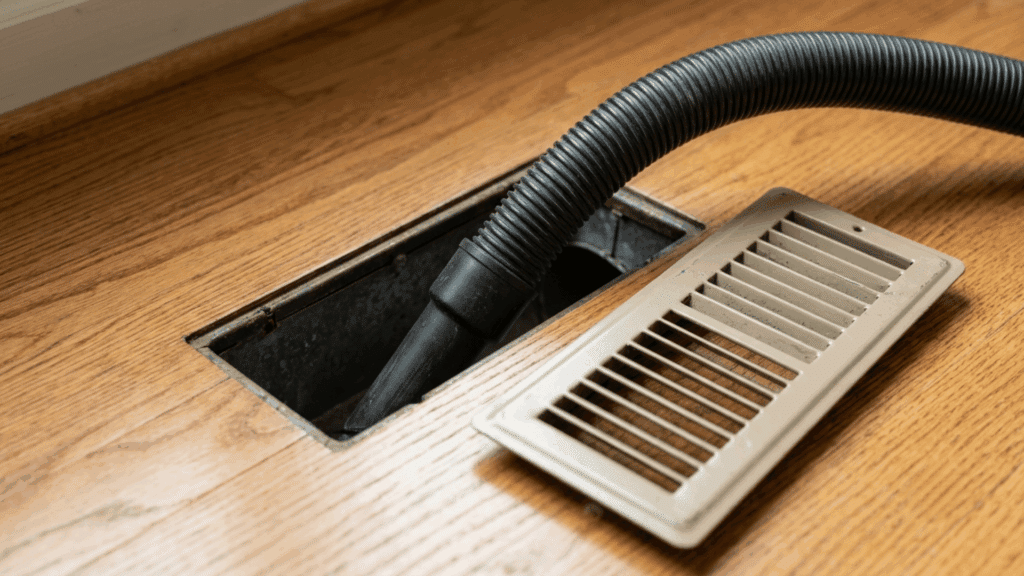
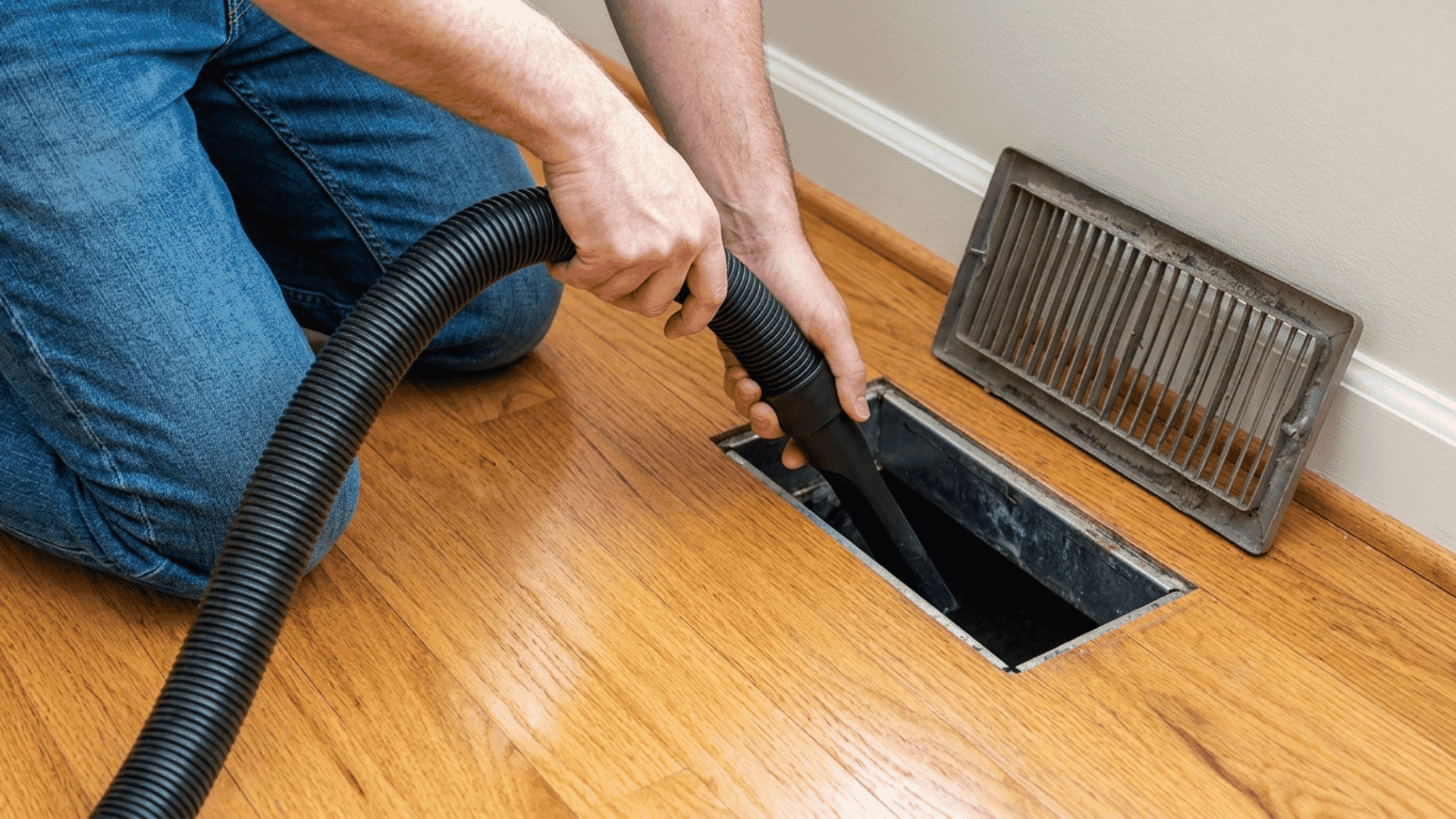
When included, professional cleaning removes dust and debris from supply and return ducts using agitation tools and vacuum equipment.
Understanding air duct cleaning cost before booking a service makes it easier to compare estimates and avoid paying for work you may not need.
Below, you will see common pricing methods, major cost factors, what professional cleaning may include, and when the expense can make sense. Keep reading to plan your budget with greater confidence.
How Much Does Air Duct Cleaning Cost?
Professional air duct cleaning commonly costs several hundred dollars, but the final price varies based on the scope of service.
A larger duct system, more vents, difficult access, or additional cleaning can increase the total cost.
An older EPA guide reported prices of roughly $450 to $1,000 per heating and cooling system, depending on the work included. Angi estimates that homeowners typically pay about $271 to $508, with an average cost of approximately $388.
Treat these figures as starting points, not fixed prices. Comparing written estimates that cover the same work gives a clearer picture of the actual cost.
Air Duct Cleaning Cost by Pricing Model
Cleaning companies may calculate charges using the whole system, number of vents, square footage, or labor time. Understanding the pricing method makes estimates easier to compare.
| Pricing Model | Typical Pricing | How It Works |
|---|---|---|
| Whole-system pricing | $450–$1,000 per system | One price based on system size, access, contamination, and included services |
| Per vent | About $25–$50 per vent | Total increases with the number of supply and return vents |
| Per square foot | About $0.15–$0.30 per sq. ft. | Price is estimated using the home’s size |
| Hourly labor | About $90–$125 per hour | Final cost depends on labor time and job difficulty |
Disclaimer: Pricing varies by contractor and location. These figures are general published estimates rather than standardized industry rates.
What Does HVAC Cleaning Include?
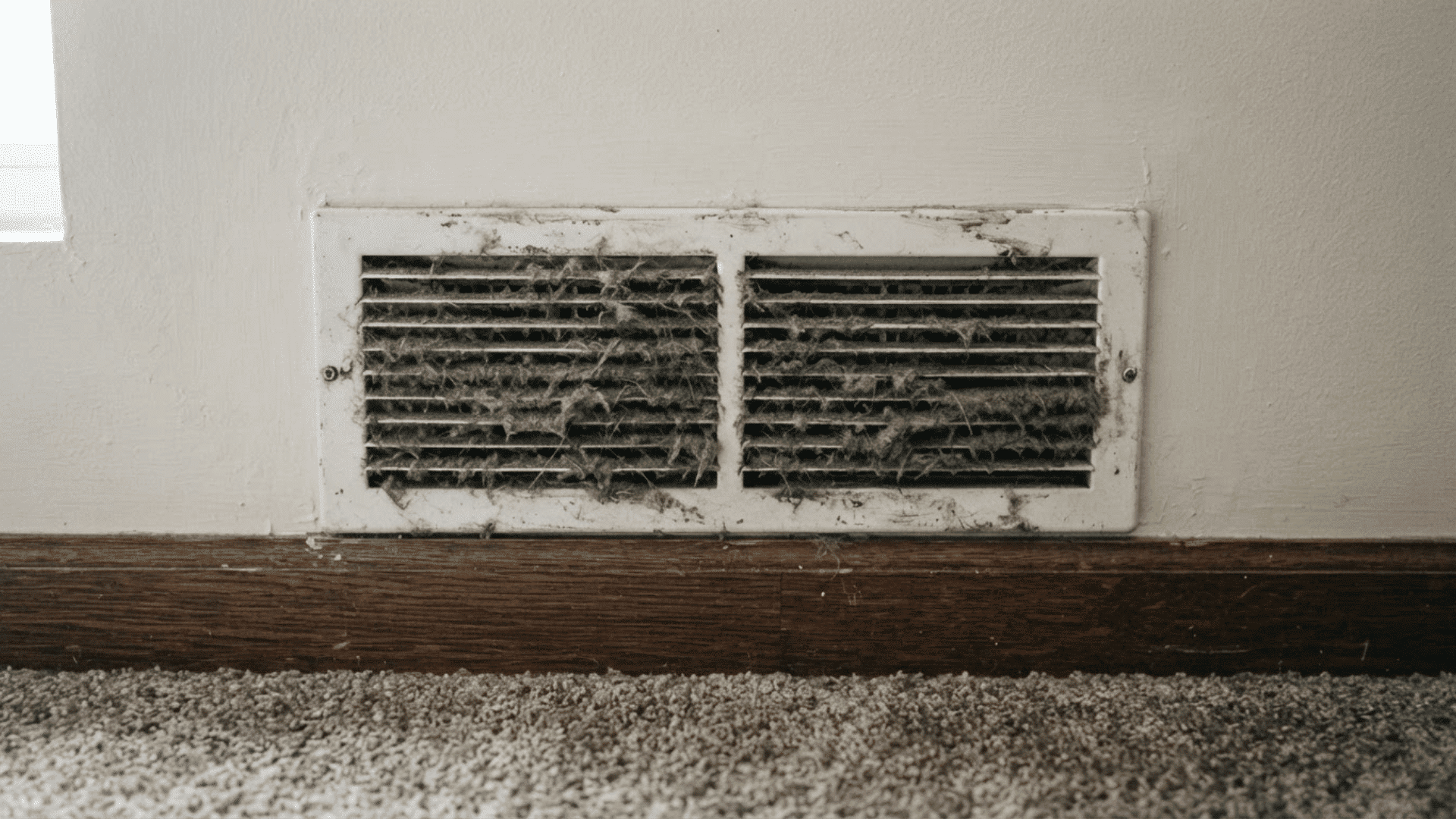
A basic duct-cleaning service may cover supply and return ducts, while broader HVAC cleaning can include coils, fans, and air handlers. Confirm the scope before agreeing to a price.
1. Supply and Return Air Ducts
Supply ducts carry heated or cooled air into rooms, while return ducts move air back toward the HVAC equipment.
Professional cleaning may loosen accumulated dust and debris inside both sections and remove it using specialized collection equipment.
Because these ducts run throughout the home, their size, layout, and accessibility can affect the amount of work required.
2. Registers, Grilles, and Diffusers
Registers, grilles, and diffusers are the visible openings through which air enters or leaves rooms. Over time, they can collect surface dust, pet hair, and other debris.
A thorough HVAC cleaning service may remove and clean these components before accessing the ducts behind them.
These openings also matter when a contractor charges per vent, since the number of registers and returns can affect the final price.
3. Heating and Cooling Coils
Heating and cooling coils are mechanical components inside the HVAC system that transfer heat as the system operates.
The EPA includes these components within its broader description of HVAC system cleaning. However, not every basic duct-cleaning package automatically covers them.
Homeowners should ask whether coil cleaning is included in the quoted service or is an additional charge, especially when comparing estimates from companies offering different levels of system cleaning.
4. Fan Motor and Fan Housing
The fan assembly helps move conditioned air through the duct system. Dust can collect around the fan housing and nearby components, which is why these areas may be included in complete HVAC system cleaning.
The EPA identifies both the fan motor and fan housing as components associated with duct-cleaning services.
Still, homeowners should not assume every contractor includes them in a standard package. An itemized scope makes it easier to compare providers and costs.
5. Air Handler and Drain Pan
The air-handler housing contains important HVAC components, while the condensate drain pan collects moisture produced during cooling.
Both may fall within the scope of a more complete HVAC cleaning service. The EPA lists air-handler housing and condensate drain pans among the components that can be included.
Homeowners should confirm the exact work beforehand because some companies may focus mainly on ductwork. A written estimate should clearly state which parts will be cleaned and which services would incur an additional charge.
What Affects HVAC Cleaning Cost?
No single price fits every property. Contractors usually consider the size, layout, condition, and accessibility of the HVAC system when preparing an estimate.
Home and System Size: Larger homes often contain more ductwork and vents, increasing the time and equipment needed to complete the cleaning properly.
Number of Vents: Contractors using per-vent pricing may charge about $25 to $50 for each vent, so additional supply and return openings increase the total.
System Accessibility: Ductwork that is difficult to reach can require additional labor, equipment setup, or access work, which may lead to a higher estimate.
Level of Contamination: Heavy dust, debris, visible contamination, or pest-related material can increase the amount of cleaning required compared with a relatively clean system.
Services Included: Cleaning additional HVAC components, performing inspections, or handling repairs can raise the total compared with a basic duct-only service.
How Often Should Air Ducts be Cleaned?
No universal cleaning schedule fits every home. The right timing depends on household conditions and system inspection results rather than a fixed calendar.
| Household Type | Suggested Interval | Reasoning |
| Standard home, no aggravating factors | Every 3 to 5 years (NADCA baseline) | A well-sealed home with decent filtration, no pets, and no smokers can often reach the longer end of this range |
| Home with pets that shed | Every 2 to 3 years | Pet hair and dander accumulate faster in ductwork |
| Occupants with allergies or asthma | Every 2 to 3 years | Allergen loading reaches actionable levels sooner when occupants are sensitized to airborne particles |
| Home with indoor smoker | Every 2 to 3 years | Smoke residue deposits in ductwork and recirculates through the system |
| After renovation or new construction | Inspect before first system startup or within 30 days | Drywall dust, sawdust, and insulation fragments enter open registers during construction |
| After water damage | Inspect immediately | Moisture contamination can create mold and bacterial growth inside HVAC components |
Is Air Duct Cleaning Worth The Cost?
Air duct cleaning can be worth paying for when there is a clear reason for the service rather than simply following a fixed schedule.
The EPA suggests cleaning ducts when there is visible mold, pest infestation, or excessive dust and debris. It does not recommend routine duct cleaning as a general practice.
Homeowners should also be cautious about claims that duct cleaning will automatically prevent health problems or dramatically improve indoor air quality.
Evidence supporting those broad claims remains limited. Cleaning should be based on the actual condition of the duct system.
The service is more likely to provide value when an inspection identifies specific contamination or debris.
Conclusion
A low advertised price can lose its appeal quickly when extra vents, difficult access, or add-on services appear on the final bill.
The smartest approach is to look beyond one headline number and focus on the work included. A clear estimate can help prevent surprise charges once the cleaning begins.
A reasonable air duct cleaning cost should reflect the system’s size, condition, accessibility, and actual cleaning requirements.
Ask for a written estimate, compare the same scope across providers, and make sure the service has a clear purpose.
Frequently Asked Questions
Can Air Duct Cleaning Damage Ductwork?
Yes. Improper tools or aggressive cleaning can damage some duct materials, so trained professionals should use methods suited to the system.
Should Furniture be Moved Before Cleaning?
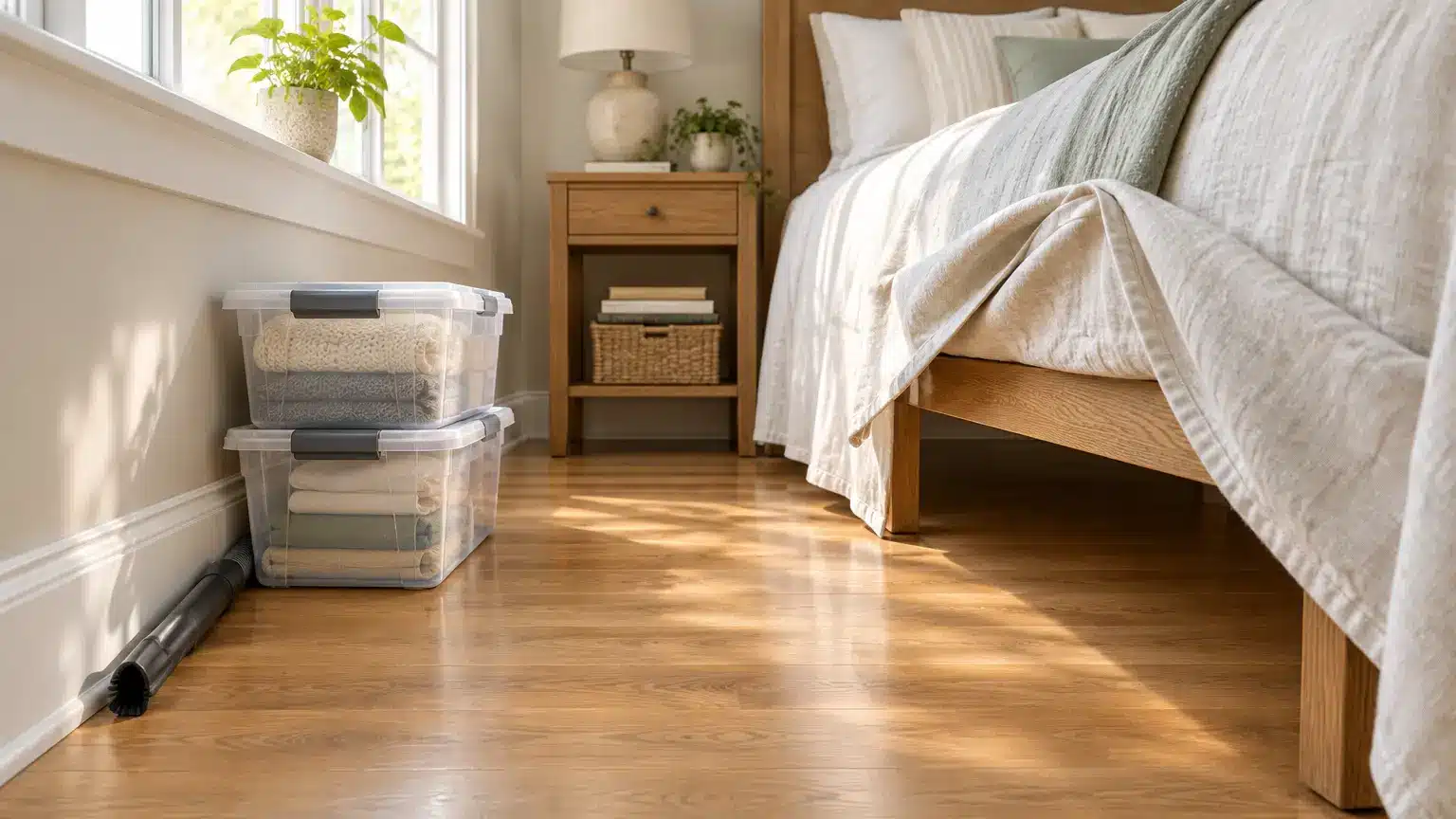
Clear access around registers and HVAC equipment can make the service easier. Follow the contractor’s preparation instructions before the appointment.
Can Duct Cleaning Remove Bad Odors?
It may help when debris inside ducts causes the odor, but smells from moisture, pests, or other sources require separate treatment.