


Moving can be voluntary or involuntary, but it’s never easy. Whether you’re chasing better housing, downsizing, or responding to a sudden life change, heavy furniture can make a simple move a serious operation.
In a city, there’s an even bigger challenge — tight stairwells, small elevators, strict building rules, limited parking… So, if you don’t prepare properly, you risk not only damage and delays, but injury, too.
Even if you plan to hire heavy furniture movers, there are some things to take care of long before they arrive.
Keep reading to learn how to prepare the right way.
Start With a Plan Before You Touch a Single Item
You might be in a rush or panic, but that’s not a reason to lift anything just yet. You need to map everything out.
City moves punish guesswork. Tight hallways, narrow staircases, and compact elevators leave no room for mistakes.
It’s best to start with measurements, so that you can have exact numbers, not estimates.
Measure Everything First
Grab a tape measure and write the numbers down:
- Measure doorways, hallway widths, ceiling height, stairwell clearance, and elevator depth
- Measure each large item at its widest and tallest points
- Account for turning angles, especially in apartment corridors
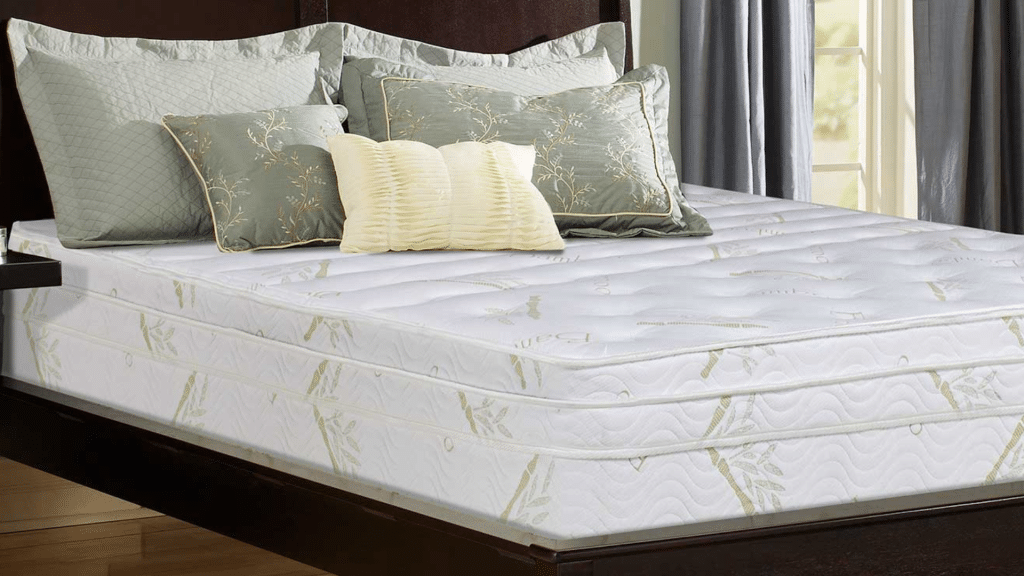
If you’re taking it with you, pay close attention to your bed size. A king frame that fits comfortably in your old place may block a tight stair landing in your new building. You can remove headboards and slats early if space looks tight.
There’s a good reason to take this seriously — a person in the United States can expect to move 11.7 times in their lifetime. That’s enough repetition to learn one thing: mistakes during prep cost time and money.
Confirm Building Rules
Every building has its own requirements.
You should call management and ask about elevator reservations, move-in windows, insurance certificates, and parking permits. Some buildings restrict weekend moves, while some require protective padding inside elevators.
Get written confirmation where possible.
All it takes is a simple phone call today to prevent a canceled move tomorrow.
Disassemble What You Can and Protect What You Can’t
The thing with large and heavy furniture is that it rarely moves well in one solid piece.
That’s why it’s best to take items apart to reduce weight, prevent wall damage, and make tight turns possible.
Not sure what to disassemble? If something looks bulky, assume it needs to be broken down.
What to Take Apart
The easiest starting point is the obvious pieces:
- Bed frames, headboards, and slats
- Sectional sofas with detachable sections
- Dining tables with removable legs
- Large desks and conference tables
- Tall bookshelves or cabinets with detachable tops
Keep all screws and bolts in labeled plastic bags. Then, label each bag directly to the furniture piece it belongs to. Don’t rely on memory; this is a stressful time. During unloading, speed matters, and missing hardware slows everything down.
A good tip is to take photos before the disassembly. A quick picture saves frustration when you rebuild.
How to Wrap and Secure Heavy Pieces
Protection now prevents repair bills later.
Use thick moving blankets, not thin household sheets. Secure them tightly with stretch wrap or packing tape, but never tape directly onto finished wood surfaces.
Don’t forget about corner protectors for dressers and tables. Remove glass shelves and wrap them separately with padding and cardboard support.
Dressers can feel quite heavy, so take the drawers out. Wrap the frame and move the drawers individually.
If you still decide to leave them inside, secure them shut with stretch wrap to prevent sliding.
Prepare for Tight Spaces, Stairs, and Elevators
Moves in general leave very little room for mistakes, but busy cities leave none.
You need to think beyond the furniture itself. Map the entire process out.
Imagine the path it will travel. Walk it from start to finish before moving day. Then, remove rugs, wall art, mirrors, and small tables. The goal is to clear the entire route so nothing slows the process.
Think about weight distribution, too. Heavy pieces should stay upright whenever possible. Tilting too far increases the chance of scraping walls or losing balance on stairs. If the stairs are narrow, have one person guide from below and one to stabilize from above.
Quick tips:
- Use furniture sliders to move heavy pieces across hardwood floors
- Pad elevator walls and corners if the building doesn’t provide protection
- Secure doors open during loading so you avoid repeated stops and sudden swings
In a 2024 study about moving, the biggest driver behind moves was the desire for new or better housing. More people are relocating within cities or into denser areas, which means more tight layouts and shared spaces. This just makes preparation even more important.
You don’t want one careless turn in a stairwell to damage both the furniture and the building.
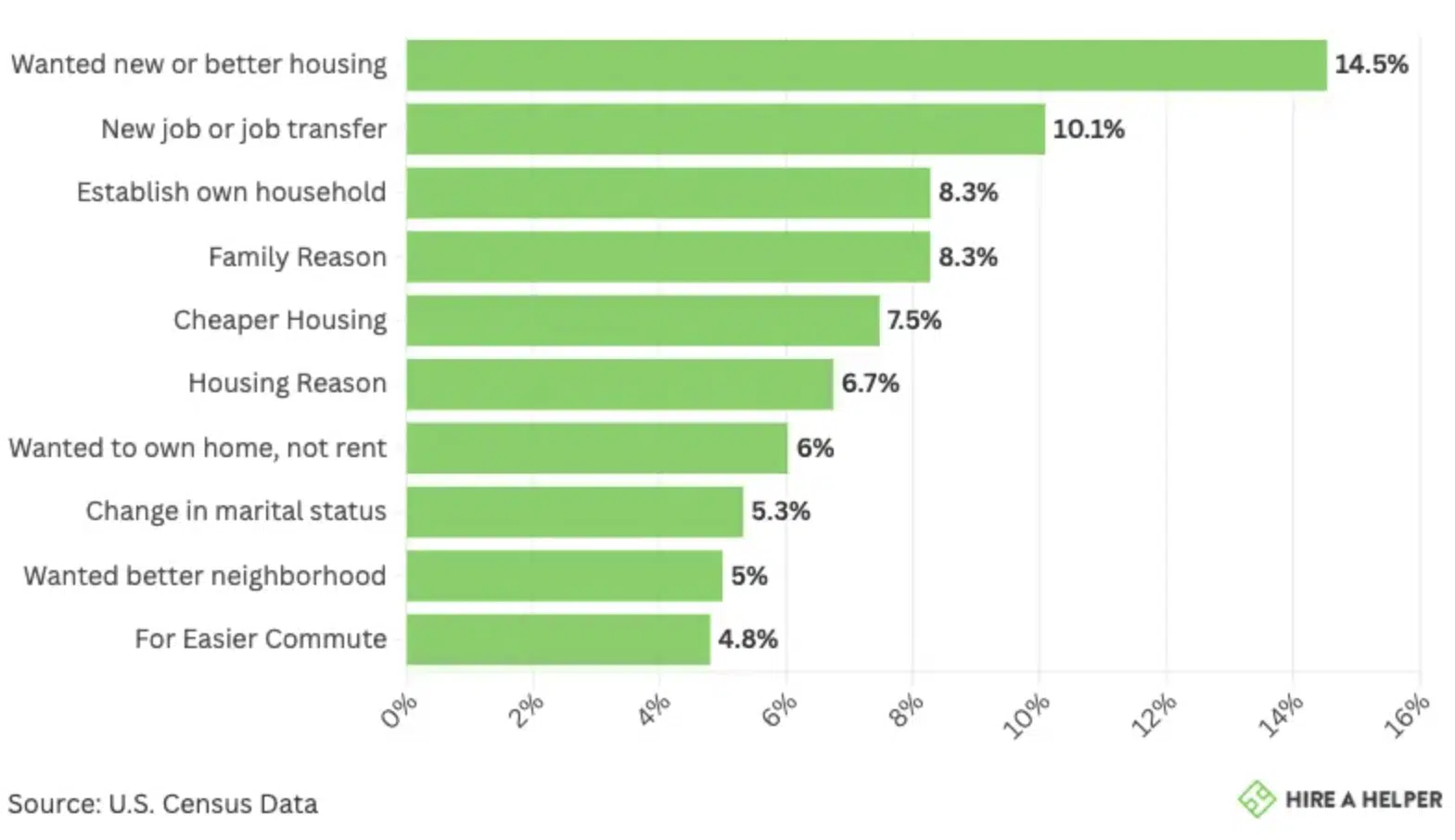
Source: hireahelper.com
Stage Your Furniture for a Smooth Exit and Setup
Things don’t end with wrapping. But there are just a few simple steps left.
Stage heavy items near the exit in the order they will be loaded, and keep pathways open. Place the largest pieces closest to the door, so they leave first and go into the truck against the wall for stability.
While we did emphasize the importance of labeling, make sure to keep tools, hardware bags, and a basic toolkit in a clearly marked box. You will probably need them right away at the new place.
Prepare the photos you’ve taken earlier and will use for the faster reassembly.
It’s also smart to think about placement in the new space way before unloading begins. It may not be a quick decision to figure out where each large item will go. This will save you from carrying the same sofa over and over again across the new place.
All in all, good preparation does more than just preventing damage. It sets the tone for your first night in the new place (and many more days and nights).
Heavy furniture is often the most complicated part of any move, so when it goes in smoothly and lands exactly where it’s supposed to, you’ll settle in faster and make a new house feel like your own.