


Expansive windows are often introduced through photographs. They frame a view, pull daylight deep into a room, and make the boundary between indoors and outdoors feel almost weightless. Yet the experience of living beside a large opening depends on details that a photograph cannot show.
A window may look perfectly aligned with the architecture and still be difficult to lock, uncomfortable to sit beside, or awkward to shade. Good residential design therefore continues after the dimensions and frame color are chosen. It includes the way the opening moves, seals, reflects light, and supports the routines around it.
Comfort Begins With How the Window Is Used
The first question is not how large the window is, but what people expect it to do. A fixed pane has a different job from a casement used for ventilation, a sliding unit beside a patio, or a tall window that must be shaded every afternoon. Each use creates its own points of contact, clearance needs, and maintenance demands.
Operate the window as a resident would. Can the handle be reached without leaning over furniture? Does the sash move without a special push or lift? Can the lock be engaged in one natural motion? If daily operation requires a workaround, the visual composition is not fully supporting the room.
Hardware also changes the feeling of quality. A loose crank, dragging sash, or latch that misses its keeper creates friction every time the opening is used. These are small events, but repetition gives them more weight than a dramatic view enjoyed from across the room.
Check the Seals Before Blaming the Glass
A cold area beside a large window does not automatically mean the glass has failed. Air can move at a worn sash seal, an uneven locking point, a stationary perimeter joint, or a nearby wall connection. The useful first step is to identify the exact edge where the condition is strongest and whether it changes when the sash is locked.
Compare the corners, meeting rails, and frame perimeter without removing trim or adding temporary material. A lightweight tissue can help reveal air movement, while a visual check can show compressed weatherstripping, separated caulk, or a latch that no longer pulls the sash evenly into position. These observations narrow the repair question without pretending to diagnose a concealed condition.
Condensation requires a separate note. Moisture on the room-side glass, fogging between panes, and a stain below the frame point to different questions. Record timing, weather, and location before assuming that every moisture symptom calls for glass replacement or another bead of sealant.
The Perimeter Shapes the Experience
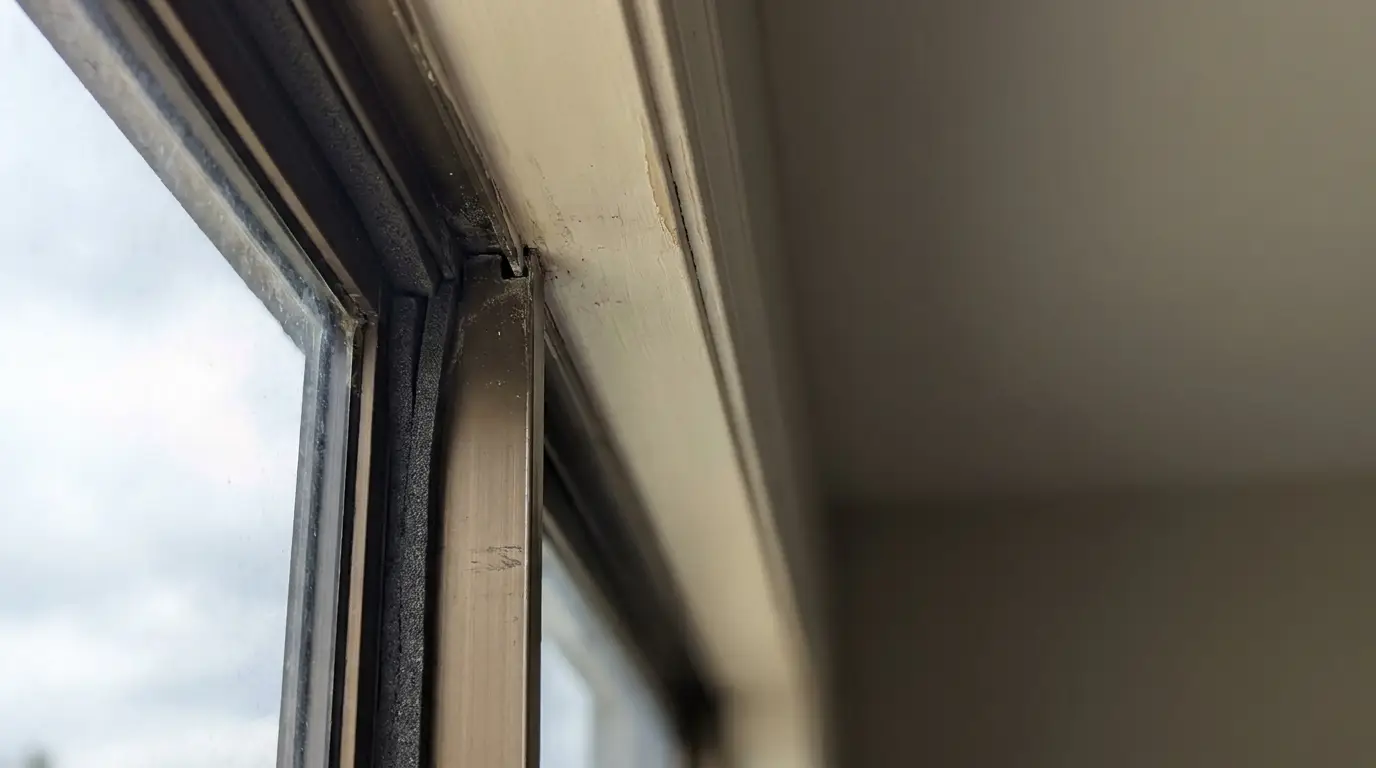
The glass is only one part of the opening. Frame connections, weatherstripping, adjacent trim, and the joint between the unit and the surrounding wall influence air movement and moisture control. A narrow draft or an isolated stain can make an otherwise calm room feel unsettled.
Look for patterns before choosing a remedy. Does discomfort appear along one edge or across the full opening? Does it change when the sash is locked, when the wind shifts, or when a shade is lowered? These observations help distinguish room airflow from an operational or perimeter condition.
When a design-led opening no longer closes, locks, or seals as intended, Chicago-area homeowners can involve Capahome after documenting the symptom. The useful point is not the company name itself, but the decision to evaluate the operating window and its surrounding details as one system.
Match the Repair to the Failing Component
Large windows combine glass, sash hardware, balances or rollers, locks, screens, weatherstripping, drainage details, and stationary joints. A problem with one component should not automatically trigger work on all of them. A sash that drags may need an operating repair, while a cracked exterior joint requires a different material and preparation process.
Ask the proposed scope to name the observed defect, the component being addressed, and the result that will be tested. That keeps a hardware adjustment from being presented as insulation work and prevents caulk from being used over moving parts or drainage openings. The smallest defensible repair is the one that restores the required function without hiding a connected problem.
Coordinate Maintenance With the Window Assembly
Maintenance access should be considered before built-ins, deep window seats, or fixed decorative panels are installed. A technician may need to reach locks, balances, rollers, screens, or perimeter joints. Preserving that access avoids dismantling a finished feature to address an ordinary operating problem.
Material transitions deserve the same attention. Wood trim, painted drywall, masonry, metal frames, and sealants respond differently to temperature and moisture. A joint that looks visually minimal still needs enough space and the correct material to accommodate expected movement.
Cleaning methods can also affect performance. Excess water on wood trim, aggressive tools on coated glass, or paint across drainage and hardware details can turn routine care into a defect. Product-specific instructions should guide cleaning when the frame, finish, or glazing has special requirements.
Keep a simple record of adjustments and repairs. A dated note about a latch, seal, or recurring moisture pattern helps future owners and professionals understand whether the condition is new, seasonal, or returning after earlier work.
Plan for Future Access
A large opening may perform well today and still need adjustment years later. Before placing permanent millwork, stone returns, or built-in seating, consider how screens, locks, balances, rollers, and perimeter joints could be reached. Keep photographs of concealed conditions taken before the finishes were closed, along with product labels and operating instructions. That modest record can save exploratory work when a symptom appears. It also helps a future owner distinguish an original design detail from a later modification. Thoughtful access does not weaken the architecture. It protects the finished composition by allowing ordinary inspection and maintenance to happen without dismantling the features that make the room distinctive.
Retest the Window After Service
A completed repair should be checked against the original symptom. Open and close the sash, engage every lock, inspect the contact points, and observe the opening during the weather that previously produced a draft or moisture mark. Also confirm that screens and window treatments still move without contacting repaired hardware.
Large architectural windows remain successful when their size and appearance are supported by reliable operation. Documenting the symptom, repairing the affected component, preserving service access, and retesting the outcome protects the original opening without turning every localized problem into a replacement project.