
You strap a watch to your wrist to count steps or clip a band to your arm to check your heart rate. But some people are switching to something much smaller: a ring worn on one finger.
So what does an Oura Ring do that makes it different from every other tracker out there? The answer isn’t as simple as counting steps or logging a bedtime.
This small device quietly picks up signals from your body all day and night, then turns them into numbers you can actually understand.
Keep reading to see how it works, what it tracks, and if the price tag makes sense for your daily routine.
What is an Oura Ring?
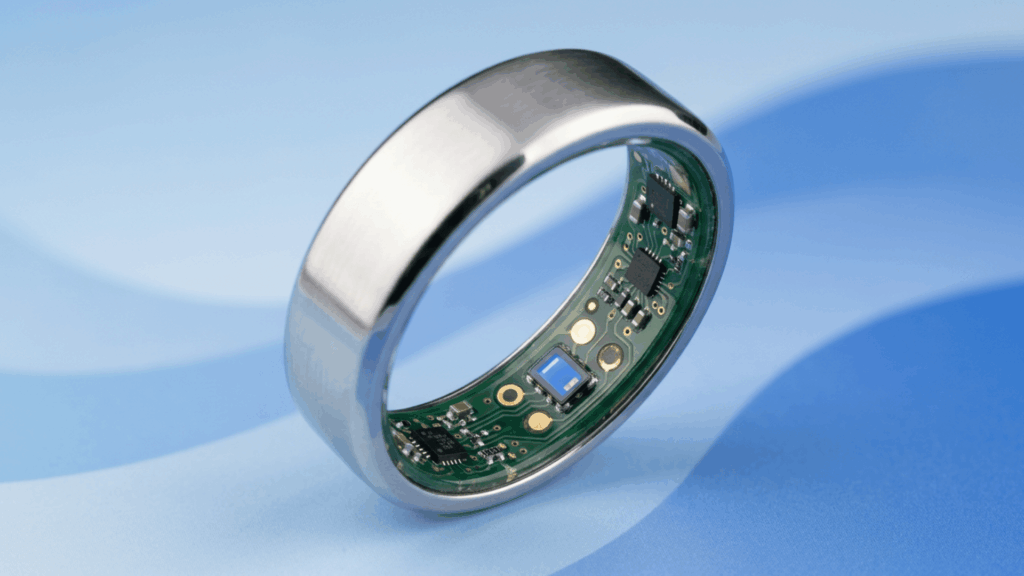
An Oura Ring is a finger-worn wearable that looks like a regular ring. Infrared and colored LEDs measure pulse-related signals, while temperature sensors detect changes from the wearer’s baseline.
Unlike a smartwatch, the ring has no display, notifications, calls, or on-device workout controls. Users review information through its mobile app.
This design makes the device discreet and suitable for overnight wear. Still, its purpose differs from that of a sports watch.
Oura Rings emphasize passive monitoring and long-term wellness patterns over live exercise stats or smartphone features.
What Does an Oura Ring Do?
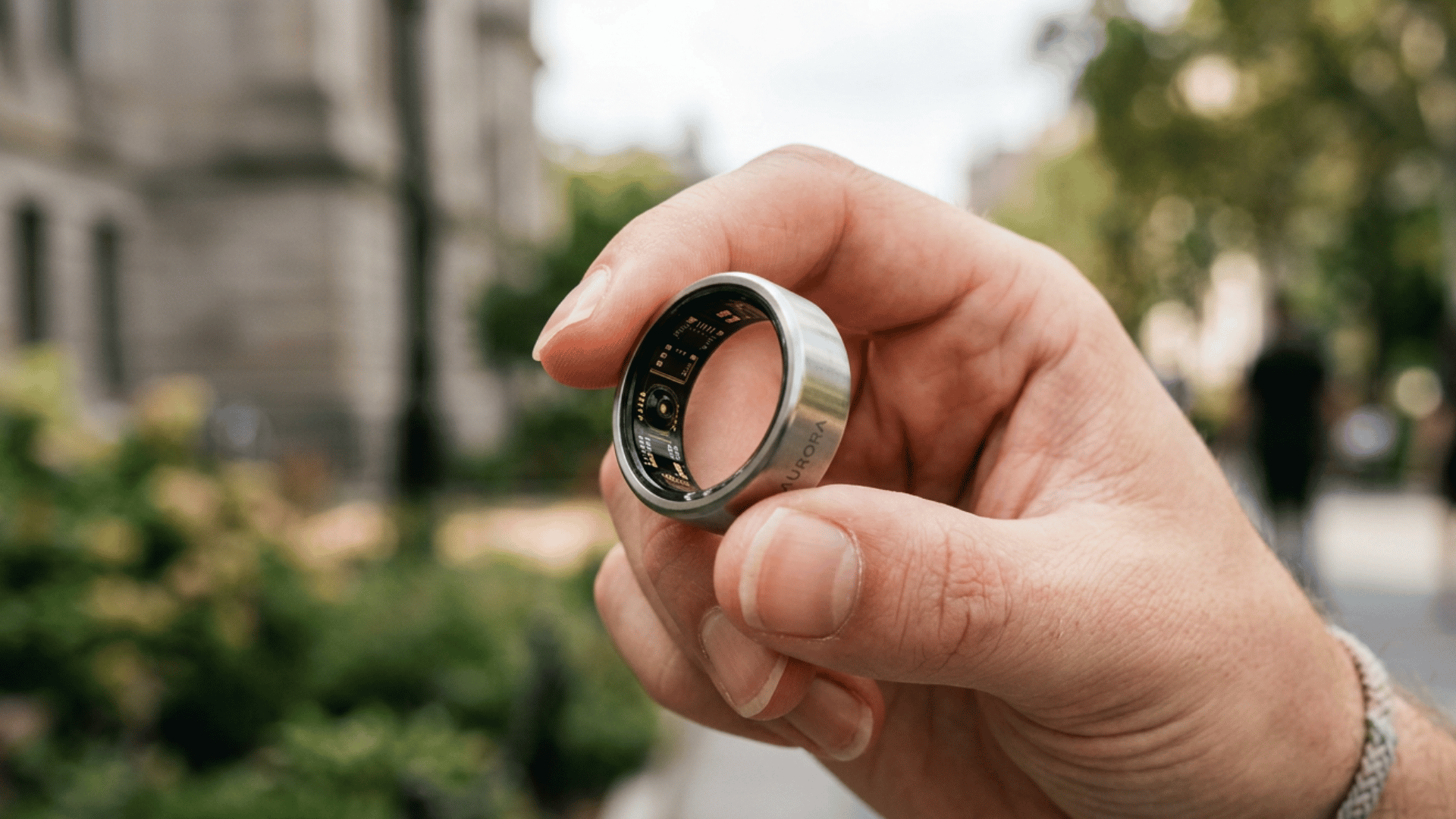
The ring brings several wellness measurements into one app, helping wearers examine sleep, recovery, activity, heart metrics, and broader health patterns.
1. Tracks Sleep Quality
A National Library of Medicine study found that Oura’s sleep-staging algorithm showed meaningful agreement with clinical sleep testing.
Peer-reviewed validations have found moderate-to-strong agreement with clinical sleep studies, although independent results vary, and Oura should not be considered a substitute for polysomnography.
2. Measures Recovery and Readiness
The Readiness Score shows how prepared the body may be for physical or mental strain on any given day.
It combines sleep quality, resting heart rate, heart rate variability, temperature trends, and activity balance into one unified metric.
While useful for spotting recovery trends, interpret it over time, since a single low score does not confirm illness or fatigue.
3. Tracks Daily Activity
Oura records steps, general movement, estimated calories burned, inactivity periods, and progress toward daily activity goals.
It can automatically detect certain activities, although users may need to verify or adjust them for accuracy.
Unlike fitness watches, it does not focus on live workout tracking, detailed training zones, or route mapping during exercise sessions.
4. Monitors Heart and Breathing Metrics
These readings can highlight changes from personal baselines, but they cannot explain the cause.
FDA guidance distinguishes general wellness products from medical devices intended to diagnose, monitor, treat, or prevent medical conditions.
5. Provides Broader Health Data
Oura combines sleep, activity, and physiological data to estimate stress levels, recovery time, and long-term resilience patterns.
It also includes cycle tracking features that use temperature trends and logged data to estimate menstrual cycle phases.
These data help users understand overall wellness trends, but they should not be treated as precise medical predictions or clinical conclusions.
Oura Ring 3 vs. Oura Ring 4: What Changed?
The Oura Ring 4 replaced the Ring 3 as Oura’s main model in 2024. It moved to a fully titanium build, replacing the older titanium-and-resin design. Real-world results stay close between the two, even though the spec sheet looks like a bigger jump.
Feature | Oura Ring 3 | Oura Ring 4 |
|---|---|---|
Design | Titanium outside, resin inside | Fully titanium, inside and out |
Sizes | 6 to 13 | 4 to 15 |
Weight | 4 to 6 grams | 3.3 to 5.2 grams |
Battery life | Up to 7 days | Up to 8 days |
Starting price | Around $299 | Around $349 |
Membership | $5.99 a month | $5.99 a month |
Note: Oura Ring 5 launched in 2026, so this table specifically compares the earlier Ring 3 and Ring 4 generations. Actual battery life can vary depending on settings, feature use, charging habits, and battery age.
How Does The Oura Ring Work?
The ring converts physical signals into useful information through four connected steps. It runs quietly in the background, with no buttons or screens needed.
1. Sensors Collect Body Signals: Optical sensors, temperature sensors, accelerometers, and a gyroscope record pulse, temperature changes, movement, and direction.
2. The Ring Stores and Transfers Data: Collected information is temporarily stored before being transferred to the Oura app through Bluetooth.
3. The App Analyzes Personal Patterns: Oura compares recent measurements with the wearer’s established baseline to identify changes in sleep, activity, and recovery.
4. Results Appear as Scores and Data: Sleep, Readiness, and Activity Scores summarize the findings, while charts provide additional detail.
What Real Users Say About The Oura Ring
Real Oura Ring users share practical experiences that reveal how the device performs beyond specifications, scores, and controlled product testing.
Oura ring is a dedicate sleep tracker and the rest of the collected data, about the workouts, temps, steps, calories, etc are just “informative” lets say.
A Reddit user described Oura primarily as a sleep tracker, noting that its workout, temperature, step, and calorie data provide general context rather than detailed fitness analysis.
I’m considering buying one or another brand & didn’t realize this was a thing, so thanks. I already have to track my vitals for immune disease & even if I feel ok considering, seeing a trend of hi/low’s can be a lil stressful. Being given those & told to calm down? Definitely
Another Reddit user raised concerns that frequent high or low readings could increase stress, particularly for people already monitoring chronic health conditions.
If he has any wrist tattoos where the watch might be, reconsider it. I tried Apple and garmin and with my tattoos it wasn’t super accurate. I read it’s common but also read people having fine experiences in that situation.
A Reddit user noted that wrist tattoos affected smartwatch sensor accuracy, suggesting a finger-worn Oura Ring may offer a practical alternative in such cases.
Oura Ring Features: Pros and Cons
The main strengths are sleep and recovery, while the main drawbacks are price, membership, and limited exercise functions.
Pros | Cons |
|---|---|
Detailed sleep-pattern tracking | Full app access requires a membership |
Comfortable for many overnight users | More expensive than basic trackers |
Several days of typical battery use | Battery duration varies by settings and age |
Discreet, screen-free design | No display or smart notifications |
Useful recovery and stress data | Limited live workout tracking |
Simple daily scores | Large amounts of data may feel overwhelming |
Long-term personal trends | Accuracy varies across measurements |
Is The Oura Ring Worth it?
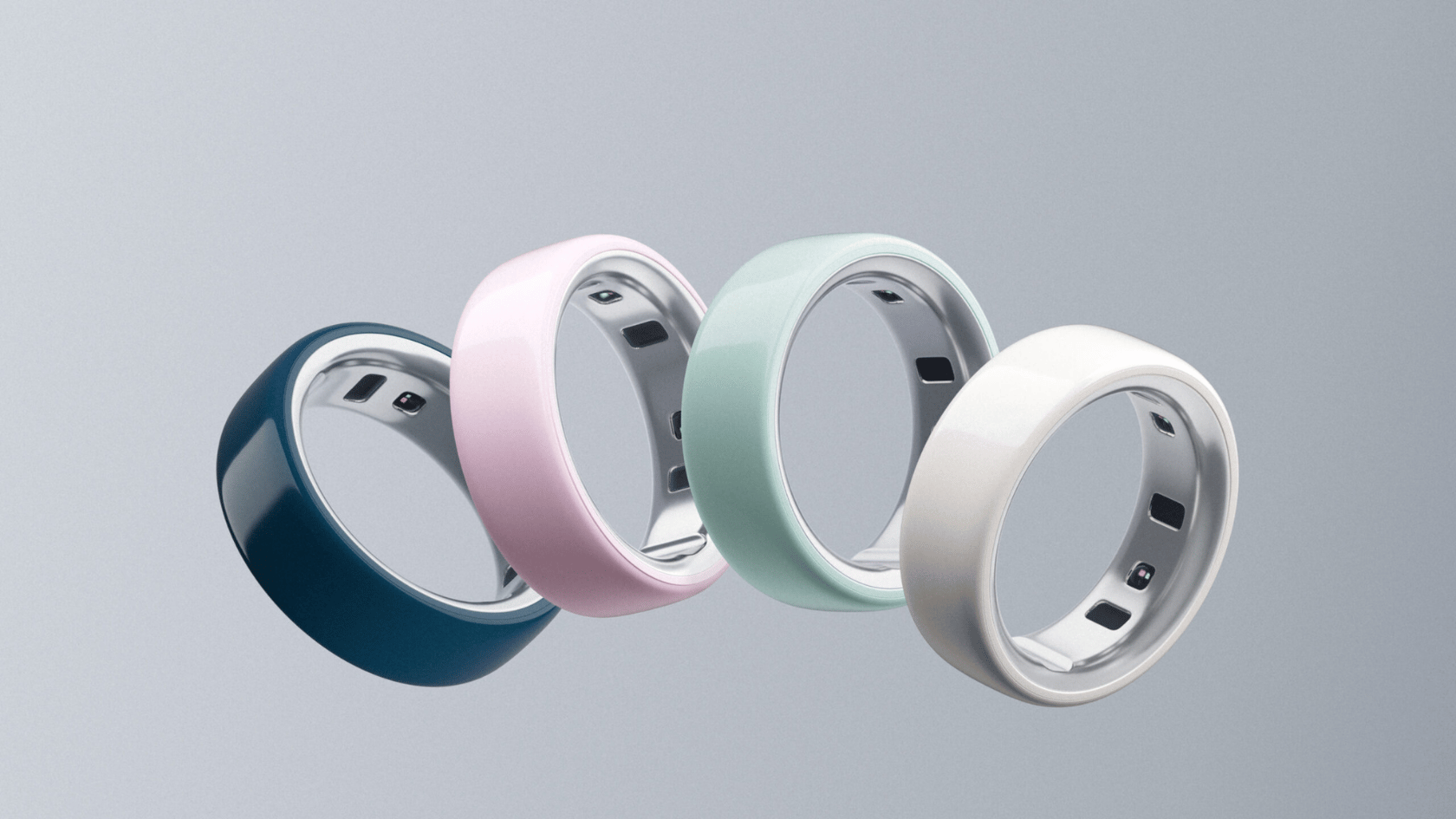
The Oura Ring may be worth considering for people focused on sleep, recovery, and passive wellness tracking.
Its screen-free design may also suit those who find smartwatches uncomfortable or distracting.
The device offers greater value when long-term patterns lead to practical changes, such as adjusting bedtime, meal timing, or exercise intensity.
Serious athletes may find its workout features limited, while budget-conscious buyers may dislike the membership cost.
It is also unsuitable for anyone expecting medical diagnoses, clinical precision, or useful results without consistent wear and regular data review over time.
Oura Ring Price and Where to Buy it
Price is a real factor when deciding if the Oura Ring fits your budget.
The Oura Ring 4 starts around $349, while the older Oura Ring 3 started closer to $299, and prices shift depending on the color or finish you pick.
Once you own the ring, Oura still charges a $5.99 monthly membership to unlock full access to your sleep, recovery, and activity data.
Skip that membership, and your app view stays limited, so factor the ongoing cost into your decision, not just the price of the ring.
If you want to compare current prices, sizes, and colors before buying, Amazon lists the full lineup along with the sizing kit you need to order first.
Oura Ring Battery Life and Daily Use
Oura Rings generally operate for several days between charges, with advertised maximums reaching up to seven days for Ring 3 and eight days for Ring 4, while real-world use may often fall closer to three to five days.
Actual duration varies by battery age, settings, feature use, and charging habits. Short charging sessions during showers or desk work can help preserve overnight records.
Comfort depends on correct sizing. Fingers may swell during sleep, exercise, heat, or changes in hydration, so the sizing kit should be tested for a full day and night.
The ring can remain on during many routine activities, but weightlifting may scratch the surface or press it against the finger. All detailed information also depends on access to the mobile app.
Key Points to Consider Before Buying an Oura Ring
A few practical checks can help buyers decide whether the Oura Ring fits their habits, expectations, budget, and tracking priorities.
- Tracking Purpose: Sleep and recovery should matter more than detailed workout statistics or smartwatch functions.
- Total Cost: The device price and ongoing membership should both fit the long-term budget.
- Ring Fit: The sizing kit should be tested during sleep, activity, and normal finger swelling.
- Data Response: Daily scores should encourage useful decisions rather than create unnecessary worry or constant checking.
- Wear Routine: Consistent daytime and nighttime use is necessary for complete and personally relevant trends.
- Medical Expectations: Wellness data should support awareness, not replace professional evaluation or approved medical equipment.
Final Verdict
The Oura Ring works quietly in the background, and that is the point.
So what does an Oura Ring do that other trackers can’t? It reads your body while you sleep, rest, and move, then turns signals into scores you can act on.
You have seen how it tracks sleep, recovery, and activity, plus where its limits show up in cost and workouts.
Starting around $299 for the Ring 3 and $349 for the Ring 4, plus a $5.99 monthly membership, it is not a small buy. For someone who checks the numbers, it can pay off.
Would the Oura Ring’s sleep and recovery information justify its cost? Share an opinion or personal experience in the comments.
Frequently Asked Questions
Can The Oura Ring be Worn while Swimming?
Yes. It is water-resistant to 100 meters and can be worn while showering, swimming, or snorkeling.
Which Finger is Best for The Oura Ring?
It works on any finger, although the index, middle, or ring finger generally provides the strongest signal.
Does The Oura Ring Work Without a Phone Nearby?
Yes. It continues collecting data when disconnected, then syncs the stored information once Bluetooth reconnects.