

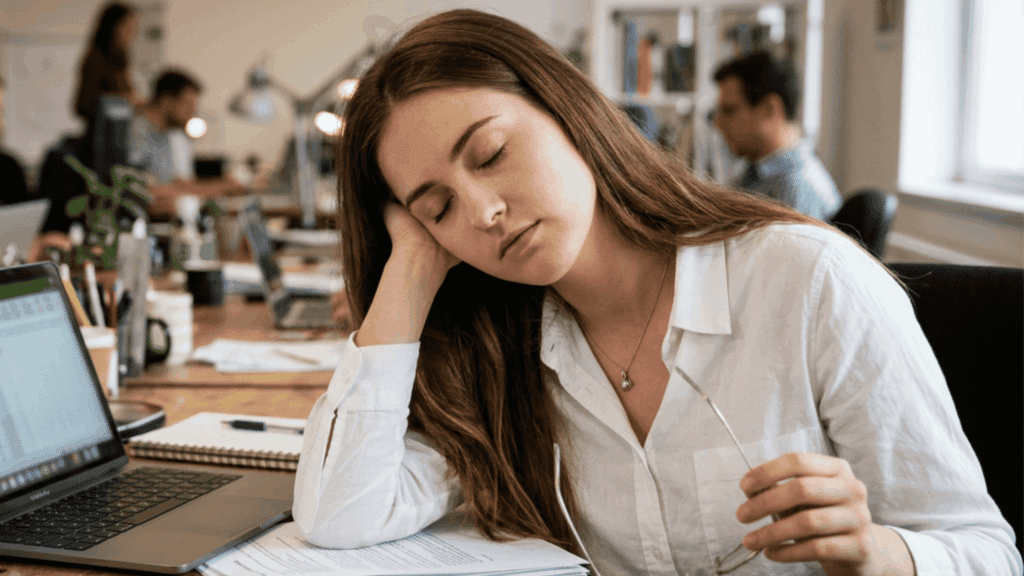
A sleepless night can leave the mind foggy, the body sluggish, and the entire day harder to manage.
Learning how to recover from lack of sleep fast starts with the right balance of light, hydration, food, movement, caffeine, and rest.
This article breaks down what to do immediately, how to manage the next 24 hours, and which habits may slow recovery.
Keep reading to feel more functional and reset your sleep routine safely.
Why a Bad Night’s Sleep Feels So Draining
Even one night of poor sleep can make the next day feel unusually difficult because the brain and body have not completed their normal restorative processes.
Sleep loss can also affect mood, leaving a person more irritable or emotionally sensitive. Physical symptoms may include heavy eyes, headaches, low motivation, and a strong urge to rest.
Appetite can shift as well, often increasing cravings for sugary or high-calorie foods. These effects intensify when poor sleep persists for several nights.
Understanding this temporary strain helps set realistic expectations: quick recovery steps may improve alertness, but sufficient, consistent sleep is still needed for full recovery.
How to Recover from Lack of Sleep Fast
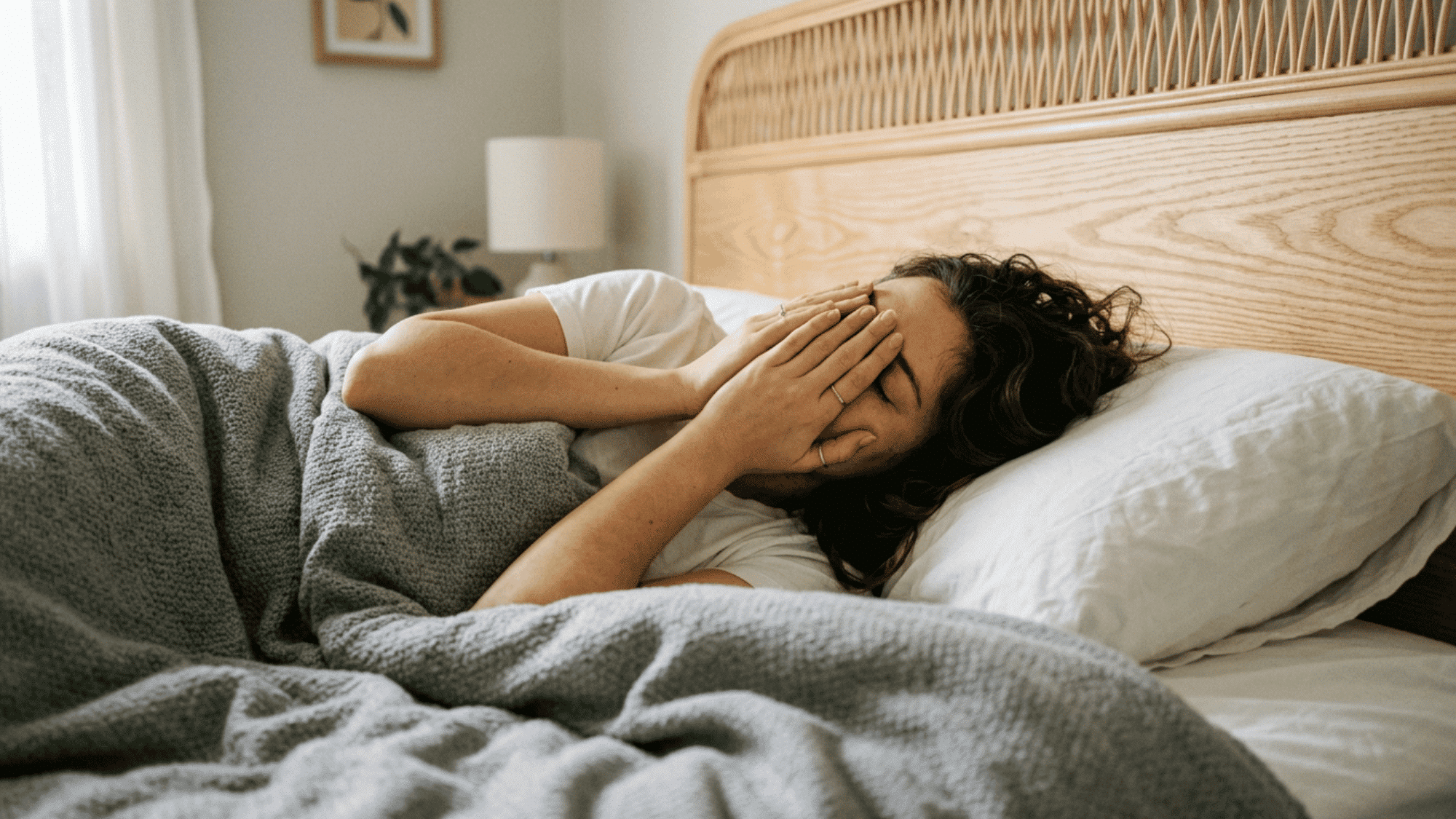
A few practical steps can improve alertness and help you manage the day after poor sleep. However, these measures offer temporary support and cannot replace sufficient nighttime rest.
Get Morning Light and Eat a Balanced Meal
Begin the day with natural light, water, and a balanced breakfast. A calming evening routine can also support better sleep recovery by helping the body maintain a consistent sleep pattern and prepare for deeper rest.
Daylight helps signal that it is time to wake up, while hydration and regular meals can prevent tiredness from worsening. Step outside for a short walk or sit near a bright window.
Choose protein, whole grains, fruit, or vegetables instead of sugary foods, which can cause energy levels to rise and fall quickly throughout the morning.
Use Caffeine Carefully and Early
Caffeine can temporarily improve alertness, but timing matters. Have a moderate amount in the morning or early afternoon rather than drinking coffee repeatedly throughout the day.
Avoid caffeine close to bedtime because its effects may remain for several hours and interfere with recovery sleep.
Skip large energy drinks if they cause anxiety, shakiness, digestive discomfort, or a racing heartbeat, and continue drinking water alongside caffeinated beverages during the recovery period.
Take a Short Early-Afternoon Nap
A brief nap can reduce sleepiness and improve alertness for part of the day.
Aim for about 20 minutes during the early afternoon, and set an alarm so the nap does not extend into deeper sleep. Longer or later naps may leave you groggy and make it harder to fall asleep that night.
Remember that napping offers temporary relief but cannot provide all the benefits of sufficient nighttime sleep alone.
Stay Active but Reduce Risky Tasks
Use light physical activity to stay more alert without placing extra strain on a tired body.
Take a short walk, stretch between tasks, or move around regularly instead of sitting for long periods. Avoid intense exercise when you feel dizzy, weak, or poorly coordinated.
Reduce the number of demanding decisions and postpone risky work when possible. Never drive if you are struggling to keep your eyes open or maintain safe attention levels consistently.
Protect Your Sleep the Following Night
Protect the following night instead of trying to fix everything during the day. Return to your usual bedtime, dim the lights in the evening, and stop caffeine several hours beforehand.
Avoid alcohol and heavy late meals, which may disturb sleep quality. Keep the bedroom quiet, dark, and comfortably cool.
Allow enough time for a night of sleep, then maintain a consistent schedule over the next few days to support recovery.
A 24-Hour Recovery Plan After Poor Sleep
A structured routine can improve daytime alertness while protecting the following night’s sleep. Use this timeline to manage energy without relying on excessive caffeine or long naps.
| Time | What to Do | Why It Helps |
|---|---|---|
| After Waking | Drink water, get 15–30 minutes of natural light, and eat a balanced breakfast. | Light supports the sleep-wake cycle, while food and fluids provide steady morning energy. |
| Early Morning | Have a moderate amount of coffee or tea if normally tolerated. | Early caffeine may improve alertness without interfering as much with nighttime sleep. |
| Late Morning | Complete important tasks and take short walking or stretching breaks. | Focus may be stronger earlier, while movement can temporarily reduce sluggishness. |
| Lunch | Choose a moderate meal with protein, fiber, vegetables, and whole grains. | Heavy or sugary meals may cause an afternoon energy crash. |
| Early Afternoon | Take a 15–20-minute nap if needed, then move around when you wake up. | A brief nap can improve alertness without making bedtime significantly harder. |
| Late Afternoon | Avoid more caffeine and postpone risky or complicated tasks when possible. | Fatigue can slow reactions, while late caffeine may delay sleep. |
| Evening | Eat a lighter dinner, avoid alcohol, and reduce bright lights and screens. | Calmer evening habits prepare the body for more restful sleep. |
| Bedtime | Keep the room cool, dark, and quiet, and follow the usual sleep routine. | A consistent environment supports better-quality overnight recovery |
What Should You Eat After a Sleepless Night?

Food cannot replace lost sleep, but balanced meals can support steadier energy throughout the day. Focus on protein, fiber, complex carbohydrates, and regular hydration.
- Protein-Rich Foods: Choose eggs, Greek yogurt, tofu, beans, or lean meat to create a filling breakfast and reduce the urge to snack constantly.
- Complex Carbohydrates: Eat oats, whole-grain toast, brown rice, or sweet potatoes for energy that lasts longer than sugary cereals, pastries, or refined snacks.
- Fruits and Vegetables: Include bananas, berries, oranges, leafy greens, or carrots to add fiber, fluids, vitamins, and minerals without making the meal overly heavy.
- Water and Low-Sugar Drinks: Drink water regularly throughout the day, as dehydration can worsen headaches, tiredness, dry mouth, and difficulty concentrating after poor sleep.
- Foods and Drinks to Limit: Avoid heavy meals, excess sugar, energy drinks, and late caffeine, which may interfere with the following night’s recovery sleep.
When Should You Speak to a Doctor?
Speak to a doctor if poor sleep continues for several weeks, keeps returning, or begins to affect work, mood, concentration, or daily safety.
Medical advice is also important when a person gets enough time in bed but still wakes unrefreshed or struggles with severe daytime sleepiness.
Loud snoring, choking, gasping, or pauses in breathing during sleep may point to sleep apnea and should not be ignored.
These may be signs of sleep apnea, a condition that can affect sleep quality and daytime energy. A doctor may review sleep habits, medicines, health conditions, and stress, or recommend a sleep study.
Keeping a sleep diary for one or two weeks can provide useful details during the appointment for further assessment.
Conclusion
A bad night does not have to ruin the entire day. The key is knowing how to recover quickly from a lack of sleep without making choices that delay the next night’s rest.
Morning light, balanced meals, careful caffeine use, gentle movement, and a short nap can help restore focus and energy.
Still, lasting recovery comes from getting enough sleep over the next few nights.
Start with one smart step today, protect your bedtime tonight, and give your body the rest it needs to feel steady again.
Frequently Asked Questions
Can Lack of Sleep Cause Stomach Problems?
Yes. Sleep loss may contribute to nausea, stomach discomfort, constipation, diarrhea, or changes in digestion.
Can Stress Cause Short-Term Sleep Problems?
Yes. Work pressure, family concerns, or upsetting events can cause short-term insomnia lasting several days or weeks.
Can Extreme Sleep Loss Cause Hallucinations?
Severe or prolonged sleep deprivation may cause hallucinations, confusion, or other serious symptoms requiring prompt medical attention.