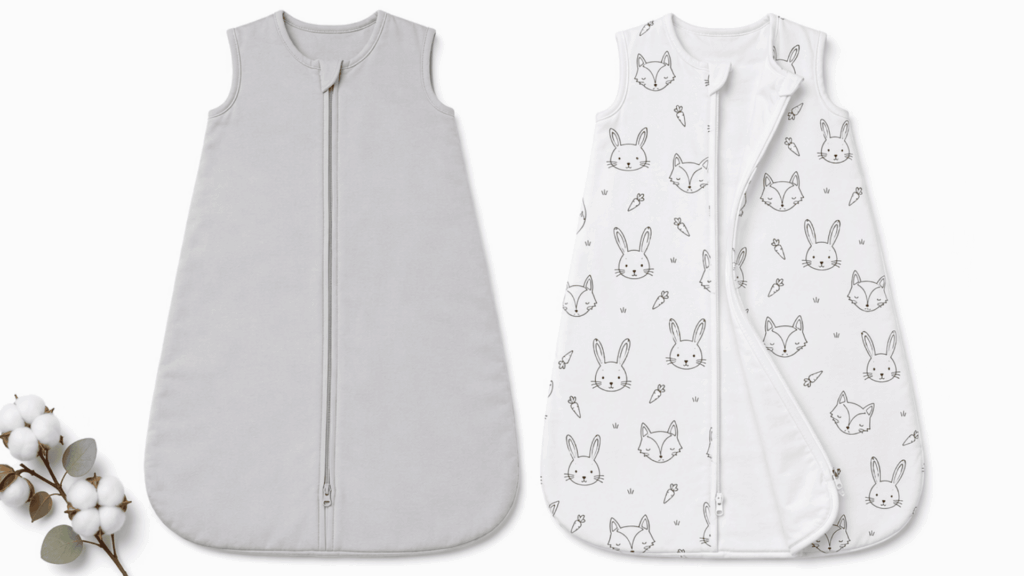
Finding the right sleep solution can feel overwhelming. A comfortable sleep sack can make bedtime easier while keeping babies cozy.
Every family has different needs, and factors like comfort, design, and everyday usability can influence the right choice.
Exploring the available options helps parents understand what features matter most when comparing different products.
Keep reading to know the popular sack choices and find what may work best for a baby’s sleep routine.
Why Choose Sleep Sacks Over Blankets?
Baby sleep sacks are clothing items that keep babies warm without requiring loose bedding in the crib.
According to the American Academy of Pediatrics, parents should keep away loose bedding as well as other soft items around sleeping babies due to increased risks of suffocation.
While traditional blankets are removed during the night, sleep sacks remain in place all night.
There are a wide variety of options for parents when selecting a sleep sack for their baby.
Therefore, sleep sacks keep babies warm and provide room to kick and stretch their legs. The ideal baby sleep sack is comfortable yet allows movement.
Best Baby Sleep Sacks from Popular Brands
These baby sleep sacks offer a variety of materials, designs, warmth levels and features to support comfortable sleep routines.
1. Kyte Baby Sleep Bag
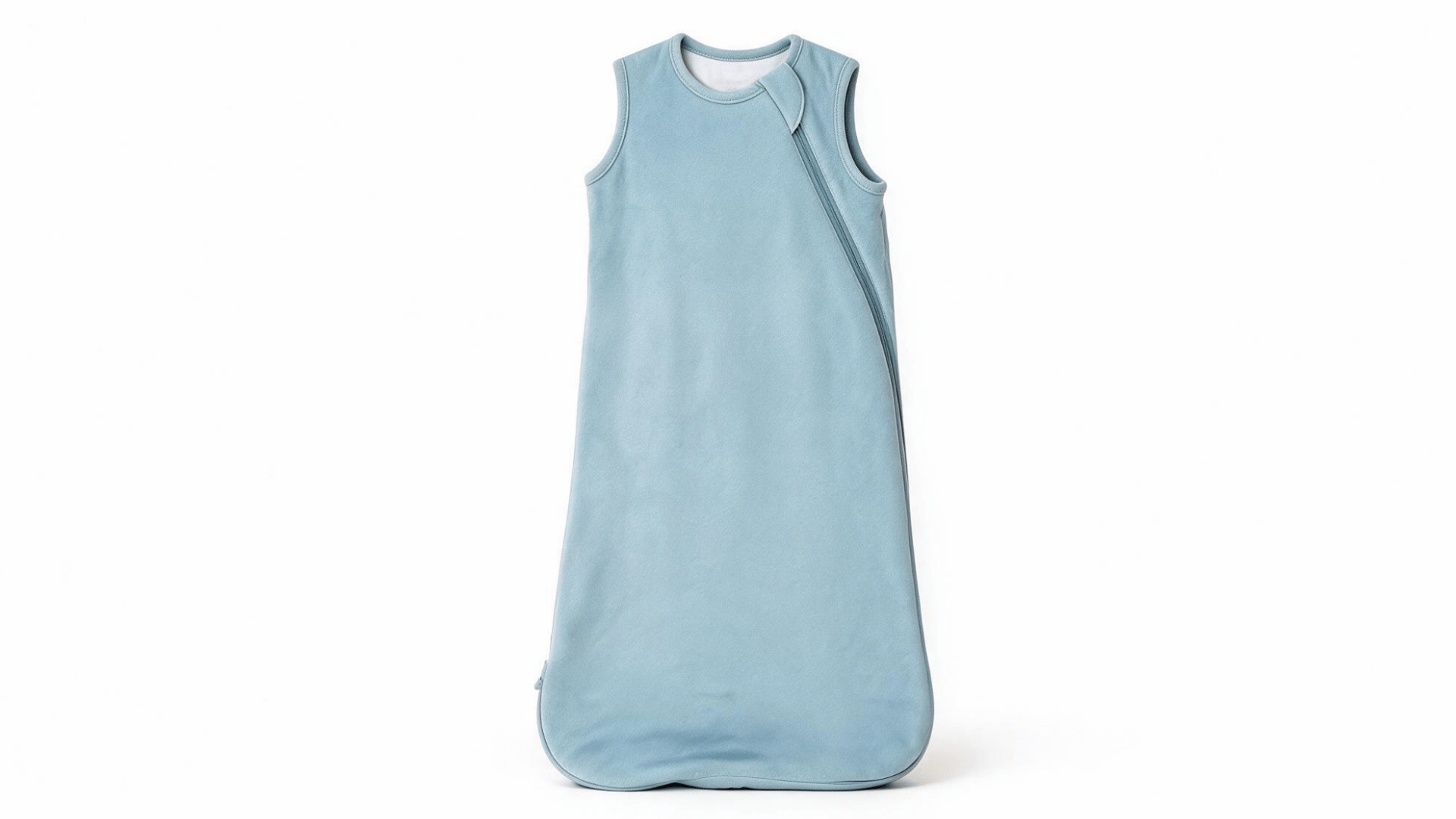
Kyte Baby Sleep Bags are known for their soft bamboo rayon fabric and comfortable feel, making them a popular choice among parents looking for a gentle sleep option.
Best for: Babies needing a soft, breathable sleep sack for everyday use
Key Features:
- Made with silky bamboo rayon fabric
- Available in multiple TOG ratings
- Smooth texture suitable for sensitive skin
- Roomy design for leg movement
- Available in newborn to toddler sizes
- Machine washable for easy care
Price: Around $50–$70
Pros | Cons |
|---|---|
Extremely soft fabric | Higher price than basic cotton options |
Wide range of designs and sizes | Bamboo fabric requires careful washing |
Multiple warmth options | Premium pricing may not suit every budget |
2. HALO SleepSack Wearable Blanket
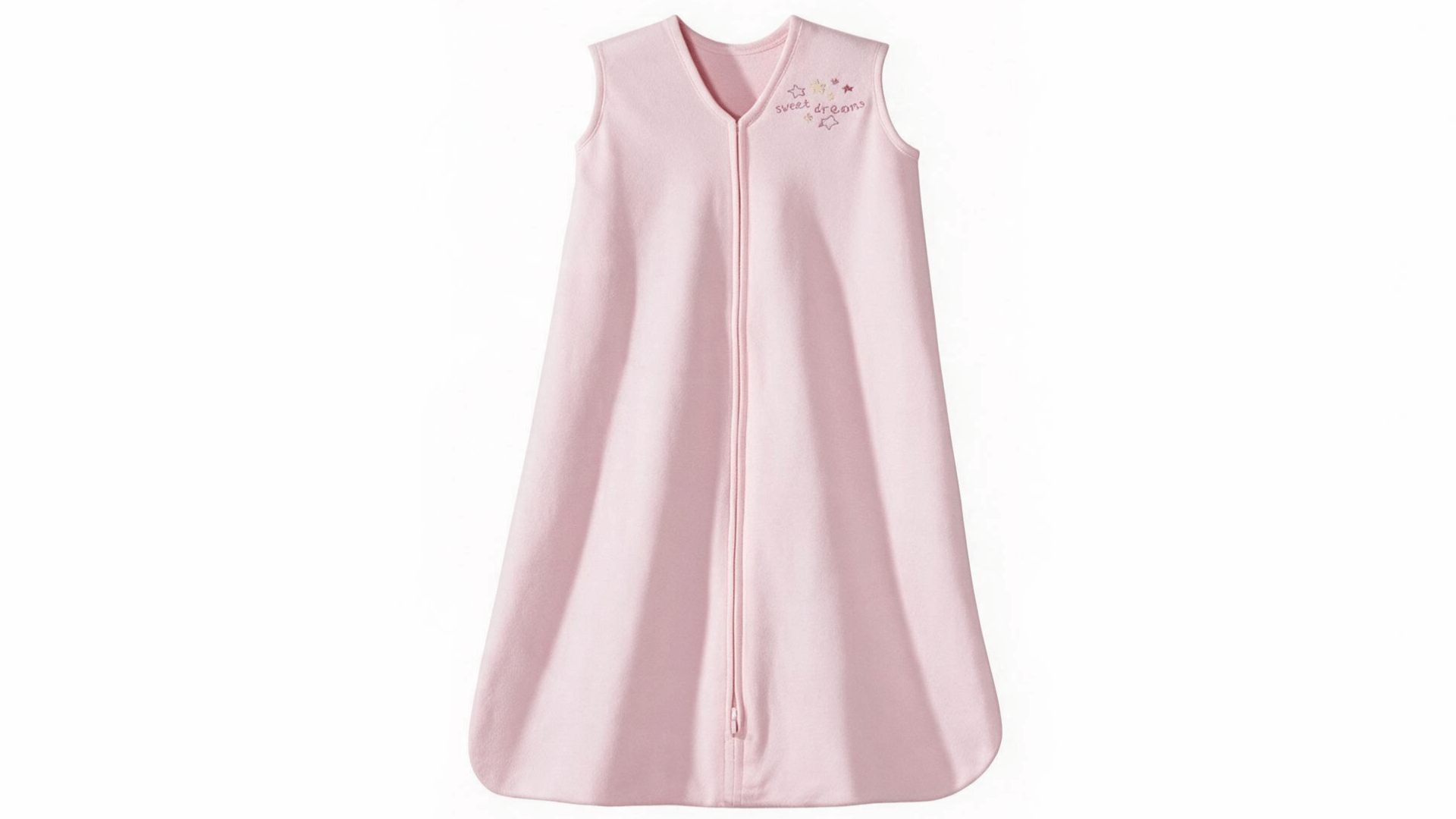
HALO SleepSack Wearable Blankets are widely used baby sleep products designed to replace loose blankets while keeping babies warm and comfortable.
Best for: Families looking for a reliable everyday sleep sack with practical features
Key Features:
- Cotton, fleece, and muslin fabric options
- Available in different TOG ratings
- Designed for easy diaper changes
- Wide bottom allows leg movement
- Available in newborn and toddler sizes
- Trusted by many hospitals and parents
Price: Around $20–$40
Pros | Cons |
|---|---|
Affordable compared to premium brands | Some fabrics may feel less luxurious |
Easy diaper access | Limited premium fabric choices |
Available in many stores | Sizing may vary by design |
3. Woolino Ultimate Baby Sleep Bag
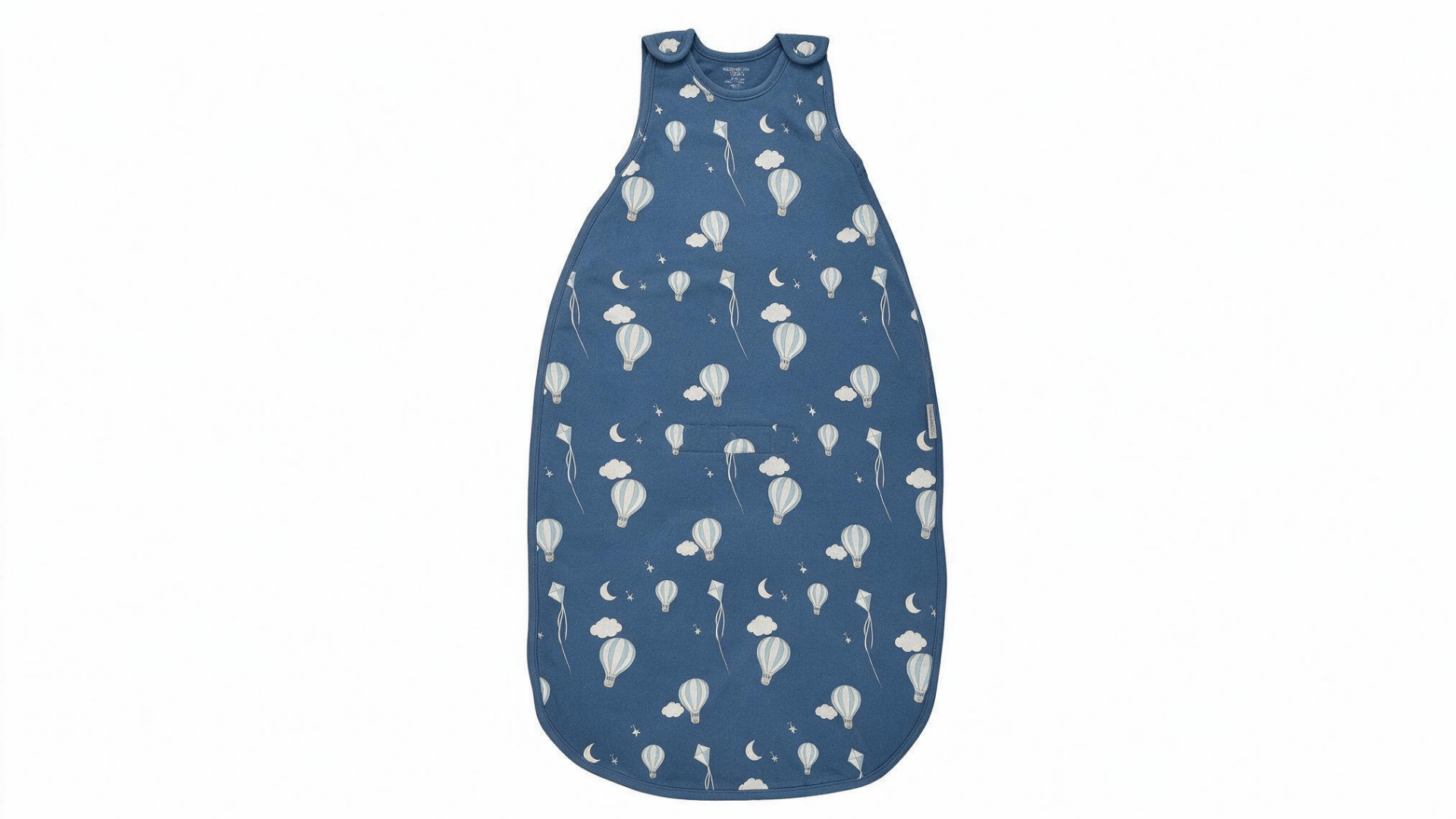
Woolino sleep bags use merino wool and organic cotton materials to create a versatile option designed for changing temperatures throughout the year.
Best for: Parents looking for a year-round sleep sack
Key Features:
- Merino wool and organic cotton blend
- Helps regulate body temperature
- Suitable for multiple seasons
- Long-lasting construction
- Adjustable shoulder snaps
- Available for babies and toddlers
Price: Around $100–$120
Pros | Cons |
|---|---|
Works across different seasons | Higher upfront cost |
Durable and long-lasting | May require special washing care |
Temperature-regulating fabric | Premium material may not suit all preferences |
4. Love to Dream Sleep Sack
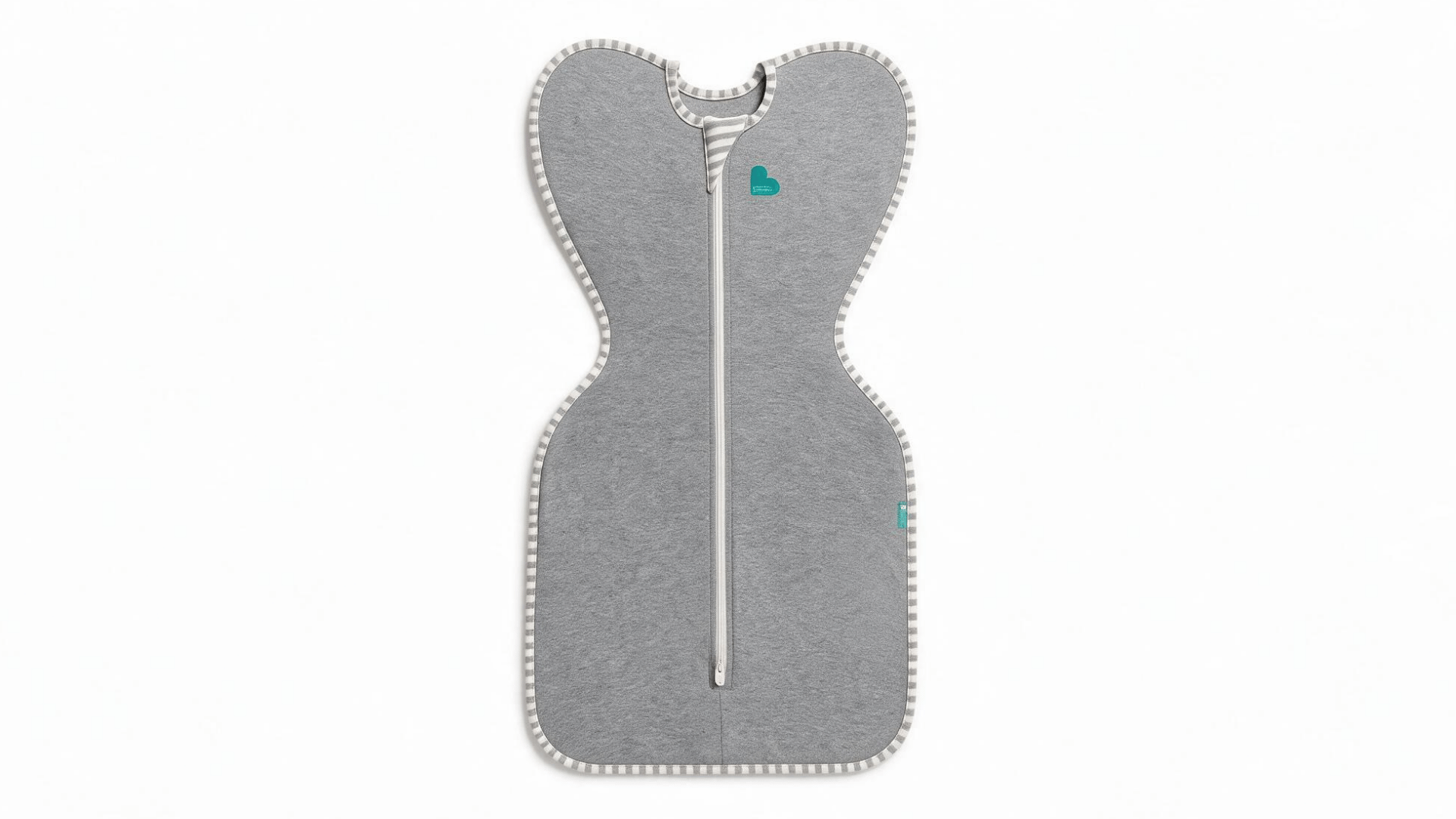
Love to Dream Sleep Sacks are designed for babies transitioning from swaddles to regular sleep sacks while maintaining a comfortable sleeping environment.
Best for: Babies moving away from swaddling
Key Features:
- Supports swaddle transition
- Soft and stretchy fabric options
- Allows natural movement
- Available in different warmth ratings
- Designed for different baby stages
- Easy zipper design
Price: Around $30–$50
Pros | Cons |
|---|---|
Helpful for transition stages | Some babies may prefer traditional designs |
Comfortable stretch fabric | Limited premium fabric options |
Easy to use zipper system | Fit depends on baby’s body shape |
5. Burt’s Bees Baby Beekeeper Sleep Sack
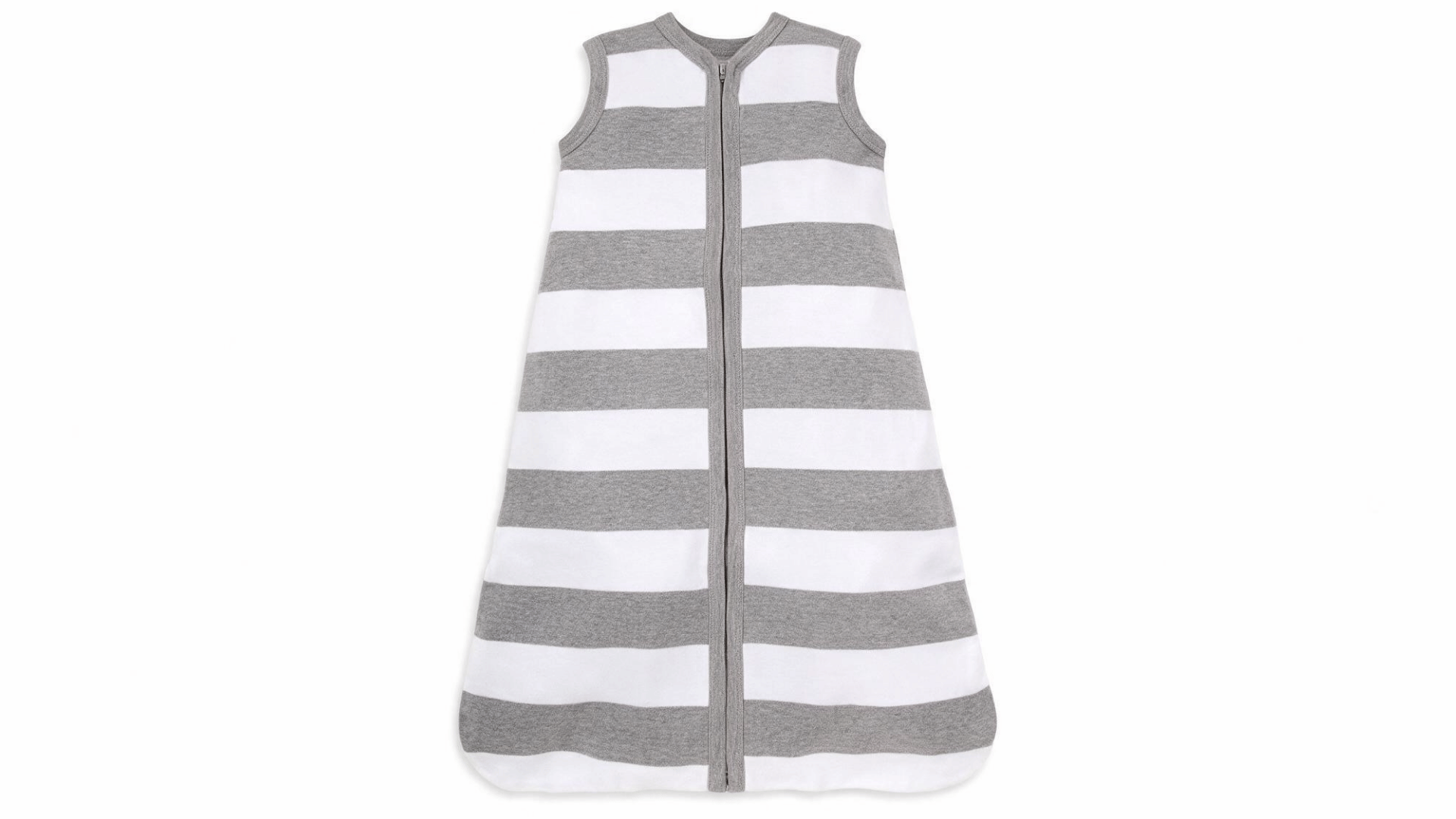
Burt’s Bees Baby Beekeeper Sleep Sacks are made with organic cotton and provide a simple, affordable option for daily baby sleep needs.
Best for: Budget-conscious families wanting organic cotton fabric
Key Features:
- Made with organic cotton
- Lightweight and breathable
- Available in different sizes
- Simple zipper design
- Soft interior fabric
- Easy machine washing
Price: Around $20–$35
Pros | Cons |
|---|---|
Affordable price point | Fewer premium features |
Organic cotton material | Limited seasonal options |
Easy everyday use | May not suit very cold rooms |
6. Gunamuna Sleep Bag
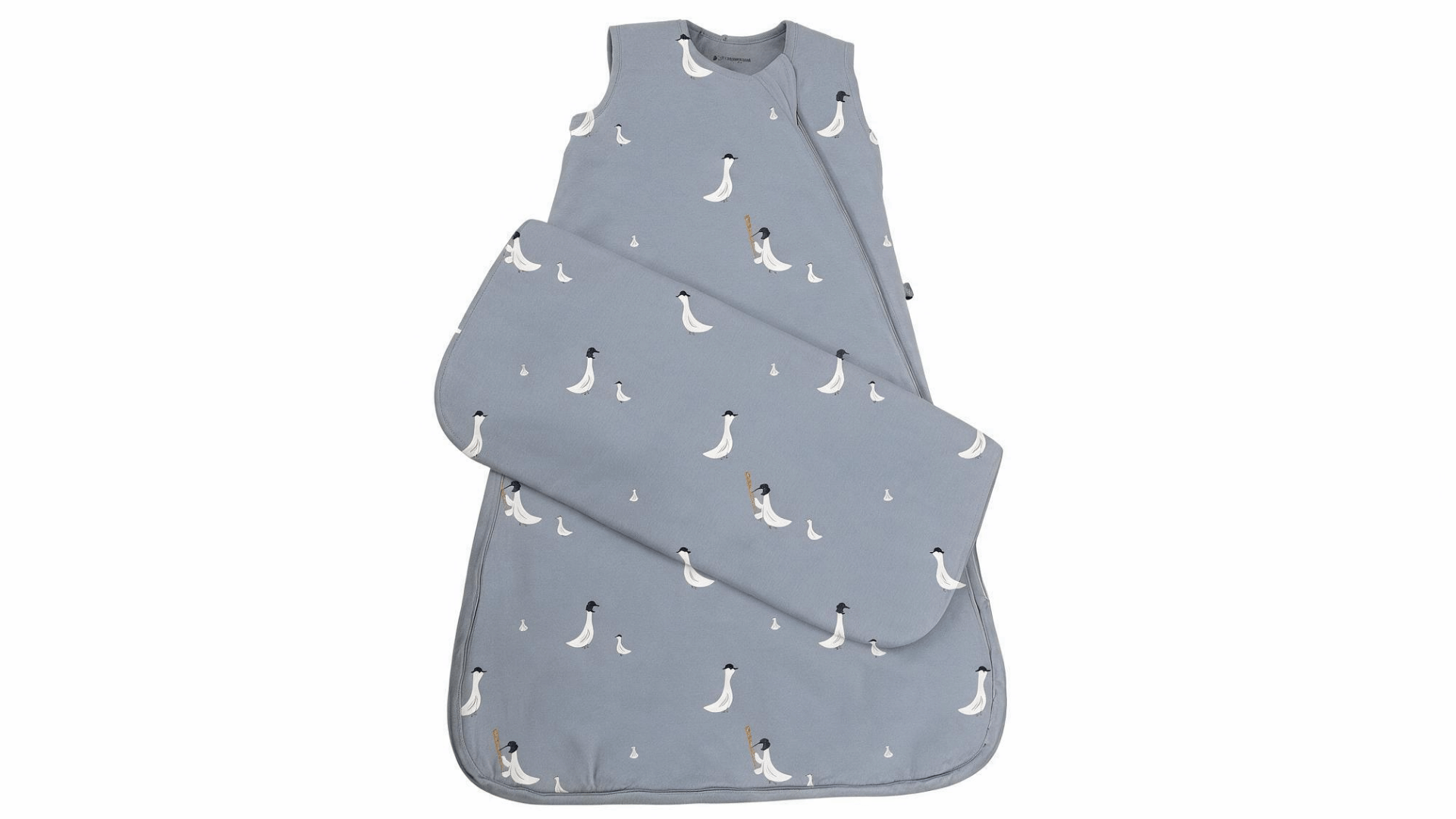
Gunamuna Sleep Bags focus on comfort and mobility with designs that provide extra space for kicking and movement.
Best for: Active babies who need extra leg room
Key Features:
- Patented “fish tail” design
- Allows hip and leg movement
- Soft fabric construction
- Available in multiple TOG ratings
- Designed for newborns and toddlers
- Easy nighttime diaper access
Price: Around $50–$80
Pros | Cons |
|---|---|
Spacious leg design | Less widely available |
Supports movement | Higher price than basic options |
Comfortable fit | Fewer retailer choices |
7. Aden + Anais Muslin Sleeping Bag
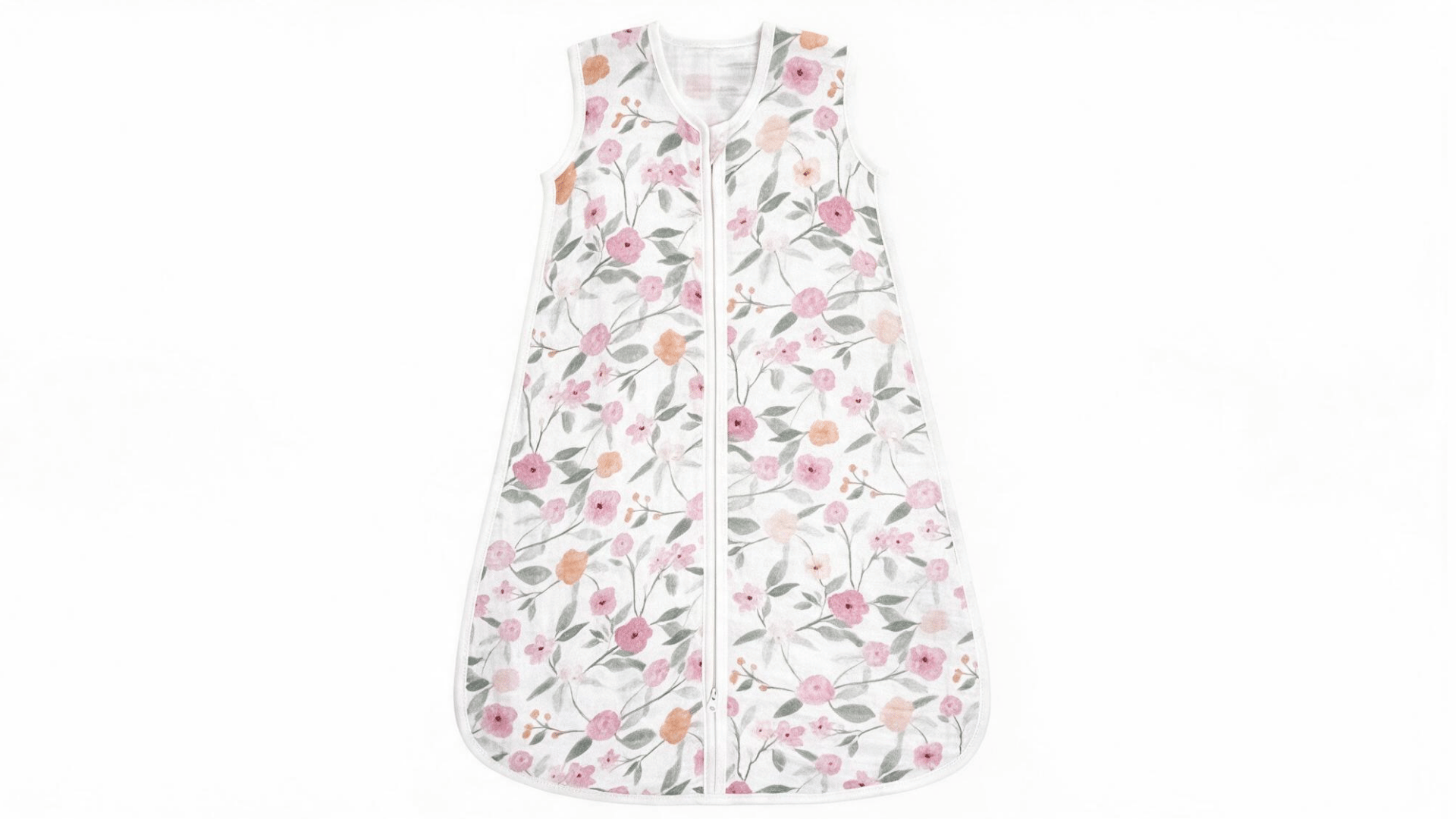
Aden + Anais Muslin Sleeping Bags are lightweight, breathable options made from muslin fabric, making them suitable for warmer environments.
Best for: Babies needing a lightweight summer sleep sack
Key Features:
- Made with breathable muslin fabric
- Lightweight construction
- Softens after washing
- Helps prevent overheating concerns
- Available in different sizes
- Simple zipper closure
Price: Around $35–$50
Pros | Cons |
|---|---|
Lightweight and breathable | Not ideal for colder temperatures |
Softens with use | Limited warmth options |
Comfortable summer choice | Requires frequent washing due to lightweight fabric |
8. Tealbee Dreamsuit
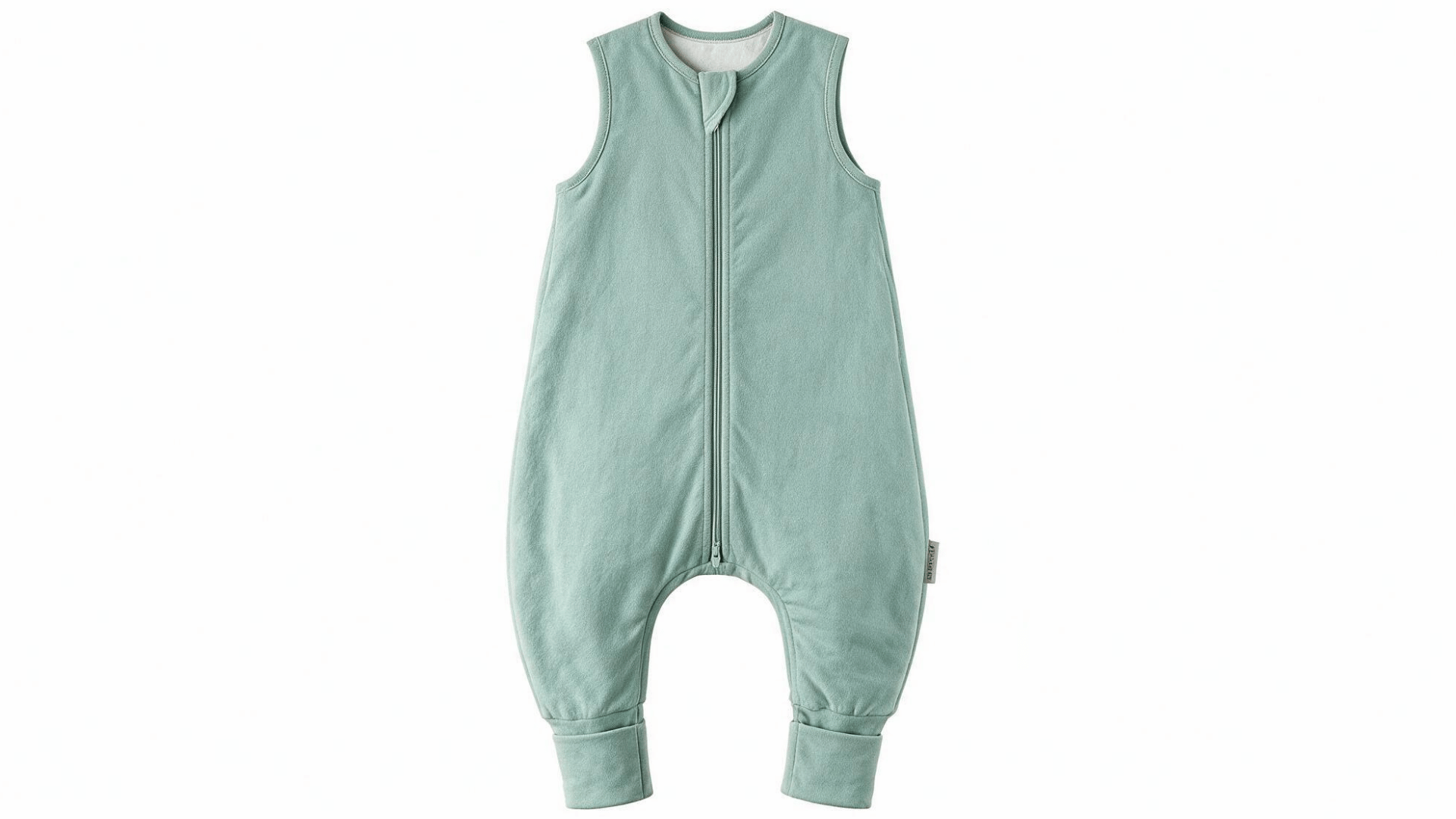
Tealbee Dreamsuit is designed as a wearable blanket alternative that combines comfort with a secure fit for babies while sleeping.
Best for: Parents seeking a modern sleepwear design
Key Features:
- Soft fabric construction
- Designed for comfortable movement
- Available in different sizes
- Lightweight feel
- Easy zipper closure
- Suitable for everyday sleep routines
Price: Around $40–$60
Pros | Cons |
|---|---|
Comfortable design | Less established compared with major brands |
Modern styling | Limited availability |
Supports movement | Fewer customer reviews available |
9. Kaiya Baby All-Season Sleep Sack
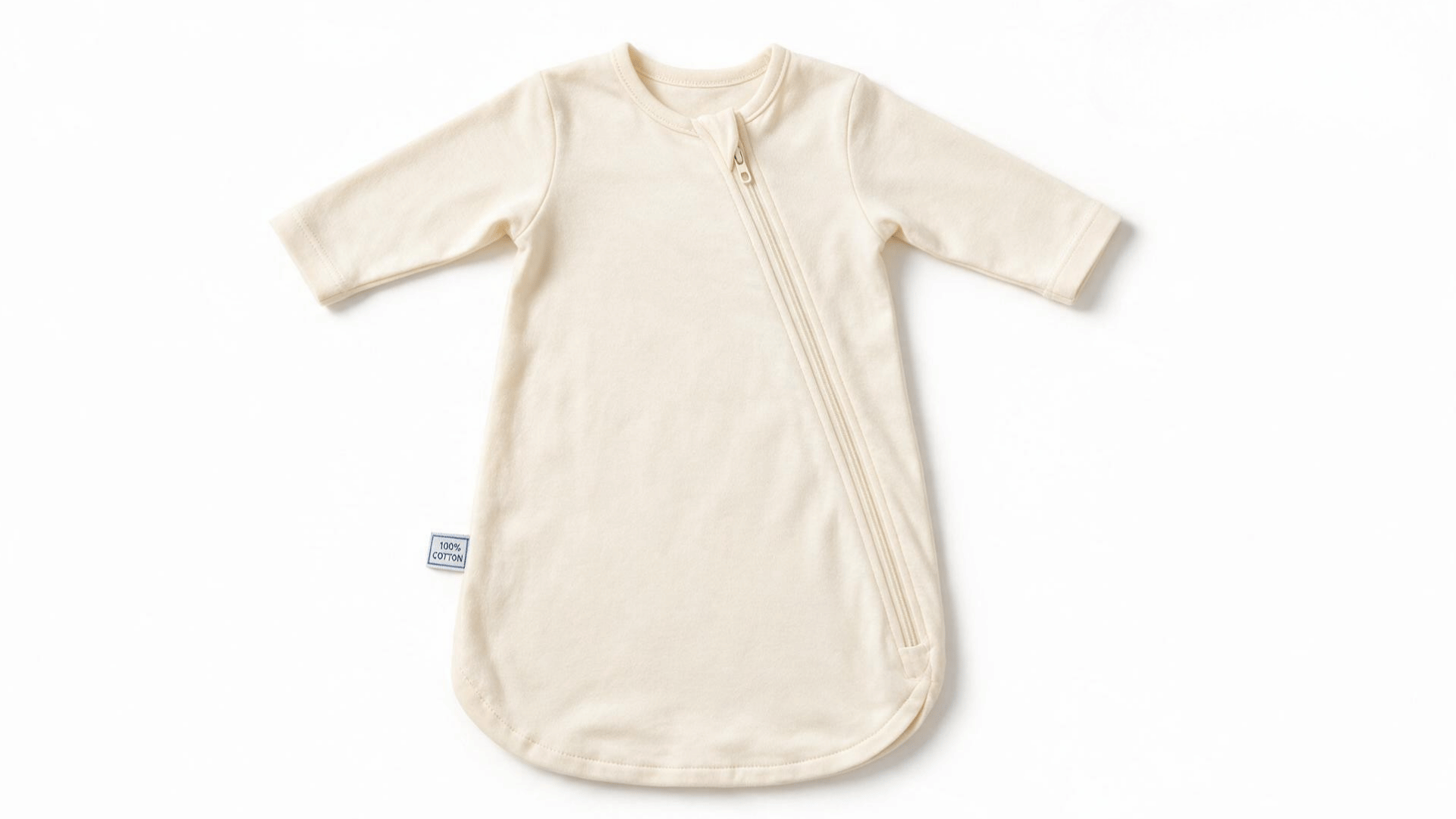
Kaiya Baby All-Season Sleep Sack is designed for families wanting a versatile option that works across changing temperatures.
Best for: Parents looking for a flexible year-round sleep sack
Key Features:
- Designed for multiple seasons
- Breathable fabric construction
- Comfortable fit
- Available in different sizes
- Lightweight feel
- Easy-care design
Price: Around $50–$70
Pros | Cons |
|---|---|
Suitable for changing weather | Smaller brand recognition |
Comfortable material | Limited retail availability |
Versatile design | Fewer style options |
Types of Sleep Sacks
Sleep sacks are available in different styles and fabrics to provide babies with suitable comfort, warmth, and movement.
1. Newborn Sleep Sacks: Designed for younger babies, these sleep sacks provide warmth while allowing comfortable leg movement and a secure fit.
2. Swaddle Transition Sleep Sacks: Help babies move from swaddling to regular sleep sacks by providing comfort with more freedom of movement.
3. Cotton Sleep Sacks: Made with soft, breathable fabric, cotton sleep sacks are suitable for everyday use and moderate temperatures.
4. Bamboo Sleep Sacks: Known for their smooth and lightweight fabric, bamboo sleep sacks provide a soft and comfortable option for babies.
5. Muslin Sleep Sacks: Made with lightweight muslin fabric, these sleep sacks are suitable for warmer weather and improved airflow.
6. Wool Sleep Sacks: Made with materials like merino wool, these sleep sacks help provide warmth and comfort across different seasons.
Are Sleep Sacks Safe for Babies?
Sleep sacks have been known to be a safer option than regular blankets since they are secured to the body of the baby.
They ensure warmth while at the same time enabling the baby’s legs to move around easily. When selecting the right sleep sack.
Parents should opt for a sleep sack that is the right size for the baby, where the neck hole and the arm holes will be the right size.
In addition, it is necessary for parents to ensure that babies do not use blankets or other soft fabrics when sleeping. They can also look into getting the right fabrics and warmth of the fabric as per their child’s sleeping environment.
Baby Sleep Sack vs Swaddle: What is The Difference?
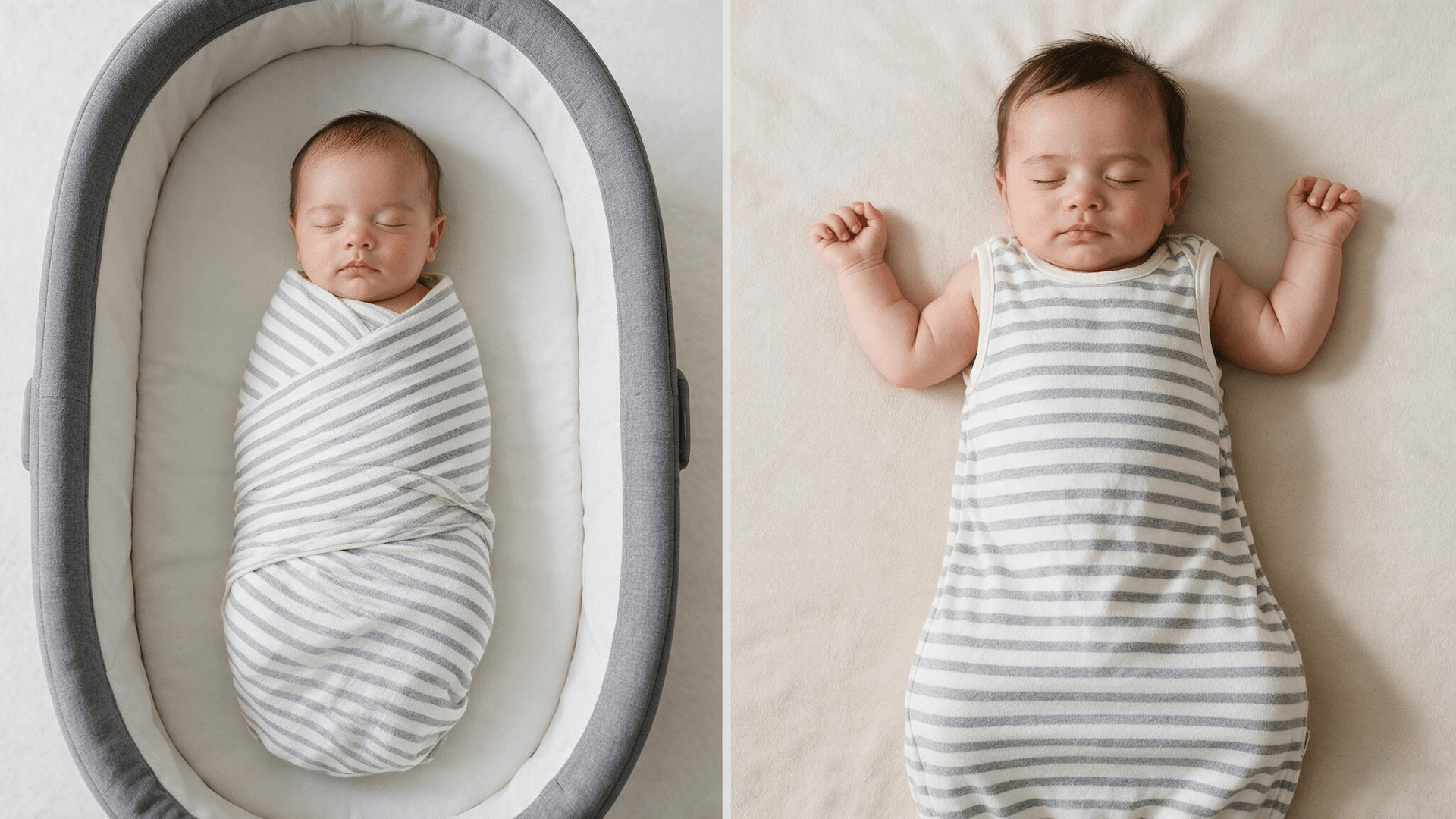
The above discussion highlights key differences between baby sleep sacks and swaddles to help parents make an informed decision.
Factor | Swaddle | Sleep Sack |
|---|---|---|
Purpose | Provides a snug feeling for newborns | Keeps babies warm during sleep |
Best Age | Mainly for newborns | Newborns to toddlers |
Movement | Limits arm movement | Allows kicking and stretching |
Transition | Used before rolling begins | Used after swaddle transition |
Design | Wrap-style or zip-up design | Wearable blanket with zipper |
Best For | Babies who prefer a snug feel | Babies needing warmth and movement |
How to Choose The Best Sleep Sack for Baby
Several factors have to be taken into account while selecting an appropriate baby sleep sack. These include age, room temperature, fabric preference, amongst others.
In the case of infant sleeping sacks, it is advisable to get those that are made from breathable fabrics like cotton, bamboo, merino wool and muslin.
Matching the TOG rating to the season pairs naturally with building a consistent bedtime routine, and the science-backed steps for getting a baby to sleep through the night can help that routine stick.
The inclusion of features such as convenient zippers and machine-washable fabric can make its use more convenient for parents. An appropriately sized sleep sack must fit well enough and not be loose in the neck and arms.
Final Takeaway
Choosing the right baby sleep sack depends on finding a balance between comfort, fit, fabric and everyday practicality.
Understanding sleep sack features helps parents choose the right option for their baby’s routine. The best sleep sack for a baby supports comfortable sleep while matching individual needs and preferences.
Taking time to compare options can make the buying decision easier and more confident. Have a favorite baby sleep sack that worked well for your family?
Share your experience in the comments and help other parents discover useful options.
Frequently Asked Questions
At What Age Can Babies Use a Sleep Sack?
Babies can use sleep sacks starting at the baby’s age, depending on the size, design, and manufacturer instructions of the product.
How Many Sleep Sacks Do You Need to Purchase?
People usually have several sleep sacks at home for laundering purposes, changing according to seasons, or different room temperatures.
Can Babies Wear Pajamas Under a Sleep Sack?
Yes. Babies can wear appropriate pajamas under a sleep sack, but the layers should match the room temperature to avoid overheating.