
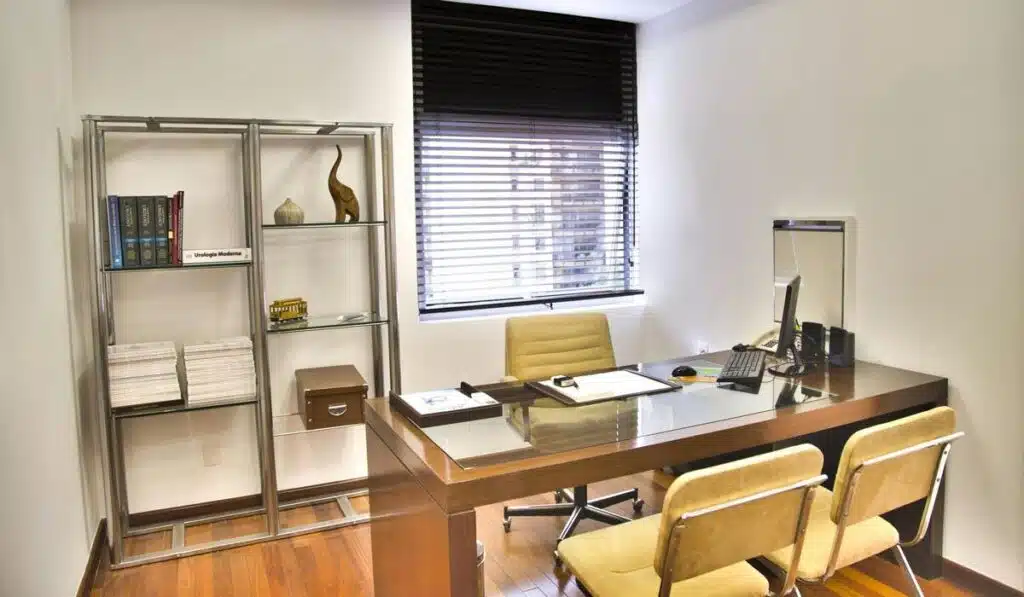
Boosting effortless focus requires three simple setup tweaks like clearing desk surface clutter, optimizing home office ergonomics, and simplifying digital environments. A visually chaotic and physically uncomfortable workspace keeps the nervous system in a state of low-grade alert. This makes it incredibly difficult to detach mentally and reduce screen stress.
Research confirms that your physical environment directly impacts your mental state. While disorganized surroundings are connected to increased stress hormones, maintaining a clean and orderly space is linked to improved mental well-being and reduced feelings of distress.
A chaotic desk keeps your nervous system activated, meaning effortless focus is a carefully calibrated setup rather than a personality trait. A nervous system that cannot stand down by evening struggles to sleep at night. Small, intentional changes to your workspace can meaningfully shift how much mental weight you carry out of the room at the end of the day.
Read on to discover how these quick five-minute changes can transform your daily focus and improve your nightly comfort.
1. Start With the Surface for Desk Decluttering
Every object on your desk that does not serve a daily purpose quietly taxes your brain through decision fatigue. This psychological phenomenon occurs when the brain burns cognitive energy processing irrelevant information.
An organized workspace has positive effects on distractions and the ability to focus. A stack of old mail or a charger for a rarely used device registers as an unresolved item. The fix requires four systematic steps to regain control of your environment:
- Clear everything off the surface first to start from zero.
- Return only daily essentials like a laptop, one notebook, and a pen.
- Give every object a designated home so returning it becomes an automatic habit.
- Schedule a five-minute weekly reset on Friday afternoon.
Once the surface is simplified, anchoring it intentionally helps maintain order. Investing in a desk mat from Custom Envy creates a defined visual boundary that helps keep your workspace organized. When everything sits within that specific frame, tidying up becomes highly efficient because you are simply returning items to within the mat’s edges.
This visual cue helps the brain distinguish between the active work zone and the rest of the room.
2. Make the Setup Work for Your Body
Physical discomfort is a highly underestimated source of workday stress because it accumulates silently. A monitor positioned too low creates subtle neck tension, while a chair at the incorrect height shifts weight onto the lower back.
Together, these issues create a background state of physical stress that quietly divides your attention and drains your energy. Proper posture serves as the foundation of an ergonomic setup. You should keep your head lifted, your spine straight, and your shoulders in a relaxed position.
However, your physical comfort is only half the battle. The reliability of your hardware also plays a major role in your mental ease. A machine that freezes actively interrupts flow states and pulls your attention away from deep focus into lingering frustration. Choosing a reliable refurbished desktop from PCLiquidations is an affordable way to secure the performance you need without the stress of constant system crashes.
Selecting functional hardware stabilizes your daily workflow while preventing the sudden technical hurdles that disrupt your mental peace. Combine reliable hardware with these approachable physical adjustments:
- Set monitor height so the top of the screen sits at eye level.
- Ensure feet rest flat on the floor with knees at a 90-degree angle.
- Keep wrists neutral and unbent with elbows resting comfortably at your sides.
- Position natural light to the side rather than directly behind the screen.
3. Simplify Your Tech Setup for Less Stress

Photo from Custom Envy
Once the physical environment functions properly, the digital environment requires an honest audit. Open tabs act as the digital equivalent of desk clutter. Every unread notification places a micro-demand on your attention, pulling you away from meaningful work. A desktop filled with icons creates the same low-level decision fatigue as a physical surface covered in random objects.
Implement these practical steps to simplify your digital ecosystem:
- Reduce desktop icons to essential shortcuts and rely on search functions.
- Disable non-critical notifications and utilize built-in focus modes.
- Be intentional with multiple monitors by assigning them specific purposes.
- Organize your cables to eliminate visual noise that contributes to background stress.
Fewer friction points across your physical and digital setup guarantee more uninterrupted attention for meaningful tasks. These compounding returns show up in improved daily stamina. Ultimately, workspace wellness is about removing the tiny barriers that drain your energy.
4. Create Boundaries That Actually Stick
Sleep research consistently demonstrates that the brain learns associations from context. When work consistently happens in a specific space, the brain treats those cues as activation signals. If work bleeds into every corner of the home, the brain loses its ability to fully disengage. Maintaining clear physical boundaries between work and rest environments improves sleep quality significantly.
Creating effective boundaries requires consistency rather than square footage. These simple habits can help separate work from personal time:
- Set specific work hours and communicate them clearly to colleagues and family.
- Create a physical transition cue, like changing out of work clothes.
- Keep work devices out of the bedroom to prevent work from being mentally present.
5. End the Day With a Shutdown Ritual
A brief, consistent sequence of actions formally closes the workday and signals your brain to rest. Open loops in working memory keep the prefrontal cortex engaged, generating mental chatter that follows you into the evening. A deliberate shutdown sequence explicitly addresses these loops, giving the brain permission to release them. This process is essential for cultivating effective focus habits.
Research in organizational behavior indicates that completion cues reduce the brain’s tendency to maintain active attention on unfinished tasks. Workspace wellness ultimately revolves around designing conditions that make rest feel attainable.
The Bottom Line
The connection between your workspace and your sleep quality is direct and measurable. A disorganized, uncomfortable, or unreliable work environment sustains a low-level stress response. A nervous system that stays activated through the evening will inevitably struggle to rest at night. These factors compound over time, heavily impacting your overall well-being.
Decluttering the surface, adjusting ergonomics, and simplifying tech are manageable calibrations. Upgrading to stable hardware eliminates daily digital friction, while anchoring your desk with personalized boundaries makes physical organization effortless. Implement one of these simple setup tweaks this week, and note the shift in your evening focus and subsequent sleep quality.