
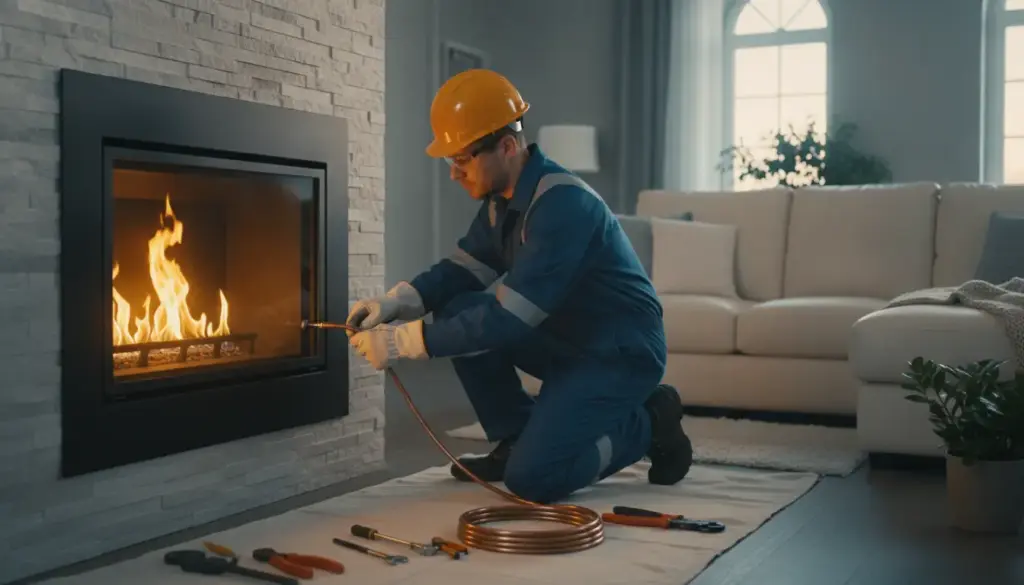
A gas fireplace can completely change the comfort level inside a home, especially during colder months when families spend more time indoors. Still, installation mistakes may create serious safety concerns that affect heating performance and indoor air quality. Many homeowners focus heavily on fireplace style while overlooking ventilation, placement, and gas line requirements during the planning stage. This article explains how to prepare for installation safely, what details deserve close attention, and why proper setup helps homeowners create a warmer and more reliable living space.
Proper Planning Helps Avoid Installation Problems
Careful planning should happen before homeowners install gas fireplace systems inside the home. Fireplace size, room layout, and ventilation requirements all affect how safely the unit performs after installation. Many reference pages explain how installation planning may improve long-term performance and heating reliability.
Several preparation details deserve attention:
- Available wall or floor space
- Ventilation access for airflow safety
- Safe distance from furniture or curtains
- Proper gas line connection points
Early preparation usually prevents expensive adjustments later.
Ventilation Requirements Protect Indoor Air Quality
Ventilation remains one of the most important parts of gas fireplace installation. Poor airflow may affect heating efficiency while increasing indoor air concerns during regular fireplace use. Homeowners should understand the difference between direct vent, vent-free, and natural vent systems before selecting a fireplace model.
Direct vent fireplaces usually remain popular because they pull outside air for combustion while releasing fumes outdoors. This setup helps maintain cleaner indoor conditions during colder seasons. Proper ventilation planning also supports safer heating performance throughout the life of the fireplace system.
Safe Placement Improves Heating Performance
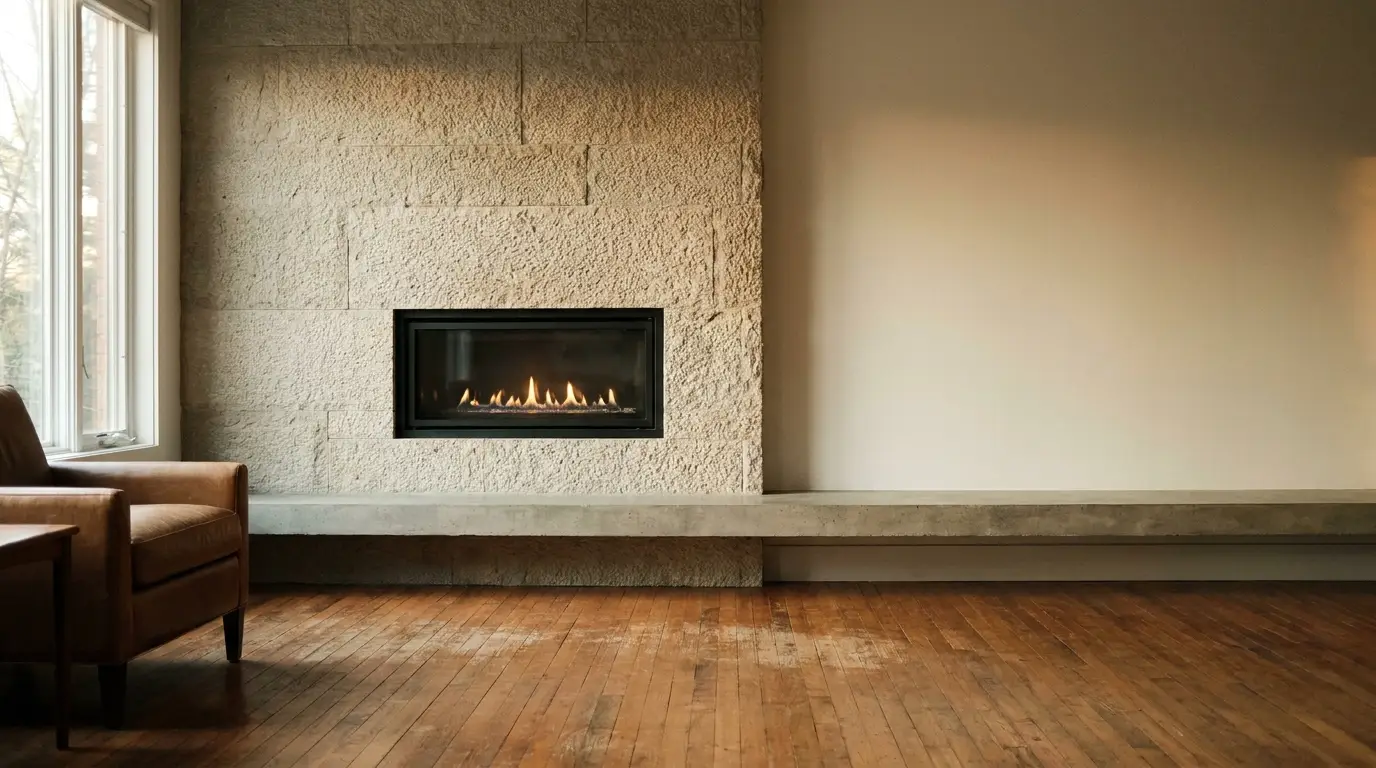
Fireplace placement affects both safety and comfort inside the room. A poorly positioned fireplace may create uneven heat flow or place nearby materials too close to open heat sources. Homeowners should leave enough clearance around furniture, shelves, and decorative items before installation begins.
Several placement factors matter during planning:
- Room size and ceiling height
- Nearby electrical or gas connections
- Safe wall clearance requirements
- Distance from heavy foot traffic areas
Balanced placement helps fireplaces operate more safely while improving comfort throughout the living space.
Professional Installation Reduces Safety Risks
Gas line connections and ventilation work require careful handling during installation projects. Professional installers usually understand local safety codes, inspection requirements, and proper fireplace positioning more clearly than most homeowners. Their experience also helps reduce mistakes that may affect heating performance later.
Reliable installers usually explain timelines, maintenance expectations, and operating instructions clearly before the project begins. Homeowners should also ask about emergency shut-off systems and long-term servicing recommendations. Clear communication during installation usually reflects stronger professionalism and safer project management throughout the process.
Regular Maintenance Supports Long-Term Safety
A properly installed fireplace still requires routine maintenance to remain safe and efficient over time. Dust buildup, blocked vents, or damaged gas connections may affect fireplace performance if left unchecked. Homeowners should schedule periodic inspections and pay attention to unusual odors, pilot light issues, or inconsistent flame appearance.
Many homeowners who install gas fireplace systems also keep carbon monoxide detectors nearby for additional safety support. Regular maintenance helps protect indoor air quality while reducing the risk of unexpected operational problems during colder months when fireplaces stay active more frequently.
Gas fireplaces continue to attract homeowners because they provide reliable warmth, cleaner operation, and a comfortable atmosphere during colder seasons. Proper planning, safe placement, strong ventilation, and professional installation all help reduce unnecessary safety concerns after the fireplace becomes operational. Regular inspections also support better long-term performance while protecting indoor comfort throughout the year. Careful preparation before homeowners install a gas fireplace usually creates a safer experience, smoother heating performance, and a living space that feels warm, balanced, and dependable during everyday use.