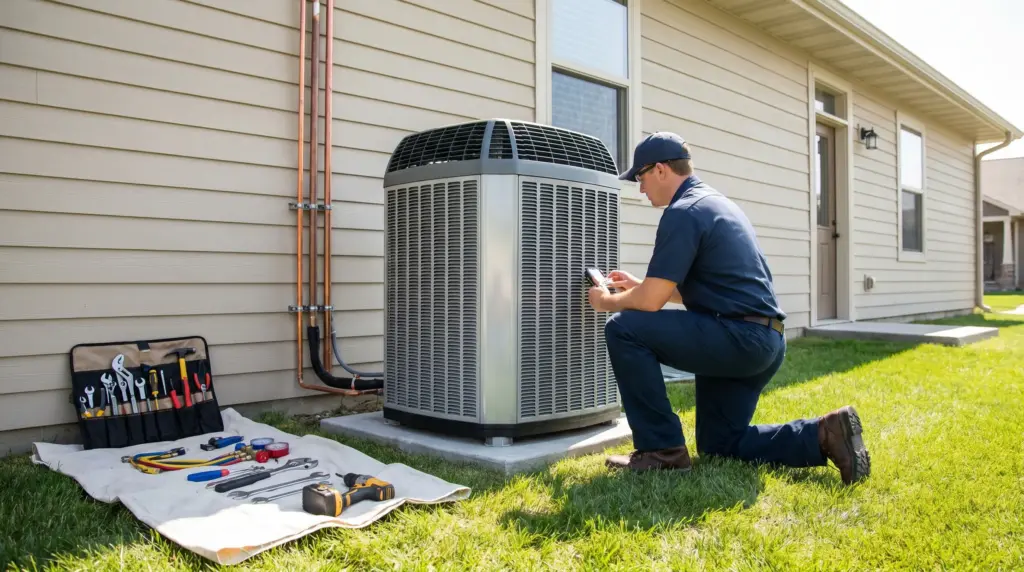
A new air conditioning system represents a significant home investment. Many homeowners find themselves surprised by the final price after receiving a professional quote. Several technical and logistical elements determine the final number on that estimate.
Local market conditions also play a major role in overall project expenses. This article provides a clear breakdown of the key factors that influence the total cost of reliable emergency AC repair services quote.
Size and Cooling Capacity of the Unit
The physical size and cooling capacity of an air conditioner directly shape the final installation price. A unit that is too small will run constantly and fail to cool the home properly. A system that is too large cycles on and off too frequently, which wastes energy. Larger capacity units generally cost more upfront due to their robust components and refrigerant charge.
Home Layout and Ductwork Condition
The existing duct system in a home often determines how complex the installation becomes. Many older homes have ducts that leak air at connections or lack proper insulation. Some properties require a full ductwork modification to fit the new unit’s airflow needs. Workers may need to add return air ducts or seal existing supply lines with mastic. These adjustments take extra hours of skilled labor and more materials. Before finalizing any contract, watch for warning signs that you need emergency AC repair service, such as weak airflow or strange noises from vents.
Energy Efficiency Rating of the System
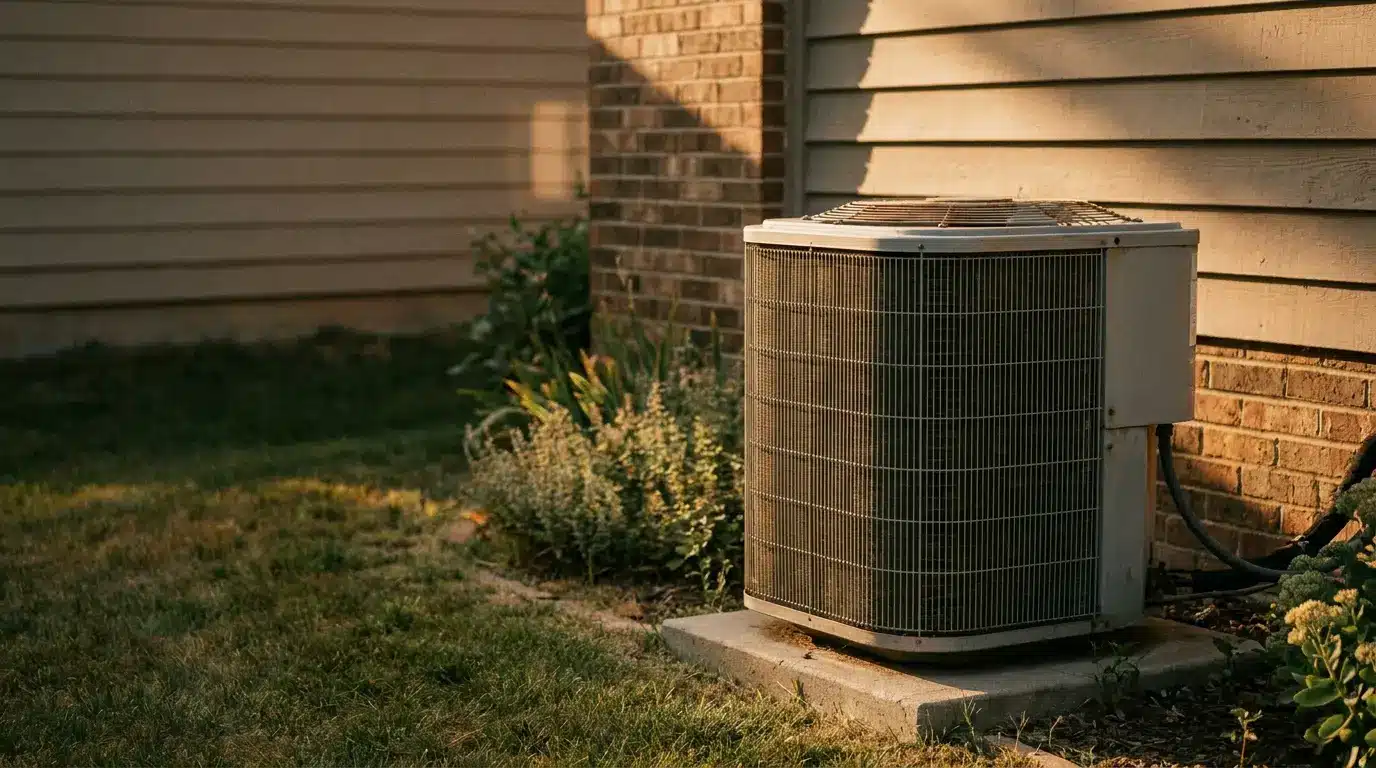
The energy efficiency rating of an air conditioner creates a direct tradeoff between upfront price and long-term savings. Standard efficiency units carry lower price tags but consume more electricity each summer. High-efficiency models use advanced compressor technology to cut power use by thirty percent. Those premium units require specific installation procedures that require additional technician training. Buyers should compare the seasonal energy efficiency ratio (SEER) numbers carefully before making a purchase decision.
Labor Costs in Your Local Area
Geographic location dramatically changes what contractors charge for the same AC installation job. Major metropolitan areas with high living expenses force companies to pay workers higher wages. The time of year also influences labor pricing, with summer months bringing premium demand charges. A contractor must carry liability insurance and workers’ compensation coverage in their specific state. Those insurance costs vary widely by region and pass directly to the customer in the final quote.
Brand and Equipment Features
The brand reputation and included feature set of an air conditioner change the equipment price by hundreds of dollars. Premium brands invest more in compressor research and corrosion-resistant coil coatings. Basic brands offer simple single-stage cooling with fewer internal components to fail. Some systems include two-stage compressors that run at low speed most of the time. Others feature variable-speed blowers that adjust airflow in tiny increments for quieter operation.
Permit and Inspection Requirements
Local government rules often require an official permit before any AC installation begins. The permit application fee varies from fifty dollars to several hundred dollars, depending on the city or county. An inspector must visit the property after the work is complete to verify code compliance. That inspection checks electrical connections, refrigerant line insulation, and drain line slope. If the inspector finds a violation, the contractor must return to fix the problem at no extra charge. Some jurisdictions require a separate fee for the final inspection appointment. Skipping the permit process can lead to fines or forced removal of the new equipment.
If you notice warning signs, you need reliable emergency AC repair services like warm air from vents or ice forming on refrigerant lines, act quickly before those problems force a costly full installation. Understanding the cost factors above helps you compare quotes with confidence and avoid overpaying for unnecessary work. Ask each contractor detailed questions about sizing, ductwork, efficiency, labor rates, brand features, and permit fees to secure the most accurate estimate for your home.