
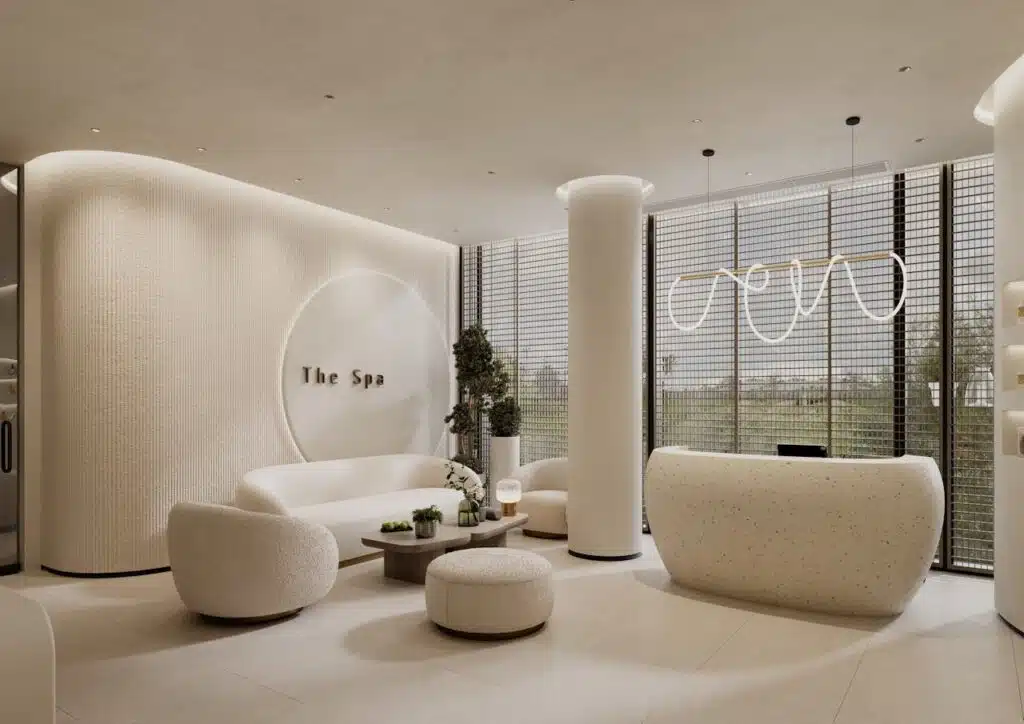
Smart wellness spaces are changing how we live, work, and relax every day. These spaces use smart technology to understand your needs and improve your health in real time. From stress-free environments to personalized care, everything adapts to you. This article explores how these intelligent spaces shape a healthier, more connected future for everyone.
Key Takeaways
- Personalize Your Wellness Space: Use smart technology that adapts to your health and comfort needs.
- Monitor Your Health in Real Time: Smart sensors help you track habits and improve daily wellbeing.
- Reduce Stress Through Smart Design: Create calming environments with lighting, sound, and natural elements.
- Connect Your Devices for Better Comfort: IoT systems make your home and workspace more responsive and efficient.
- Protect Your Health Data: Choose wellness systems with strong privacy and security features.
The Future of Smart Wellness Spaces
AI Personalizes Wellness Spaces to Match Your Health Needs in Real Time
AI personalizes wellness spaces by studying your body signals and daily behavior to understand your needs. It uses data from wearables, apps, and room sensors to track sleep, stress, and activity levels. It then adjusts lighting, temperature, sound, and scent in real time to match your condition.
You can experience this in homes, offices, gyms, and clinics. It helps you feel calmer, more focused, and more comfortable throughout the day. Over time, AI learns your habits and improves its suggestions, making your space smarter and more supportive for your health and wellbeing.
Smart Sensors Track Your Body and Environment Continuously for Better Health Insights

Smart sensors track your body and environment all the time to understand your health status. They measure heart rate, breathing, posture, movement, air quality, temperature, and noise levels. These sensors send real time data to connected systems that analyze how your body reacts to surroundings.
They alert you when something feels unhealthy like bad air or poor posture and suggest quick fixes. This helps you make better daily choices such as sitting correctly or improving ventilation. With constant monitoring, you gain clearer health insights and build healthier habits that support long term wellbeing and comfort.
Wellness Spaces Are Designed to Actively Reduce Stress and Improve Mental Wellbeing
Wellness spaces reduce stress by using design elements that calm the mind and body. Soft lighting, natural colors, plants, and open layouts create a peaceful environment. Gentle music and nature sounds help slow your thoughts and reduce anxiety. Some spaces also use calming scents that improve mood and relaxation.
You can find these designs in homes, offices, and relaxation centers. They help you feel less pressure and more emotionally balanced during the day. Over time, they improve mental clarity, support better sleep, and create a steady sense of calm and wellbeing in everyday life.
Homes and Workplaces Use IoT to Create Fully Connected and Responsive Wellness Systems
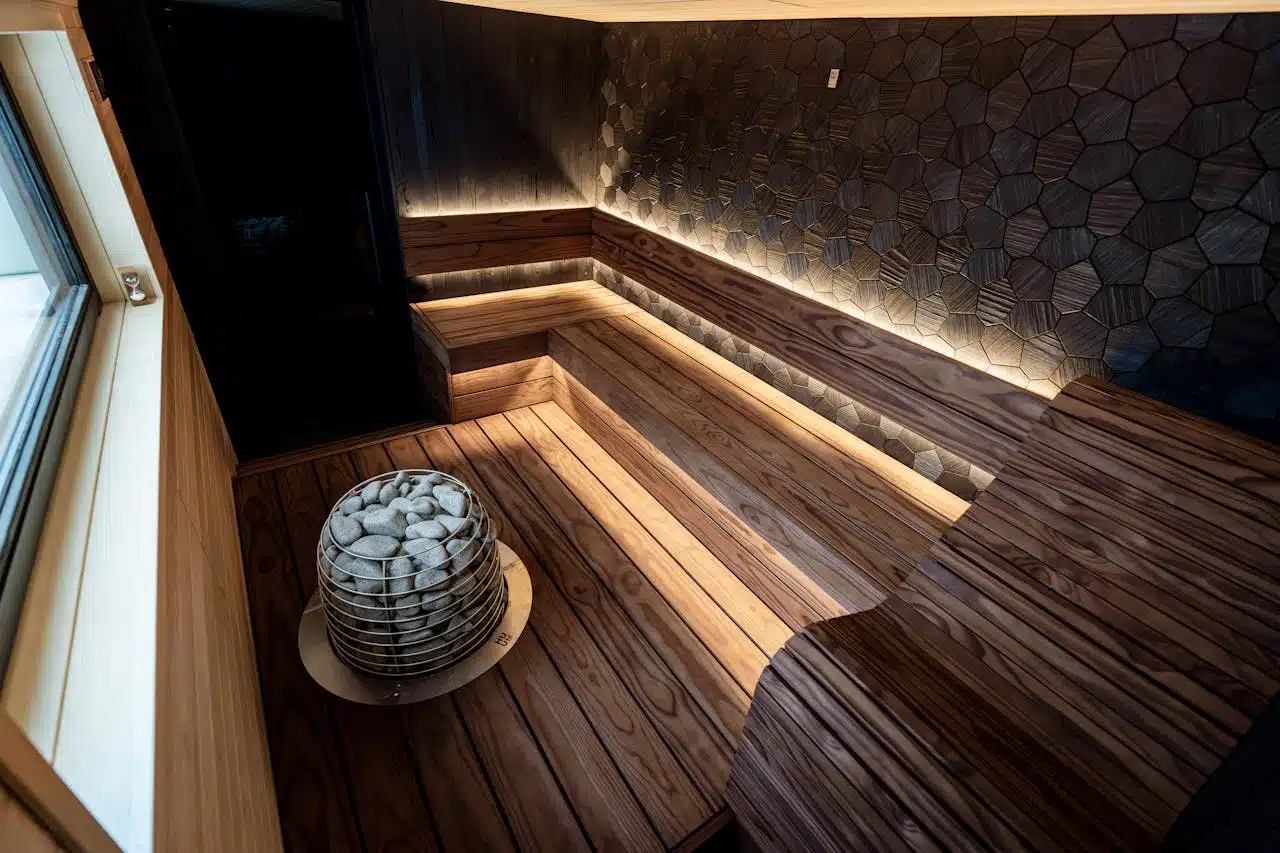
IoT connects devices in homes and workplaces to build smart wellness systems that respond to your needs. Lights, thermostats, chairs, air purifiers, and speakers all communicate through the internet. Even unusual additions like a tv in sauna can be part of these connected environments. When you enter a room, the system can adjust settings like lighting, temperature, and sound automatically.
You can also control everything using your phone or voice. These connected systems improve comfort, save energy, and boost productivity. They even prepare rooms before you arrive or create quiet focus spaces when needed. This makes daily life smoother, more efficient, and more comfortable for both work and relaxation.
Predictive Health Technology Identifies Risks Early to Prevent Future Illness
Predictive health technology studies your health data to find risks before they become serious problems. It analyzes information from wearables, sensors, and medical records to spot patterns in sleep, stress, heart activity, and lifestyle habits. When it detects warning signs, it alerts you early so you can take action like resting, changing habits, or seeking medical advice.
This helps prevent illness and supports better long term health decisions. Doctors and users both benefit because they can act sooner and more effectively. It creates a proactive system that focuses on prevention instead of treatment after sickness.
Eco-Friendly Smart Designs Combine Sustainability with Health-Focused Environments
Smart wellness spaces use energy saving systems, natural light, and recycled materials to reduce harm to the environment. They improve health by monitoring air quality, temperature, and humidity so people stay comfortable. Designers choose bamboo, reclaimed wood, and low emission paints to create safer interiors.
Smart sensors control electricity and water use by activating only when needed, which reduces waste. People prefer these spaces because they feel cleaner, calmer, and more natural. Advanced ventilation and filtration improve air quality and breathing comfort. This approach shapes the future of wellness living.
Strong Privacy Systems Protect Sensitive Health Data in Smart Wellness Spaces
Smart wellness spaces collect health data through wearables, sensors, and connected apps that track fitness, sleep, and body signals. These systems face risks like hacking, misuse, and unauthorized access. To protect users, they apply encryption, secure cloud storage, and multi factor authentication.
Only approved users or professionals can access data through strict permission controls. Encryption keeps health records unreadable to outsiders even during data breaches. Strong privacy systems build trust and encourage safe use of smart wellness technology.
People feel more confident when they know their health information stays protected. strengthens future digital healthcare.