

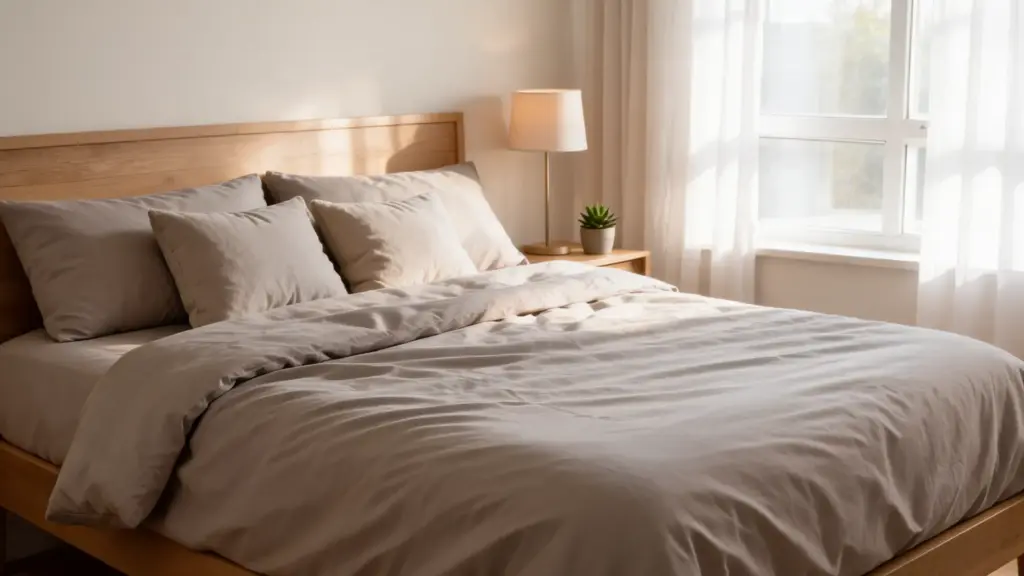
Buying sheets sounds simple until microfiber enters the chat. It looks soft, costs less, and shows up everywhere, but then you hear it can trap heat, hold sweat, or bother sensitive skin.
I get why that makes the choice feel less obvious. Are microfiber sheets good for your bed, or are they just a cheap option that feels nice at first? The answer depends on how you sleep, how warm your room gets, and what kind of fabric your skin prefers.
You’ll find a clear, practical breakdown here, including comfort, cooling, skin feel, microfiber vs cotton, washing tips, and better alternatives. By the end, you’ll know where microfiber makes sense, where it falls short, and how to choose sheets that actually help you sleep better.
A quick note on where this comes from: most of what follows draws on years spent specifying bedding for guest rooms, rental staging projects, and my own home as part of my interior design work, not a single product review. When I mention how a fabric behaves in a real bedroom, that’s from having furnished dozens of them.
Are Microfiber Sheets Good For Everyday Sleep?
Microfiber sheets are good for everyday sleep if you want soft, affordable, low-maintenance sheets and do not sleep hot. They feel smooth right away, resist wrinkles better than many cotton sheets, and usually dry quickly after washing. That makes them useful for busy homes, guest bedrooms, dorm rooms, kids’ beds, and rental spaces.
The main downside is breathability. Microfiber is usually made from fine synthetic fibers, often polyester or a polyester blend. These fibers are tightly woven, which creates a smooth finish but can also hold warmth close to the body. If you already wake up sweaty, microfiber may feel too warm or slightly clammy.
The fiber itself is defined by thickness, not material. Any fiber finer than 1 denier (about 1/100th the diameter of a human hair) qualifies as microfiber. That’s part of why it feels so smooth: the strands are simply too fine to feel individually against skin. Sleep Foundation’s comparison notes that this fine, tight weave is also what limits airflow compared to cotton.
A Simple Guide To Choosing Microfiber Sheets
Many shoppers want a quick answer before reading a full fabric comparison. Use these decision cards to match microfiber sheets with your sleep habits, bedroom temperature, skin needs, and budget.
Choose Microfiber Sheets If:
You sleep cold, want affordable sheets, need guest bedding, dislike wrinkles, or want sheets that dry quickly after washing.
Skip Microfiber Sheets If:
You sleep hot, sweat at night, live in a humid room, prefer natural fabrics, or have skin that reacts badly to synthetic materials.
Think Twice If:
You have acne-prone skin, pets that shed, or a memory foam mattress. Microfiber may still work, but cotton percale, linen, or Tencel may feel better.
This quick guide gives the simplest answer, but the right choice still depends on fabric quality. A cheap, thin microfiber sheet set can feel very different from a higher-GSM, double-brushed microfiber set.
Before you check out, it also helps to confirm your mattress dimensions against a sheet size reference chart, since a great fabric still disappoints if the fitted corners keep popping loose.
Microfiber Sheets vs. Cotton Sheets
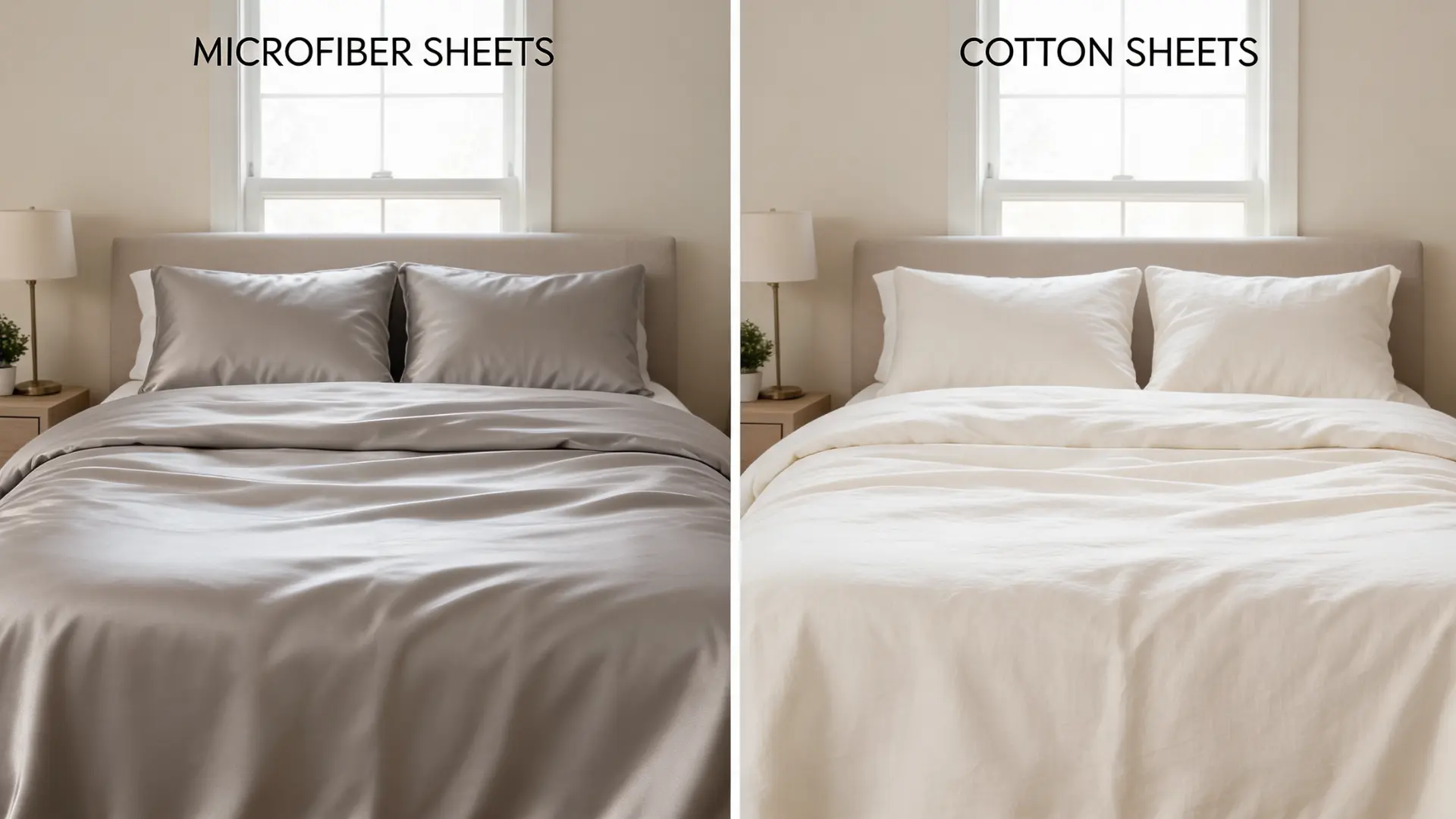
Microfiber and cotton both have strong points, but they feel and perform differently once you sleep on them. This quick table shows which fabric best fits your comfort, cooling, budget, and care needs.
| Feature | Microfiber Sheets | Cotton Sheets |
|---|---|---|
| Feel | Smooth, soft, slightly silky | Crisp, soft, natural |
| Cooling | Can trap heat | More breathable |
| Price | Usually cheaper | Usually higher |
| Wrinkles | Resists wrinkles | Wrinkles more |
| Skin Comfort | Smooth but may trap sweat | Better for many sensitive sleepers |
| Durability | Good if GSM and weave are strong | Best with long-staple cotton |
| Care | Easy, but avoid high heat | Easy, but may shrink |
| Best For | Budget, cold sleepers, guest beds | Hot sleepers, main beds, natural comfort |
The choice comes down to your sleep style. Microfiber is practical for softness and easy care, while cotton is usually better for airflow, skin comfort, and everyday use.
One detail buyers often miss: microfiber sheets aren’t woven just one way. Most use either a percale-style or sateen-style weave, the same terms used for cotton. A percale-style microfiber feels crisper and holds up better long-term; a sateen-style feels silkier but shows wear sooner. If a listing doesn’t mention which one, a side-by-side weave comparison guide makes the difference easier to picture before you buy.
Why People Like Microfiber Sheets
Microfiber sheets remain popular because they solve everyday bedding problems. They are usually soft from the first night, easy to wash, quick to dry, and cheaper than many cotton, linen, bamboo, or Tencel sheet sets.
- Soft Feel: Microfiber usually feels smooth right away, without the break-in period cotton sometimes needs.
- Lower Price: It is often more affordable than cotton, linen, bamboo lyocell, or Tencel sheets.
- Easy Care: Microfiber resists wrinkles, dries quickly, and usually does not shrink much.
- Good Warmth: It can feel cozy for cold sleepers or winter bedrooms.
- Useful for Spare Beds: It works well for guest rooms, dorm rooms, rental spaces, and kids’ beds.
These benefits make microfiber a practical choice for budget bedrooms. The tradeoff is that comfort may drop if the sleeper runs warm, sweats at night, or wants a breathable natural sheet.
Do Microfiber Sheets Make You Sweat?
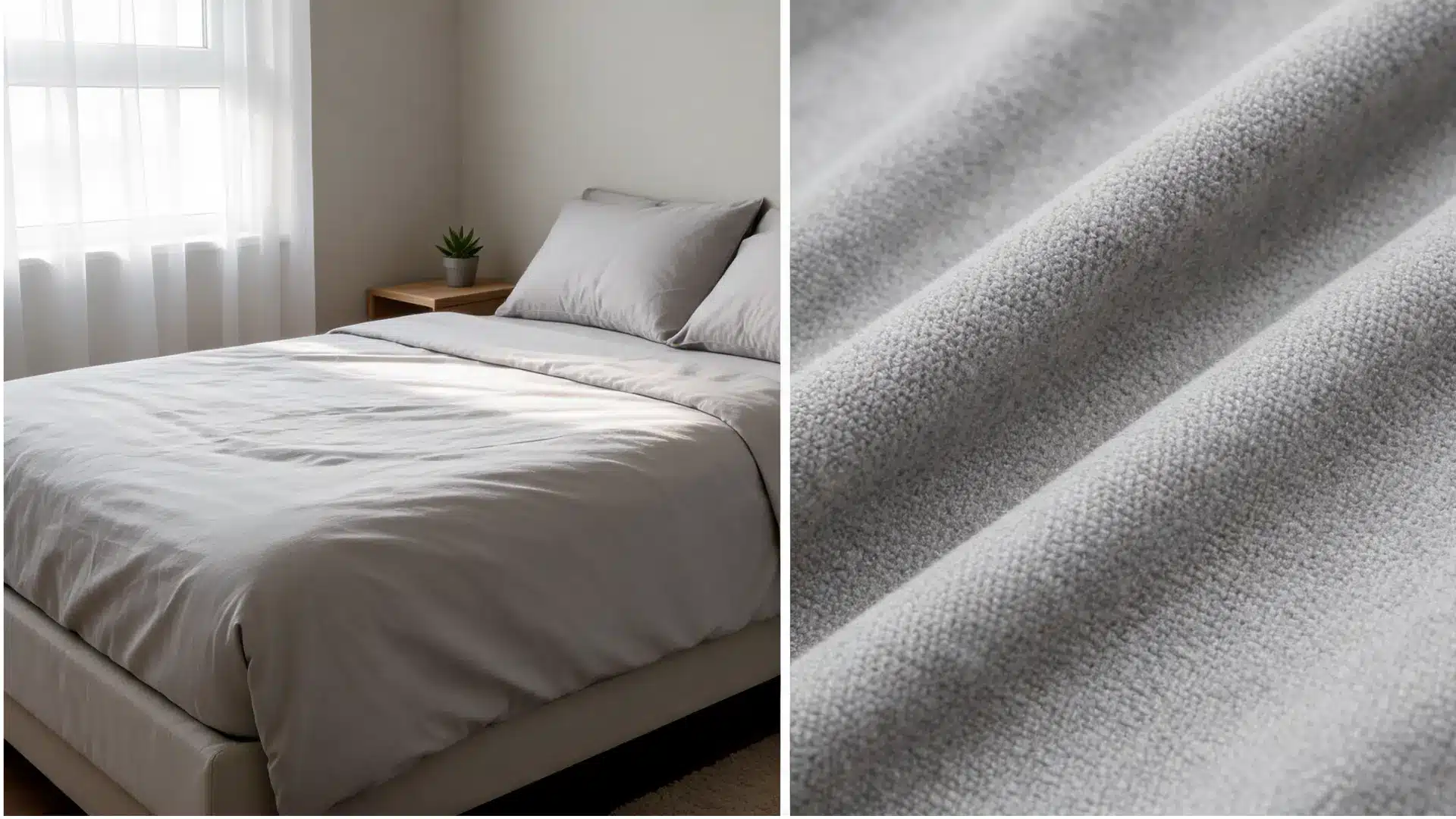
Yes, microfiber sheets can make some people sweat. The tight weave that gives microfiber its smooth feel is the same trait that limits how well air moves through it, so heat and moisture have fewer places to escape. This can feel worse in summer, humid rooms, or on memory foam mattresses.
Memory foam already holds more body heat than many other mattress types. If you pair it with warm sheets, the bed may feel even hotter. In that case, cotton percale, linen, bamboo lyocell, or Tencel can help more than microfiber.
Microfiber can still work if your room is cool, you use air conditioning, or you naturally sleep cold. It is not always uncomfortable. The issue is that it gives less room for heat and moisture to escape.
Best Choice For Hot Sleepers:
Cotton percale, linen, bamboo lyocell, or Tencel usually works better than microfiber.
Problems With Microfiber Sheets
Microfiber has real advantages, but it also has common complaints. Most of the problems come from its tight synthetic weave. That weave helps create softness and wrinkle resistance, but it can reduce airflow and hold heat near the body.
Main Drawback: Microfiber’s tight synthetic weave creates softness and durability, but it can also reduce airflow, trap body heat, and hold moisture near the skin.
- Heat Retention: Microfiber can feel too warm for hot sleepers or humid rooms.
- Moisture Buildup: Sweat may sit near the skin instead of evaporating quickly.
- Odor Issues: Body oils, sweat, and detergent residue can linger if sheets are not washed well.
- Static: Microfiber may attract lint, pet hair, and human hair.
- Pilling: Low-quality microfiber can become rough after repeated washing.
- Synthetic Material: Some buyers may prefer cotton, linen, or other natural fibers.
These benefits make microfiber a practical choice for budget bedrooms. The tradeoff is that comfort may drop if the sleeper runs warm, sweats at night, or wants a breathable natural sheet. If you’re outfitting a dorm or guest room around a microfiber set, it’s worth pairing it with the right blanket size chart too, since an ill-fitting top layer can undo an otherwise comfortable setup.
Microfiber Sheets And Skin Comfort
Microfiber can feel soft against the skin, but comfort depends on how your skin reacts to heat, sweat, detergent, and synthetic fibers. This table shows the main skin concerns and what to do about them.
| Skin Concern | How Microfiber Can Affect It | What Helps |
|---|---|---|
| Sensitive Skin | Smooth fabric may feel gentle, but dyes, finishes, or residues can irritate some skin types. | Wash before use and choose fragrance-free detergent. |
| Acne-Prone Skin | Heat, sweat, and oils may stay close to the skin. | Change pillowcases often and consider cotton percale. |
| Allergies | Tight weave may limit dust and dander buildup. | Wash sheets weekly, especially if pets sleep on the bed. |
| Detergent Irritation | Microfiber can hold residue if too much detergent is used. | Use mild liquid detergent and avoid fabric softener. |
| Night Sweats | Less airflow may leave skin feeling warm or clammy. | Choose cotton, linen, or Tencel if you sweat often. |
Microfiber may work for some skin types, but it needs the right washing routine. If your skin reacts easily, breathability and clean pillowcases matter just as much as softness.
Are Microfiber Sheets Good For Winter, Summer, or Humid Rooms?
Microfiber sheets usually work better in cool, dry bedrooms than warm or humid ones. They hold warmth well, which can feel cozy in winter but uncomfortable if you sleep hot or sweat easily.
In winter bedrooms, microfiber can be a practical choice because it holds body warmth and feels soft against the skin. It works well for cold sleepers, chilly guest rooms, basement bedrooms, and anyone who wants warmer sheets without spending more on cotton flannel.
In summer bedrooms, microfiber is often less comfortable. The tight synthetic weave can trap heat, especially in sunny upstairs rooms or bedrooms without strong airflow. If you need a budget-friendly summer option, lightweight cotton percale is usually a better pick.
In humid rooms, microfiber may feel clammy because moisture does not escape as easily. If the room feels damp or sticky, linen, bamboo lyocell, or breathable cotton will usually feel fresher through the night.
In air-conditioned rooms, microfiber can work better because cool, dry air balances the fabric’s warmth. It is a good option for guest rooms, rental rooms, and people who keep the AC low, but pair it with a lighter blanket if the bed feels too warm.
For year-round use, microfiber makes the most sense for cold sleepers, spare beds, dorm rooms, and cooler climates. For a main bedroom in a hot or humid area, it is better to use breathable sheets in summer and keep microfiber for winter.
When I’m laying out a guest room for a client who hosts a lot, this is the exact tradeoff I walk them through: buy one microfiber set for cold months and one lightweight cotton set for warm months, rather than a single “all-season” sheet that compromises on both.
How To Choose Good Microfiber Sheets
Not all microfiber sheets feel or last the same. A very cheap set may feel thin, staticky, or rough after several washes. A better set should feel soft, fit well, wash easily, and keep its texture longer.
Thread count is not the best way to judge microfiber. GSM, weave, brushing, elastic quality, pocket depth, and fabric testing labels are more useful. GSM stands for grams per square meter, which indicates the sheet’s weight and density.
Buying Checklist:
- Check GSM: Look for 90–120 GSM or higher for better durability.
- Choose Flat Weave: Flat-weave microfiber is usually better for bedding than waffle weave.
- Look For Double-Brushed Fabric: Double-brushed microfiber often feels softer on both sides.
- Check Pocket Depth: Make sure the fitted sheet works with your mattress height or topper.
- Review The Elastic: Full elastic around the fitted sheet helps it stay in place.
- Look for OEKO-TEX: A textile safety label can add reassurance.
- Avoid Fake Thread Count Claims: Thread count matters less for microfiber than GSM and weave.
Buyer Tip:
Do not buy microfiber sheets only because the listing says “luxury” or “hotel quality.” Check GSM, material, pocket depth, care instructions, and return policy.
A good microfiber sheet set should feel soft without feeling flimsy. It should also fit securely, wash well, and stay comfortable after repeated use.
How To Wash Microfiber Sheets So They Last Longer
Microfiber sheets last longer when they are washed gently. Keep this checklist handy if your sheets start feeling rough, staticky, or less fresh after laundry day.
- Use Cool Water: Hot water can weaken synthetic fibers and reduce softness.
- Choose Mild Liquid Detergent: Powder and heavy detergents can leave residue in the fabric.
- Skip Fabric Softener: It can coat microfiber and worsen buildup.
- Dry On Low Heat: High heat can damage the fibers and increase static.
- Wash Separately: Towels, cotton blankets, and fuzzy fabrics can leave lint behind.
- Do Not Over-Dry: Remove sheets once dry to reduce static and roughness.
- Handle Static Gently: Use dryer balls or a small vinegar rinse instead of dryer sheets if the label warns against them.
Better Alternatives If Microfiber is Not Right
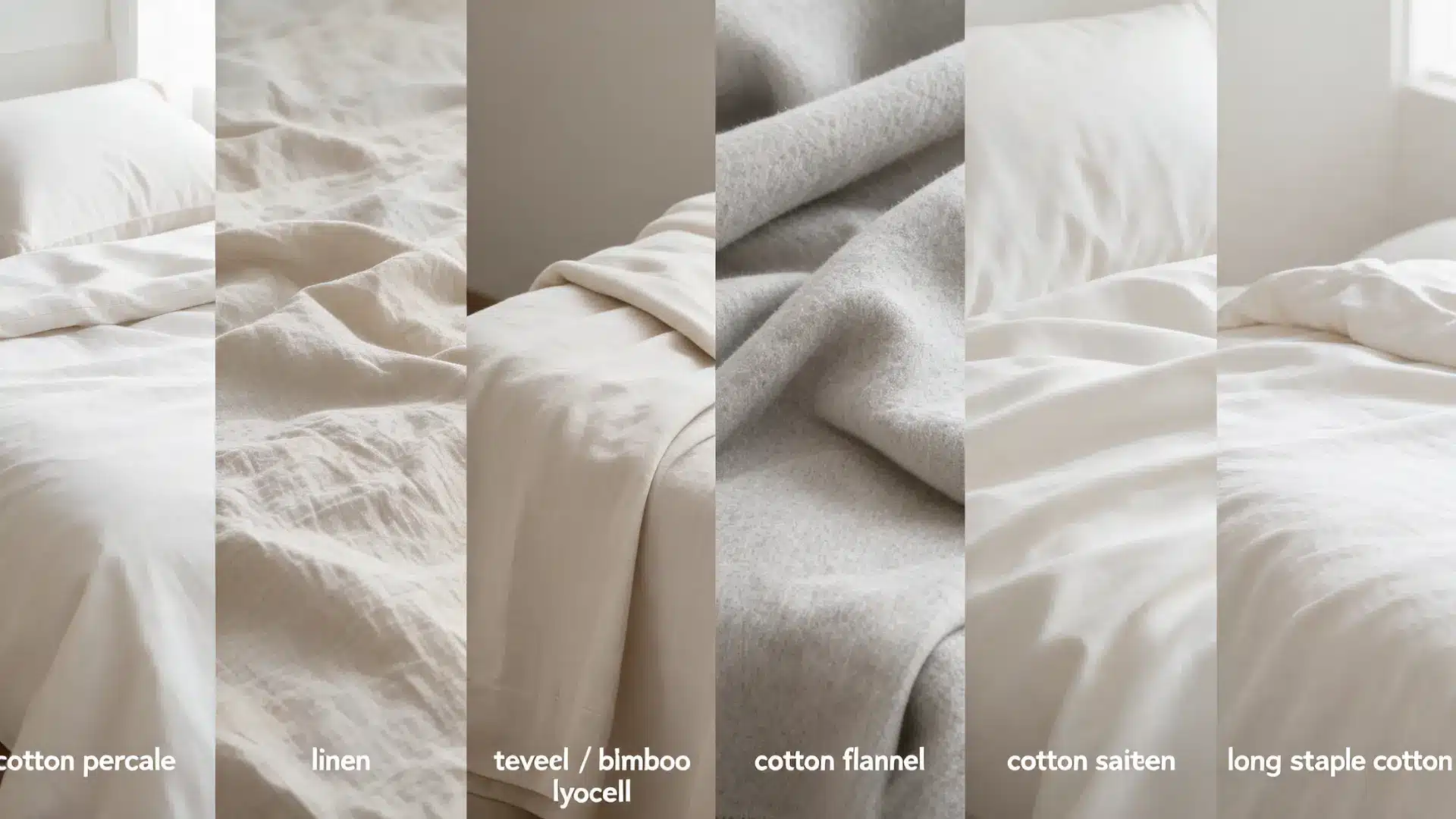
Microfiber can be a comfortable choice, but it is not the right match for every bedroom. The table below makes it easier to compare other sheet materials based on what you need most, whether that is cooling, softness, warmth, or long-term comfort.
| Need | Better Sheet Option |
|---|---|
| Hot Sleepers | Cotton Percale |
| Humid Rooms | Linen |
| Smooth Cooling Feel | Tencel Or Bamboo Lyocell |
| Winter Warmth | Cotton Flannel |
| Natural Softness | Cotton Sateen |
| Long-Term Everyday Use | Long-Staple Cotton |
This section helps you avoid buying sheets based only on price. The right sheet material should match your sleep temperature, skin needs, climate, and how often you use the bed.
Who Should Buy Microfiber Sheets?
Microfiber sheets are worth considering when you want softness, low cost, wrinkle resistance, and easy washing. They make the most sense when the bed is not used every night or when the main goal is practical comfort.
They are less suitable when cooling, airflow, natural materials, or skin breathability matter more. For a main bed, your sleep temperature should guide the choice more than the price.
Microfiber Is A Good Fit If:
You sleep cold, want affordable sheets, need guest bedding, dislike wrinkles, want fast drying, or need sheets for a dorm, rental, or kids’ room.
Microfiber Is Not A Good Fit If:
You sleep hot, sweat at night, live in a humid climate, prefer natural fabrics, dislike static, or have skin that reacts badly to synthetic bedding.
This is the clearest way to decide. Microfiber is not a bad fabric. It is simply better for some bedrooms than others.
Final Verdict: Are Microfiber Sheets Worth It?
Microfiber sheets are worth it if you want affordable, soft, wrinkle-resistant bedding and do not sleep hot. They are especially useful for dorm rooms, guest rooms, kids’ beds, rental spaces, and cold bedrooms.
They are not the best option for hot sleepers, heavy sweaters, humid climates, acne-prone skin, or buyers who want natural materials. Cotton percale, linen, bamboo lyocell, or Tencel will usually perform better for cooling and airflow.
I would choose microfiber for a spare bed, a tight budget, or a cold room. I would choose cotton or another breathable fabric for a main bed if temperature control and skin comfort matter more.
Final Recommendation:
Choose microfiber for price, softness, and easy care.
Choose cotton or another breathable fabric if cooling, skin comfort, and long-term sleep quality matter more.
Frequently Asked Questions
Can Microfiber Sheets Be Used On Adjustable Beds?
Yes, microfiber sheets can work on adjustable beds if the fitted sheet has deep pockets and strong elastic. Since adjustable beds move often, look for a snug fit so the corners do not slip off.
Do Microfiber Sheets Fade After Washing?
Good-quality microfiber usually holds color well, but harsh detergent, bleach, and high heat can cause fading over time. Wash in cool water and dry on low heat to help the color last.
Are Microfiber Sheets Good For Kids?
Microfiber sheets can be good for kids because they are affordable, soft, and easy to wash. If your child sleeps hot or has sensitive skin, breathable cotton may be a better everyday choice.
Can You Use Microfiber Sheets With A Mattress Topper?
Yes, but check the pocket depth before buying. A thick mattress topper can make regular fitted sheets pop off, so deep-pocket microfiber sheets are usually the safer option.
Do Microfiber Sheets Attract Pet Hair?
Microfiber can attract pet hair because of static. If pets sleep on your bed, wash the sheets separately, dry on low heat, and use dryer balls to reduce cling.
Are Brushed Microfiber Sheets Better?
Brushed microfiber sheets usually feel softer because the fabric surface is gently raised. Double-brushed microfiber often feels smoother on both sides, but GSM and weave still matter for quality.
Can Microfiber Sheets Feel Too Slippery?
Some microfiber sheets can feel slightly slippery, especially if they have a silky finish. If you prefer a crisp or matte feel, cotton percale may feel more comfortable.
Should You Iron Microfiber Sheets?
You usually do not need to iron microfiber sheets because they resist wrinkles well. If the care label allows ironing, use very low heat because high heat can damage synthetic fibers.
Conclusion
Microfiber sheets can be a smart choice, but only when they fit your sleep habits and bedroom setup. They work well when you want soft, affordable bedding for a guest room, dorm, kids’ bed, rental space, or cold bedroom.
They are less ideal if you sleep hot, sweat at night, live in a humid area, or prefer natural fabrics against your skin. The real answer to “Are microfiber sheets good?” is not a simple yes-or-no. It depends on warmth, airflow, fabric quality, washing habits, and how your body reacts through the night.
I’d use microfiber where easy care and low cost matter most, then choose cotton, linen, bamboo lyocell, or Tencel when cooling matters more. Try the tips above before buying your next sheet set.