The dream of compact, affordable living has taken strong hold across NZ, with more people drawn to a simpler, cost-effective lifestyle. Land selection stands as one of the most critical steps in the whole process, and many first-time buyers overlook its complexity. Careful research before any purchase saves both time and money. This article breaks down the key factors to consider when searching for land suited to a small dwelling.
Council Approval Rules for Small Dwellings
People who want to place tiny homes NZ must first check the relevant district plan for their chosen area, as rules differ between councils. Every parcel of land falls under a specific zone classification, and these classifications determine what can be built on the site. A call or visit to the local council before purchase can clarify exactly what the site permits. It also helps to ask about any pending plan changes that could affect land use in the near future.
Land Size Requirements for Compact Homes
Land size matters more than many buyers expect, particularly when a tiny home sits on a permanent foundation. NZ councils set minimum lot sizes for habitable dwellings, and some sections fall below these thresholds. A narrow or irregularly shaped section can also restrict where the home is positioned, which affects access, drainage, and outdoor space.
Site Access and Road Entry Factors
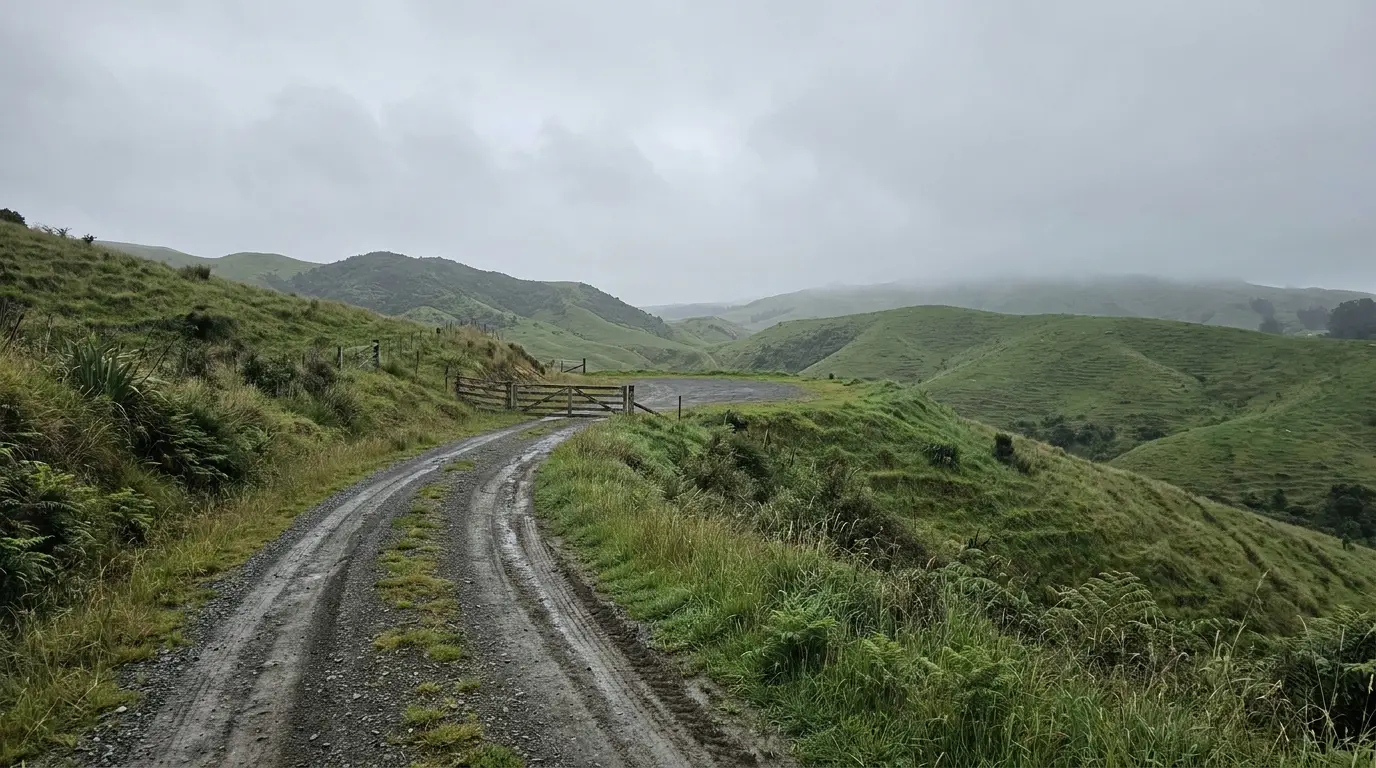
Reliable legal access to land is a non-negotiable requirement for any dwelling placement in NZ. Some rural sections lack a formed road or sit behind another property, which means access must come via an easement or right-of-way arrangement.
Here are some key access and approval factors to confirm before purchase:
- The section must have a legal road frontage or a registered easement that allows vehicle access to the site.
- Council consent conditions may specify a minimum driveway width, gradient, and surface type for emergency vehicle entry.
- Buyers should confirm whether the right-of-way agreement covers all property owners along the shared route.
Utility Connections for Residential Land
A section without existing utility connections adds real cost to any build project in NZ. Power supply, potable water, and wastewater disposal all require either a connection to the municipal network or an approved alternative system. Consider these site and service factors before finalising any land purchase:
- A land buyer should confirm whether the section sits within a reticulated water supply zone or requires a tank and pump system.
- Wastewater disposal must comply with building code requirements, including minimum setback distances from water sources.
- The section’s power supply point and the distance to the nearest transformer can significantly affect connection costs.
Drainage and Flood Zone Checks
Low-lying sections can attract flood plain overlays that restrict where permanent structures are allowed. Areas near rivers or streams may sit within a riparian setback zone, where councils restrict construction to protect water quality. Poor natural drainage on a section can also lead to costly earthworks and retaining structures that inflate the total project budget.
A Land Information Memorandum, known as a LIM report, provides a thorough summary of all known hazards, notices, and consents attached to a section. People exploring tiny homes NZ should treat a LIM report as a standard part of their due diligence, not an optional extra.
To find the right section for a small dwelling takes more than browsing listings and comparing prices. A thorough check of zoning rules, legal access, utility connections, terrain conditions, and flood overlays gives any buyer a realistic picture of what a site truly involves. Along with this, always obtain a LIM report and speak directly with the local council before signing any agreement. These two steps alone can prevent costly surprises and keep a small home project firmly on track from the very start.