

Your Home Should Work for You, Not Against You
Your home isn’t just where you sleep, it’s where your routines unfold, where you recharge, and where your overall well-being takes shape. When your space feels cluttered, unsafe, or outdated, it can quietly affect your mood, productivity, and even stress levels.
The good news? You don’t need a full renovation to make a meaningful difference. Small, intentional upgrades can transform your home into a place that supports comfort, safety, and peace of mind. Below are seven practical ways to improve your living space while enhancing your lifestyle in the process.
1. Feel More Secure by Strengthening Your Home’s Boundaries
There’s a certain peace that comes from knowing your home is safe and protected. One of the most effective ways to achieve this is by improving your property’s boundaries. Adding or upgrading a fence not only defines your space but also creates a safer environment for children and pets.
Working with professionals like Peg City Fence Pros chain link fence installers ensures that your fencing is installed properly and built to last. A well-installed fence offers durability, visibility, and low maintenance, making it a practical choice for homeowners who want both security and functionality.
Beyond safety, having a clearly defined outdoor space can help you feel more at ease, whether you’re relaxing in your yard or hosting guests.
2. Invest in Quality Materials That Last
The materials you use in your home play a bigger role than you might think. High-quality building materials contribute to better insulation, improved durability, and fewer repairs over time, all of which reduce stress and long-term costs.
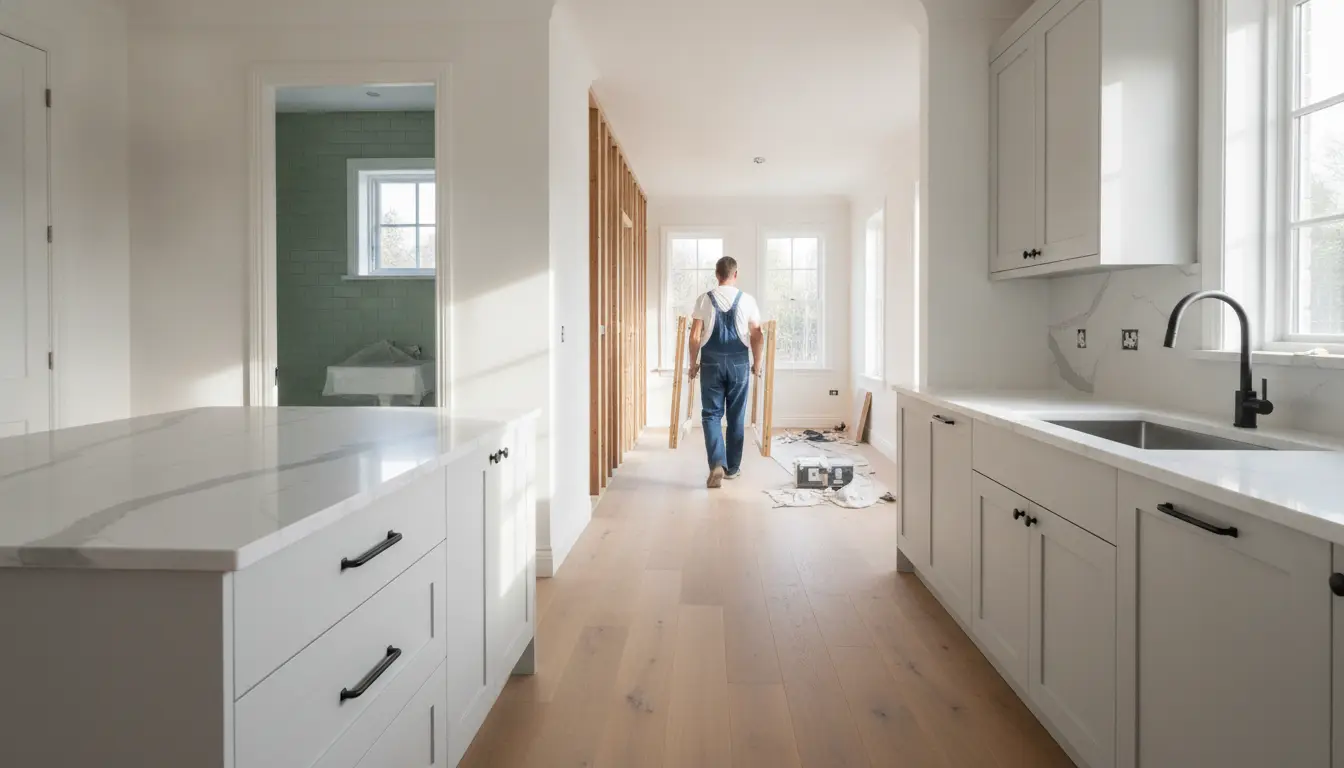
If you’re planning upgrades, sourcing reliable materials is key. For example, for building supplies in Winnipeg, you can visit STAR Building Materials to ensure you’re choosing products that support both comfort and longevity. Whether it’s for a small DIY project or a larger renovation, the right materials can make a noticeable difference in how your home looks and feels.
Choosing durable and eco-conscious options also supports a healthier indoor environment, helping you create a space that aligns with both your lifestyle and well-being goals.
3. Let in More Light and Fresh Air
Natural light and proper airflow can completely transform how a home feels. Bright, well-ventilated spaces tend to boost mood, increase productivity, and even improve sleep quality.
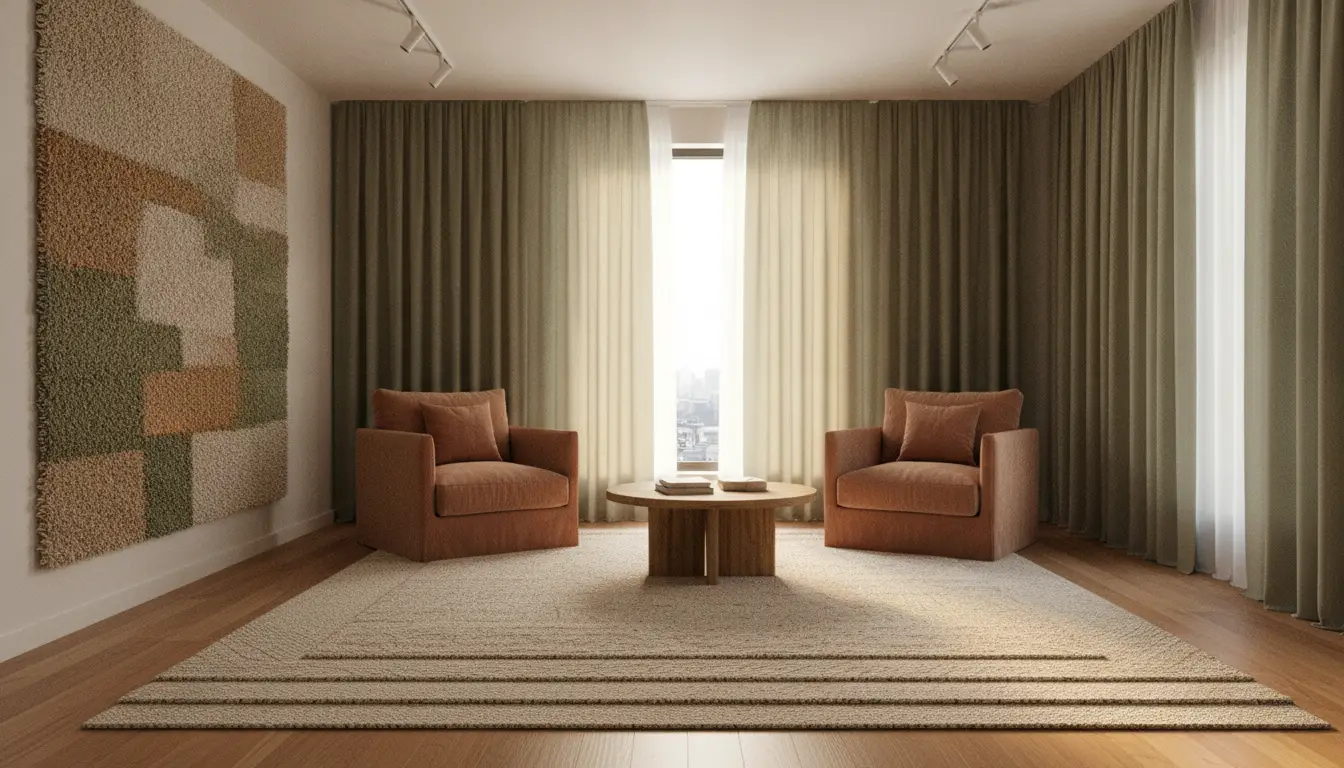
Simple changes can go a long way. Consider swapping heavy curtains for lighter ones, rearranging furniture to maximize sunlight, or adding mirrors to reflect natural light throughout the room. Improving airflow, whether through better ventilation systems or simply opening windows more often, can also make your space feel fresher and more inviting.
These small adjustments don’t just enhance aesthetics; they create a healthier, more uplifting environment for everyday living.
4. Turn Your Outdoor Area Into a Personal Retreat

Your outdoor space has the potential to become an extension of your home, a place to relax, entertain, and unwind. Even modest upgrades can turn a basic yard into a functional and enjoyable retreat.
Think about adding comfortable seating, a shaded area, or even a small garden. These features encourage you to spend more time outside, which can help reduce stress and improve mental clarity.
When your outdoor space feels intentional and well-designed, it becomes more than just a yard; it becomes a place where you can recharge and connect with others.
5. Declutter Your Space, Clear Your Mind
Clutter has a way of creeping into our homes and, eventually, into our thoughts. A disorganized space can make daily tasks feel overwhelming and reduce overall productivity.
Start small by focusing on one area at a time, whether it’s a closet, kitchen drawer, or living room corner. Incorporate smart storage solutions like multi-purpose furniture, shelving units, or labeled bins to keep things organized.
As your space becomes more streamlined, you’ll likely notice a shift in how you feel. A clean, organized home promotes mental clarity, making it easier to focus and relax.
6. Make Energy Efficiency a Priority
Improving your home’s energy efficiency is not only good for the environment, it’s also great for your peace of mind. Lower utility bills and reduced energy consumption can ease financial stress while making your home more sustainable.
Consider upgrading to energy-efficient appliances, sealing gaps around windows and doors, or adding better insulation. Smart home features, like programmable thermostats, can also help you manage energy use more effectively.
These changes may seem small, but over time, they contribute to a more comfortable, cost-efficient, and eco-friendly lifestyle.
7. Add Personal Touches That Make You Feel at Home
At the end of the day, your home should reflect your personality. Personal touches, such as meaningful décor, favorite colors, or cherished items, can make your space feel truly yours.
Incorporate textures, artwork, and design elements that bring you joy. Whether it’s a cozy reading nook, a gallery wall, or a space dedicated to your hobbies, these details create emotional comfort and a sense of belonging.
When your home feels personal and inviting, it naturally becomes a place where you can relax and feel at ease.
Small Changes, Lasting Impact
Improving your home doesn’t have to mean taking on overwhelming projects or major renovations. By focusing on practical, thoughtful upgrades, you can create a space that supports your comfort, enhances your lifestyle, and brings you peace of mind.
From strengthening your home’s security to choosing better materials and personalizing your space, each step contributes to a more balanced and enjoyable living environment. Start with one or two changes, and build from there because a better home often begins with small, intentional improvements.